Offshore hydrogen production moves a step closer
Jonathan Spencer Jones
Posted on: 9 September 2024
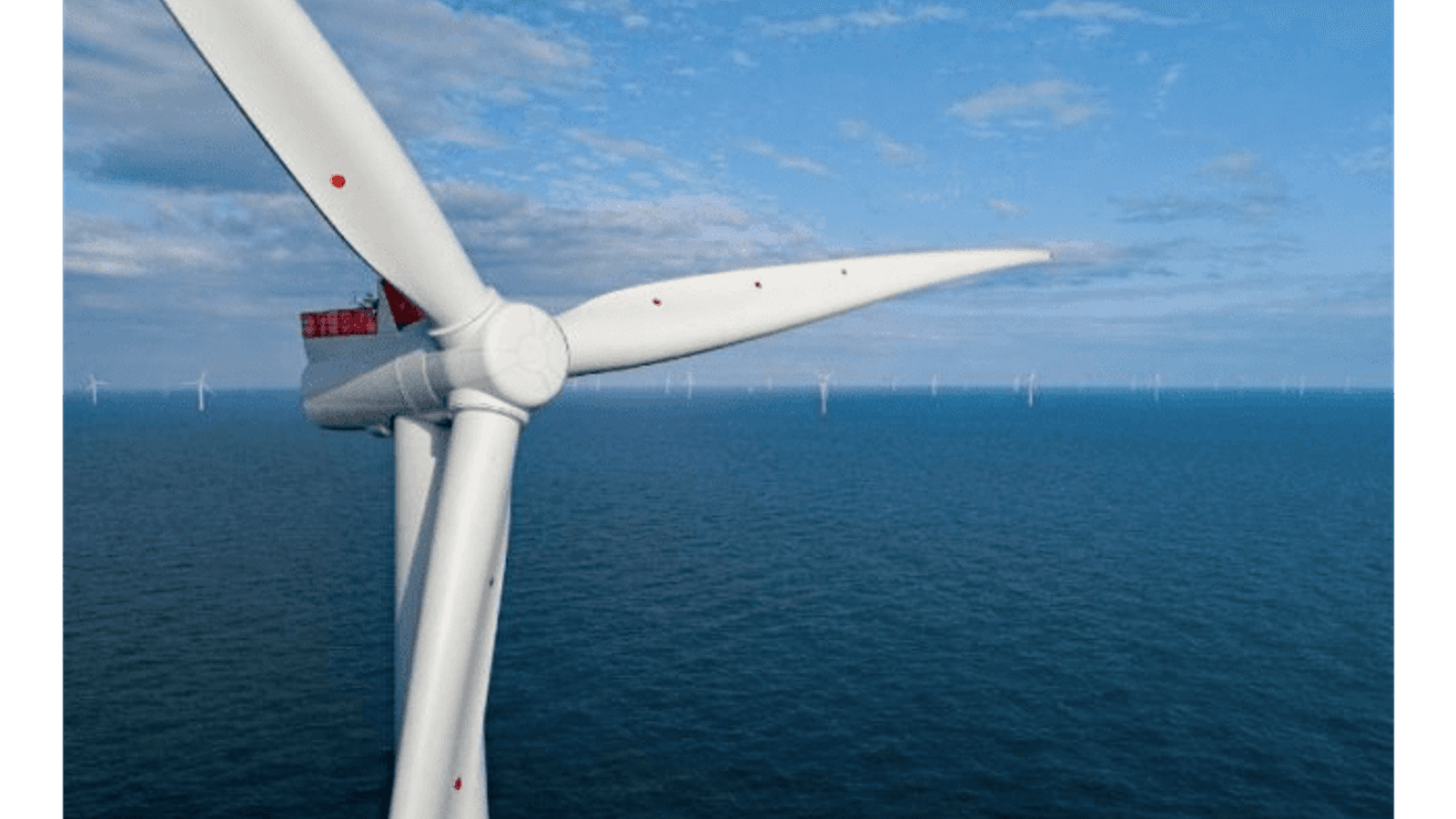
A wind turbine has been directly connected to two electrolysers for hydrogen production in what is believed to be a first.
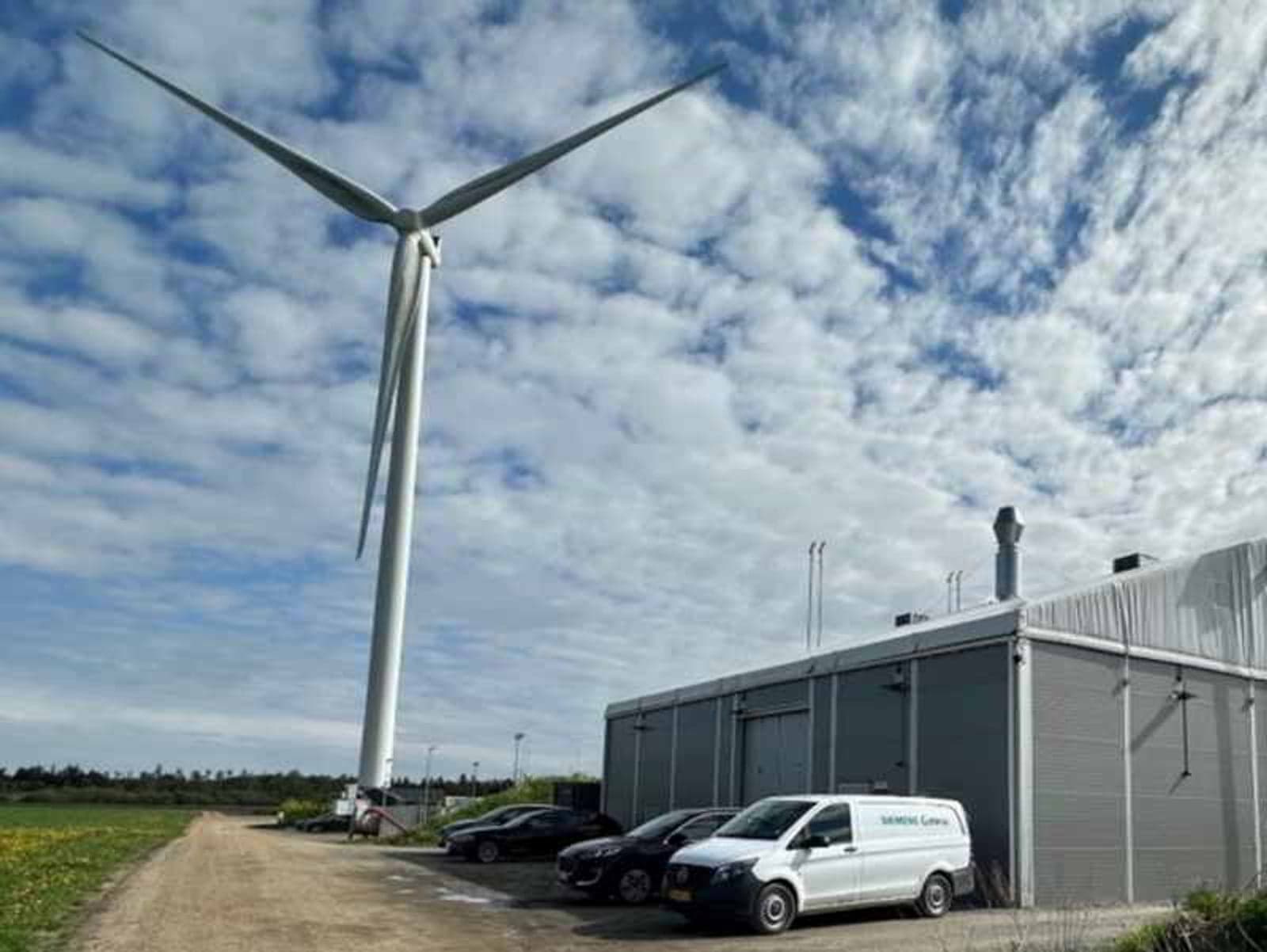
A wind turbine has been directly connected to two electrolysers for hydrogen production in what is believed to be a first.
The initiative, forming part of the German Federal Ministry of Education and Research funded H2Mare project, is aimed to test the direct coupling of wind to the electrolysers and its consequences in operation.
Being undertaken at a test facility in Floe, Denmark, the project is anticipated to contribute to opening the way for the offshore production of hydrogen with offshore wind.
At sea the winds tend to be stronger and more steady than on land and if utilised for the production of green hydrogen, should significantly reduce its cost compared with hydrogen production on land.
Have you read?
Terna tests ‘Internet of Underwater Things’ technology for offshore developments
Project WILLOW: Revolutionising offshore wind farm control
Moreover it avoids the need for complex and costly grid connections as well as the electricity losses in the conversion processes.
The direct connection of a wind turbine and electrolyser is complex, with one of the main challenges is the control system as one of the most critical aspects at sea.
As such it forms a central focus for the H2Mare demonstration and over the coming months investigations are intended on how the fluctuating wind electricity production affects the functioning of the electrolysers.
The wind turbine connection, which is led by Siemens Gamesa, comprises the OffgridWind component of the H2Mare project, which is aimed to develop the technologies for offshore hydrogen production.
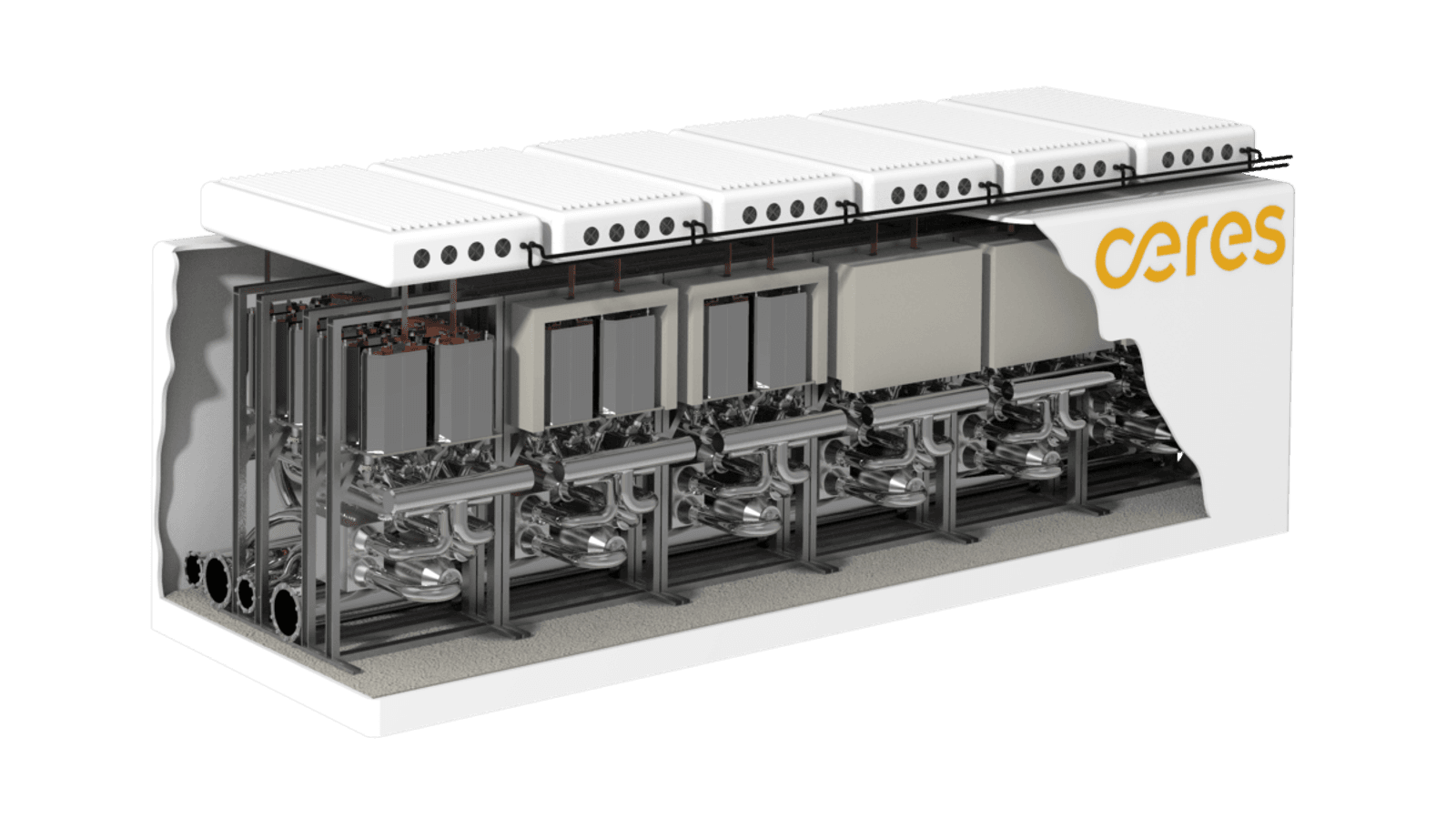
The project concept design for an offshore hydrogen production hub comprises a platform with turbines on or adjacent and containerised electrolysis and water treatment facilities.
Other components of H2Mare are focussed on the development of a compact electrolyser for use at sea, being led by Siemens Energy, and the development of offshore power-to-x, i.e. using the green hydrogen to produce downstream products such as green methanol and green ammonia directly, being led by Karlsruhe Institute of Technology.
Other partners include the German multinational energy company RWE and the Fraunhofer Institute for Wind Energy Systems, with the latter focussed on developing the redeployment of waste heat from the electrolysis at scale to desalinate seawater to enable its use in the electrolysis.
H2Mare is one of three hydrogen flagship projects of the German Federal Ministry of Education and Research that are being undertaken to remove the barriers to the development of the country’s hydrogen economy.