Solar and wind set new records – IEA
Jonathan Spencer Jones
Posted on: 1 June 2023
Renewable capacity additions are expected to increase by 107GW to more than 440GW in 2023| the IEA’s Renewable Energy Market Update has reported.
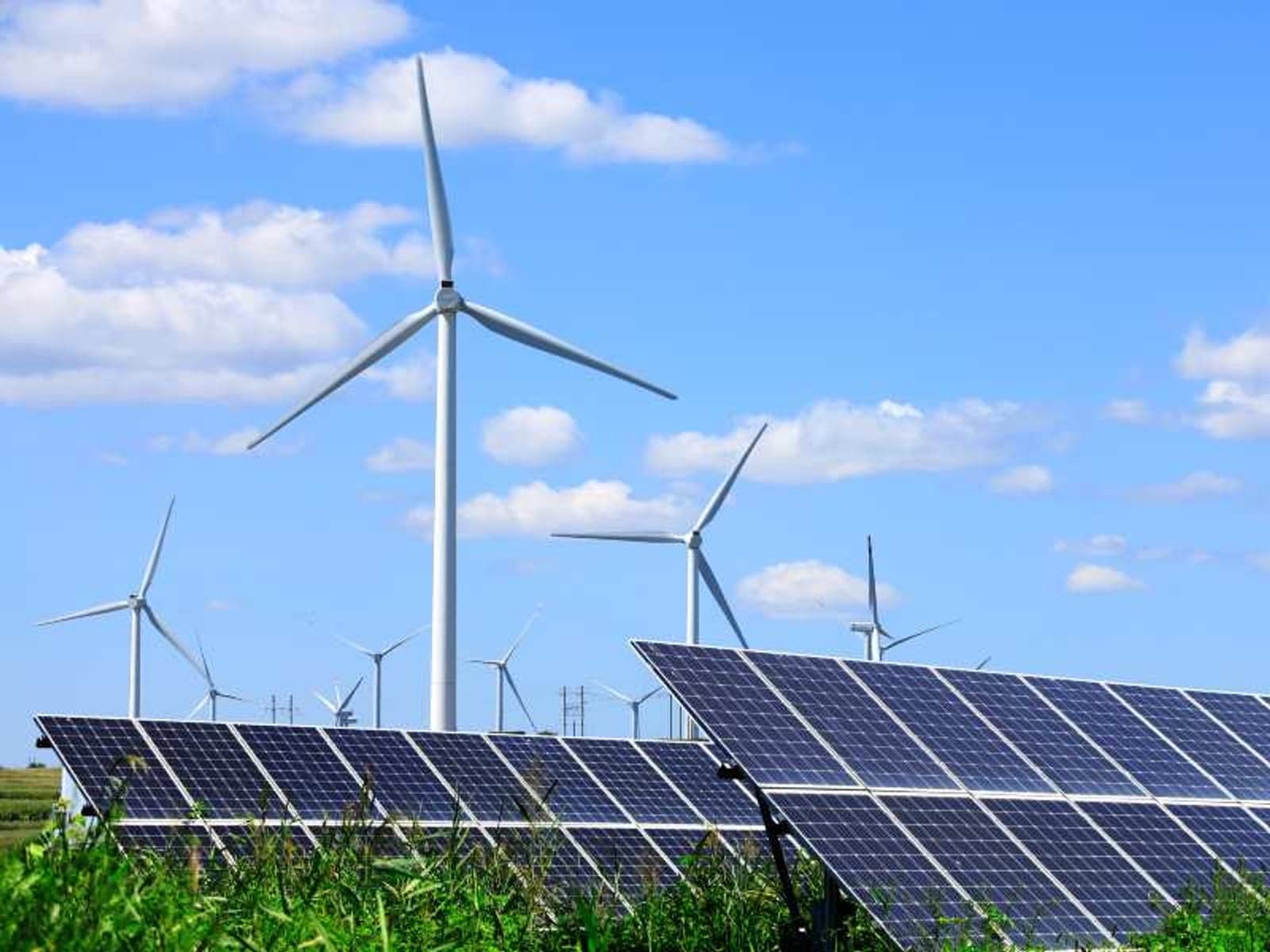
Renewables capacity additions are expected to increase by 107GW to more than 440GW in 2023, the IEA’s Renewable Energy Market Update has reported.
Growing policy momentum, higher fossil fuel prices and energy security concerns are driving this growth, which is taking place across the world’s global markets and is the largest ever, according to the Agency.
Moreover, it is set to continue over the next year with additions potentially reaching 550GW to total 4,500GW – equal to the total power output of China and the United States combined.
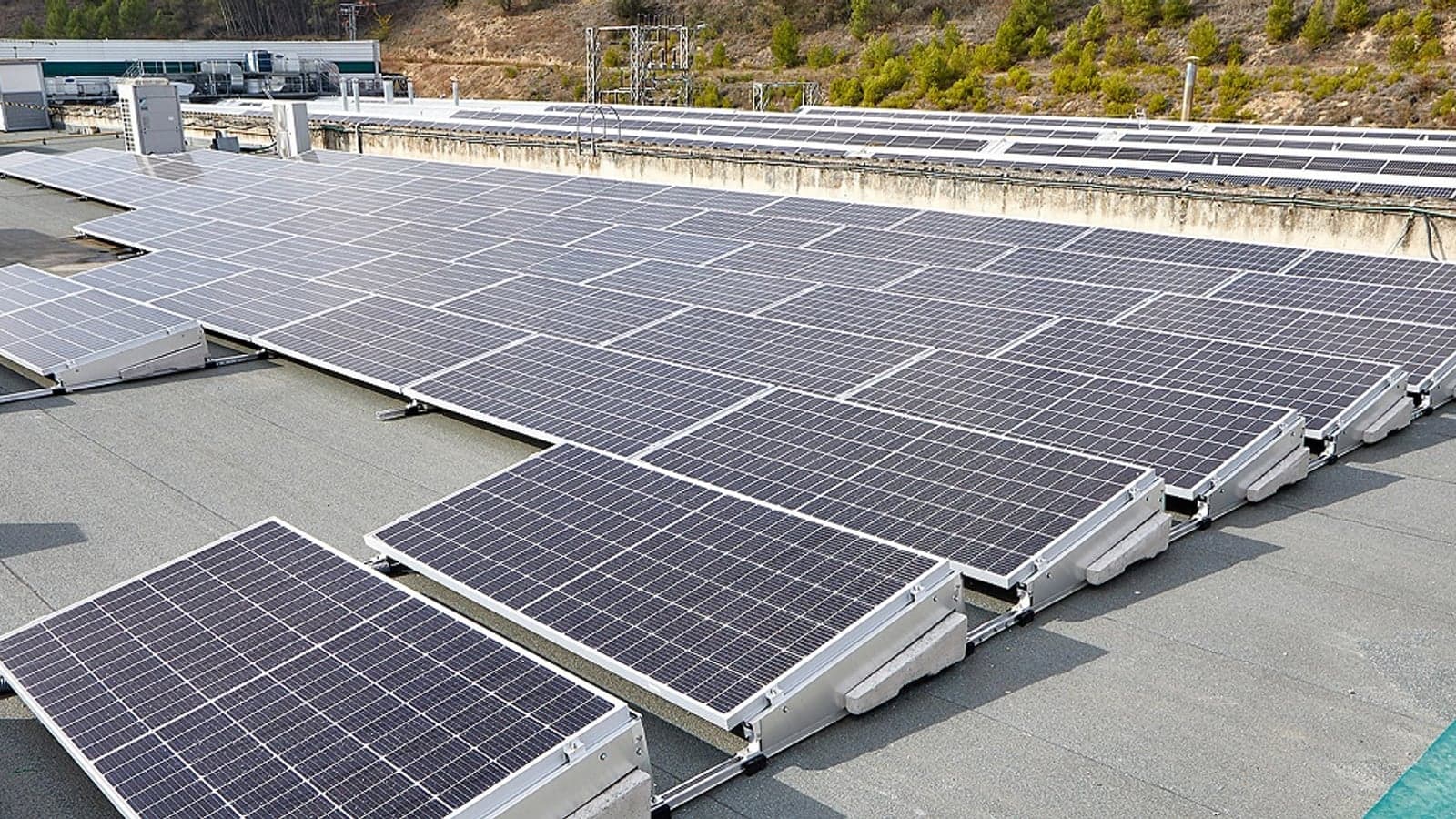
Two-thirds of the increase are solar PV additions, with the expansion of large-scale solar PV plants being accompanied by the growth of smaller systems as higher electricity prices stimulate faster growth of rooftop solar PV.
Have you read?
Why switchgear will be vital for the US wind energy boom
Energy Transitions Podcast: Europe’s urgent need for flexible balancing power
The majority of the remainder is wind, with wind power additions rebounding sharply after a couple of sluggish years, largely due to the completion of projects that were delayed by governments’ covid restrictions and supply chain issues.
From a geographic perspective, in Europe renewables are at the forefront of the response to the energy crisis, while new policy measures are also helping drive significant increases in the US and India.
But China is in the leading position, set to account for almost 55% of global additions of renewables power capacity in both 2023 and 2024.
“Solar and wind are leading the rapid expansion of the new global energy economy,” said IEA executive director Fatih Birol, of the findings of the market update.
“The global energy crisis has shown renewables are critical for making energy supplies not just cleaner but also more secure and affordable – and governments are responding with efforts to deploy them faster.”
However, he warns that achieving stronger growth means addressing some key challenges, in particular policies that need to adapt to changing market conditions and the need to upgrade and expand power grids to maximise solar and wind’s huge potential.
Renewables manufacturing and grid management
Meeting the demand requires growth in manufacturing capacity and for all solar PV production segments this is expected to more than double to 1,000GW by 2024, led by China and increasing supply chain diversification in the United States, India and Europe.
Based on those trends, the world will have enough solar PV manufacturing capacity in 2030 to comfortably meet the level of annual demand envisaged in the IEA’s Net Zero Emissions by 2050 Scenario, the Agency states.
However, in contrast, wind equipment manufacturing is expanding more slowly and may struggle to keep up with demand growth through 2030.
The Agency also notes an increasing amount of electricity generation from wind and solar PV is being curtailed in many markets, particularly where grid infrastructure and system planning lag behind deployment of these variable renewables, although it remains relatively low – in the range 1.5% to 4% - in most large energy markets.
As multiple countries in Europe – including Spain, Germany and Ireland – will see their annual share of wind and solar PV reach over 40% by 2024, effective grid management will be required to hold back the rising curtailment rates.
Finally, the Agency notes a decline in the price of biofuels after an earlier rise and projects demand to expand by 11% by 2024, supported by policies targeting energy security objectives.
Related tags
Latest content
+1
Project TradeRES – New market designs for green European power system: preliminary findings
TradeRES is an EU-finded project with the objective of developing and testing an innovative electricity market design that can meet society’s needs in a near 100% renewable power system.
- Guest/partner contributor
- 15/05/2024