Solar power beaming from space – fact or fantasy?
Jonathan Spencer Jones
Posted on: 4 September 2024
The concept of beaming solar power from space to PV plants on the Earth is gathering momentum as an option for space-based solar.
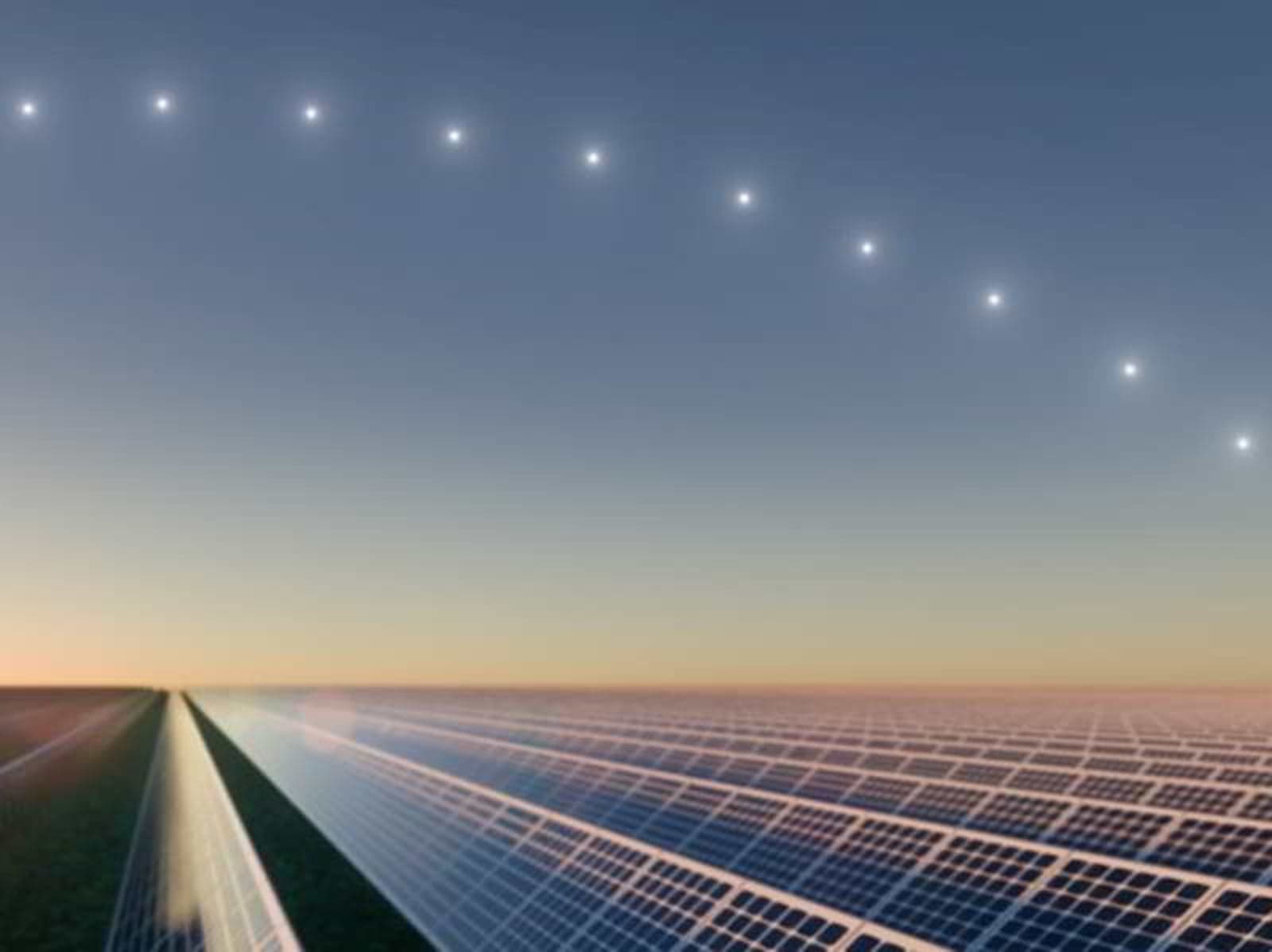
The concept of beaming solar power from space to PV plants on the Earth is gathering momentum as an option for space-based solar.
While solar PV is routinely used to power satellites in space, the possibility of using satellites to redirect solar energy to the Earth to supplement local power demand has been gathering momentum, particularly in the last decade or so with the transition to renewables.
Traditionally the designs have focussed on the conversion of the sunlight to microwaves, which can be beamed to a ground station for reconversion into electricity.
But the alternative of simply reflecting the sunlight to Earth also is gaining interest, with its potential to enhance the terrestrial solar generation in the periods around dusk and dawn and into the night hours.
Have you read?
Space-based solar ‘steering’ prototyped
Harnessing the power of the EU’s Space Programme for renewable energy
At the University of Glasgow, the ‘Solspace’ project has been underway since 2020 with a five-year European Research Council grant, investigating issues including satellite orbital dynamics and attitude control, solar reflector design and fabrication and the economic aspects.
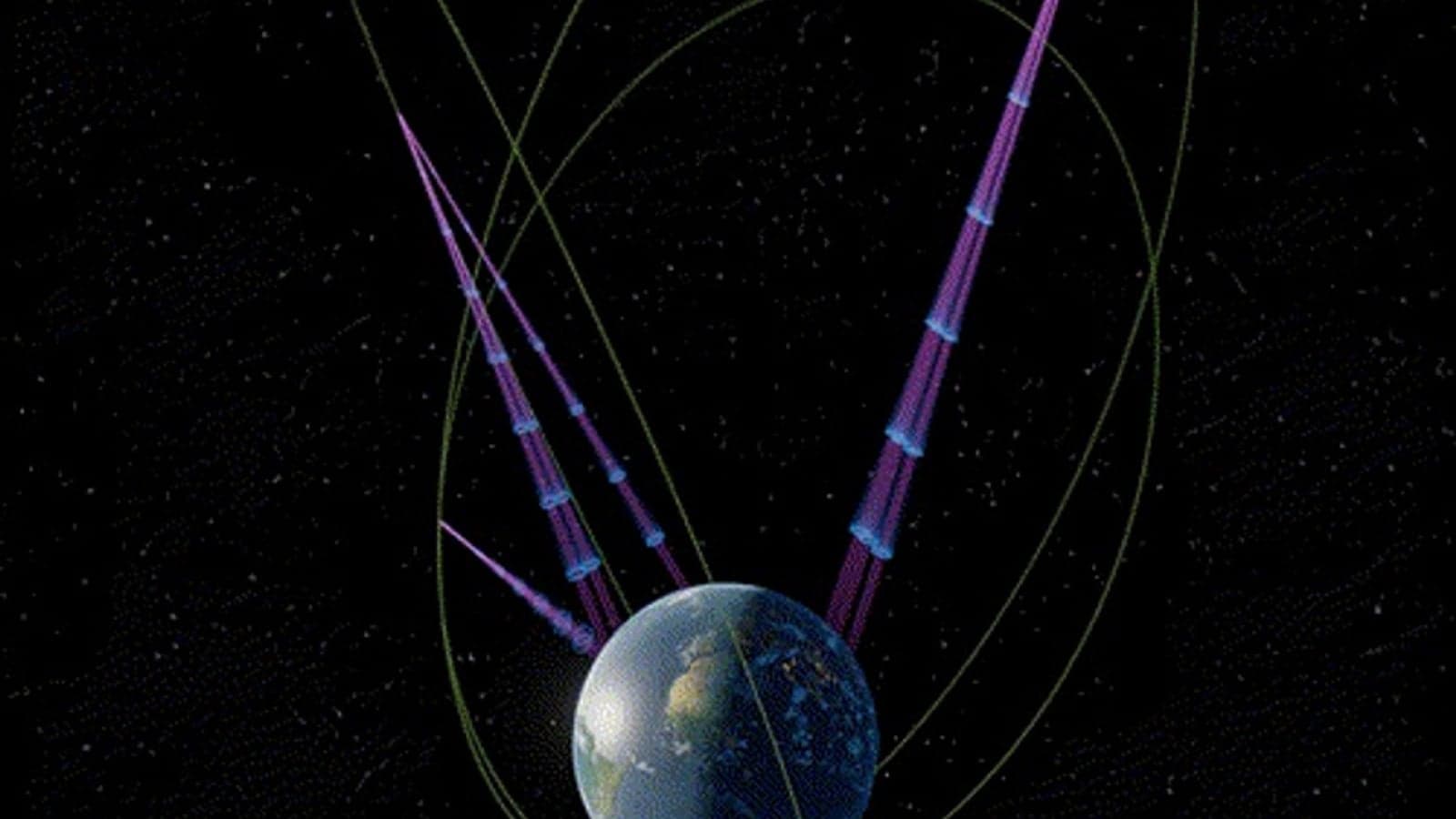
In an April 2024 paper in the journal Acta Astronautica, the researchers present a proposal for a constellation of satellites with 1km diameter reflectors in low Earth orbit at about 1,000km, with the finding that five reflectors could extend operations at a solar power farm by about 35 minutes and 20 reflectors by over 1.5 hours.
The concept is also being considered in ESA’s Solaris space-based solar programme, with the idea to serve as a forerunner to radio frequency solar power satellites. With the fewer technical challenges that its design presents, it could be implemented earlier to test technologies for those satellites.
In a feasibility study, consultancy Arthur D Little in collaboration with energy supplier Engie among other partners design a constellation of 3,987 mirrors of 1km of diameter in low Earth orbit, which would illuminate a solar farm for two hours at dawn and dusk and provide power of 1kW/m2.
The study envisages that a sub-scale demonstrator could be delivered by 2030, with full-scale deployment occurring only by 2043.
Sunlight and energy for sale
Against this background, California-based Reflect Orbital has emerged aiming to sell both sunlight and energy, with delivery of the former slated to start in Q4 of 2025.
So far the company has made little information widely available about its plans but it has attracted widespread media and social media attention following a recent conference presentation and space.com report.
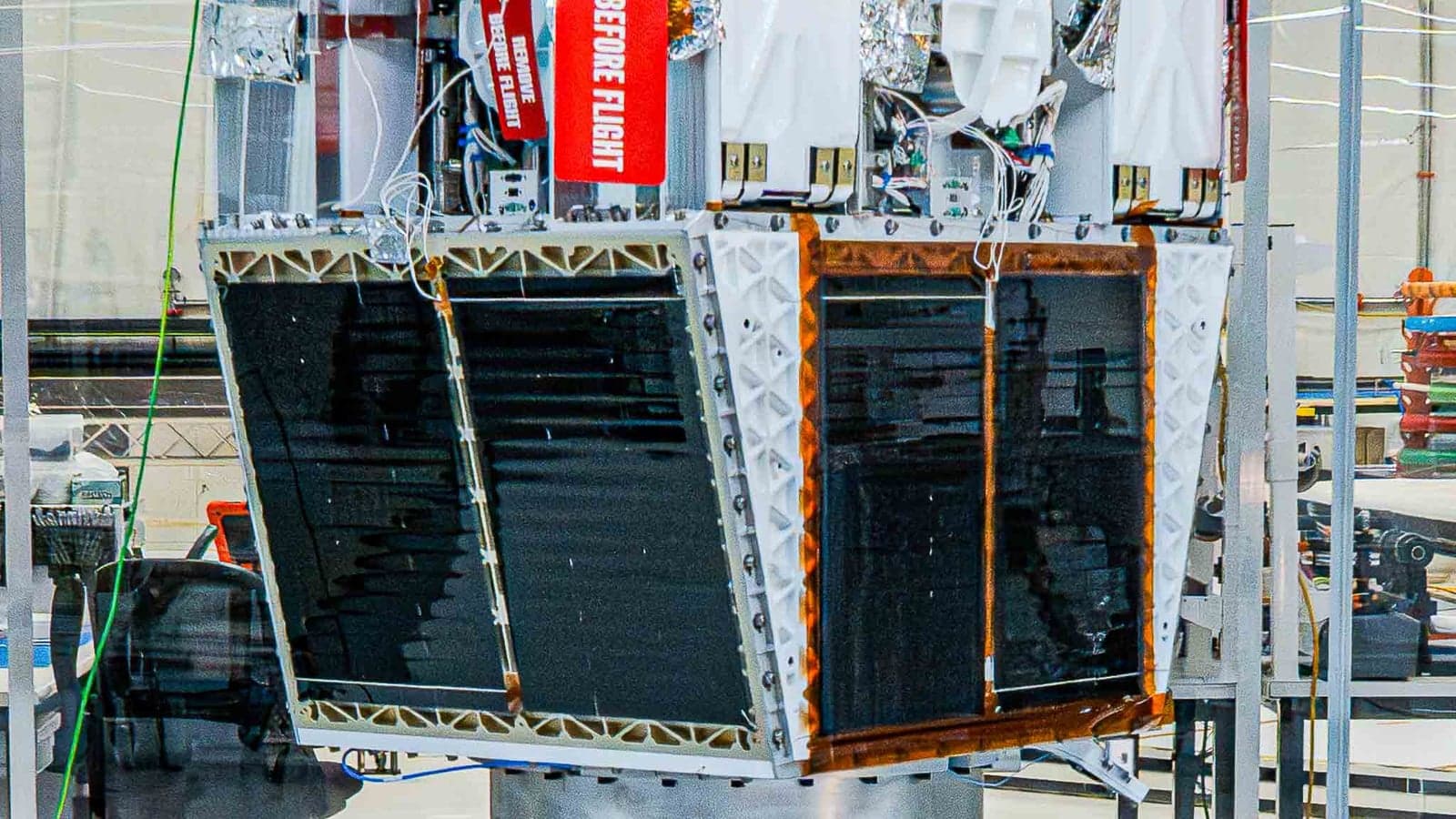
The proposal is to launch a constellation of 57 small satellites with 10x10m square mylar mirrors that would provide an additional 30 minutes of sunshine at power plants or 4 minute duration, 5km diameter sunlight beams at chosen locations, according to the space.com report.
The report also states that Reflect Orbital tested its mirror on a hot air balloon last summer, generating 0.5kW/m2, and has secured funding to fly its first test satellite in space next year.
With the delivery of sunlight, presumably to city or town authorities or most likely novelty seekers, slated as just a year away, and the other programmes underway requiring years of preparatory work, Reflect Orbital’s target seems at best highly optimistic and the main focus for now at least would seem to be on building interest and presumably fundraising.