Spain's renewables ambitions could spell problems for generators
Pamela Largue
Posted on: 24 July 2023
If Spain achieves its ambitious renewable energy targets| it could create a serious problem for the region's generators.
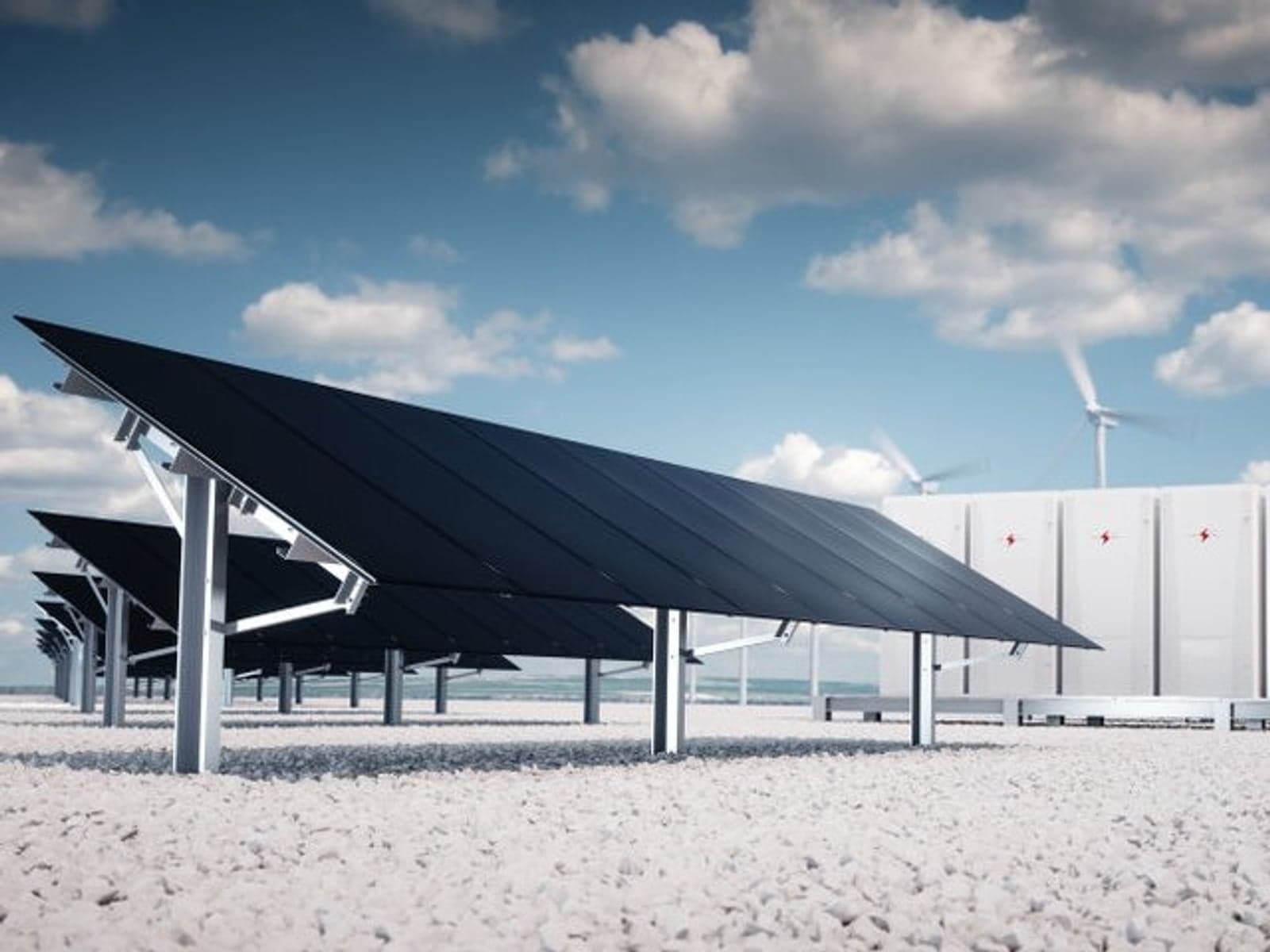
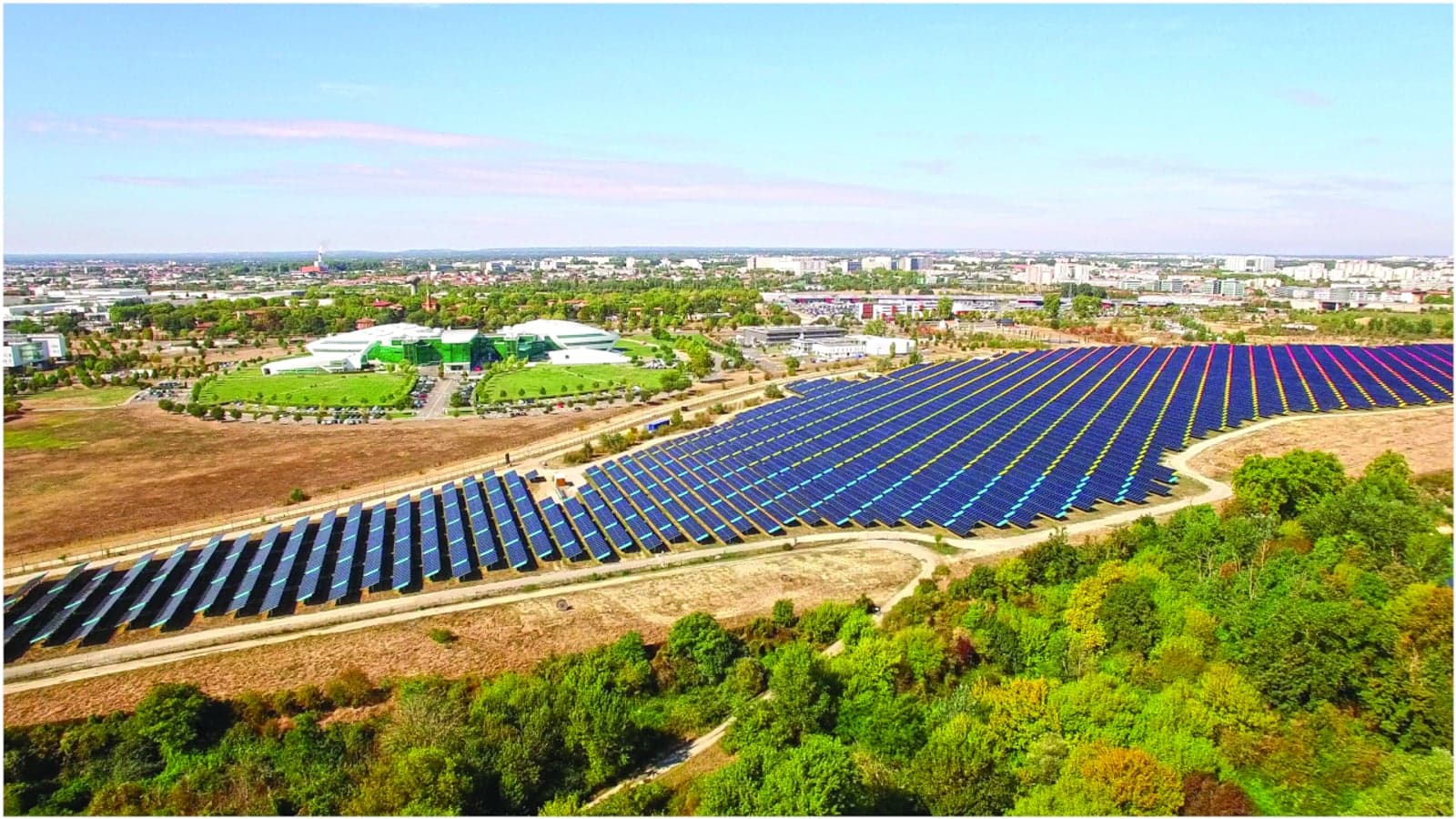
If Spain achieves its ambitious target of increasing installed renewable capacity by 173% between 2022 and 2030, it could create a serious problem for the region's generators.
This is according to research from Aurora Energy that concludes reduced emissions and lower wholesale electricity prices won't be the only outcomes of Spain's clean energy build-out.
Aurora Energy suggests that economic curtailment would be a significant challenge, a phenomenon that occurs when generators choose to reduce their power output because their running costs exceed the wholesale electricity market price.
As renewable generation capacity increases and electricity prices fall, instances when generators cannot recoup their running costs will become more frequent, potentially deterring further investment in the sector.
Have you read?
Atlas Copco launches five new energy storage systems
Solar+storage microgrids replacing diesel at remote California water project
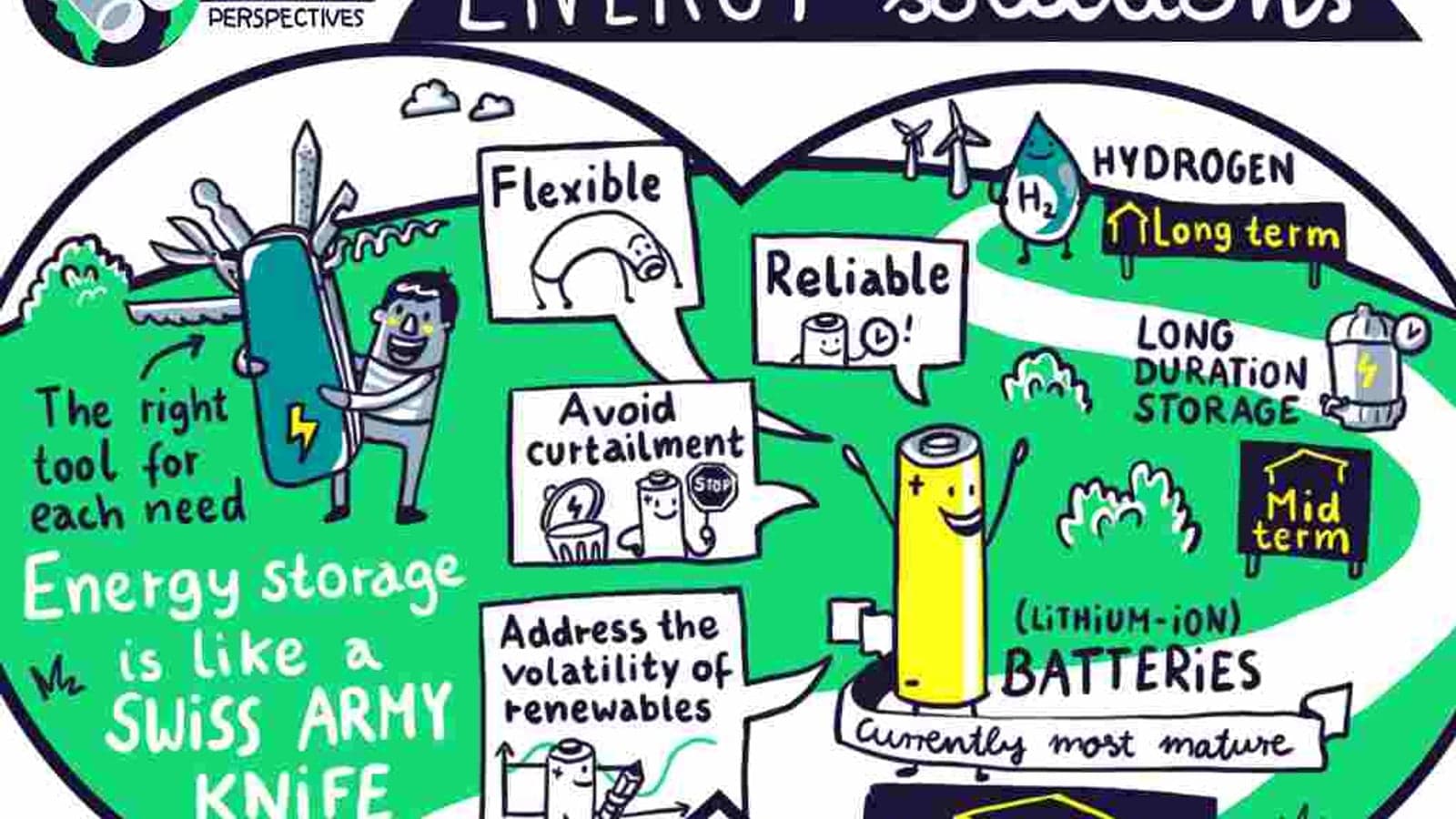
In order to minimise the challenge of economic curtailment, Aurora Energy recommends Spain look to long-duration energy storage (LDES), such as pumped hydropower, flow batteries, and compressed air storage.
Deploying 15GW of electrical energy storage would eliminate economic curtailment by 2035, Aurora’s modelling shows.
Renewable energy that would have been curtailed could rather be used to charge LDES assets and returned to the grid when needed to meet demand.
Spain would also benefit from the ancillary and grid services that LDES assets can provide, allowing earlier phaseouts of the gas-fired power stations currently providing these services. This could potentially accelerate emissions reductions, allowing the country to reach net zero five years earlier.
Aurora Energy suggests that thermal energy storage (TES) technologies, such as latent heat and sensible heat storage, can replace gas consumption in the industrial sector. Lower lifetime costs of some TES asset configurations could incentivise users to decarbonise. Furthermore, as deployment increases and costs fall, certain TES technologies will approach cost-competitiveness with industrial electric boilers by 2030, Aurora finds.