Study shows EGR tech can reduce cost of carbon capture at gas plants
Power Engineering International
Posted on: 15 October 2024
A study shows that integrating GE Vernova’s Exhaust Gas Recirculation (EGR) system could reduce costs of carbon capture at a gas plant by 6%.

Study findings have been released showing that integrating GE Vernova’s Exhaust Gas Recirculation (EGR) system could reduce the total cost of carbon capture at a gas-fired power plant by 6%.
The GE Vernova-led front-end engineering design (FEED) study explored the benefits of close integration between a natural gas combined-cycle (NGCC) plant and a carbon capture system.
The results of the study, Retrofittable Advanced Combined-Cycle Integration for Flexible Decarbonized Generation, have now been released by the Department of Energy’s (DOE) Office of Fossil Energy and Carbon Management.
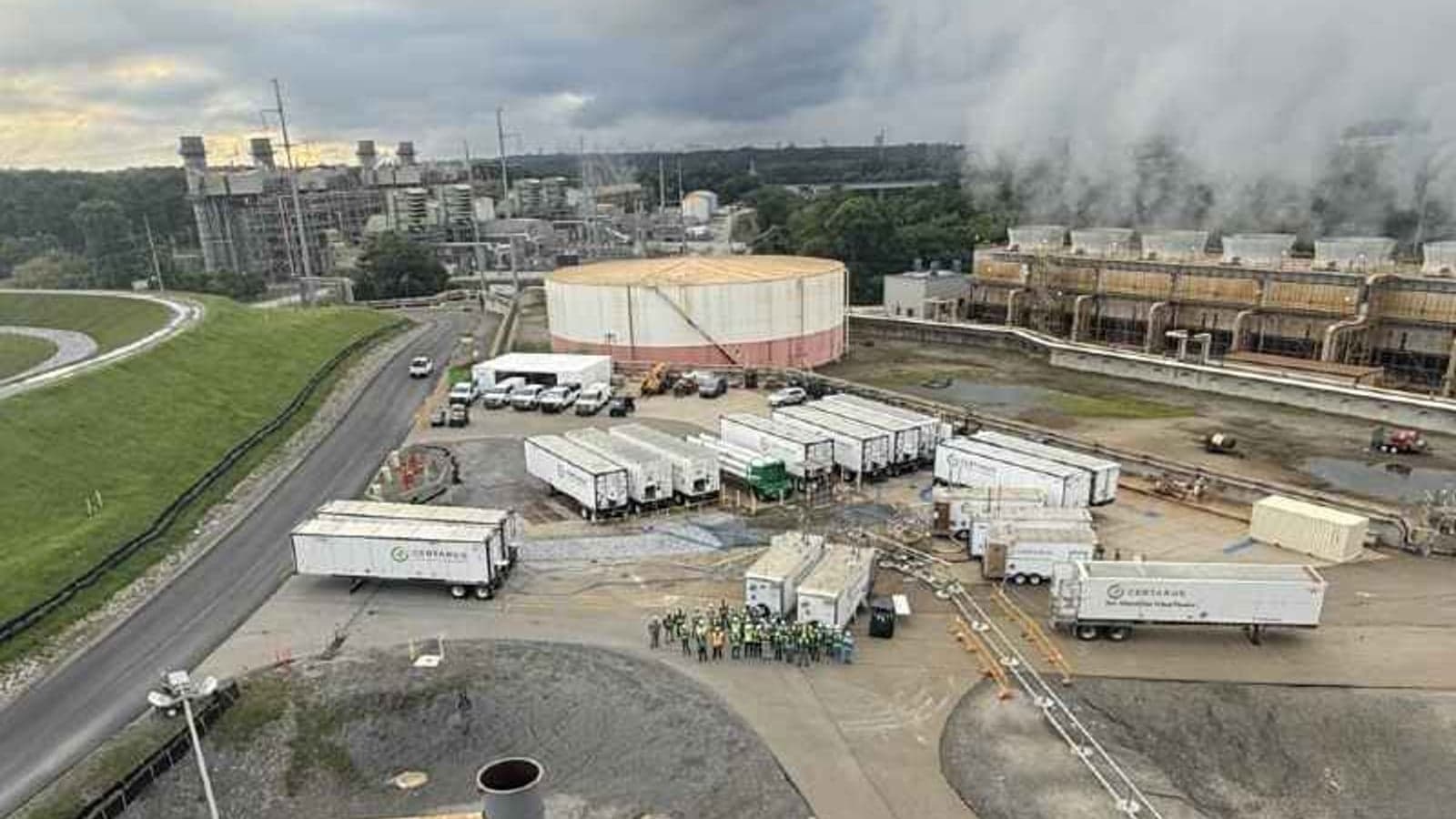
The study evaluated retrofitting Southern Company subsidiary Alabama Power’s James M. Barry Electric Generating Plant, located in Bucks, Alabama, with technology capable of capturing up to 95% of the plant’s CO2 emissions.
Have you read?
Data centres tap pipelines for onsite natural gas generation
Mitsubishi Power completes 5,300MW combined cycle power plant in Thailand
The James M. Barry Electric Generating Plant includes seven units operating on coal and natural gas and has a total nameplate generating capacity of 3,246,000 kW.
This study recognised the potential of an EGR system to deliver the following benefits as compared to a non-EGR system:
- Large reduction of carbon capture facility footprint and cost of absorber;
- Lower operating costs due to reduced amine degradation;
- Less energy-intensive separation due to higher concentration of CO2 in flue gas directed to the carbon capture system; and
- More steam turbine power output because of lower steam consumption.
GE Vernova’s measures and technologies explored in the study included the use of NGCC steam in the carbon capture system facility, potential gas turbine upgrades, installing NGCC and carbon capture control systems, and employing GE Vernova’s EGR system, which reintroduces part of the exhaust gas back into the gas turbine inlet.
The study’s approach helped reduce the size and costs of the carbon capture system by halving the number of absorber towers, improving the efficiency and flexibility of the plant, and potentially increasing its power output.
“GE Vernova is grateful for the Department of Energy’s support of this study, the first of its kind to explore EGR technology applied in a gas power carbon capture plant,” said Jeremee Wetherby, GE Vernova Carbon Solutions leader.
“Carbon capture is a crucial pathway to lowering carbon emissions from power generation to near-zero levels, and we are pleased with the benefits projected by the study – which naturally can vary from site to site but represent a valuable indicator of the possibilities at similar sites,” concluded Wetherby.
The GE Vernova-led study was completed in collaboration with Southern Company, Linde, BASF, and Kiewit.
Also of interest: What have carbon capture and the Ford Motor Company got in common?
Dr Mark Berry, Southern Company senior vice president of Research, Environment, and Sustainability, commented on the results: “Southern Company is pleased this desktop engineering study showed that applying carbon capture for natural gas combined-cycle generation may create options and long-term value for customers in a net-zero future.
“We congratulate GE and the other members of the FEED study team for employing unique technology approaches that could advance the future deployment of carbon capture as a clean energy solution for the customer and communities we serve.”
"As a provider of CO2 capture technology, we commend DOE's leadership in advancing gas power decarbonization technology towards a clean and reliable energy future. The results of this FEED study underpin Linde’s belief that a collaborative approach between technology providers, end-users, and other stakeholders is essential in driving innovation and cost reduction in CO2 capture. We are committed to working with DOE and other partners to help decarbonize industry,” said Dominic Cianchetti, senior vice president, Region Americas, Linde.
“This study highlights the potential for retrofitting existing power plants to meet stringent carbon emission standards, a vital step towards sustainable energy,” added Kevin Needham, president of Power Engineering, Kiewit Engineering Group Inc.
GE Vernova has developed EGR systems for two decades, initially for nitrogen oxide (NOx) control and part-load efficiency benefits.
Related tags
Latest content
+1
Heat recovery steam generators design options and benefits
The heat recovery steam generator (HRSG) is a heat exchanger designed to recover the exhaust ‘waste’ heat from power generation plant prime movers, such as gas turbines or large reciprocating engines, thus improving overall energy efficiencies.
- Power Engineering International
- 01/05/2008