Tesla's Q2 quandary: Energy storage vs e-mobility
Yusuf Latief
Posted on: 25 July 2024
In this week’s Power Playbook, Tesla’s Q2 earnings take centre stage, falling despite the e-mobility leader’s storage successes.
In this week’s Power Playbook, Tesla’s Q2 earnings take centre stage, falling in automotive revenue while thriving in energy storage deployments.
Long time e-mobility and tech giant Tesla announced this week slipping yearly revenues for their automotive sales.
Tesla’s automotive revenues dropped 7% year-on-year to $19.9 million, while revenue from energy generation and storage increased by 100%, up from Q2 2023’s $1.5 million to $3 million this quarter.
Following the results, Tesla shares fell by 8.33% in pre-market trading in the US.
During an investors call, Tesla CEO Elon Musk attributed this to surging price point competition, specifically in the e-mobility sector.
Said Musk: “We saw large adoption and acceleration of EVs and then a bit of a hangover as others struggled to make compelling EVs, so there have been quite a few competing electric vehicles that have entered the market.
“Mostly they have not done well but they have discounted their EVs very substantially, which has made it a bit more difficult for Tesla.”
Tesla’s storage deployments
The results, although not encouraging on the e-mobility front, might paint a picture of a renewed focus on the company’s storage tech, both for their Megapack grid-connected batteries, as well as Powerwell, their stationary home energy storage solution.
Three weeks before the detailed release of the company’s results, Tesla announced the deployment of 9.4GWh of energy storage products in Q2, the highest quarterly deployment yet.
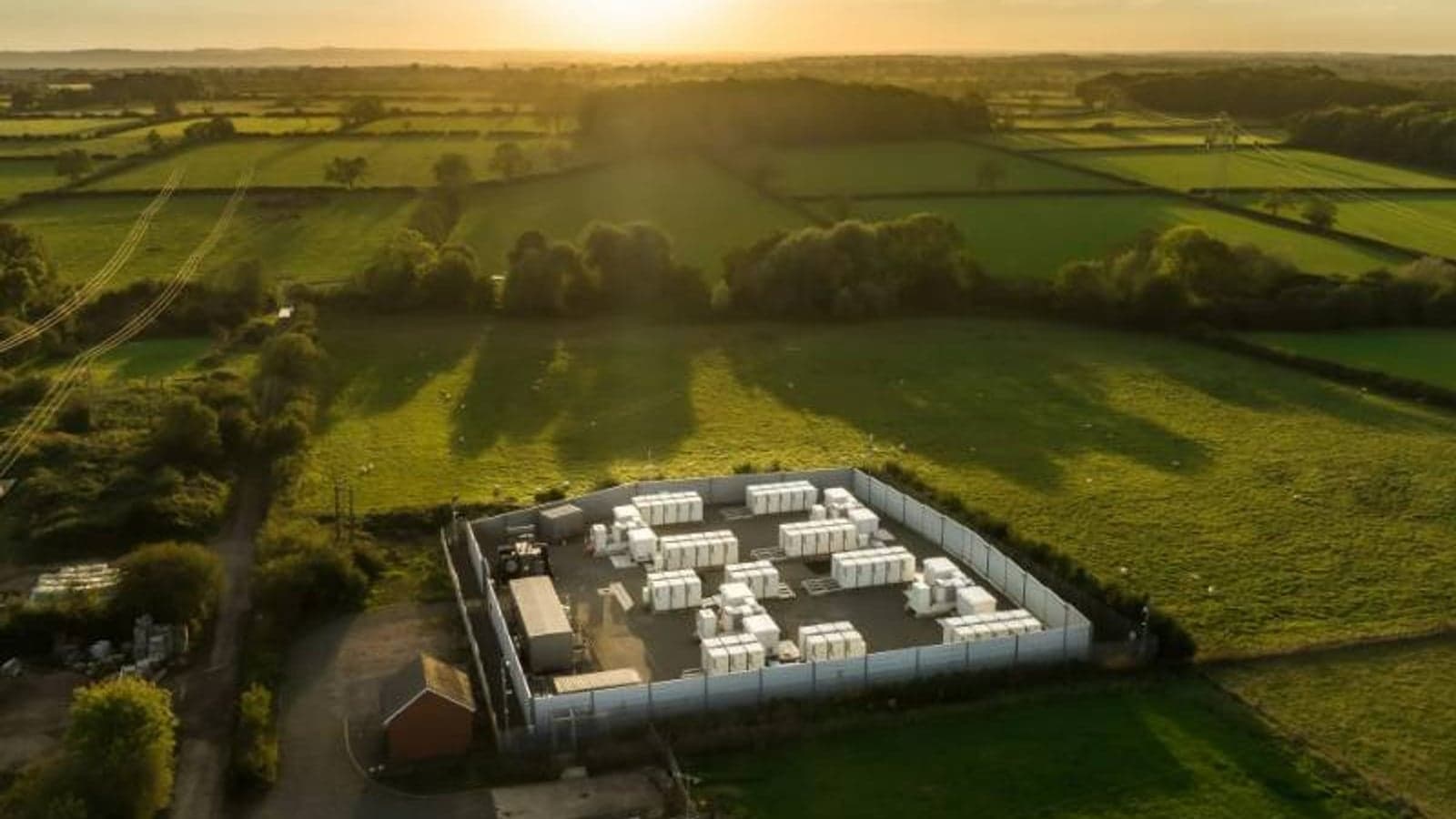
In recent weeks I have reported on some of these very deployments, including their Megapack batteries and Autobidder trading and control systems for a 100MW/200MWh battery energy storage system (BESS) in France for Harmony Energy, which they are calling the largest in the country.
This was accompanied by an announcement from Intersect Power over in Texas, who closed financing for 1GWh of BESS spread over three projects, each making use of Tesla’s Megapacks.
A day later, Intersect Power announced another contract with Tesla for 15.5GW of Megapacks through to 2030. Intersect Power plans to utilise over half of this new order for four projects in California and Texas in what they claim will be some of the largest battery installations in the US.
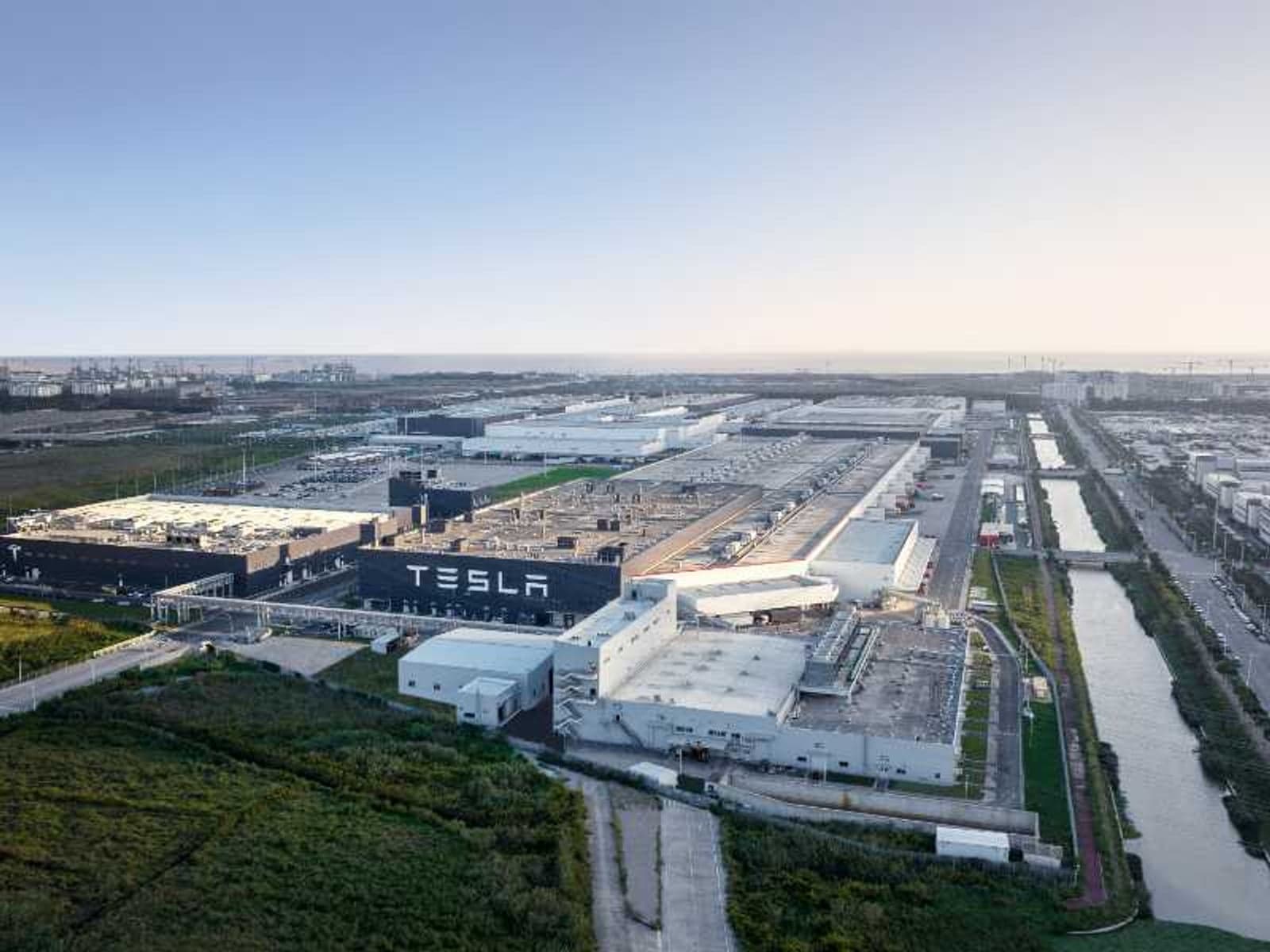
In their results, Tesla also cites the success of their battery Megafactory in Lathrop California, which continues to ramp successfully, achieving a production record in Q2, as well as their Shanghai Megafactory, which remains on track for the start of production in Q1 2025.
More from the Power Playbook:
European venture capital continues to smile on the energy sector
Aggregators: The Ubers of energy financing?
However, Musk attempted to affirm during the investor call that their automotive earnings are not an issue for their long-term roadmap and strategy:
“We don’t see this as a long-term issue but … short-term and we still firmly believe that EVs are best for customers and that the world is headed for fully electrified transport, not just for cars but also for aircraft and boat.”
The company adds that while they expect production in their energy generation and storage segment to continue to grow sequentially, deployments will continue to fluctuate based on factors such as project milestones and logistics timing.
And according to Musk, their energy segment has been growing faster than anything else, constrained rather by demand for their product than their actual production.
Said Musk: “Despite many challenges, the Tesla team did a great job executing and we did achieve record quarterly revenues.
“Energy storage deployments reached an all-time high in Q2, leading to record profits for the energy business and we’re investing in many future projects including AI training and inference and a great deal of infrastructure to support future products.”
As an investor in the e-mobility or storage segments of the energy ecosystem, what do you think of Tesla’s latest earnings? Will a portfolio focus shift be needed to maintain their competitive edge?
Or, as Musk hopes to reassure his investors base, is their revenue decline only of concern for the short-term?
Reach out and let us know so we can feature your insights in Smart Energy’s Power Playbook.
Cheers,
Yusuf Latief
Content Producer
Smart Energy International

Follow me on Linkedin