The crucial role of clusters in fostering Europe's green and digital transformation
Areti Ntaradimou
Posted on: 7 May 2024
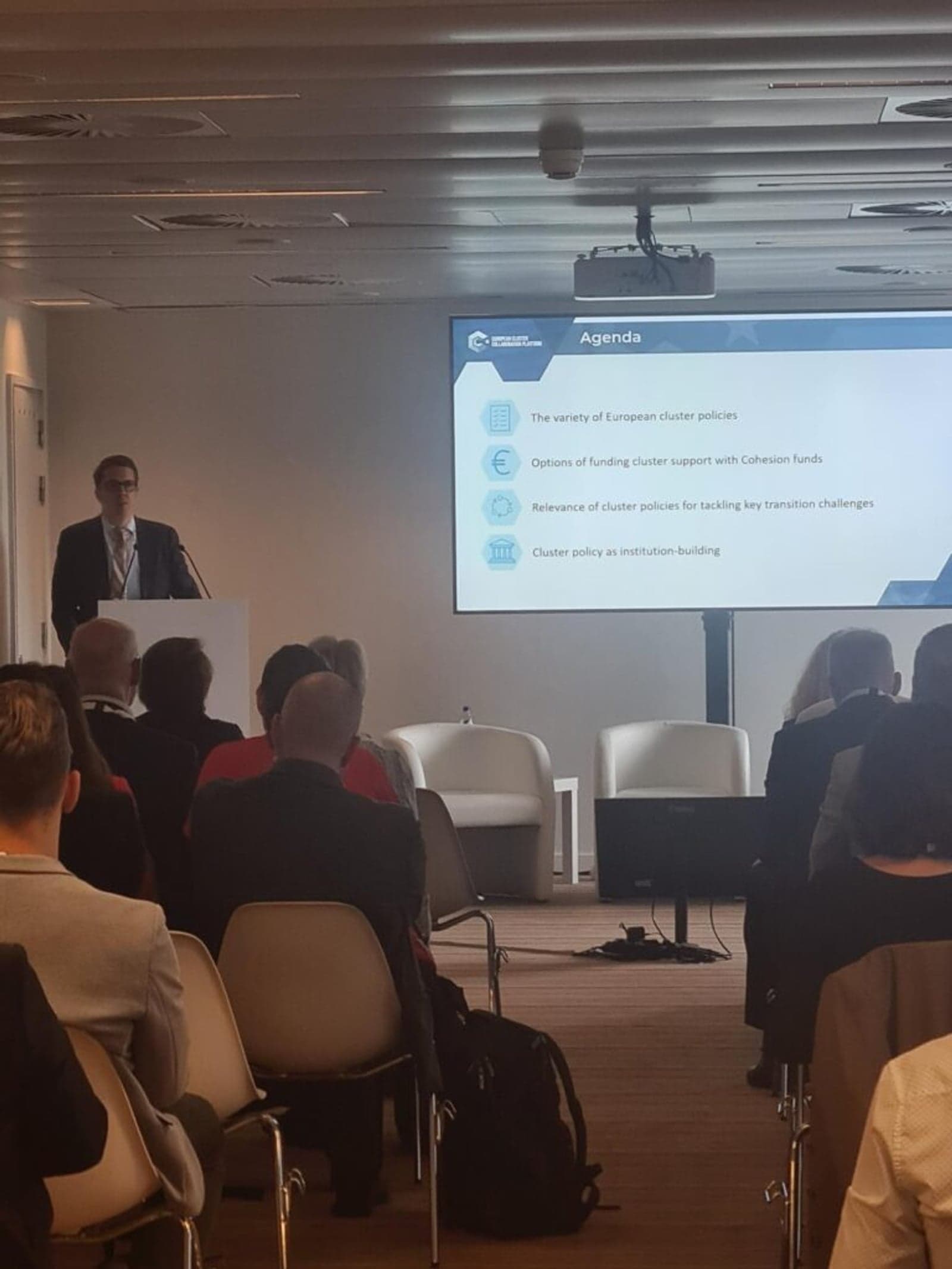
The European Cluster Conference kicked off in Brussels with a side event where European cluster representatives highlighted the critical role these clusters play in navigating the challenges and opportunities of today's dynamic economic landscape.
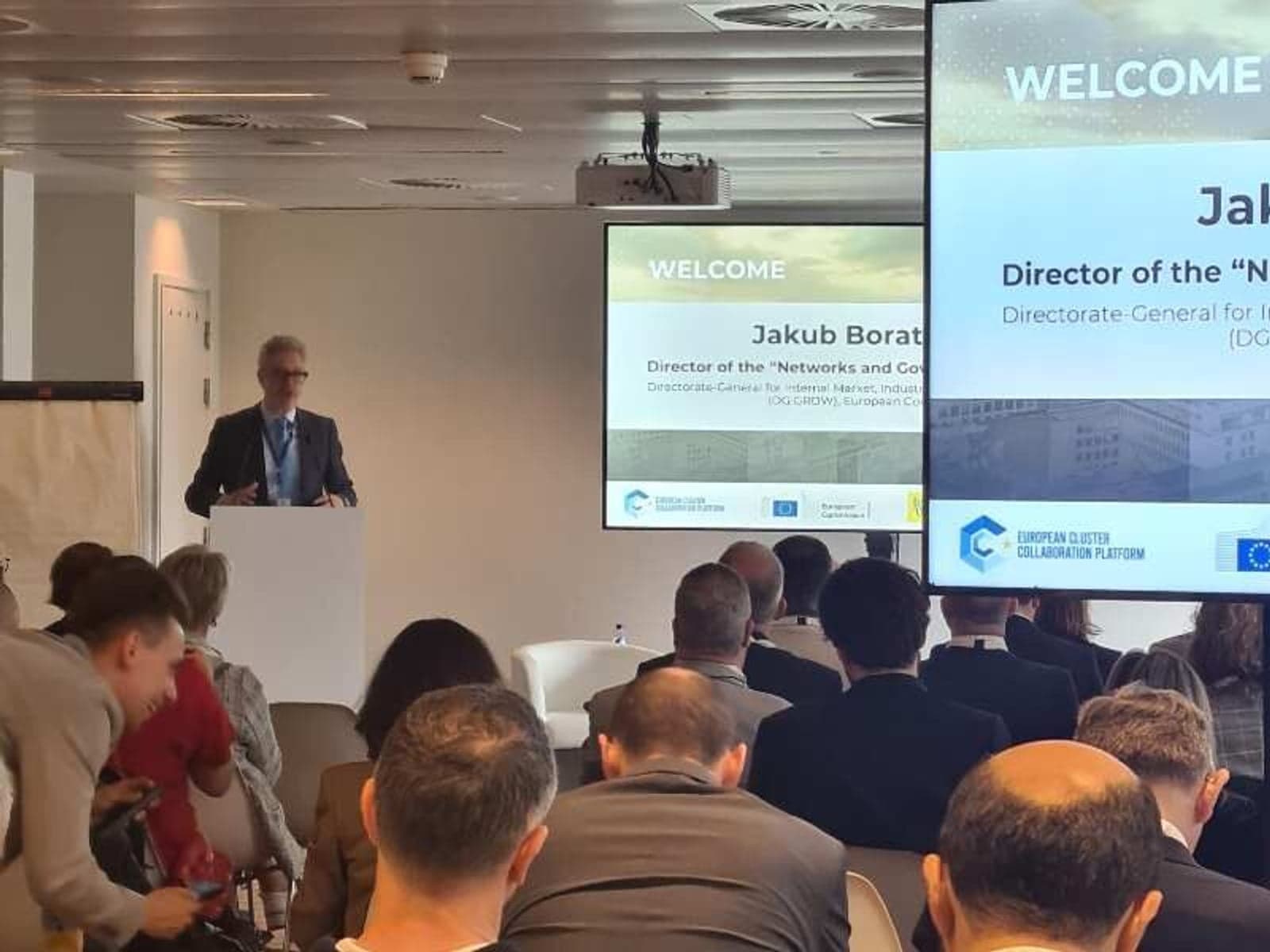
The European Cluster Conference kicked off in Brussels with a side event where European cluster representatives highlighted the critical role these clusters play in navigating the challenges and opportunities of today's dynamic economic landscape.
A central theme emerged: the importance of cluster policies and networks in propelling Europe towards a greener, more digital, and more resilient future. In his opening keynote, Jakub Boratynski, Director of the “Networks and Governance” Directorate DG GROW European Commission, also stressed, more than once, the need for collaboration between the clusters.
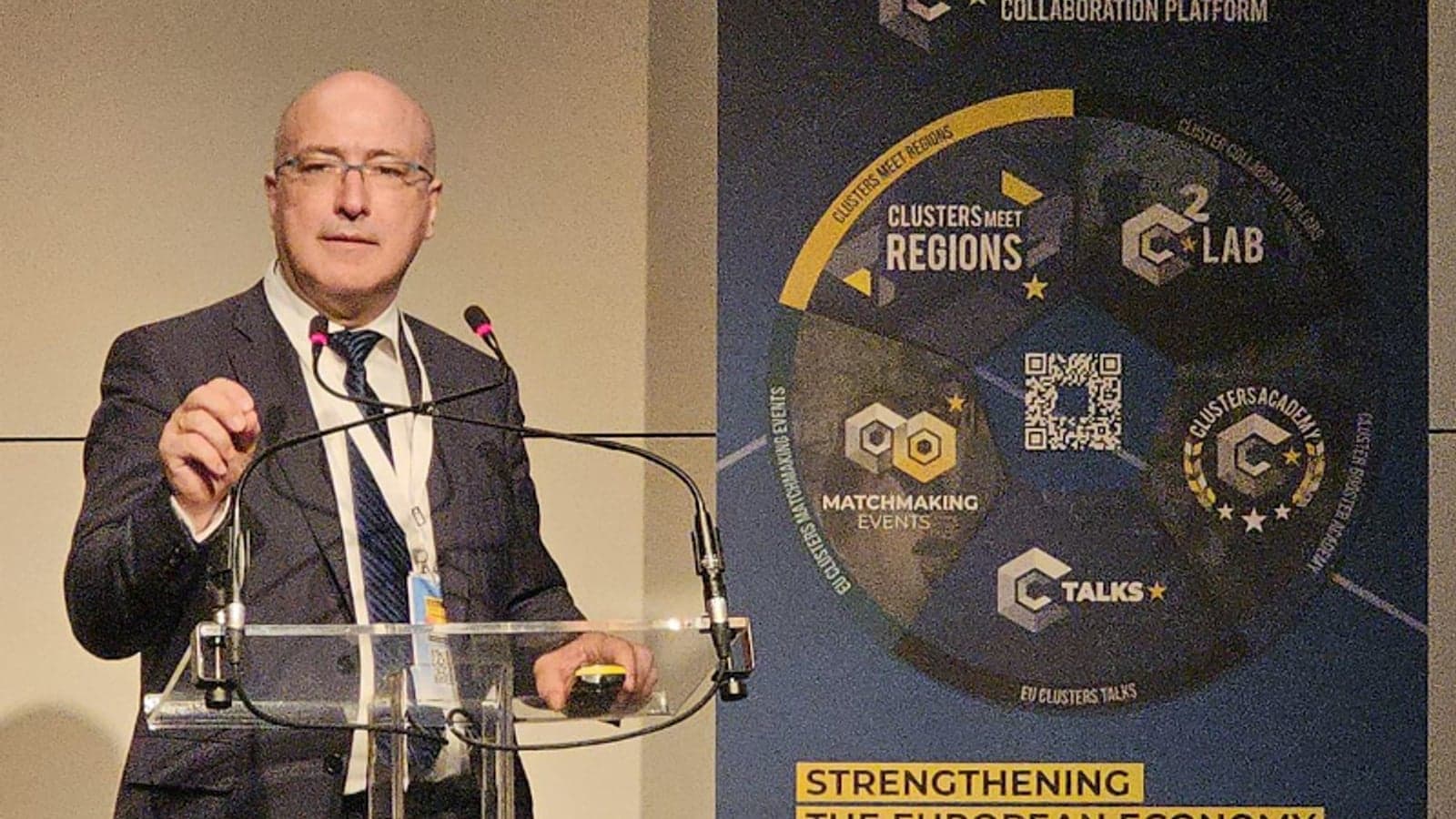
Insights from Jan-Phillipp Kramer, Team Leader 'Data & Policy' (ECCP), shed particular light on the power of cluster policies in driving this transformation. He emphasizes that competitiveness lies at the heart of clusters, and national policy plays a significant role in fostering this. Across Europe, a two-pronged approach is evident:
- Dedicated cluster policies: 14 EU member states, primarily in Central and Southern Europe, have implemented dedicated cluster policies. Belgium stands out with cluster policies enacted in all its regions. These policies often focus on transition challenges, such as the green transition.
- Catalonia (Spain): A longstanding cluster policy supports local business networks ("micro clusters") to enhance collective competitiveness.
- Baden-Württemberg (Germany): Their cluster policy evolves alongside the cluster landscape, focusing on mapping existing initiatives and professionalising cluster management.
- Broader policies with cluster elements: 13 other member states, mostly in Northern and Southeastern Europe, have broader sectoral policies that incorporate cluster elements.
- Malopolska (Poland): Cluster support is linked to the regional innovation strategy, connecting local clusters to the National Key Clusters program.
- Ostrobothnia (Finland): Clusters play a vital role in their Smart Specialization process.
Kramer's analysis underscores the effectiveness of dedicated cluster policies in enabling cluster organizations to address transition processes and foster economic competitiveness. These policies can particularly benefit the energy sector by:
- Green energy transition: Supporting the development of circular industrial ecosystems, energy and resource efficiency along supply chains, and green innovation.
- Digital transition: Facilitating digital adoption in SMEs, creating digital innovation ecosystems, and fostering cross-sectoral Industry 4.0 development.
- Resilience building: Enhancing supply chain resilience and diversification, promoting local reindustrialisation, and enabling resilient energy planning.
More insights from EU energy projects
Beyond dedicated policies
Kramer highlights the importance of broader economic policy challenges and how effectively they are addressed in conjunction with cluster policies. The data reveals a strong presence of cluster-related policies across the EU, with over 70% of European cluster organisations already receiving support. This support comes in various forms, with Cohesion Funds playing a vital role and offering flexible integration with cluster policies.
The power of networks
The emphasis on "Act Together" and "Join Forces" reflects the importance of collaboration within cluster networks. A presentation by the President of the European Cluster Alliance (ECA), Antonio Novo, resonates here, underlining the shift from project funding to nurturing innovation ecosystems. Building working groups focused on challenges, particularly those related to the green transition, is crucial. Internationalisation, skills development, and fostering innovation capacity through joint R&D projects and knowledge transfer are also key areas highlighted by Novo.
The event paints a clear picture: cluster policies and networks are critical drivers of Europe's green and digital transformation. By fostering collaboration, innovation, and resilience, clusters empower their members to navigate the challenges and seize the opportunities of a rapidly changing world. Dedicated cluster policies, coupled with broader economic policy considerations and effective integration with funding mechanisms, offer a potent recipe for a more competitive, sustainable, and resilient European economy.
Latest content
+2
Reclaiming energy sovereignty: the EU’s strategic response to a fragmented global order
Alexandra Garatzogianni, EUSEW digital ambassador, explains why energy sovereignty is vital for strengthening Europe’s resilience, advancing innovation and securing strategic leadership in a geopolitically volatile world.
- Guest/partner contributor
- 01/07/2025