Partner content
The future of district heating: A relay race to clean energy
Guest/partner contributor
Posted on: 26 November 2025
Decarbonising district heating is not a leap into the unknown but a measured relay race, with today’s gas-fired plants evolving into energy hubs that underpin a future powered by renewables and zero carbon fuels.

This transformation – starting with a coal-to-gas shift, advancing through increased flexibility, and culminating in hydrogen readiness – offers a clear, pragmatic pathway to decarbonisation.
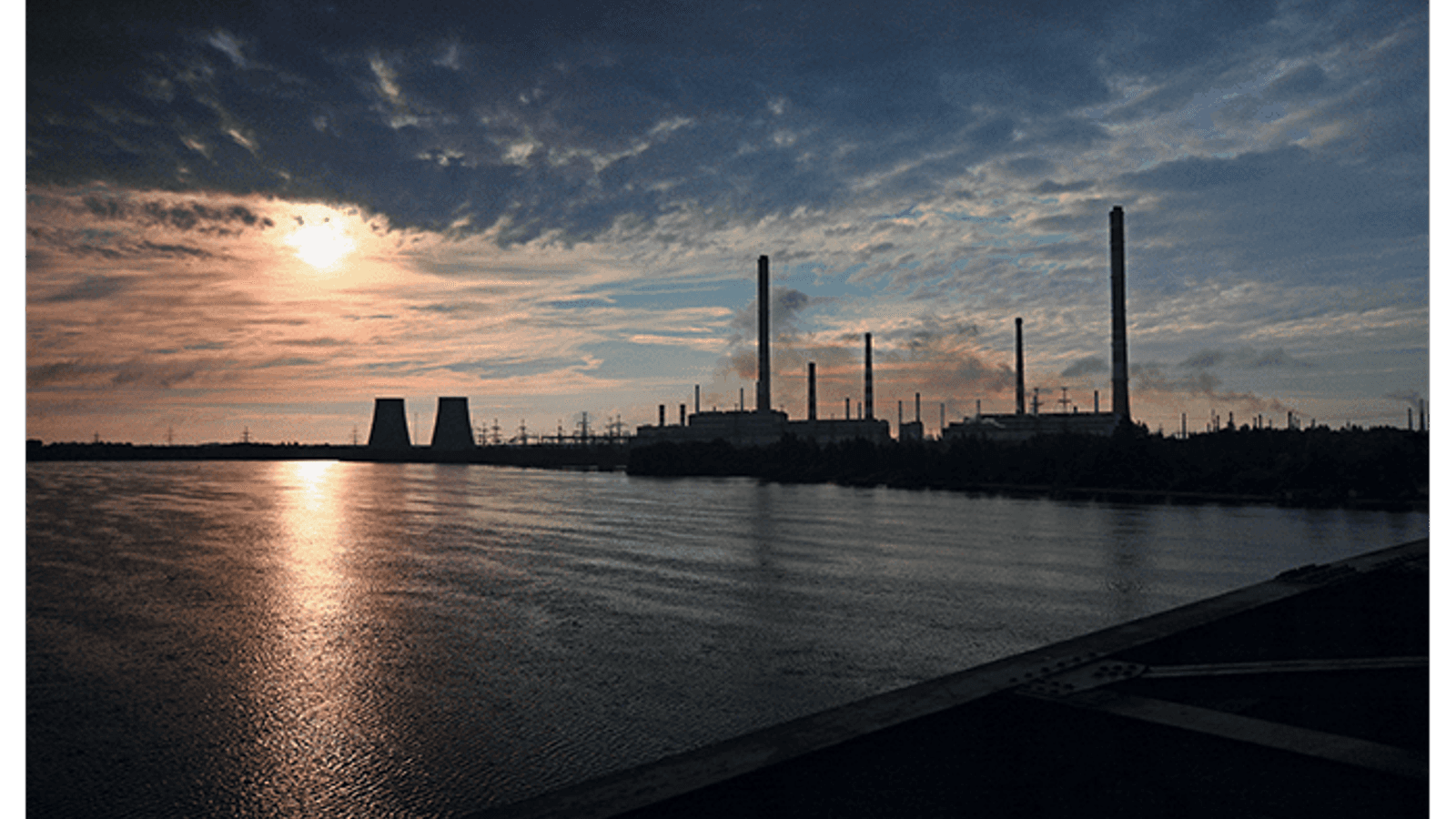
Coal-fired heating has long underpinned urban energy systems, yet its high CO₂ and pollutant emissions have become untenable under tighter environmental targets.
Shifting to natural gas yields tangible benefits:
- Emission reductions: Coal systems emit roughly 900gCO₂/kWh versus about 400gCO₂/kWh from modern gas-fired CHP units, thereby improving air quality and supporting public health and climate objectives.
- Enhanced efficiency: Conventional coal boilers operate at around 50% efficiency, whereas gas-fired CHP units – with waste heat recovery – deliver efficiencies between 80% and 90%.
- Economic and regulatory drivers: Across Eastern Europe, cities are retrofitting outdated coal plants with modern gas technology, often leveraging EU funds. In Poland, early transitions have unlocked new revenue from heat sales, electricity markets, and grid balancing while cutting carbon costs.
Passing the baton: Flexibility as a game-changer
In a relay race, precision in the handover is vital. Today’s flexible gas engines not only generate heat but also actively engage in electricity markets.
Market optimisation
Beyond heat generation, these systems provide ancillary services such as frequency control and reserve capacity. Projects like the Skagen initiative have demonstrated that flexible gas-fired CHP can reach full load in just two minutes, stabilising the grid and generating revenue.
Policy support for flexibility
European and national policies now drive market flexibility by setting binding renewable targets and streamlining permitting processes. Recent capacity market reforms reward rapid ramping and ancillary services – key for integrating variable renewables and maintaining grid stability.
Initiatives like the proposed Industrial Decarbonisation Bank, a revamped Innovation Fund and a simplified state aid framework are de-risking and financing multi-functional district heating and cooling networks.
Real-world success
Projects in Ringkøbing, Denmark (2021), Citigen in London (2022) and the McAlpine Creek Wastewater Management Facility in the USA (2020) illustrate this evolution. In Poland, modern gas systems in district heating are already paving the way for rapid decarbonisation and enhanced operational resilience.
Preparing for the final leg: Future-proofing with hydrogen
In a relay race, the final baton pass must secure the win. Preparing systems for tomorrow’s fuels is essential.
Hydrogen‑ready solutions
Many gas engines currently support up to 25% hydrogen blends. Wartsila will offer full hydrogen-ready engines in 2025. This ensures that near-term investments remain robust as the energy landscape shifts.
Policy and investment trends
Evolving regulatory frameworks across Europe now mandate that new installations be' future-proof.’ In Germany and the Czech Republic, policies require new district heating assets to be hydrogen-ready, ensuring that today’s retrofits can evolve with tomorrow’s low carbon technologies.
A gradual transition: The shift to zero carbon is incremental
Like a smooth baton handover, gradually increasing hydrogen content provides a controlled means to lower emissions without disruptive changes.
Conclusion
Decarbonising district heating is a relay race – each phase handing over seamlessly to the next. From the immediate gains of a coal-to-gas switch, through flexible systems that support renewable integration, to hydrogen-ready solutions safeguarding future investments, this staged approach delivers both short-term benefits and long-term resilience. It builds a robust, agile infrastructure capable of meeting evolving challenges.
The strategy is evident in this race: clear the air, pass the baton precisely, and finish by future-proofing the energy supply. With evolving policy frameworks and targeted investments ensuring new installations are hydrogen-ready, today’s retrofits remain viable as the market shifts, ultimately paving the way for a sustainable, zero carbon future.
About the author
Louis Strydom, Director of Growth & Development for Europe and Africa at Wärtsilä, has over two decades of experience in infrastructure development across Africa, the Middle East, Europe and Asia. His diverse career includes significant roles in project development, investment, and strategy. At Wärtsilä, he is at the forefront of strategic and value-creation initiatives, driving the energy transition with a keen understanding of the infrastructure development value chain.
About the company
Wärtsilä Energy is leading the transition towards a 100% renewable energy future. We help customers and the power sector accelerate decarbonisation with market-leading technologies: flexible, future-proof engine power plants, energy storage and optimisation technology, and lifecycle services. We have delivered 79 GW of power plant capacity and 130+ energy storage systems in 180 countries.