Partner contentGeneration
The future of sustainable deionisation vs mixed bed systems
Guest/partner contributor
Posted on: 17 November 2025
Yasmin Refaei, Director of Sales at Xylem, explains how advanced technologies such as continuous electrodeionisation for ultrapure water generation can help boost efficiency and sustainability.
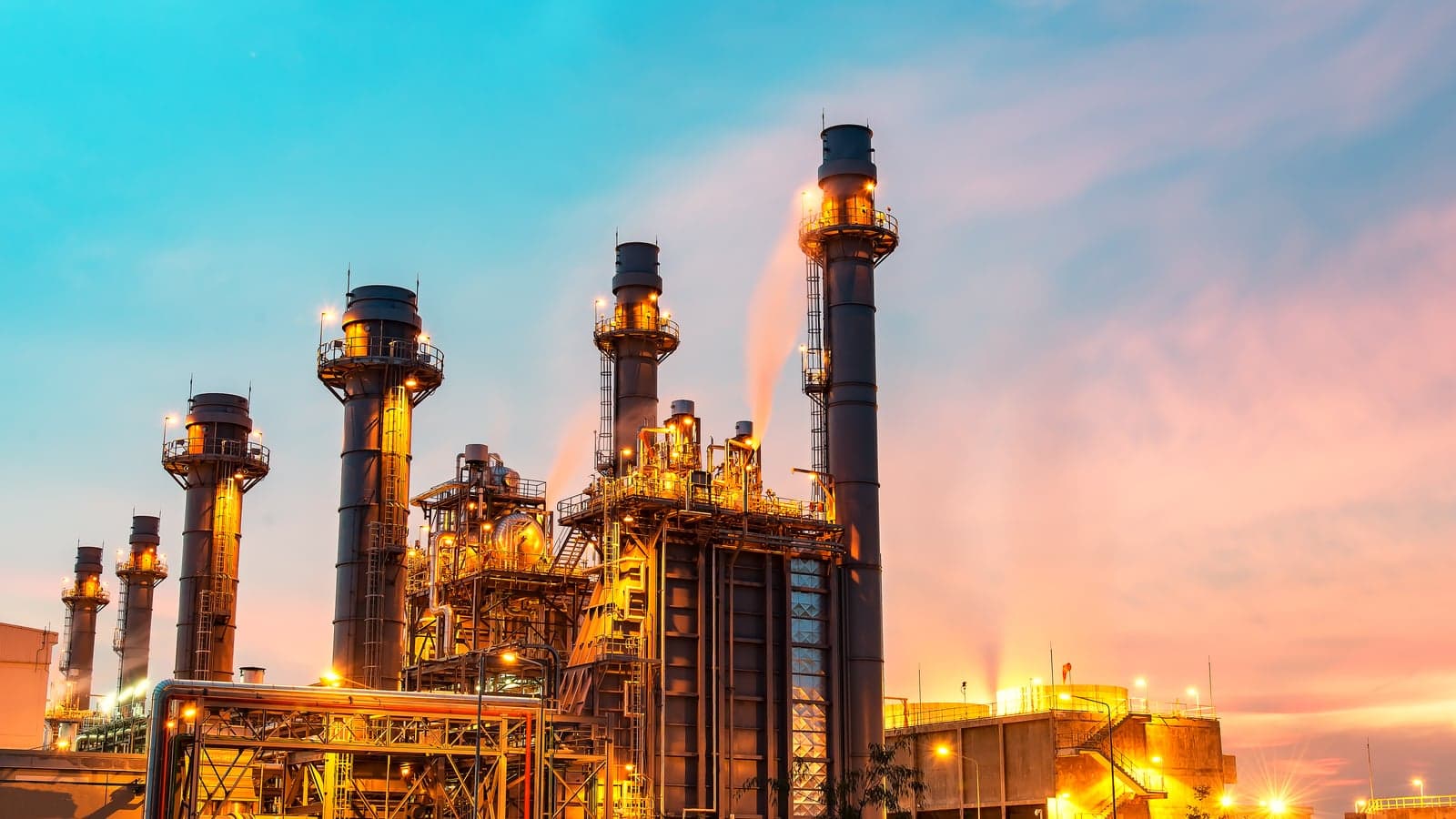
Power generation is one of the world’s most water-intensive industries. For many plants, production requires huge volumes of water for cooling, boiler feedwater and other processes. The right technology solution can therefore make a significant difference to water consumption and reuse, as well as offer wider energy, cost saving and efficiency gains.
One example of this is the generation of ultrapure water, which is critical for operations. Deionised water is used as makeup for boilers and to produce steam to drive turbines. Without it, contaminants in untreated water can cause scaling and corrosion, leading to reduced efficiency in boilers and turbines. Ultimately, this reduces service life and can lead to system failure and plant downtime.
Traditionally, power plants have used mixed bed systems to produce ultrapure water. This chemically regenerated ion exchange process uses ion-attracting resins to remove contaminants. It involves a regeneration process, which has to take place regularly as the resins become loaded with contaminants and lose their effectiveness. Regenerating these resins consumes both caustic and acid – hazardous substances that require special storage and handling – and creates a waste stream to manage.
Today, continuous electrodeionisation (CEDI) systems provide a sustainable alternative for water purification, helping plants enhance environmental performance while reducing safety risks and lowering lifecycle costs. This electrochemical process uses self-regenerating ion exchange resins to produce ultrapure water, maintaining consistently high purity without the need for chemical regeneration.
A sustainable way forward
When it comes to increasing sustainability, CEDI is a game changer. By eliminating the need for traditional ion exchange resin beds and chemical regeneration, it significantly reduces chemical usage. The process also minimises waste handling – instead of being transported offsite, waste streams can often be managed internally and, in some cases, treated for reuse. Unlike mixed bed systems, CEDI requires no backwashing, reducing both water consumption and waste. In fact, wastewater from CEDI systems can be recycled back into the feedwater supply, maximising efficiency and resource recovery.
In addition, a CEDI system has a much smaller footprint for the same flow rate than large mixed bed systems. This saves space, reduces engineering and construction requirements, and eliminates the need to find storage room for chemicals.
In fact, at all points throughout a CEDI system’s lifespan it’s a more sustainable option for power plants than traditional mixed bed systems. This includes ongoing maintenance requirements. With CEDI this is significantly reduced, as there is no need for daily maintenance and specially trained staff to dose chemicals. It also results in less downtime compared to older systems with regeneration or exchange cycles.
Safer operations
One of the key benefits of CEDI is that it’s safer for the workforce and the environment. The hazardous chemical storage and handling that’s required with mixed bed systems is a significant safety risk. With CEDI, and no need for chemical regeneration, plants can switch the focus from mitigating this risk to eliminating it. This also serves to protect the environment, as there is no risk of chemicals entering the local water.
Cost optimisation
CEDI systems are not just operationally superior, they are more cost-efficient long-term. Opex is low thanks to its energy efficiency, low maintenance requirements and chemical free process. When compared to mixed bed deionisers, Xylem’s Ionpure® CEDI systems offer annual cost savings as high as 77%. They are also far more cost-efficient than rental units too, offering up to 91% annual opex savings.
A more efficient future
As the cost of chemicals and waste processing continues to rise and safety concerns of handling hazardous chemicals face the spotlight, operators are seeking new ways to generate ultrapure water. With CEDI it’s possible to achieve a consistent flow of superior quality water, while significantly improving safety, costs and deliver much-needed sustainability benefits.
It’s time to demand more from your deionisation technology.
For more information, click here.