The role of circularity in decarbonising copper
Guest/partner contributor
Posted on: 26 November 2024
We must rethink how we extract and process materials like copper| reducing carbon intensity and closing the loop through circularity.
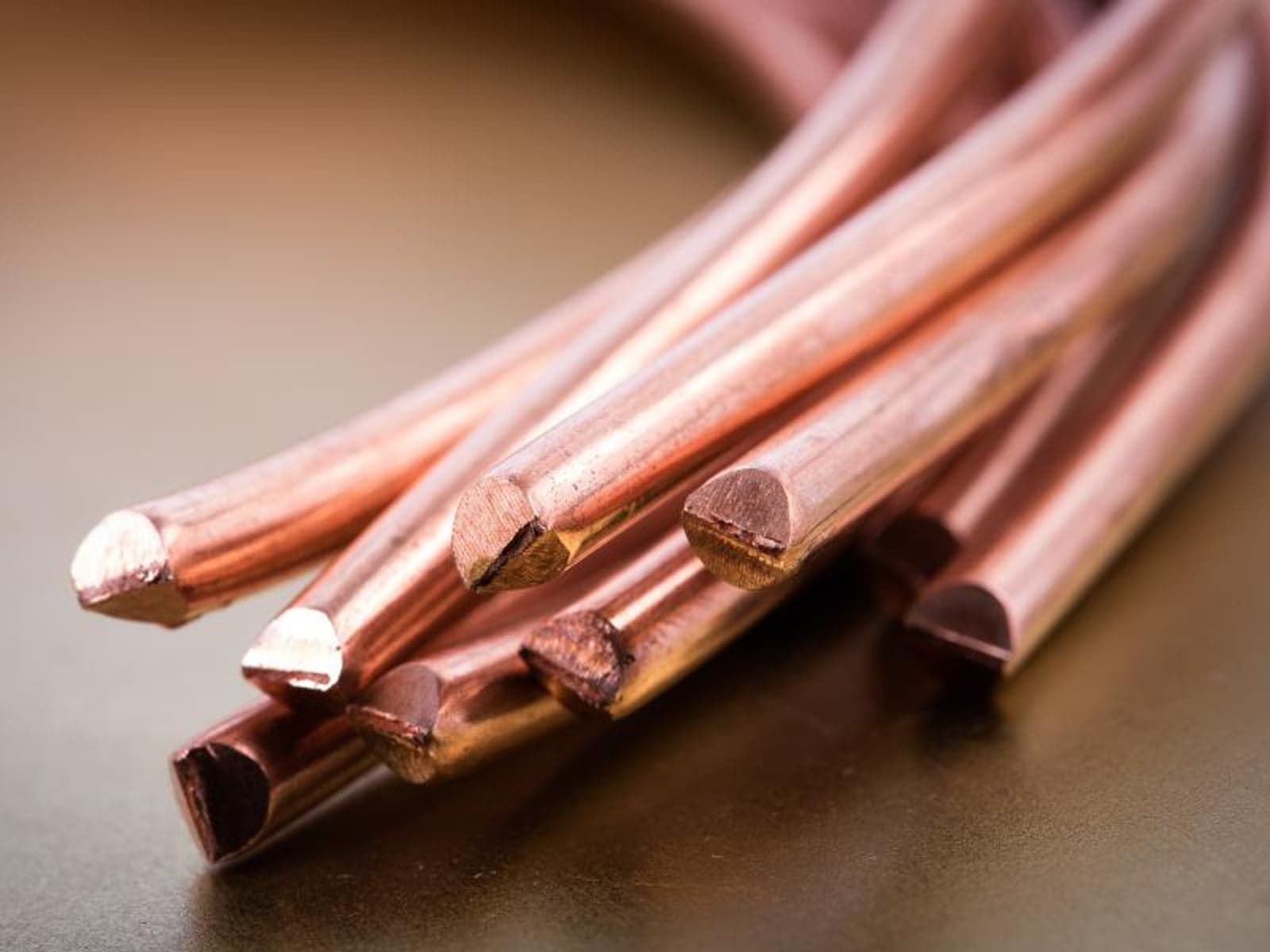
As industries accelerate the energy transition, demand for metals like copper, which are critical to building low-carbon technologies, continues to grow. This makes decarbonising copper essential.
By John Kwarta, Global Executive at Schneider Electric
The way we currently extract and process copper is deeply carbon-intensive, contributing to the mining sectors 7% share of global CO2 emissions.
With the UN Environment Program projecting that resource extraction will increase by 60% by 2060, there’s a clear need to find more sustainable ways to meet this growing demand.
We must rethink how we extract and process materials, reducing carbon intensity and closing the loop through circularity. Circularity offers a way to break free from the traditional take-make-dispose model, instead focusing on ‘using better, using longer and using again’ for the life cycle of materials.
Automation plays a pivotal role here, allowing industries like mining to make informed, data-driven decisions that optimize operations and decarbonize critical mineral supply chains.
The importance of copper in the energy transition
Copper is vital for technologies that are cornerstones of the clean energy transition, such as electric vehicles, wind turbines, and solar panels. According to the Royal Society of Chemistry, around 347,000 tonnes of copper will be needed by 2030 to meet wind turbine and solar panel demands – equivalent to the weight of about 34 Eiffel Towers. Research also indicates that nearly a tenth of this copper could be supplied from unused electronics sitting in the UK’s homes and offices.
Have you read?
Can rocks in a box revitalise European industry?
CRH builds wind farm to power cement plant in Romania
Yet, this urban ‘mine’ remains untapped while we continue to extract copper through carbon-intensive processes that cause significant environmental harm.
If these recycling efforts in a smaller market like the UK could provide a tenth of the copper needed, imagine the impact of scaling urban mining globally. The potential of recycled copper could dramatically reduce our reliance on new extraction, helping to meet the global demand for copper while minimising the carbon footprint of extraction.
Circularity: The answer to sustainable copper supply chains
Circularity provides a pathway to address this challenge.

At Schneider Electric, copper is a critical material that’s embedded in our operations, products and solutions. By embracing circularity, we can ensure the copper we use is sourced and processed in a way that reduces environmental impact. This means prioritising materials with high recycled content and creating systems where resources, like copper, can be reintroduced into the supply chain after their initial use.
Our collaboration with Glencore exemplifies how circularity can be put into practice. Together, we are envisioning to source recycled copper and create a closed-loop system where copper can be reutilised.
We are also looking at ways to integrate end-of-life take-back initiatives, ensuring that once copper has served its purpose in our products, it can be returned for recycling and re-entry into the supply chain. This creates a closed-loop system that minimises the need for virgin copper extraction, reducing carbon emissions and strengthening supply chains. (WEF Circularity Lighthouse Example)
The role of digitisation and automation in circularity
As the world continues to shift toward renewables, the demand for metals like lithium, cobalt, and rare earth elements will grow. This means that circularity and automation aren’t just solutions for copper mining operations and supply chains.
Instead, they are frameworks that can be applied across the entire mining sector. As the industry works to align with global climate goals, circularity is proving itself to be a vital pathway to achieving net-zero emissions. The use of recycled materials, efficient energy management, and automation are all tools that can help mining companies reduce their carbon footprints and contribute to global decarbonisation efforts.
Digitisation and automation are the glue holding this circular system together. Without them, the complexity of managing and optimising circular supply chains would be nearly impossible.
Read more:
Report highlights risks of pumped hydro at mine sites in Australia
Gravity energy storage planned for coal mine in Sardinia
Glencore, for example, is leveraging digital automation technologies to increase the efficiency of its copper operations, especially in energy management. By integrating advanced control systems and predictive analytics, companies gain real-time insights into energy consumption, material use, and equipment performance. This allows companies to make data-driven decisions that optimise resources and reduce emissions at every stage of the mining process.
Additionally, Glencore is developing digital twins and IT/OT Corporate Standards that offer a clearer view of operational data, making it easier to streamline processes and cut emissions. These digital tools enable precision in recycling and material recovery, ensuring fewer resources are wasted. In industries like mining, maintaining efficiency is critical as the industry works to minimise its environmental and financial risks, such as those associated with potential regulatory penalties for harmful practices, like brown penalties. Therefore, focusing on resource optimisation helps ensure that these challenges are effectively managed.
Beyond automation, this partnership involves other initiatives aimed at improving circularity. This includes consulting on process electrification and sustainable procurement practices to lower CO2 output, developing specifications for low-carbon capital equipment, and enhancing energy reporting.
By designing and deploying energy management systems equipped with measurement and analytics, companies can accurately monitor consumption and explore new areas for energy efficiency savings, such as fuel switching. Additionally, the use of industrial digital transformation services and advanced simulation tools helps ensure the power distribution network can adapt to evolving energy demands without disruptions, particularly as renewable energy adoption grows.
The future of mining
As we look to the future, it’s clear that the mining industry will continue to face pressure to innovate and adapt to changing demands. The shift toward a circular economy will require collaboration across industries, and automation will play an essential role in making this shift possible. By embracing these changes, mining companies can reduce their environmental impact without compromising growth or efficiency.
Our collaboration with Glencore is more than just a partnership; it’s an example of how collaboration between supply chain partners could influence a sustainable future of mining. By integrating circularity, digitisation and automation, we are helping to create a mining industry that is more sustainable, efficient, and resilient. The journey toward a decarbonised mining sector is just beginning, but with the right strategies in place, we can make significant progress.