Time to redefine energy security in an era of renewables - IRENA
Pamela Largue
Posted on: 17 April 2024
With increasing energy demand and increased competition over resources| it's critical to manage geopolitical dynamics in a holistic way.
The energy transition and shift to renewables requires a new interpretation of the concept of energy security, according to a new report by the International Renewable Energy Agency (IRENA).
The report, Geopolitics of the energy transition: Energy security, calls for a 'multi-dimensional energy security concept'.
Furthermore, the report acknowledges that with increasing energy demand and increased competition over resources, it's critical to manage geopolitical dynamics in a holistic way that encompasses technologies, value chains and societies.
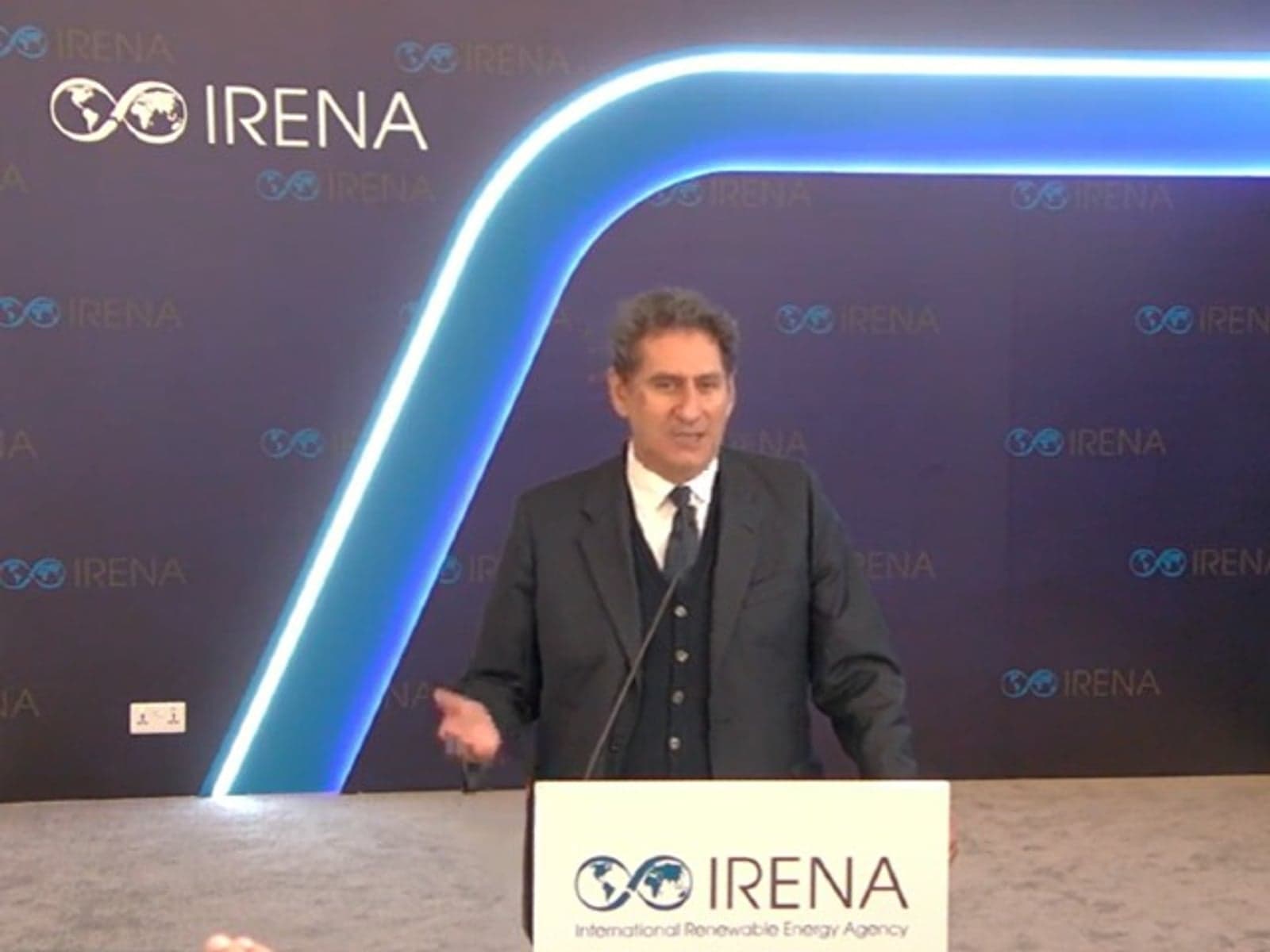
IRENA director-general, Francesco La Camera, commented in a release: “While lessons from the fossil fuel era can inform some aspects of the transition, a holistic approach that considers the unique attributes of renewables and modernises economic, social and diplomatic strategies is necessary.”
Have you read?2023 saw a record but uneven growth in renewables – IRENAYouth entrepreneurs honoured by IRENA
He added that, “The evolving energy system calls for a security strategy that integrates environmental concerns, economic trends and social ramifications. Technologies, not fuels, are the centerpiece of the new energy system. By revisiting traditional security approaches and identifying emerging factors, this report seeks to equip policy makers with a better understanding of energy security in the era of renewables.”
IRENA makes several recommendations regarding the evolution of energy security in a renewables-based era:
- Resilient technology supply chains must be developed in both developed and developing countries.
- Deploying renewable infrastructure will require security and political considerations, to maximise resilience against extreme weather events, cyber threats and physical attacks.
- Human security must be prioritised to minimise energy poverty and economic marginalisation.
- The effects of climate change need to be included in energy security considerations, with strategies leveraging renewables to spur climate adaptation.
- Managing the geopolitical implications of increasing energy demand must be done in a way that mitigates competition over resources.
As the world works to increase renewable capacity to 11TW by 2030, the report predicts that major geopolitical shifts will result. These shifts will ultimately reshape the geopolitical landscape, influencing energy trade and altering international dependencies.
IRENA’s Annual Assembly
The report was launched at IRENA's fourteenth session of the Assembly held between 17 and 18 April in Abu Dhabi, UAE.
The Assembly has welcomed over 1,400 energy leaders from IRENA's global membership to unify global efforts and spur political momentum towards achieving energy system transformation.