Partner content
Turning flexible thinking into action for Europe’s energy transformation
Guest/partner contributor
Posted on: 19 December 2025
Flexibility was not just a buzzword at Enlit Europe 2025, it was a strategic imperative, writes Oonagh O’Grady of Hydrostor.
When I published my first op-ed ahead of Enlit Europe 2025, I argued that a flexible grid requires flexible thinking. That message resonated strongly at this year’s event in Spain. The conversations, panels and presentations underscored one truth: Europe’s energy transition is accelerating, but the path forward demands more than ambition. It requires action.
Enlit Europe 2025 brought together thousands of stakeholders from across Europe with storage and flexibility dominating the agenda, reflecting the growing recognition that wind and solar power alone cannot deliver reliability or fully realise the low cost benefits of the technologies without complementary enabling solutions.
I found three core themes stood out. Grid flexibility is non-negotiable. The shift to variable renewables is exposing system vulnerabilities that only dispatchable flexible resources can address. A range of new technologies are gaining traction as well as reinvigoration of existing ones, recognising the fact that no single solution can solve all the problems. From pumped hydro and compressed air to hybrid storage and digital optimisation, diversity is key. Regulatory uncertainty remains a barrier. Fragmented frameworks and slow market reforms continue to hinder investment in flexibility services.
Among these, the sentiment was clear: collaboration between utilities, TSOs and technology providers is intensifying, but progress still lags behind ambition. Our new white paper, From Ambition to Action, served as a cornerstone for many conversations and emphasised recommendations to increase progress for long duration energy storage through:
- Robust duration aware modelling: European grids should employ sophisticated modelling techniques to determine future system needs. These models must differentiate between short and long duration storage solutions, associated costs, asset lifetimes and directly inform resource procurement and development.
- Substantive investment signals: Establish LDES-specific targets (e.g. 8+ hour duration) and develop a transparent procurement schedule open to diverse technologies across multiple procurement rounds.
- Long term revenue certainty contracts: Because markets don’t currently value LDES for their entire offerings, out-of-market contracts such as a ‘cap-and-floor’ mechanism need to be adopted to ensure revenue adequacy for LDES projects.
These recommendations were echoed repeatedly during panels and discussions across a diverse range of LDES technology developers, reinforcing that the industry knows what needs to be done. The challenge is doing it. Policy is the enabler to getting it done.
Several insights from the event validate our position. Energy storage is moving mainstream and Interest in long duration solutions is growing as Europe seeks resilience beyond lithium-ion. Policy alignment is critical and without harmonised regulations, flexibility markets will remain fragmented and inefficient. Collaboration is the new currency and cooperation between technology providers, utilities and governments are essential to scale solutions quickly. These takeaways underscore a simple truth. Flexibility is not a technical challenge alone; it’s a systemic one.
While the conversations at Enlit Europe were encouraging, Europe cannot afford to linger in discussion mode. The next 24 months are pivotal. The recent publication of the European Commission’s Grids Package, the new EU plan to revolutionise Europe's ageing grid infrastructure, is a long overdue move in the right direction. Europe is finally beginning to treat energy affordability, security and independence with the seriousness it deserves.
The Grids Package focuses on three main areas:
- EU level planning to avoid the 27 EU countries pulling in different directions;
- Streamlined permitting for grid infrastructure and importantly storage;
- Ensuring that security is part of the planning of projects, amid growing threats to EU energy infrastructure.
While it is a step in the right direction, the lack of reference to LDES in the Grids Package illustrates the need to present LDES as a critical solution that enables the objectives of the EU Commission – focus on strengthening infrastructure security and resilience.
But to unlock LDES as a solution and meet these objectives without compromising reliability or affordability, market reforms, investment signals and appropriately designed procurement processes must materialise.
Industry leadership will play a critical role in shaping policy and driving innovation, and we stand ready to collaborate with stakeholders across the value chain to bring experience and lessons learned from other jurisdictions to turn flexible thinking into tangible outcomes.
For a deeper dive into our recommendations, download our white paper, and join the conversation on shaping the future of energy transformation in Europe.
You might be interested in:
Why storage is the missing piece in Europe’s energy transformation
You can’t build a flexible grid without flexible thinking
About the author
Oonagh O’Grady is Vice President of International Origination at Hydrostor. With 20 years in energy and infrastructure, she brings expertise in low carbon technologies, policy and strategic development.
About Hydrostor
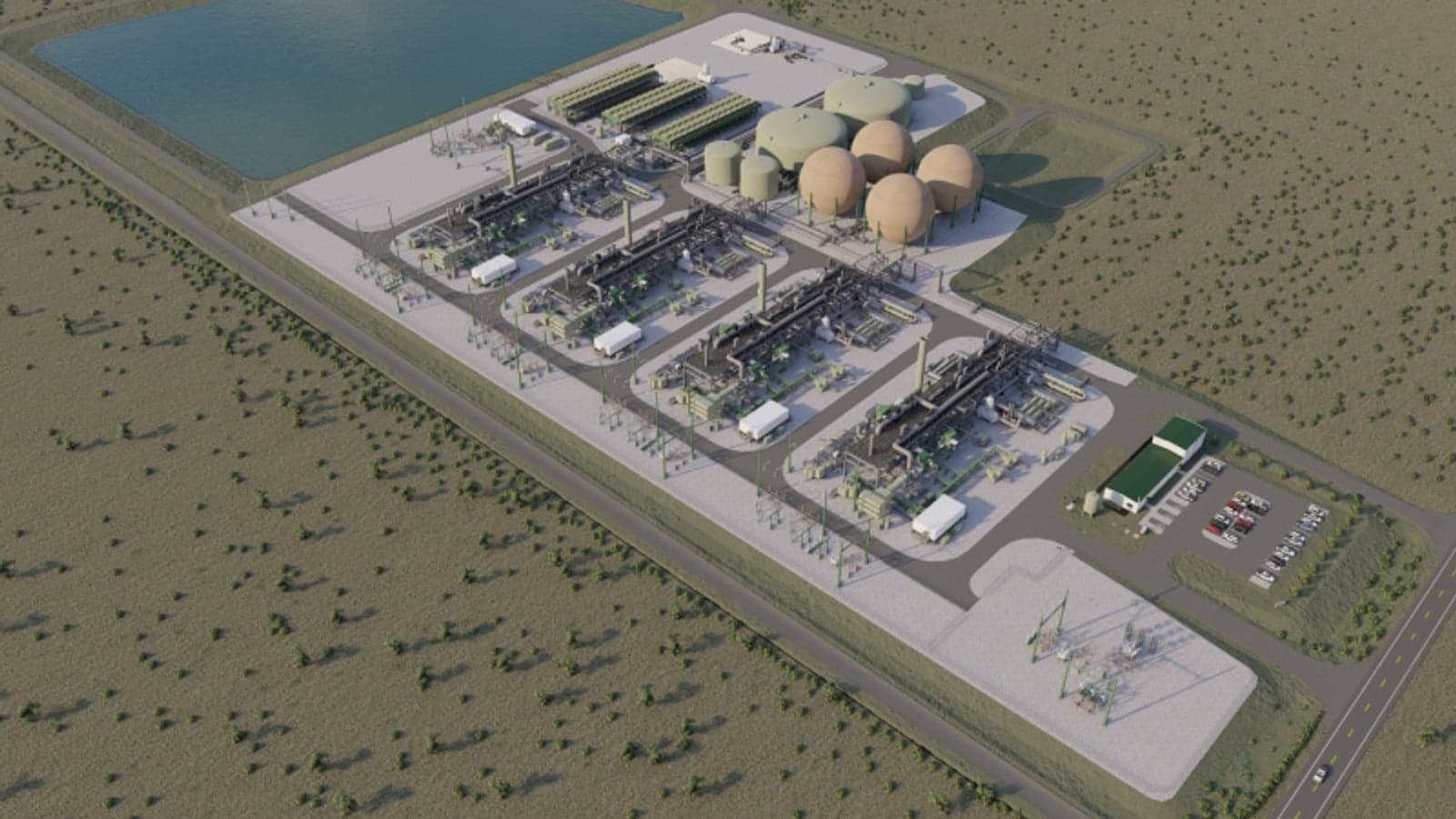
Hydrostor is a global leader in long duration energy storage, delivering utility-scale solutions using its patented advanced compressed air energy storage (A-CAES) technology. With offices in Toronto, Denver, Melbourne, and Adelaide, Hydrostor is progressing a 7GW pipeline of projects globally that provide zero emission, flexible and durable storage to support grid reliability and renewable energy integration.