Vattenfall presents a unique connected lighting system for municipalities
Guest/partner contributor
Posted on: 17 June 2022
Vattenfall, a major European energy company, presents a unique connected lighting system for municipalities based on G3-PLC powerline communication.
Vattenfall, a major European energy company, presents a unique connected lighting system for municipalities based on G3-PLC powerline communication.
Making streetlights ‘smart’ involves more than just the possibility to control them remotely. ’Smart’ in the first instance only describes introducing the ability to interchange data between various entities in a wider system. However, it paves the way to use an already existing and widespread infrastructure as an enabler for smart city applications.
In its simplest form, it allows the lamps to report lamp- or power supply failures. This reduces maintenance costs for municipalities which is a considerable cost factor compared to the power consumption. Moreover, there are other ways to further reduce costs or to add additional value to the streetlights. Municipalities can take a more dynamic approach to control on/off times e.g., based on location, for example near parks or alleyways, or weather conditions.
Moving away from the lighting-centric applications one can think of traffic- or pollution monitoring or even emergency and safety applications. Vattenfall has developed and installed such a system for connected lighting that uses the existing infrastructure for communication.
Vattenfall: Dynamic Grid Control
Dynamic Grid Control is a unique technology developed by Vattenfall for connected lighting. Control systems are installed in each lighting pole and each pole is assigned a distinctive IP address. The lighting can be controlled at both group and individual level and light intensity can be managed on individual lighting poles. Optimised lighting schedules can be set for different types of areas such as city centres, industrial areas, and parks.
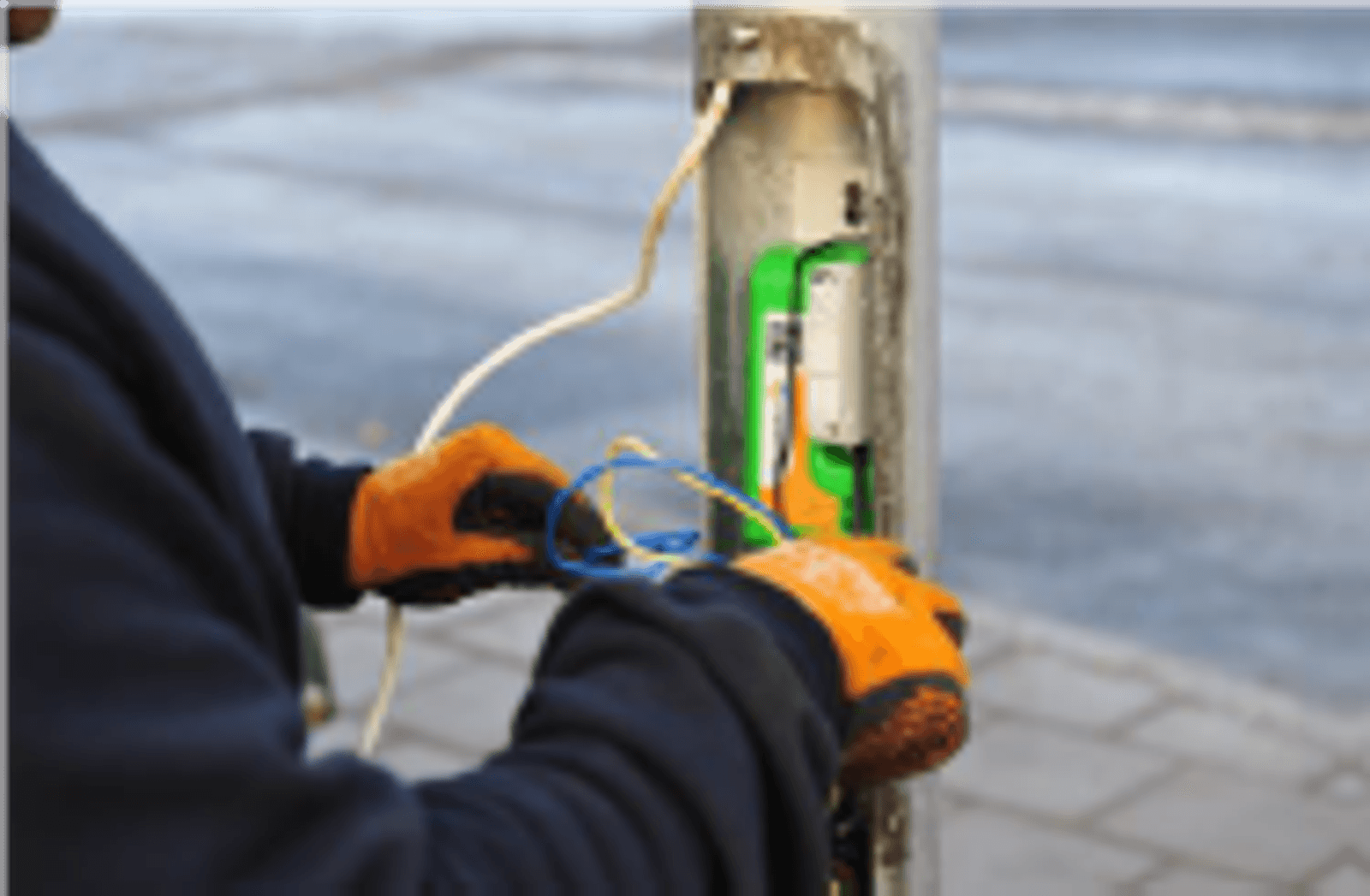
The system greatly simplifies operations and maintenance of the lighting infrastructure. This is achieved using a web interface with functions such as detecting phase faults, faulty drivers/fittings, and line breaks. It directly and automatically reports errors, not only via the web interface but also via integration with Case Management Systems.
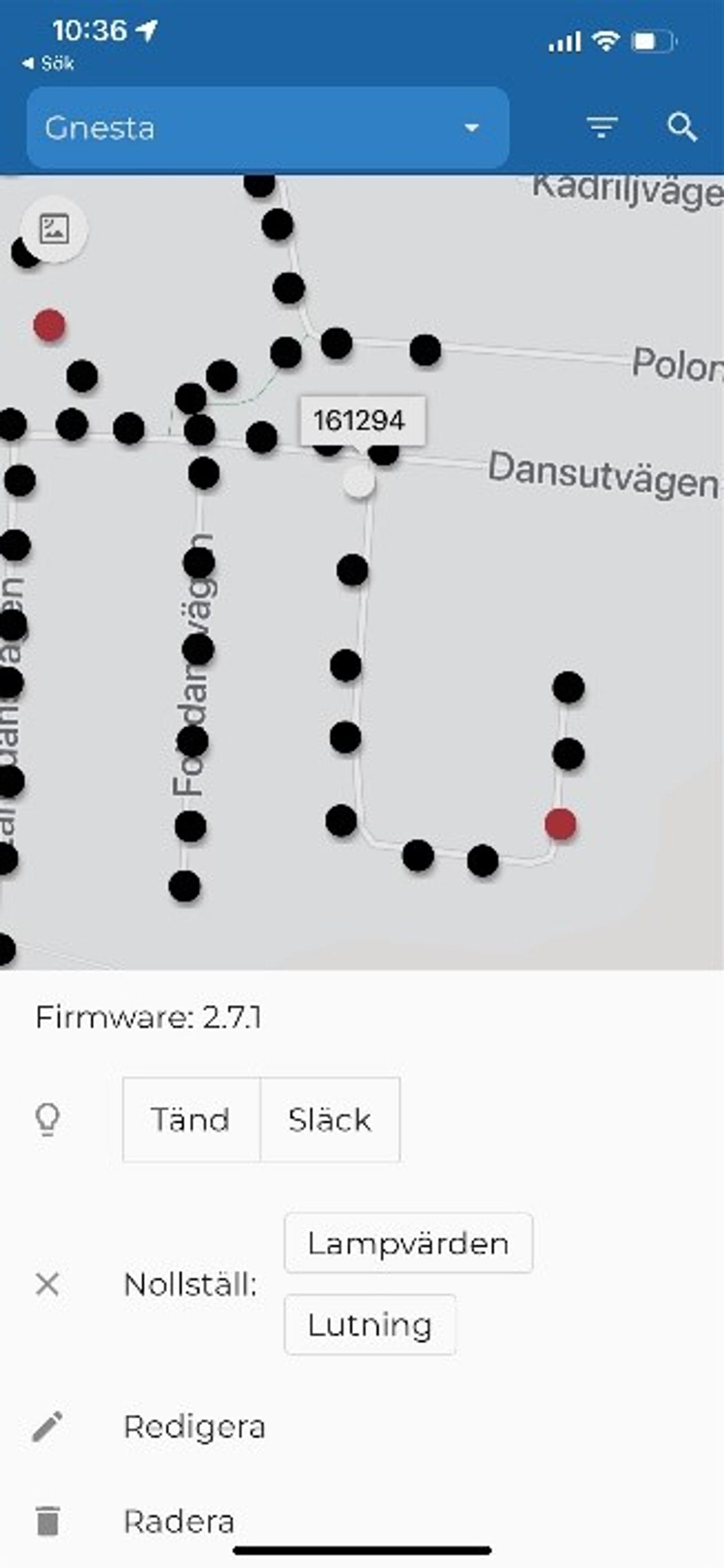
Detailed information is provided for each light point such as lamp health and all light points are easy to manage using the website and apps. Electricians only need to go to poles that indicate a fault, hence visual inspections can be limited to once a year.
Dynamic Grid Control creates the conditions for energy efficiency of the lighting network, which reduces costs and helps municipalities achieve their environmental goals. Communication with each light point enables many new functions. There are endless possibilities for additional functions for example charging electric vehicles, camera surveillance, and environmental monitoring.
G3-PLC communication
Communication with each pole uses G3-PLC technology. G3-PLC is a state-of-the-art, field-proven, and robust PowerLine Communication standard designed for smart grid applications that dramatically extends the range, data rate, and performance of powerline communications. It uses the existing infrastructure for communication and is very cost-effective.
G3-PLC powerline communication is the natural choice for connected lighting and it has several advantages over wireless communication systems. Like wireless, no new wires are required. Though, with PLC, communication is maintained even underground, through walls, and around corners. G3-PLC has no line-of-sight limitation and is not affected by the weather. Additionally, since PLC uses the powerline, it can detect when there is a line break and its approximate location.
Read more: Certification: a key requirement for any DSO
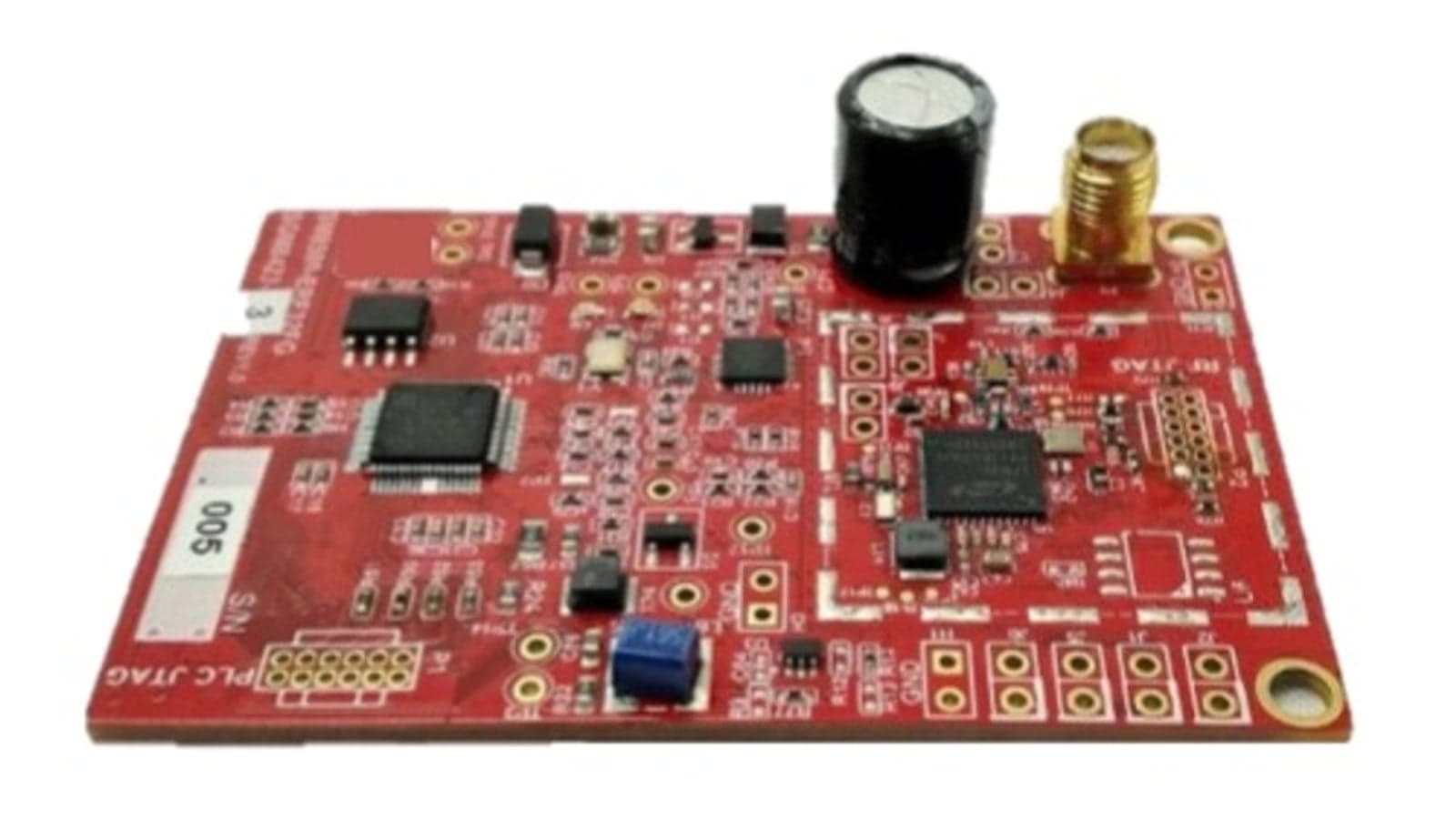
The Dynamic Grid Control system from Vattenfall is now operational in four municipalities in Sweden. The largest installation covers more than 1300 connected poles and is still growing. Response times vary but can be as low as 0,1 seconds in small networks (tens of devices). The gateways are installed in substations and each light pole functions as a repeater. This way light poles over 1 km away from the gateway can easily be reached. All nodes are equipped with communication modules based on Renesas’ G3-PLC solution. The PLC bandplan used is FCC which provides the high throughput and low latency required for these types of applications.
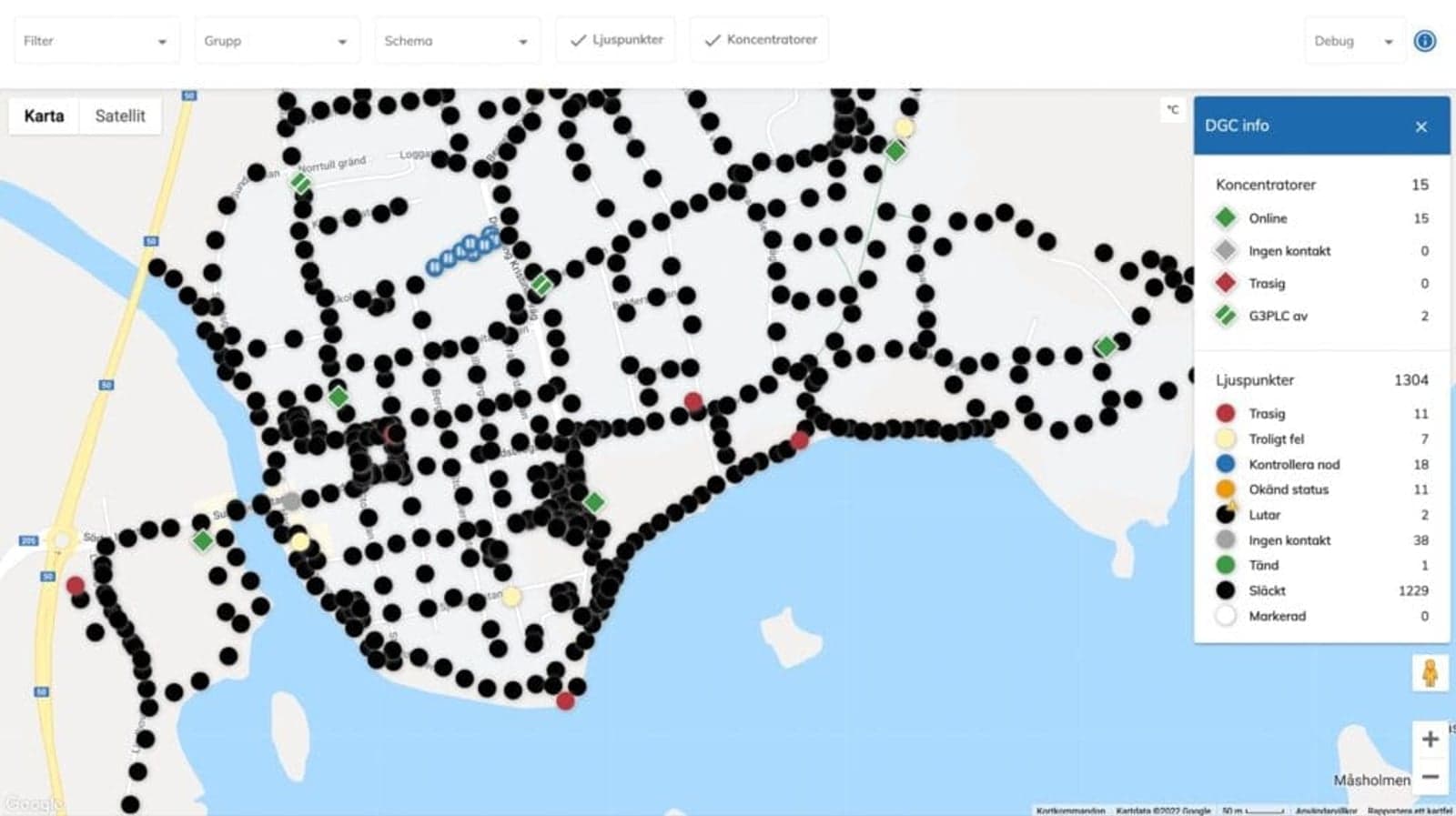
Vattenfall offers very interesting business models to support municipalities and will further expand its solution in Sweden and beyond.
For more information from Vattenfall, visit www.vattenfall.se/foretag/energilosningar/network-solutions/kontakta-oss/ or regarding G3-PLC, email [email protected].