Wärtsilä to trial ethanol-fuelled engine for power generation
Pamela Largue
Posted on: 28 March 2025
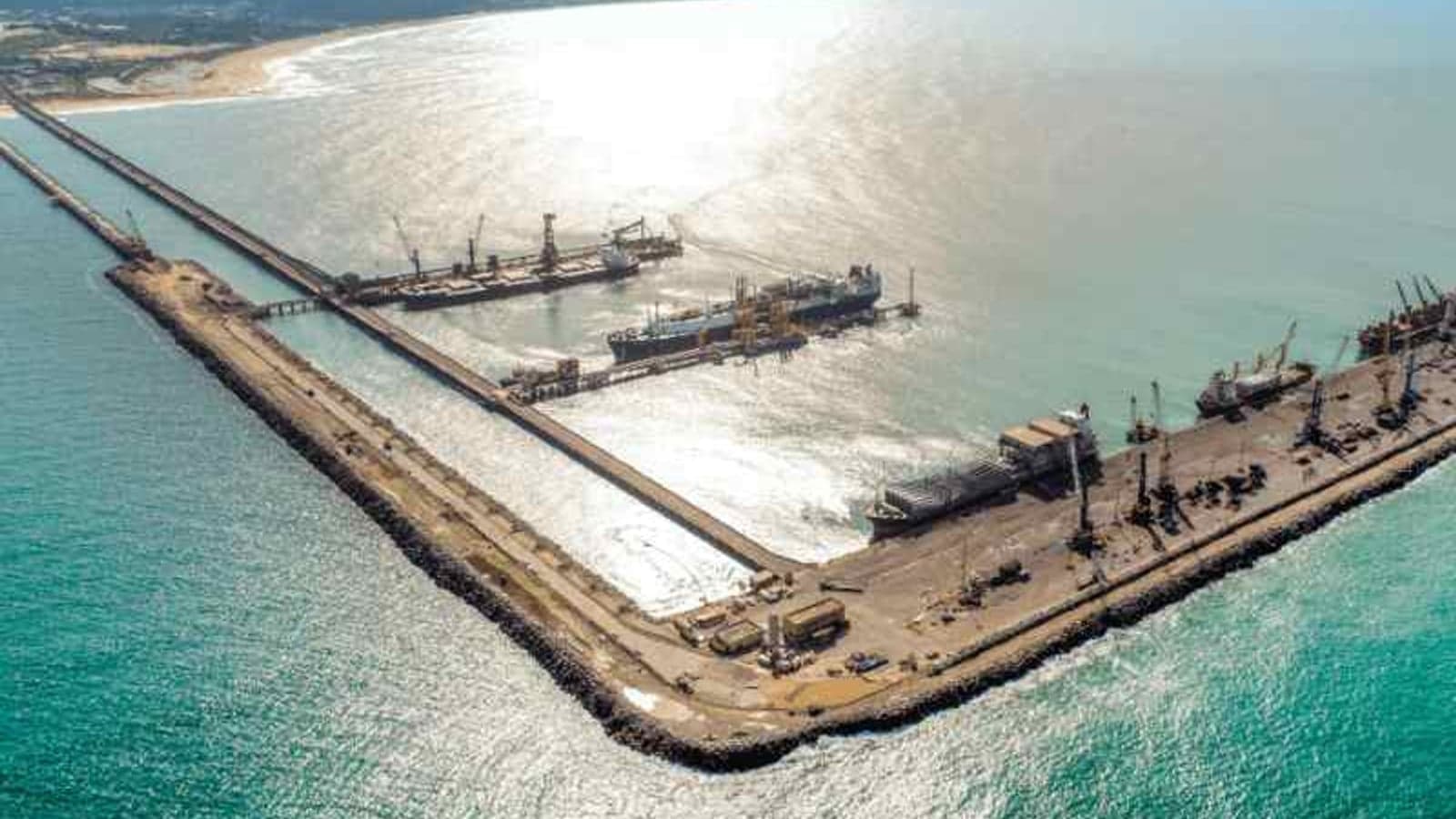
The trial| hailed as world-first| will be conducted in partnership with Energetica Suape II S.A and will take place at the Suape II power station in Recife| Brazil.
Technology company Wärtsilä has announced plans to conduct an energy trial to test an ethanol-fuelled engine for large-scale electricity generation.
The trial, hailed as world-first, will be conducted in partnership with energy company Energetica Suape II S.A and will take place at the Suape II power station in Recife, Brazil, a fuel oil-fired thermoelectric plant with an installed capacity of 381.2MW.
The project will see Wärtsilä operate its 32M engine for up to 4000 hours over a period of two years beginning April 2026.
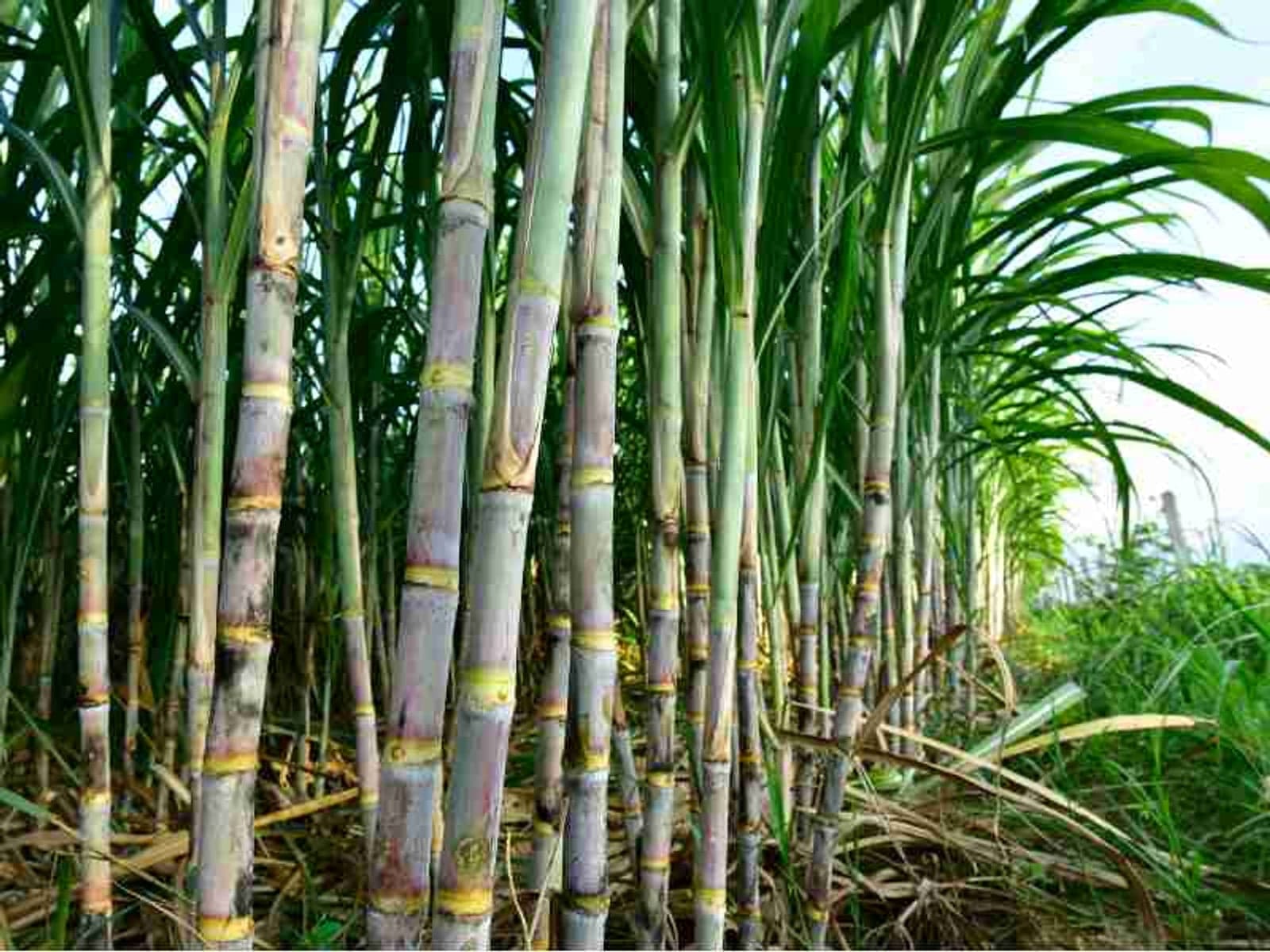
The ethanol will be sourced from locally produced sugarcane, of which the country is one of the largest producers, and will aim to show the sustainability of using sugarcane as a source of biofuel.
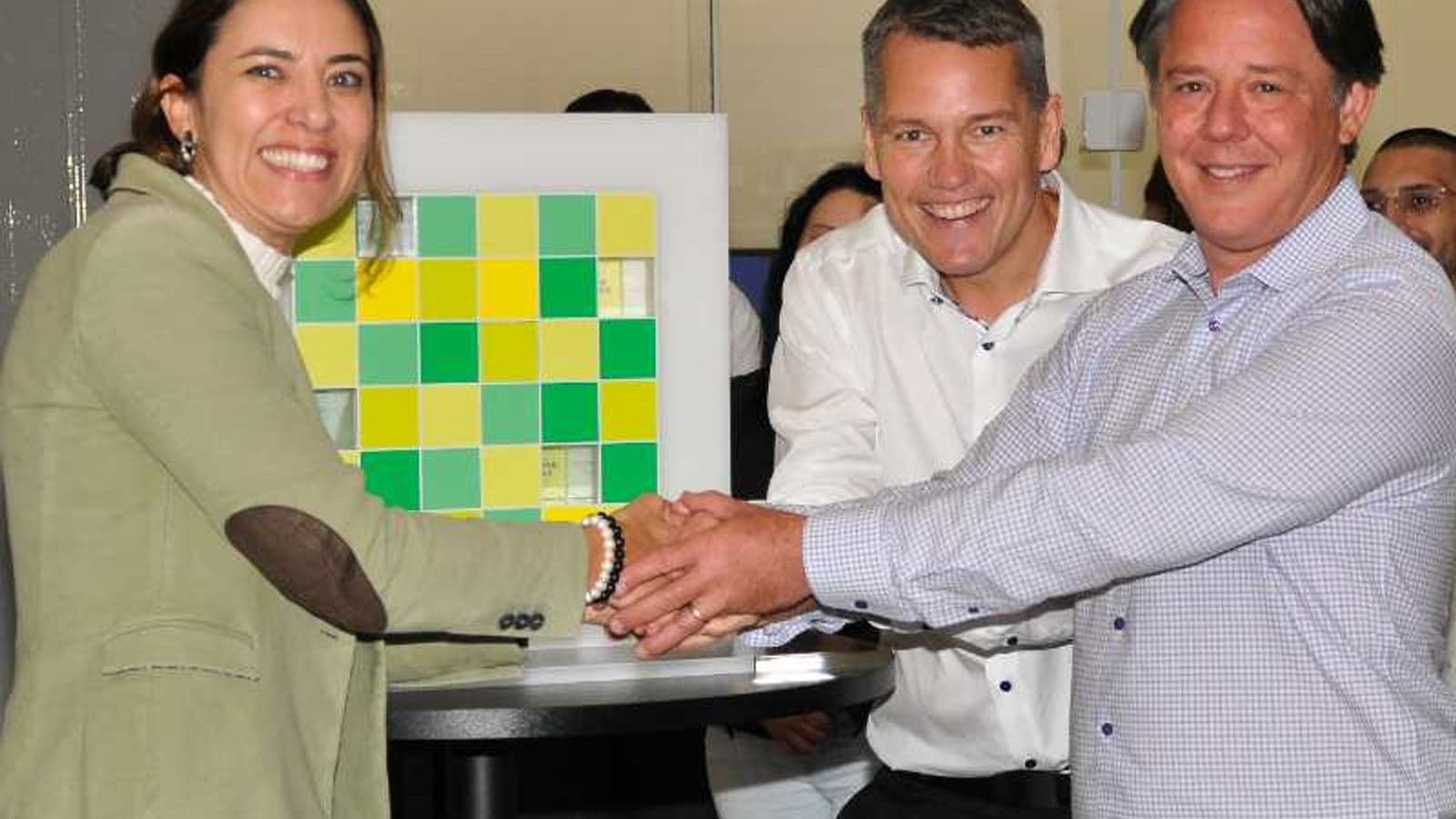
José Faustino Cândido, chief technology officer at Energetica Suape II S.A, commented in a statement: “Brazil is a world leader in ethanol production, but its potential use in electricity generation has up to now been overlooked. This project aims to change that by delivering thousands of hours of testing, which we hope will demonstrate the role that ethanol could play in Brazil’s future power system. It has been made possible thanks to our strong partnership with Wärtsilä and the important backing of Business Finland”, highlights.
Have you read?
New partnership to boost ocean energy in Brazil
Dominica geothermal plant gets loan funding
In Brazil's 2025 reserve energy capacity auction, the federal government included ethanol as an authorised fuel and according to Anders Lindberg, president of Wärtsilä Energy, projects like this could spur the development of the sector and offer long term sustainable solutions that support Brazil's energy transition.
Said Lindberg: “This initiative could be a game-changer in advancing sustainable energy solutions and shaping the future of clean power generation in Brazil, reducing greenhouse gas emissions, and decreasing dependence on fossil fuel imports. Ethanol could also play an important role in the decarbonisation of the electricity sector, as it is readily available today and can be easily transported globally, making it a truly accessible and scalable solution.”
The trial forms part of the WISE (Wide and Intelligent Sustainable Energy) programme, led by Wärtsilä and co-funded by Business Finland. Wärtsilä will operate and maintain the engine under an Operation and Maintenance (O&M) Agreement with Energetica Suape II S.A.
According to the International Energy Agency, renewable fuels are generting increasing interest as an option to reduce emissions in sectors that are difficult to electrify.
The IEA predicts that renewable fuel deployment will expand 4 EJ by 2030 from the 2023 level. Demand will expand in all regions, but is concentrated in India, China, Brazil, the United States and Europe, which collectively support more than two-thirds of this growth.