Why data interoperability is a trusted foundation for today’s energy companies
Guest/partner contributor
Posted on: 9 October 2023
Chris Kalima writes about five ways in which data interoperability is the essential wingman for energy companies.
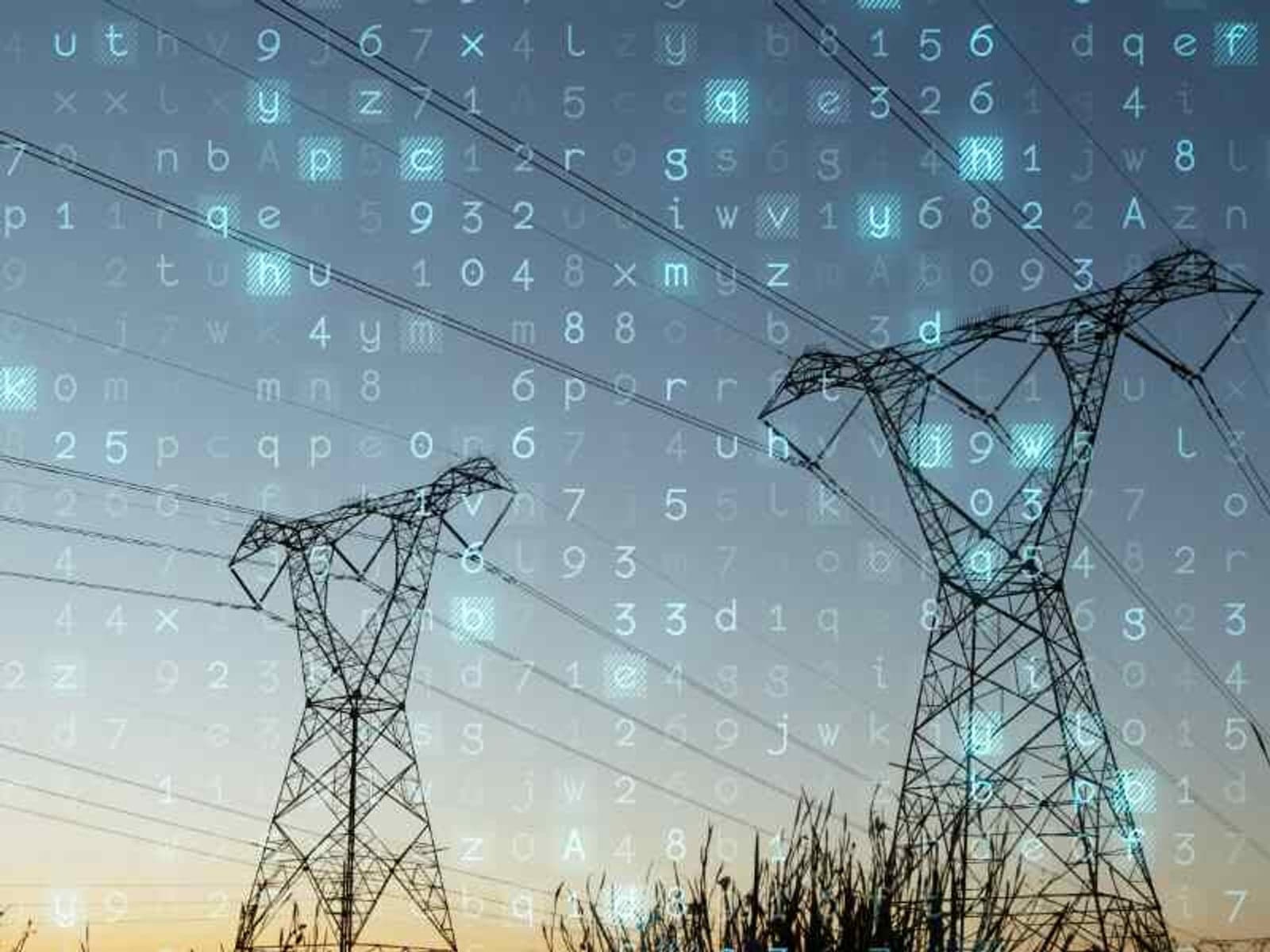
As much as energy companies have relied on generators, wires and other equipment as a trusted foundation, so energy companies need a trusted foundation in the digital world. And that is data interoperability, writes Chris Kalima of Intertrust Technologies.
Modern energy infrastructures are complex, comprising many stakeholder elements that must be coordinated to deliver maximum value and efficiency. Central to these complex energy ecosystems is data. Huge amounts of data. Energy data comes in different formats, often resides in disparate locations, and is governed by complex rules and regulations.
Data interoperability allows data to be unified and used together, irrespective of format and location. It ensures that data is more trustworthy and enables energy companies to maximise value from it and overcome the significant challenges posed by distributed data assets.
Here are five ways in which data interoperability is the essential wingman for energy companies:
1. Reduced energy consumption and costs
Energy companies typically rely on meter data to track their customers’ energy usage.
As IoT devices become more prevalent, it opens up the possibility of energy companies working with a wide range of data sources for a more comprehensive view.
Have you read?
Call to accelerate access to smart meter data for ‘public good’ in GB
Navigating the digital energy era
All of this data will have to be coordinated and managed effectively. Data interoperability ensures that these disparate sources can communicate and share information seamlessly, enabling energy companies to gain a holistic view of operations and energy consumption.
Collecting and analyzing energy consumption data in real-time enables energy usage to be monitored at various levels across the grid, from individual appliance levels to entire facilities or across an entire organization. This allows energy companies to offer services such as working with their customers to identify and respond to energy waste or inefficiencies as they occur.
For example, if a piece of equipment starts consuming more energy than usual, the system can send alerts, enabling quick corrective action. This comprehensive perspective will help identify energy inefficiencies and opportunities for optimisation.
With interoperable data, energy companies can more effectively apply advanced analytics and machine learning algorithms to forecast energy demand, identify trends, and optimise energy usage. Predictive models can help anticipate energy consumption patterns, enabling proactive measures to reduce costs.
Data interoperability also extends to customer-facing systems. Energy companies can provide customers with access to their energy consumption data in a more detailed and understandable format. This increased transparency can empower consumers to make more informed decisions about their energy usage, enabling measures to be taken to reduce consumption and lower costs.
Finally, the impact of efficiency initiatives can be better tracked and measured, helping energy companies evaluate the effectiveness of various strategies and adjust their programs accordingly to achieve greater energy savings.
2. Improved grid reliability
IoT based systems can allow grid monitoring in real-time, so data can be collected from various sensors and devices distributed throughout the grid, including substations, transformers, and power lines.
By ensuring that the data from these various grid points is interoperable, analysing the data when a fault or disturbance occurs, for example, voltage fluctuations, equipment failures, or power outages, enables the source of the problem to be more quickly determined. Energy companies can then take targeted actions to respond promptly to restore power and minimise downtime.
Interoperable data enables energy companies to implement predictive maintenance programmes. Continuously collecting and analysing data from grid assets, energy companies can identify equipment that is at risk of failure before it actually breaks down. This approach allows for proactive scheduled maintenance, reducing the likelihood of unplanned outages and improving grid reliability.
Grid reliability is closely tied to load balancing, ensuring that electricity supply matches demand. Interoperable data systems can provide real-time insights into energy consumption patterns and demand fluctuations. Energy companies can use this data to further optimise the distribution of electricity, ensuring that power is delivered efficiently and without overloading the grid during peak periods.
Also of interest
Survey: 76% of utilities are already implementing digitalisation plans
Global energy giants launch interoperability alliance
E.DSO’s Horizon projects that investigate flexibility and interoperability
3. Improved scalability of maintenance and operations
Scalability of operations and associated maintenance is essential as power grids grow. As connected devices and other data sources expand along with the power grid, waiting for the data to be collected from distributed repositories into a single centralised location can introduce latency, as well as increase the opportunities for hackers to attack it.
By ensuring that distributed data repositories can interoperably supply data to analytics, data management is simplified, making it easier to securely scale operations as data volumes increase. In addition, as data volumes grow, energy companies can deploy more powerful analytics tools and algorithms to extract actionable insights, inform maintenance strategies and operational improvements.
As mentioned above, interoperable data enables predictive maintenance, minimising downtime and ensuring that assets are operating optimally, facilitating scalability by reducing the need for emergency repairs.
Remote monitoring of critical assets and infrastructure is typically done through multiple systems provided from different vendors forcing operators to monitor a multitude of screens. Interoperability can allow these sources to be aggregated into a “single pane of glass” unified view, reducing stress and enabling workers to be more effective.
By more effectively analyzing data on asset performance and maintenance needs, companies can prioritise the efficient scheduling and deployment of maintenance activities, ensuring that resources are directed to areas that need them most. This capability is particularly valuable for scaling operations across a wide geographic area.
Interoperable distributed data repositories mean that detailed records of maintenance activities can be accessed along with any centralised data source that might be in use. For example, demonstrating compliance with regulatory requirements and facilitating audits can now be done with distributed data. This is important for companies in maintaining regulatory compliance when scaling operations.
4. Secure collaboration between utilities, cities, EV companies and stakeholders
Interoperability allows different entities, for example, utilities, cities, and EV companies, to share and integrate data such as energy demand, grid capacity, charging infrastructure, and traffic patterns, seamlessly. When stakeholders can access and use this data easily, it fosters collaboration and supports joint decision-making.
For example, cities and EV service providers need data to plan and deploy charging infrastructure efficiently. Interoperable data systems can provide better insights into where EV charging stations should be located based on factors like population density, traffic patterns, and EV adoption rates. This data-driven approach ensures that charging infrastructure is strategically placed to support EV growth.
Have you watched: Creating data space with smart meter hubs
However, as EV adoption increases, it can put strain on the electrical grid during peak charging times. Here, interoperable data systems enable utilities and charging system operators to collaborate on load management strategies to manage energy supply and demand effectively, accommodating the increased demand from EV charging infrastructure.
Utilities can also better implement demand response programmes or time-of-use pricing, and smooth the introduction of vehicle to grid technologies allowing EVs to help support the grid as needed.
Data interoperability can support the transition to sustainable energy and transportation systems through data-driven evidence-based policies, incentives, and regulations that support the growth of EVs and renewable energy integration.
5. Ensuring complete data governance
In a sector as critical as energy, data governance is of paramount importance. Interoperability supports that governance for energy companies, making it easier to provide a framework for managing, accessing, and controlling data across various systems and stakeholders.
Work is under way to create data interoperability standards for energy systems. These also include security protocols and encryption methods to protect data during transmission and storage. This is crucial for safeguarding sensitive information and maintaining data integrity.
Data validation and quality control measures ensure that data entering the system meets predefined standards and is consistent and accurate. This high-quality data is crucial for informed decision-making and regulatory compliance, and the integration of data from smart meters, sensors, SCADA systems, and customer databases, for example, provides a comprehensive view of energy operations, making it easier to track, manage, and govern data effectively.
Clear data ownership and stewardship responsibilities can be established within standardised interoperable data systems, providing a clear audit trail for data. Traceability ensures that data changes are recorded, and it can be traced back to the responsible parties.
It's a critical aspect of data governance, especially in compliance with regulatory requirements. Interoperability allows energy companies to better enforce data retention and disposal policies, ensuring that data is managed throughout its lifecycle. This includes archiving historical data for compliance purposes and securely disposing of data that is no longer needed.
In closing…
Data interoperability is essential for energy companies in many key areas as they navigate an ever-evolving data-driven operational landscape.
Here we have provided five major examples, but there are others that exist and no doubt more that will emerge as technology continues to provide new opportunities for energy companies to innovate in the market, and having a trusted foundation is essential for energy companies to optimise future operations.

About the author
Chris Kalima is the VP of Product Management at Intertrust Technologies, where he is responsible for Intertrust’s data platform. A firm believer in the transformative power of data, Chris has spent the past five years working closely with large enterprise customers in the energy and automotive industries, helping them launch new data-driven products and solutions.
Related tags
Latest content
Partner content
+2
The four key integrations powering the energy industry: An exploration
Technology is changing our energy system and the power utilities that operate within it. Utilities are digitally transforming and adopting software solutions to manage core operational processes.
- Guest/partner contributor
- 08/05/2023
+2
Building block of an advanced metering infrastructure - Part 2: The meter data management system
Power utilities are rapidly becoming data-driven organisations. A decentralised energy model, powered by intermittent renewables depends on two-way communication between utilities and all other participants in the energy landscape.
- Guest/partner contributor
- 01/06/2023
Latest in Digitalisation
All articlesPartner content
+1
Digital water management: Empowering utilities with scientific decision-making
As urban water distribution networks continue to expand and water resource management becomes increasingly complex, water utilities are facing growing operational challenges.
- Guest/partner contributor
- 03/07/2026