FUELGAE: How microalgae are producing advanced biofuels from CO2
Guest/partner contributor
Posted on: 7 July 2026
FUELGAE is developing advanced liquid biofuels from microalgae by capturing CO₂ emissions from industrial sources, writes Cliò Agrapidis.
Reducing emissions in transport remains one of the most complex challenges in Europe’s energy transition.
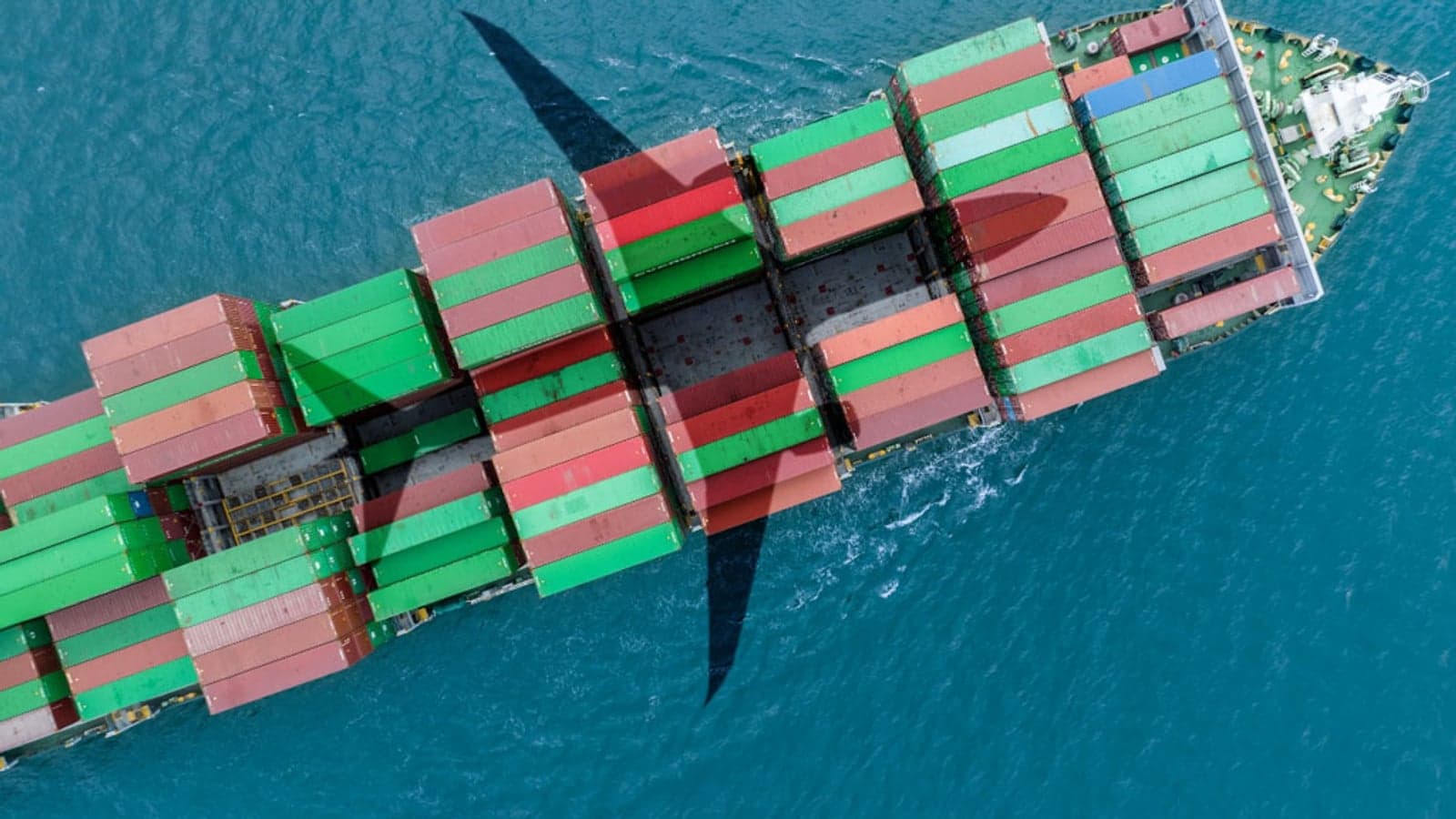
While electrification is scaling rapidly for passenger cars, it is far less feasible for sectors such as aviation, maritime transport and heavy duty logistics. These sectors require high energy density liquid fuels, making sustainable alternatives essential.
At the same time, CO₂ emissions from industry; particularly energy intensive sectors such as steel production and biorefineries, continue to represent a major share of Europe’s climate footprint.
FUELGAE addresses both challenges simultaneously by transforming industrial CO₂ emissions into a valuable resource, using microalgae to produce advanced renewable fuels.
Microalgae-based solution
The goal is to demonstrate a complete pathway from CO₂ emissions to advanced liquid fuels, supporting circular carbon use and reducing dependence on fossil fuels.
Microalgae are highly efficient at absorbing carbon dioxide through photosynthesis, making them a promising solution for carbon capture and utilisation (CCU). Compared to terrestrial plants, they grow faster and can be cultivated in controlled systems with high productivity. FUELGAE integrates this natural capability into a full industrial value chain.
The project is developing:
- Microalgae strains tailored to specific industrial CO₂ sources;
- A pilot photobioreactor system integrated into industrial facilities;
- Advanced biomass processing techniques to extract lipids and sugars;
- Catalytic upgrading systems to convert biomass into liquid biofuels.
An integrated industrial ecosystem
A key innovation in FUELGAE is that it brings together several technological components, combining multiple technologies into a single integrated process.
These include:
- Selective microalgae cultivation to optimise biomass composition (lipids, polysaccharides);
- Catalytic upgrading to produce high quality fuels suitable for transport applications;
- Hydrothermal liquefaction and biogas processes for efficient biomass conversion;
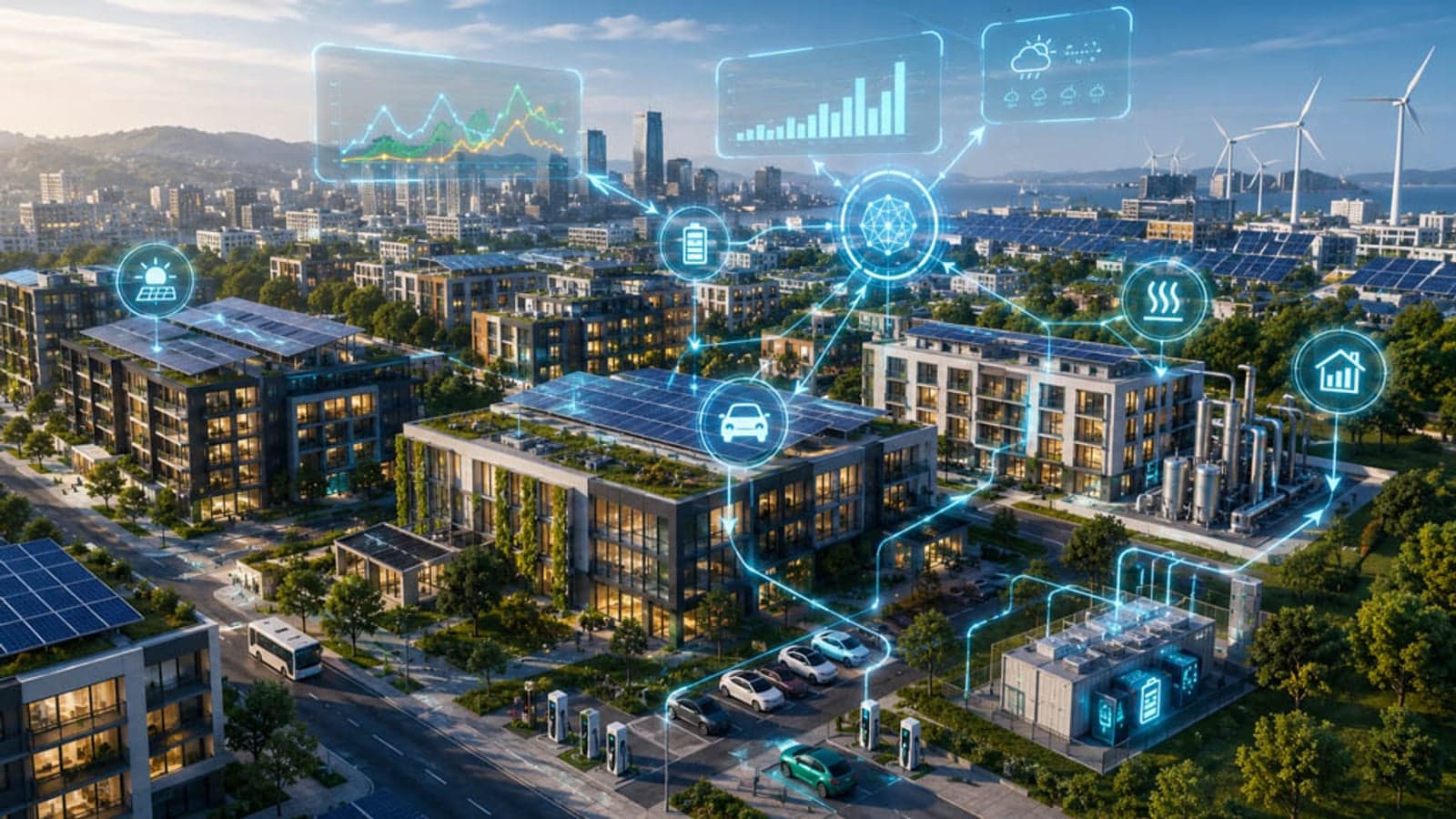
- A digital twin system enabling real-time monitoring and optimisation of the entire process.
This integrated approach ensures that every part of the system, from CO₂ capture to fuel production, is optimised for efficiency, scalability and environmental performance.
Importantly, FUELGAE is designed with industrial applicability in mind. The project will validate its technologies in real environments, including a steel plant in Romania and a bioethanol refinery in Spain.
These demonstration sites are critical for proving that microalgae-based fuel production can operate under real industrial conditions.
Circularity and co-products
FUELGAE goes beyond fuel production by maximising the value of all materials generated in the process.
In addition to advanced liquid biofuels, the project explores the production of biochar, which can be used as a soil enhancer in agriculture; biogas and other energy carriers and valuable biochemical fractions derived from microalgae.
This circular economy approach ensures that the process is not only sustainable but also economically viable, improving overall resource efficiency and reducing waste.
Ensuring sustainability
A major focus of FUELGAE is demonstrating that its solutions are environmentally and economically sustainable.
To achieve this, the project integrates life cycle assessment to evaluate environmental impacts, life cycle costing to assess economic feasibility. In addition are advanced modelling tools linked to the digital twin for dynamic performance evaluation.
These assessments ensure that the developed fuels genuinely contribute to net greenhouse gas reductions and align with European climate targets.
Transition to fossil-free transport
FUELGAE directly contributes to several key European policy priorities. These include the European Green Deal, the Sustainable and Smart Mobility Strategy including the RefuelEU Aviation and FuelEU Maritime regulations and the Circular Economy Action Plan.
By enabling the production of sustainable fuels from captured CO₂, the project helps close a critical gap in the energy transition, providing scalable alternatives where electrification alone is not sufficient.
Redefining the role of CO₂
As Europe moves toward climate neutrality, projects like FUELGAE illustrate a broader transformation in how carbon is perceived.
Instead of being treated solely as a waste product, CO₂ can become a valuable feedstock for new energy systems. By integrating carbon capture, biological processes, and advanced fuel production, FUELGAE demonstrates a new model for industrial sustainability.
The project also highlights the importance of cross-sector collaboration, bringing together expertise from biotechnology, energy industry, and digitalisation to address complex challenges.
Ultimately, FUELGAE is not just about producing alternative fuels — it is about reimagining industrial emissions as part of a circular, low carbon energy system.
About the author
Cliò E. Agrapidis is an EU Project Consultant at RTDS Group and communication manager for the SUSHEAT project. She supports EU-funded projects in exploitation, innovation management, dissemination and proposal development, drawing on over 10 years of academic research in physics and a background in science communication.