Why Rotterdam is no longer the underdog of energy transition
Pamela Largue
Posted on: 19 April 2024
Rotterdam, an industrial giant and one of the world's biggest polluters, has big hurdles to overcome to be climate-neutral by 2050 and to ensure its people are ready to embrace the energy transition. Pamela Largue asked Vice Mayor Chantal Zeegers about the city's decarbonisation plans.
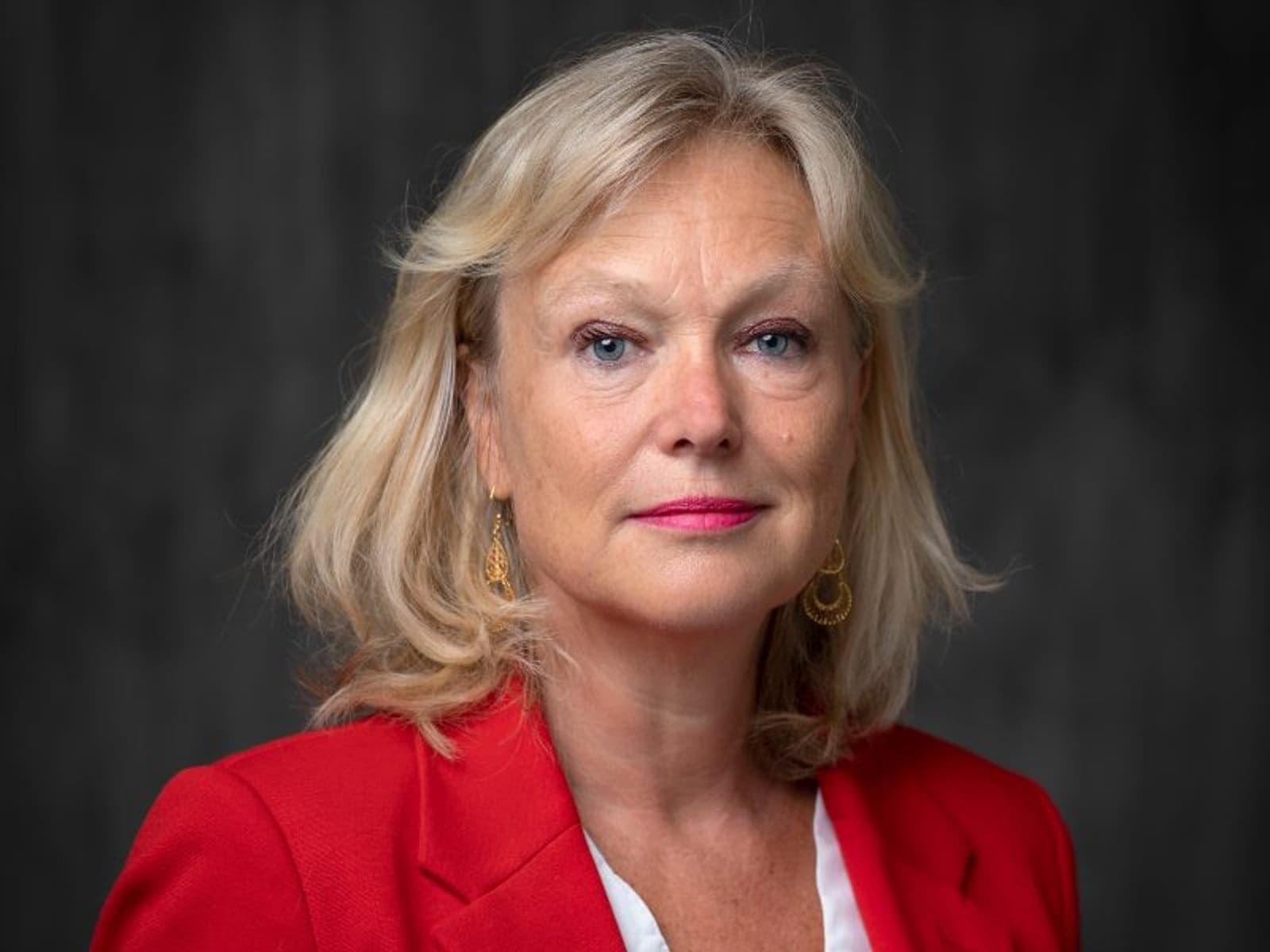
Rotterdam, an industrial giant and one of the world's biggest polluters, has big hurdles to overcome to be climate-neutral by 2050 and to ensure its people are ready to embrace the energy transition. Pamela Largue asked Vice Mayor Chantal Zeegers about the city's decarbonisation plans.
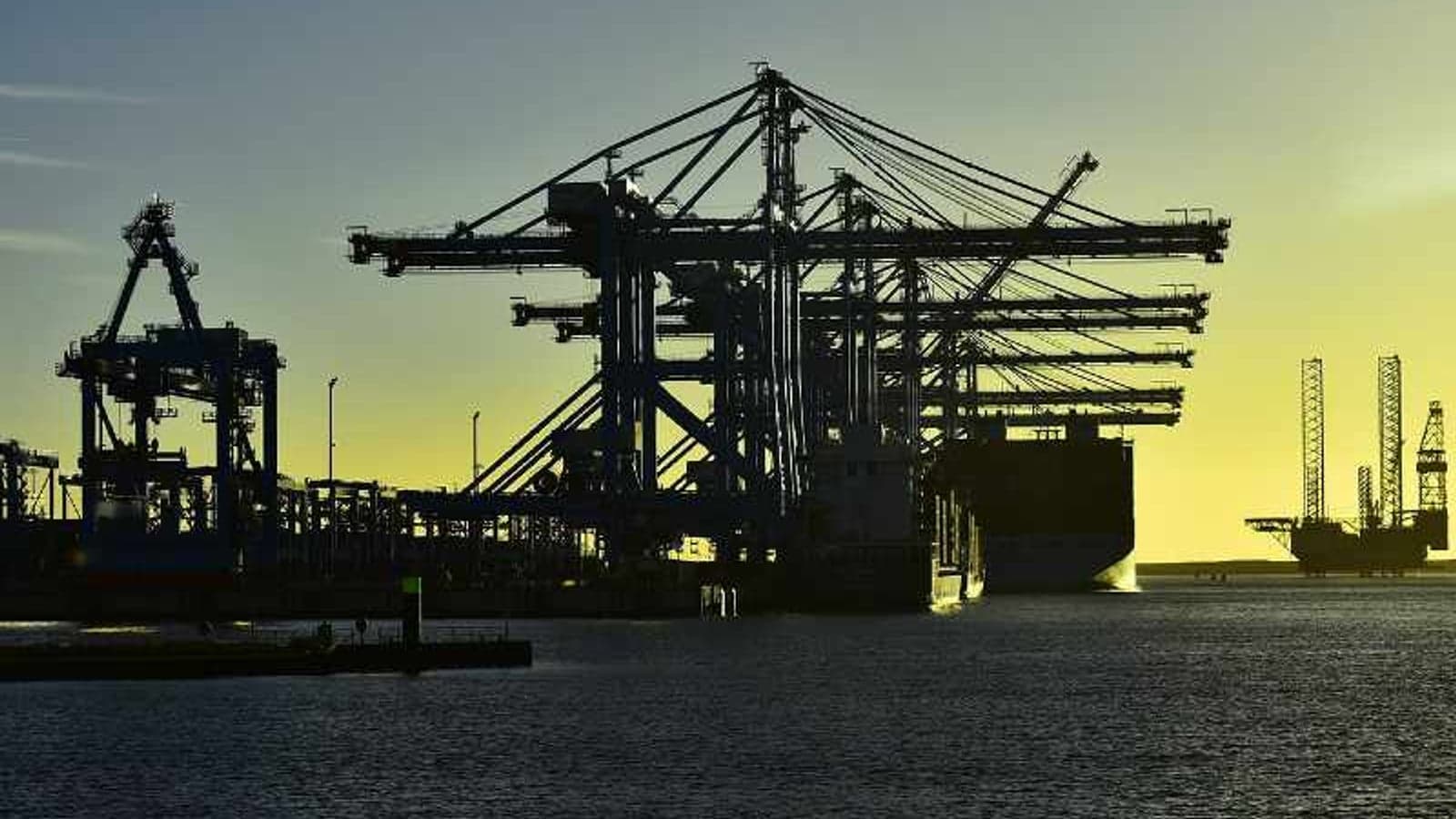
Industrial activities in the Dutch city's harbour are responsible for 20% of total emissions in the Netherlands, which means the country can't reach net zero unless Rotterdam's harbour decarbonises.
It's not only the harbour that requires transformation, the entire city and its inhabitants must make significant changes to ensure the city can lower emissions and drive energy transition.
And this is exactly what the city is doing according to Rotterdam Vice Mayor, Chantal Zeegers.
"We have a huge task, a huge responsibility, but also a huge stake in the energy transition and climate adaptation," says Zeegers.
She explains that because of Rotterdam's location, in a delta close to the North Sea, the city is at risk of rising sea levels, making energy transition and climate adaptation critical.
Have you read?
Energy transition: The ‘ultimate connected management challenge’
Mapping hydrogen, skills and energy planning for Dutch energy transition
From humble beginnings
While the city has big ambitions, Zeegers admits there is much work to do.
Zeegers describes the city as raw, industrial, and one of the poorest cities in the Netherlands.
Energy accessibility and affordability are challenges faced by many, and Zeegers believes that flooding, rising temperatures and rising sea levels are tangible threats.
"We experience everything to do with climate change.
"We can be a good example for when the heat is on. We are in this situation."
"As I speak to my European colleagues, I sometimes am jealous that the only thing they have to do is electrify their mobility, and then the city is climate neutral."
As much as Zeegers would like to aim for climate neutrality by 2030, it's simply not realistic for a city like Rotterdam, which is ultimately looking to achieve net zero by 2050.
The city has planned various pathways to climate neutrality and has formed partnerships with the Port Authority, the private sector and the national government to set these plans in motion.
The national government is making deals with industry, more specifically the likes of esso, bp and Shell, to change their systems and decarbonise operations.
"It costs a lot of money," says Zeegers, which is why the government is subsidising the change.
"We, with the port authority, are investing in infrastructure for hydrogen, shore power, wind energy... we play a role in this energy transition. It costs a lot of money but it also costs a lot of conviction and cooperation."
Cooperation is critical, emphasises Zeegers, which is why Rotterdam is working to ensure buy-in from its citizens.
Also of interest
The emobility innovation driving Rotterdam’s energy transition
Rotterdam: Driving the energy transition with action, not words
Policies applied in context
Zeegers acknowledges that Rotterdam is working to help its harbour and the city's inhabitants within a broader European context, with broader European policies helping to direct the course of transformation.
The European Green Deal, for example, has made a positive impact, she explains, regulating emissions and spurring investments. However, national and local policies have been the driving force behind the specific pillars designed to encourage change on a corporate, as well as a social level.
World Energy Council is hosting the 26th World Energy Congress in Rotterdam, 22-25 April 2024.
Register to be a part of the conversation
These pillars focus on circularity, climate adaptation and climate change, however, they also focus on investing in people and projects that benefit Rotterdam.
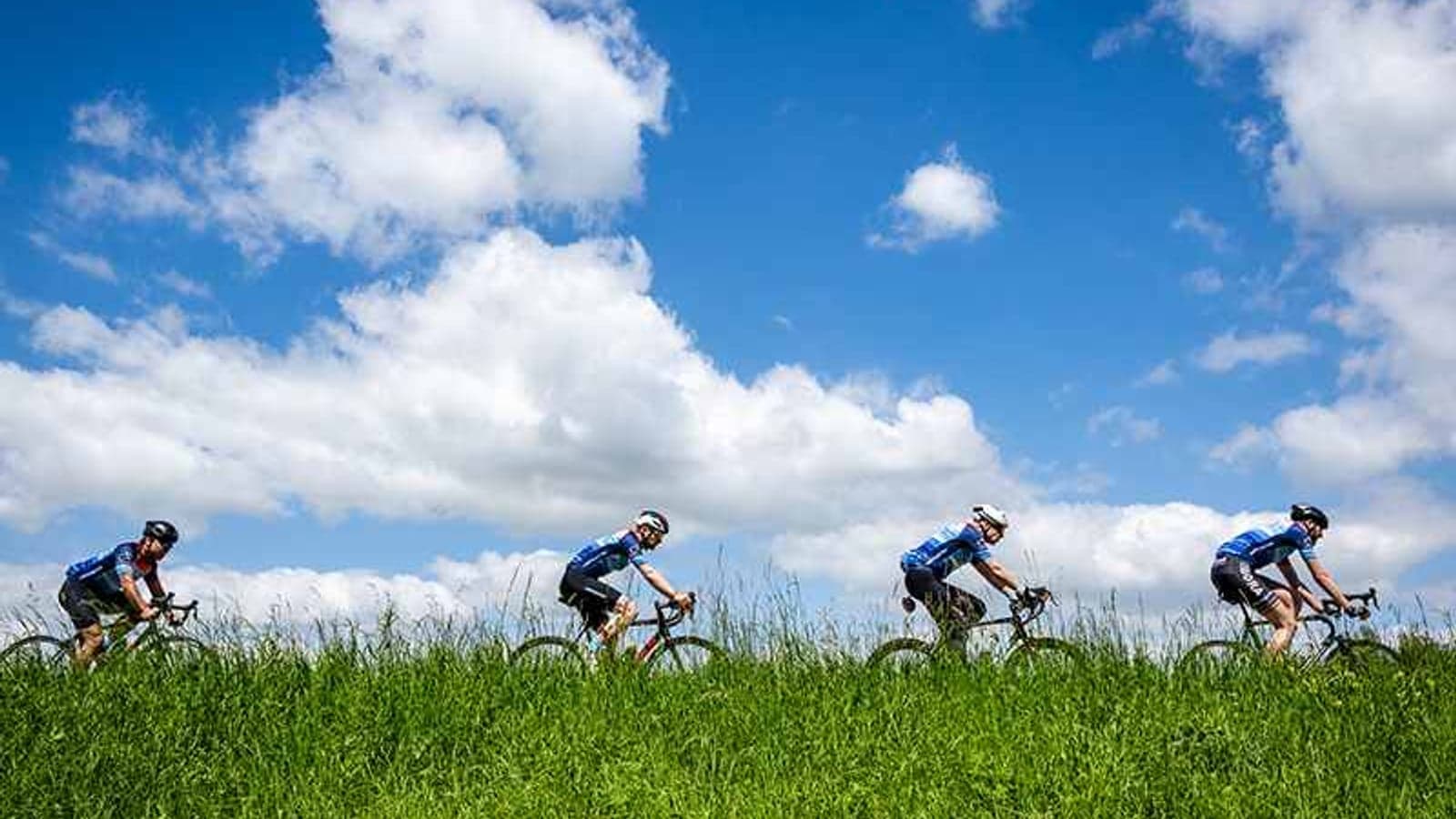
One such project is the urban development project Nieuwe Haven. The inner city harbour area is being redeveloped into green, climate-neutral living and recreation areas. These areas will use sustainable building practices and materials, and electric mobility and will include parks and cycling lanes.
Across the river, a special innovation hub is being created, where start-ups, scale-ups and academia come together to spur innovation and work with locals to invent new products.
Zeegers highlights other examples of projects including using industrial heat from the harbour to heat homes and minimise gas usage, and hiring energy handymen to help citizens make changes to their homes, such as installing solar panels, electrifying cooking and improving insulation.
Overcoming polarisation
In the Netherlands, the issue of energy transition is polarising, explains Zeegers, giving rise to heated debate and protests.
She cites the example that many people protest against windmills as they don't like the impact on the landscape, however, she adds, that many of these people don't understand the benefits of windmills and don't have the opportunity to profit from the projects.
So rather than moralising the topic, suggests Zeegers, it's important to understand what is holding people back and respect their position.
Ensuring dialogue is important, she adds.
"People must believe in the necessity of the transition and must profit from it."
Zeegers acknowledges that change is difficult for people, especially change in behaviour, which is what the energy transition requires. "When people don't work with it and don't believe in it, the energy transition will not happen."
"We should be able to talk to each other in a rational and empathetic way," and showcase good examples that give hope of what can be achieved.
Referring to Rotterdam as a can-do city, Zeegers concludes: "We are a showcase of what can be done to transform all levels of society..."
Listen to the full conversation with Chantal Zeegers, vice mayor of Rotterdam, in this episode of Enlit's Energy Transitions Podcast:
Originally published on powerengineeringint.com