Why southern Sweden is a case study in energy transition resilience
Pamela Largue
Posted on: 1 July 2025
An industry meet-up in Lund unpacked how the region's resilience in delivering energy transition could impact beyond the borders of Sweden.
Southern Sweden is grappling with a strained power system, marked by limited grid flexibility, a heavy reliance on imported energy, and sharply rising electricity prices. Yet amid these challenges, new opportunities for innovation and reform are beginning to emerge.
According to Jens Sörvik, Head of Unit, Regional Development, Environment & Health for the Region Skåne, stakeholders in the power sector have had to think outside the box to solve these unique challenges in the southern part of Sweden.
"A few years ago, we started having a problem with capacity, had a number of companies saying we can't expand...then also prices started to surge. We saw this as a problem for the development of the region and started to try to address this."
More about Sweden's energy transition:
Energy Transitions podcast: Advancing e-mobility through electric road innovation
A Swedish formula for European industrial competitiveness
According to Sörvik, these problems led to a blame game, and many began suggesting silver bullets, like nuclear or offshore wind.
"Our suggestion is that we need to work with all of this and we need to work more systematically, working on different issues at the same time..."
Working together
Working collaboratively towards a common goal formed the foundation of the discussions during the industry meet-up organised by Enlit on the Road and Invest in Skåne, during which 80 stakeholders from academia and industry unpacked the region's energy landscape.
Discussions highlighted the investments, unique business models, grid developments and innovation driving the region's decarbonisation strategies forward at pace, with attendees agreeing that all technologies must be on the table as potential solutions.
Even nuclear energy got the nod as an option for fossil-free power generation alongside other renewable sources.
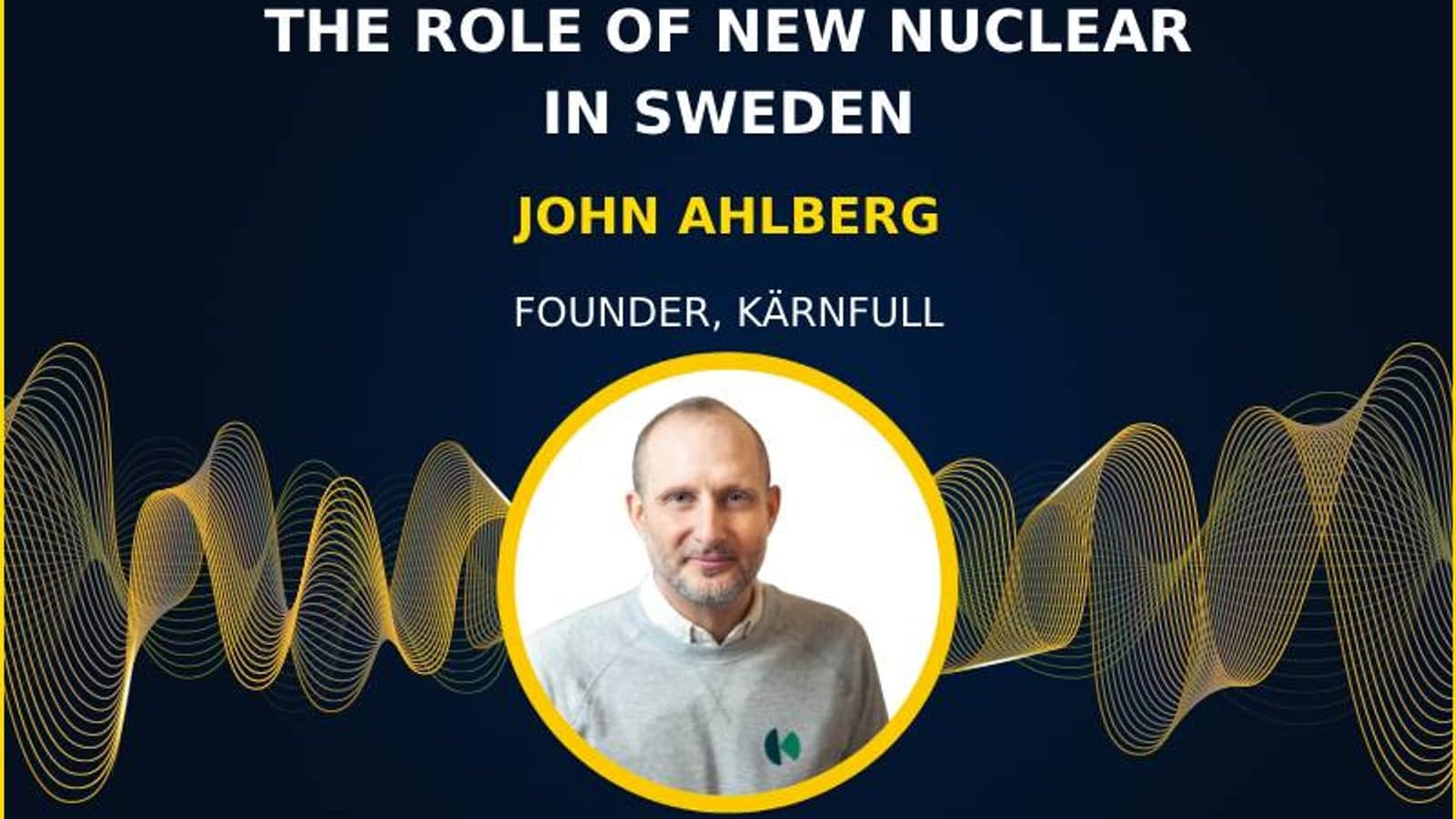
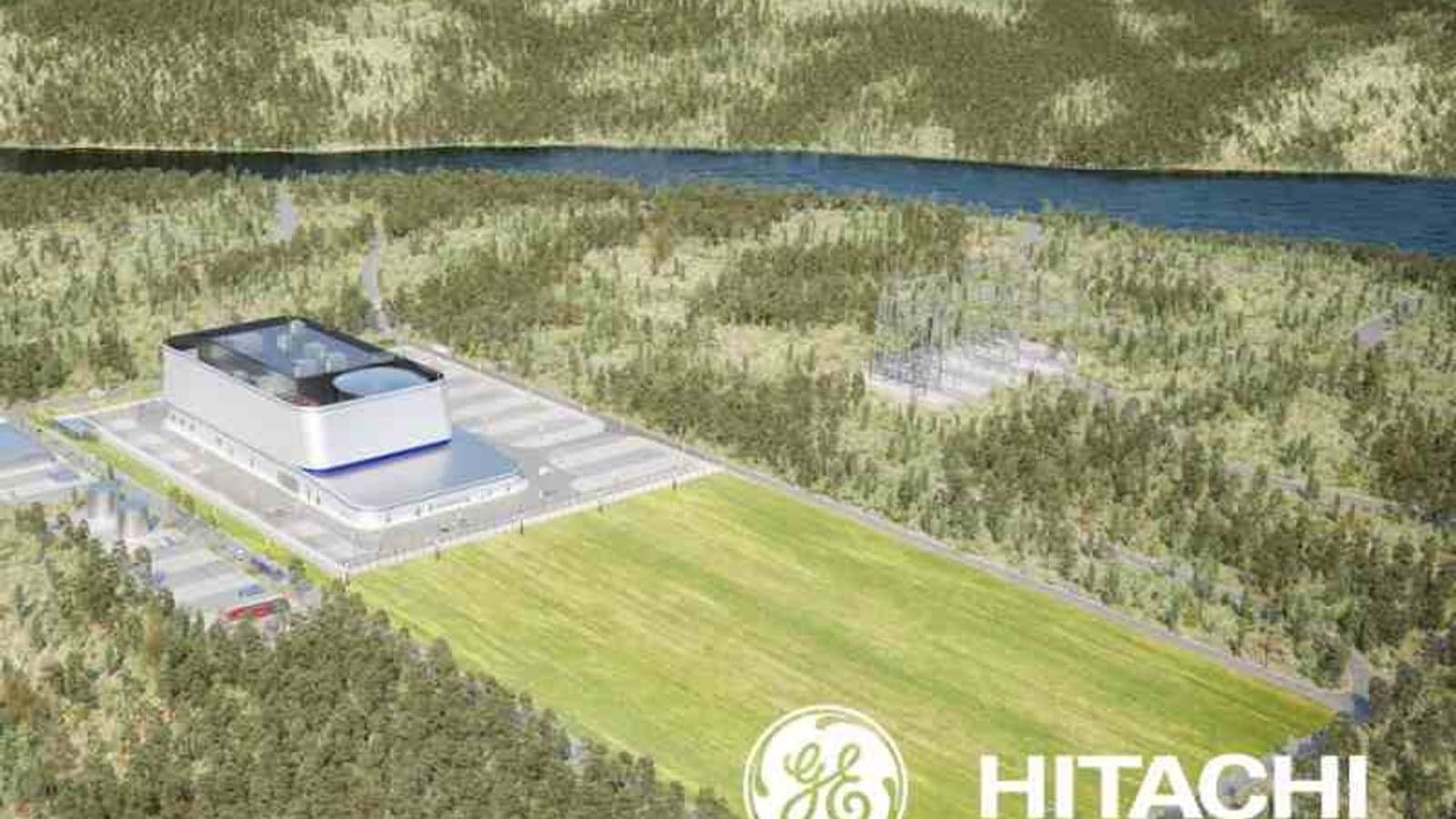
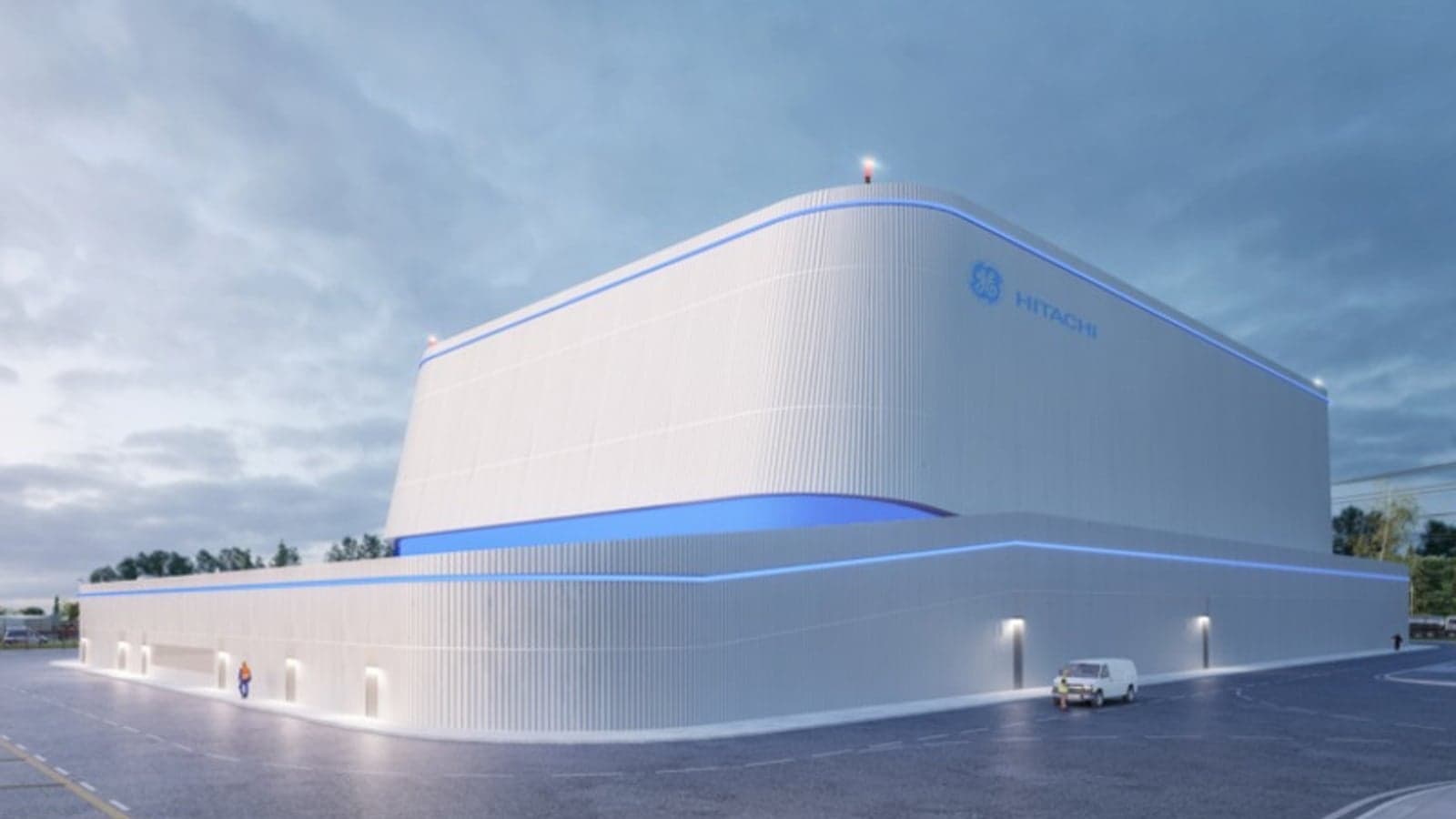
With the Swedish government having announced new financial backing for nuclear power, the meet-up provided a well-timed opportunity to discuss the role of nuclear in the country's future energy mix. A nuclear-dedicated panel discussion explored the potential of Small Modular Reactors (SMRs) with insights from Fredrik Vitaback (GE Hitachi Nuclear), John Ahlberg (Kärnfull Next), and Ted Lind (Energiföretagen Sverige), and unpacked new and novel business models making nuclear power commercially viable.
Another key session addressed power pricing reform, the impact of Sweden's cost-reflective tariff system and the changing role of DSOs as market facilitators.
Increasing grid capacity and efficiency was also high on the agenda, with Hannes Sonnsjö, Researcher at Lund University, emphasising the need for proactive investments and the balancing of higher grid costs.
And proactive investments need to extend beyond the grid to renewables and storage. The welfare of the region depends on it, said Lars Andersson, Head of Energy Systems and storage at Green Power Sweden, who referred to the jobs renewables create and the economic and social benefits that result.
Said Andersson, "I think you need a shift in mentality, it's employment, it's industry..."