Wind turbine components market makes big gains due to offshore segment
Power Engineering International
Posted on: 11 January 2023
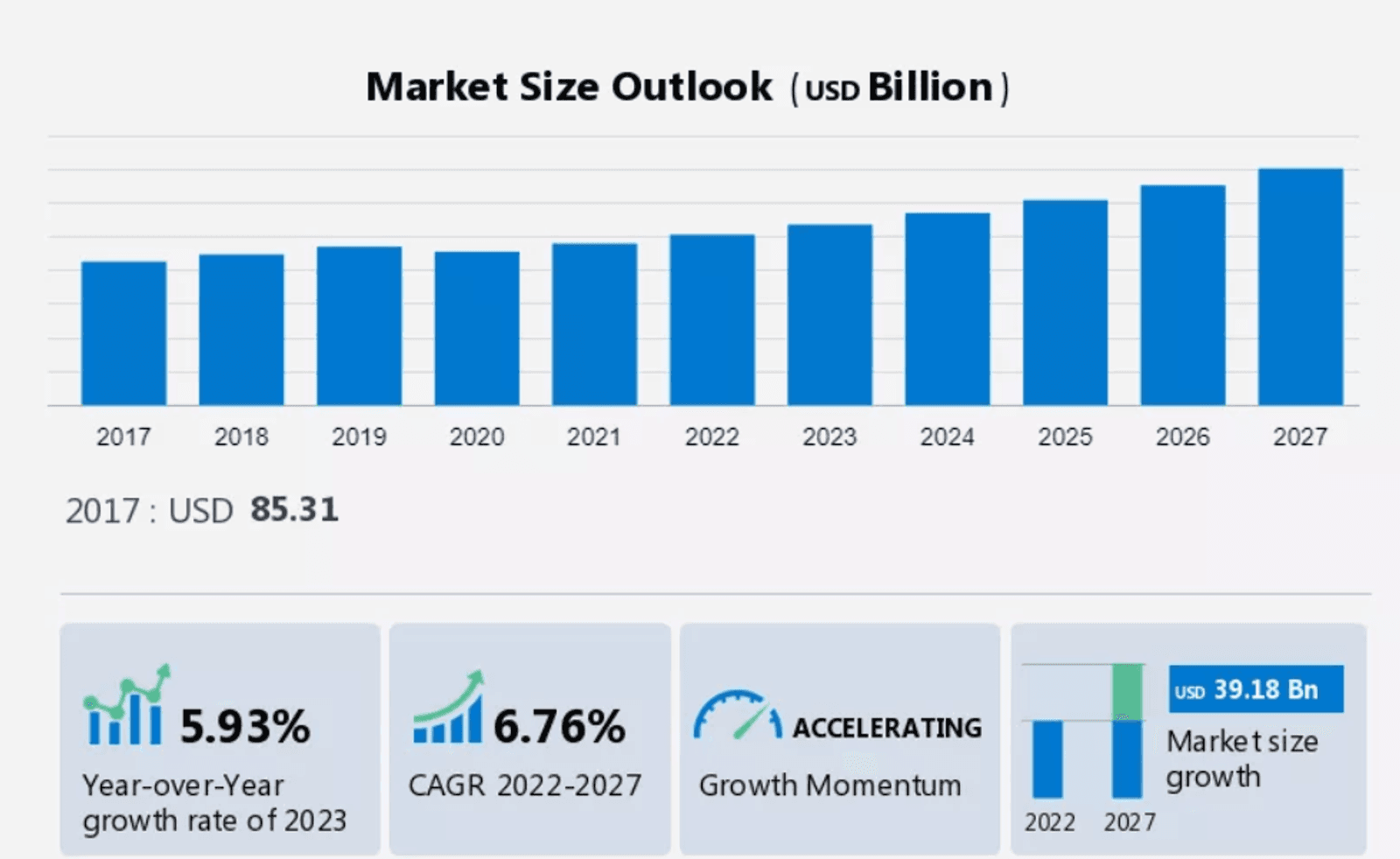
The wind turbine components market is forecast to increase by $39.18 billion between 2022 and 2027| with an estimated CAGR of 6.76%.
The wind turbine components market is forecast to increase by $39.18 billion between 2022 and 2027, with an estimated CAGR of 6.76%.
This is according to the latest report from Technavio, Wind Turbine Components Market by Application, Product, and Geography - Forecast and Analysis 2023-2027, which suggests the growth of the global wind power market is driven by Europe and China and the growth of the offshore sector.
The report cites rising investments in clean energy sources and the presence of encouraging regulatory frameworks as the key growth factors.
Have you read?
2023 predictions: BayWa r.e. bosses highlight four sectors to watch
Siemens Energy pioneers 2GW grid connections at sea worth €4bn
Onshore wind development has provided several avenues for commercialisation due to the advent of sophisticated and innovative electronics and efficient planning and management, which have improved reliability and reduced costs. Offshore wind development has become viable due to the availability of machines that support a capacity of more than 1MW.
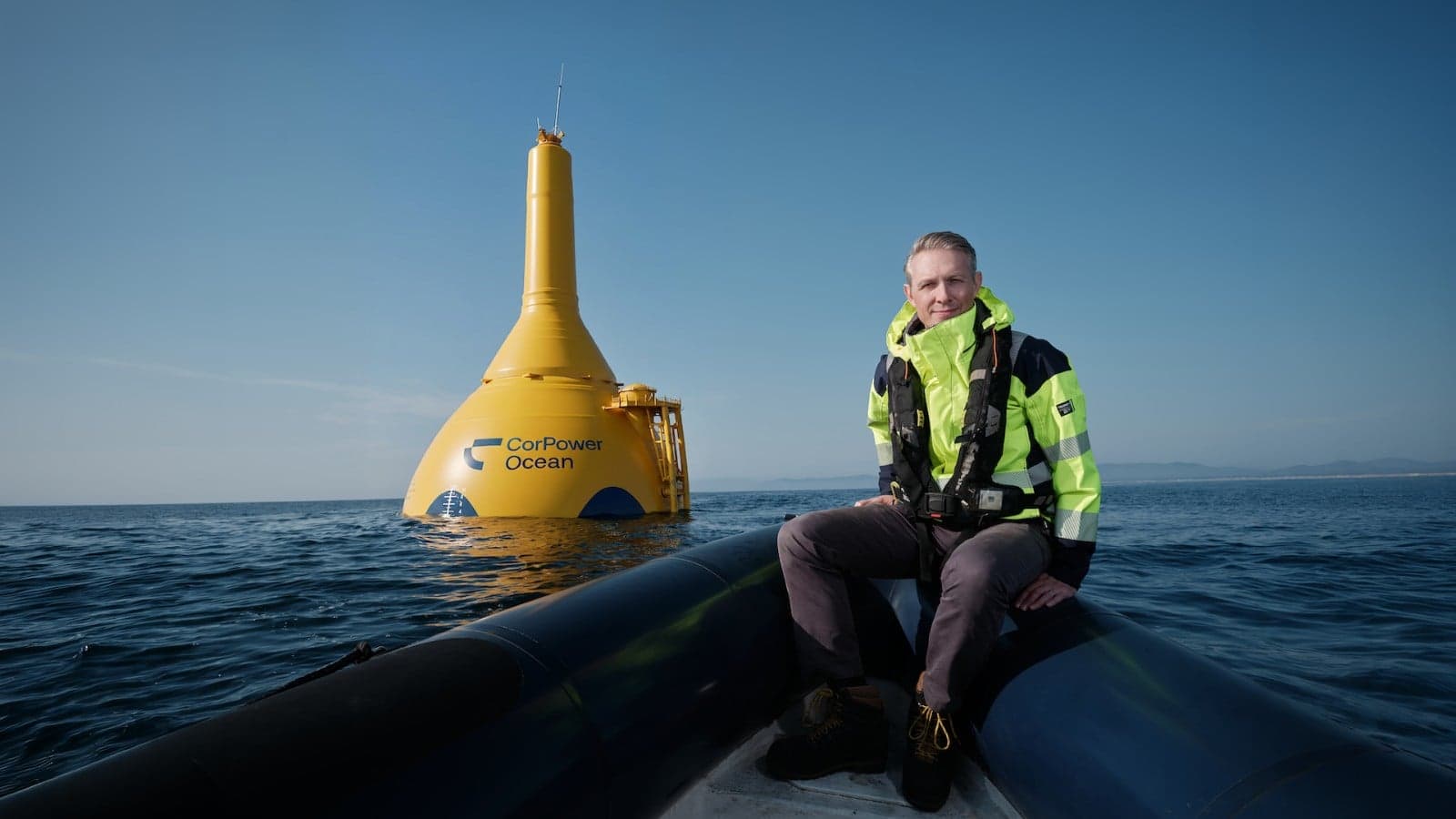
The emergence of floating wind turbines has also paved the way for the commercialisation of offshore wind power. The commercialisation of technologies has intensified the competition between wind power plants and nuclear and fossil fuel power plants.
Competitive pricing, the provision for sophisticated grid management, and the availability of affordable power storage drive the growth of the global wind power market. Therefore, the demand for turbine components will increase during the forecast period.
Wind turbine component market trends
The popularity of offshore wind farms is a major trend in the market. Several countries are installing wind power plants in deep water, as such plants can harness more energy than onshore power plants. In Europe specifically, the offshore segment is growing rapidly due to the availability of resources, limited turbulence, and steady winds.
Vendors have developed tall hubs and large rotors for offshore applications. Also, the installation of large turbines in offshore locations is less expensive due to economies of scale.
The offshore segment has grown due to decreasing prices because of zero-bids for offshore in Germany and complete subsidy tenders in the Netherlands. In November 2020, Europe installed 3.6GW of new offshore wind capacity. The UK accounted for nearly half of the new capacity with 1.7GW, followed by Germany (1.1 GW), Denmark (374 MW), and Belgium (370 MW). Also, Portugal installed 8 MW of floating offshore wind. Europe now has 22GW of offshore wind. The UK and Germany account for three-quarters of it and Denmark, Belgium, and the Netherlands share nearly all of the rest. This will drive the growth of the focused market.
Wind turbine component market challenges
The high failure rate of components used in wind turbines is a major challenge impeding the market, according to the report. The reliability of turbines is a prerequisite for the effective generation of power from wind energy. The failure of any component will negatively affect the functioning of the entire system.
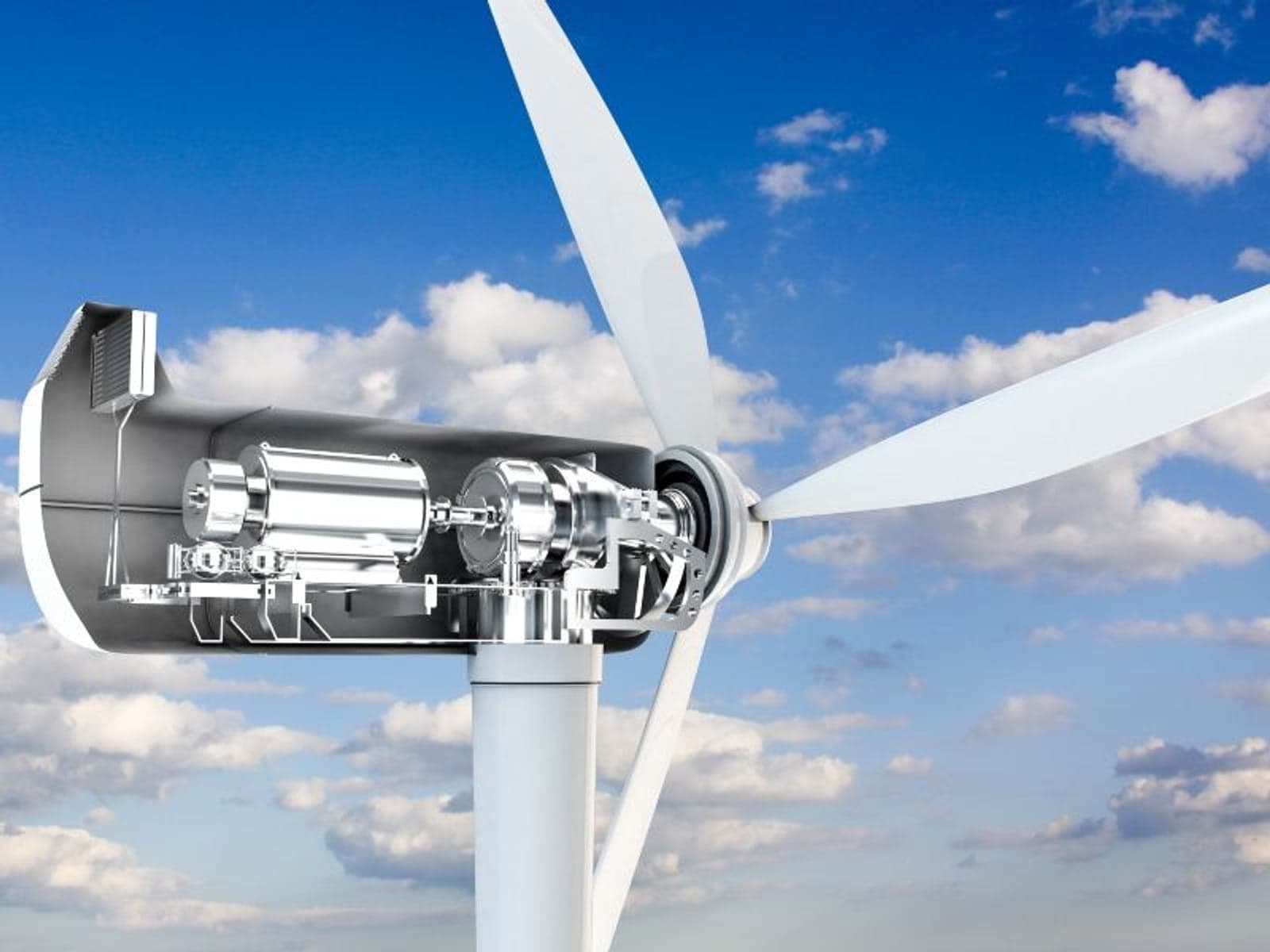
A wind turbine is built by integrating various technologies and components, ranging from aeronautics, hydraulics, automation, and others. For instance, the major components for power generation comprise the gearbox, generator, electrical, nacelle, rotor blades, and yaw systems, which require regular maintenance to ensure safe and efficient operation.
The rotor blades of a static wind turbine rotate in the presence of wind. The turbine generator, which converts rotational energy into electrical energy, accounts for about 4% of the total wind turbine cost. Any damage to the wind turbine generator will adversely impact the entire operation of the wind turbine. Owing to the dynamic nature of wind, these generators must endure recurrent load variations and mechanical stress, which can eventually lead to their breakdown. Such factors will play a major role in hampering the growth of the market.