World needs annual 1000GW of renewable energy to hit COP28 pledge
Kelvin Ross
Posted on: 20 March 2024
Berlin Energy Transition Dialogue told COP28 commitment needs surge of renewable energy capacity and investment.
Berlin conference told COP28 commitment needs surge of renewable energy capacity and investment
The world is still off target to deliver the necessary expansion of renewable energy, despite record new capacity added last year.
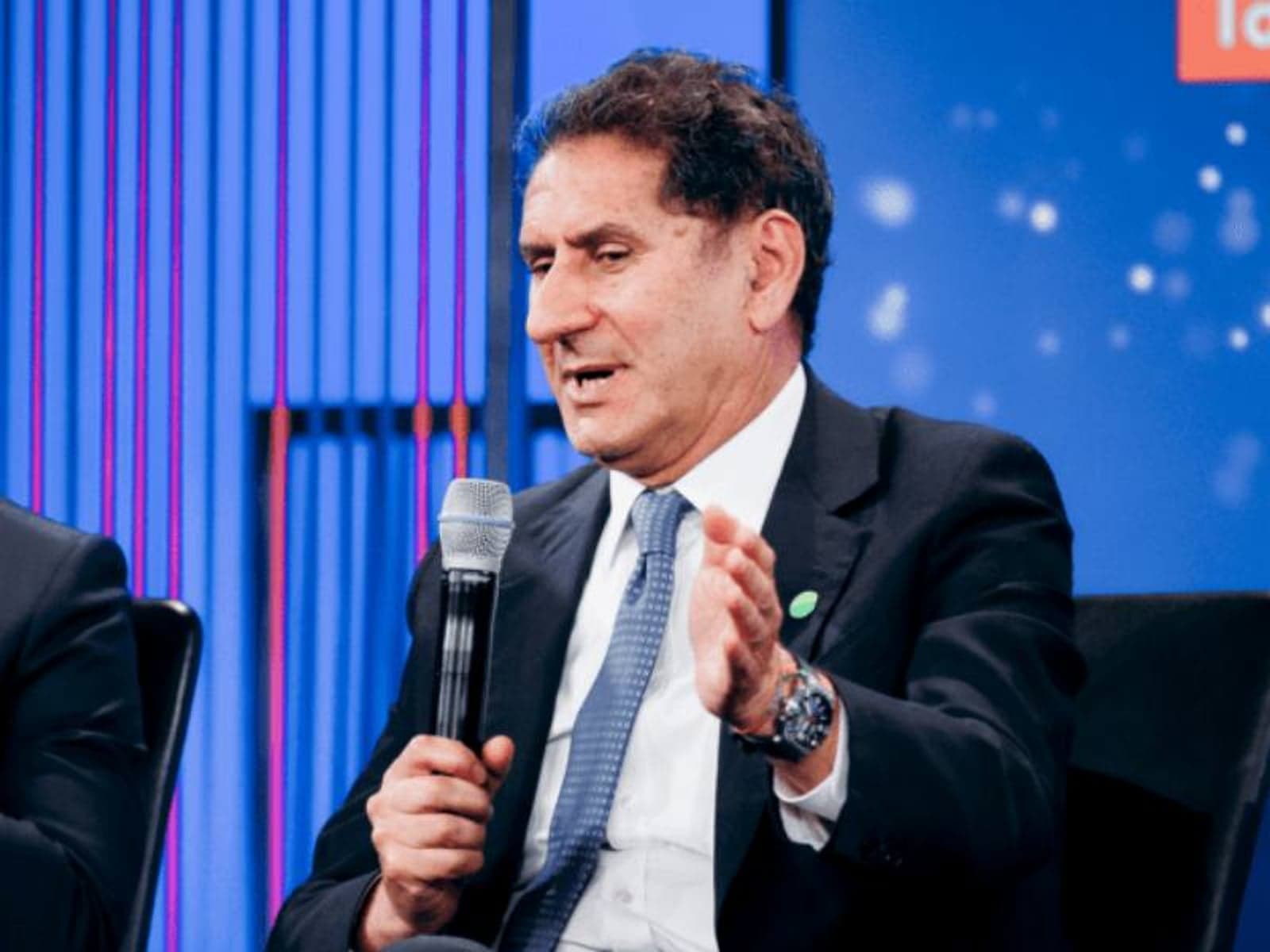
That’s the verdict of International Renewable Energy Agency (IRENA) director-general, Francesco La Camera, who spoke today at the Berlin Energy Transition Dialogue.
He reiterated that in 2023 a record-breaking year 473GW of renewables were installed. But what is needed, he emphasised, to meet the COP28 pledge set in Dubai last year of tripling renewable capacity by 2030, is an installation capacity of 1,100 GW, every year, until 2030.
“This isn’t just a magic number,” he told a press conference. “It’s what we need. We also need rapid system change if we want to get on the right pathway.”
Reaching that ‘magic number’ is technically feasible and economically viable, said La Camera, but it will require policy support and investment at-scale.
Re-orientate to renewable energy
“We cannot do later what we are not doing today,” he said, adding that infrastructure limitations are a barrier, as is the policy and legal environment, which he claimed “still favours fossil fuels”.
“An incredible amount of money is still going in the wrong direction. We have to re-orientate our policies.”
La Camera recognised that evolving policies, geopolitical shifts and declining costs have all played a role in propelling the rapid expansion of renewable energy in markets worldwide.
More from Berlin Energy Transition Dialogue
Germany ‘back in the game’ on energy transition says renewables chief
But to triple renewable power capacity, concerted efforts are required to enhance infrastructure, policy and workforce capabilities, underpinned by increased financing and closer international cooperation.
IRENA believes that to reach an annual average of almost 1,100GW installed renewable capacity, annual renewable investments must rocket from $570 billion in 2023 to $1550 billion between now and 2030.
La Camera said that according to IRENA data, “progress continues to fall short, and the energy transition remains off track. We urgently need a systemic shift away from fossil fuels to course-correct and keep the tripling goal within reach".
He stressed that the existing energy system had failed the global population: “We took 100 years to build the infrastructure of the old energy system… and we still have 700 million people without electricity.”
Read now: Post-COP28 period pivotal to curbing climate change says IRENA
IRENA spotlights100 innovations for smart electrification
What is needed now, he said, is accelerated investments in infrastructure and system operations, including power grids and storage; revised policies and regulations, particularly a new power market design and streamlined permitting; measures to fortify supply chains and cultivate vital skills; and substantial increases in investments, including public funds facilitated through international collaboration.
And this needed to have an acute focus on ensuring investment on Africa and parts of Asia.
Low renewable energy investment
IRENA has found that despite their considerable renewable potential, developing countries in these regions have received disproportionately low levels of investment.
Although energy transition related investments have reached a record high, exceeding $2 trillion in 2023, emerging markets and developing economies accounted for just over half of global investments.
Some 120 developing nations attracted only 15% of global renewable investment, with Sub-Saharan Africa receiving less than 1.5%, despite being home to the highest share of energy-deprived populations.
La Camera said greater international cooperation will be key to ensuring that finance flows to the Global South.
“Strategic use of public finance is paramount to attract investment at scale and deliver an inclusive energy transition that yields socio-economic benefits for all.
“This requires structural reforms, including within multilateral finance mechanisms, to effectively support the energy transition in developing countries.”
IRENA: Understanding climate variability is vital for transition
Originally published on powerengineeringint.com