Yokogawa releases subsea cable monitoring tech for offshore wind transmission
Yusuf Latief
Posted on: 17 December 2024
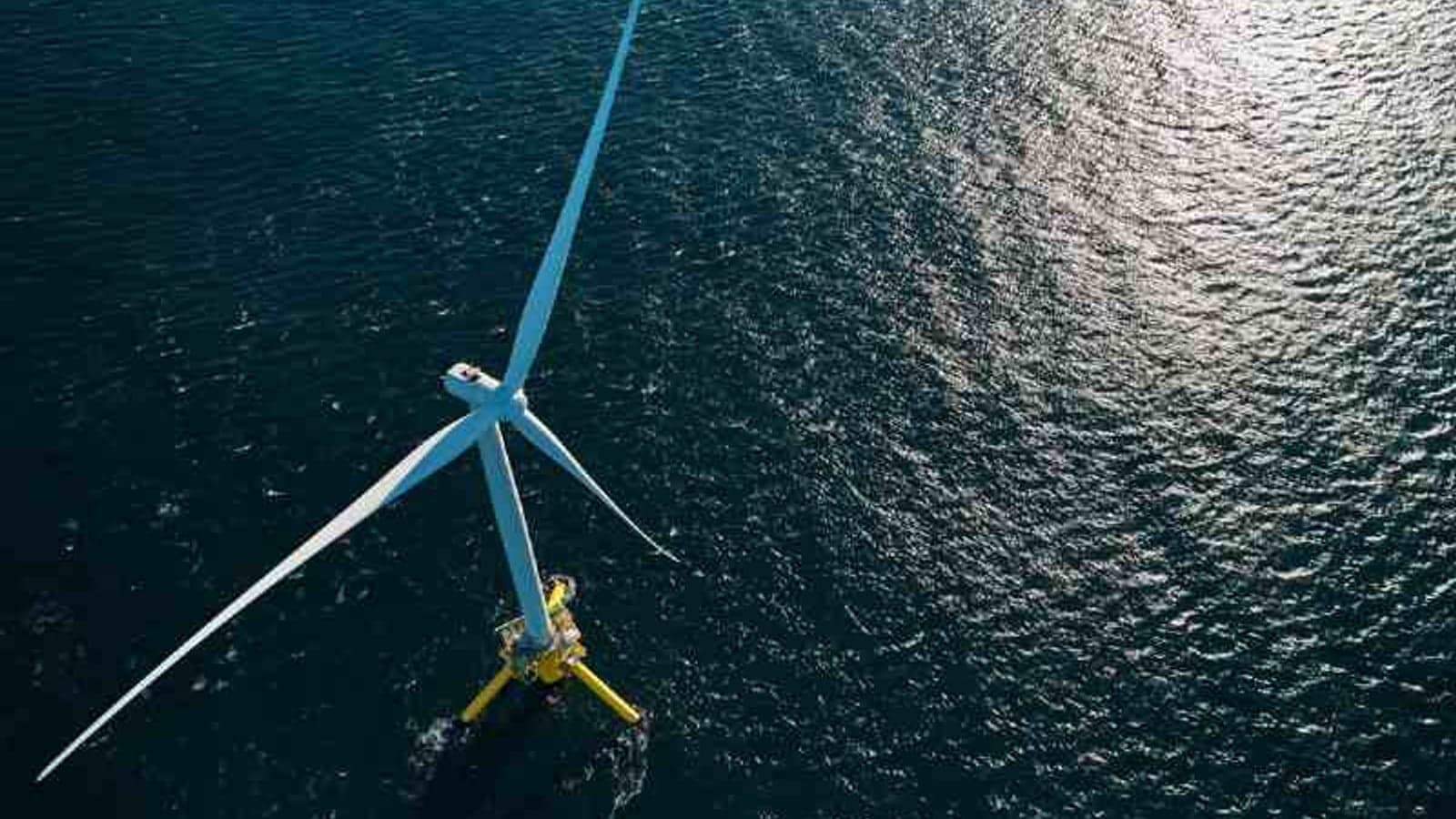
Yokogawa Electric Corp. has launched a new monitoring system for subsea cables used to transmit energy generated at offshore wind farms.
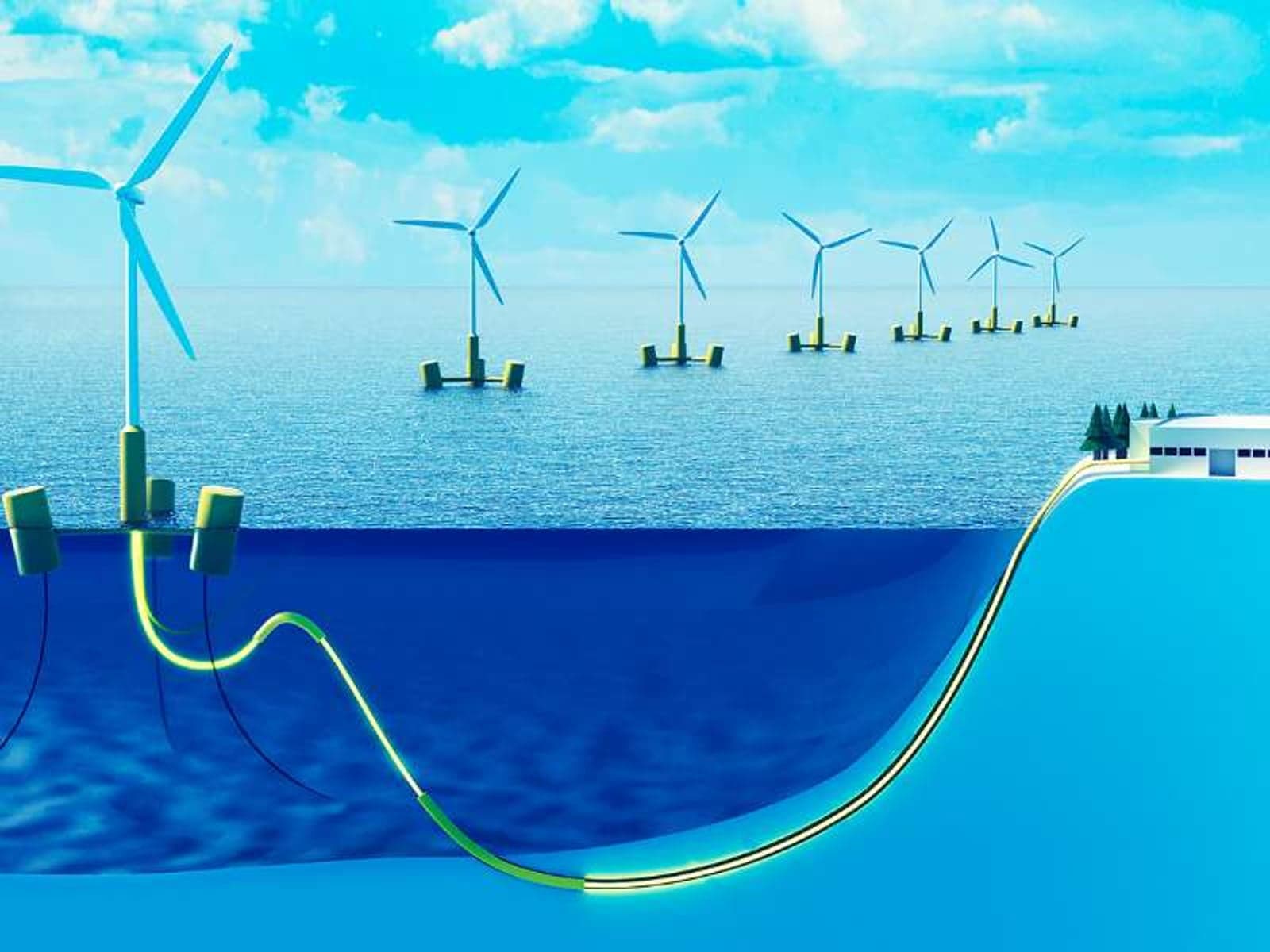
Yokogawa Electric Corporation has launched its OpreX subsea power cable monitoring, a system for monitoring cables used in the transmission of electricity generated at offshore wind power facilities.
According to the Tokyo-based electrical engineering and software company in a release, by constantly monitoring temperature increases in the subsea power cables caused by damage, the monitoring product enables condition-based maintenance and the reduction of operational costs required for inspection and maintenance.
Subsea power cables at offshore wind power generation facilities are prone to faults and damage from natural disasters and accidents, and damage to these cables can lead to significant financial losses due to disruptions in the supply of power generated by these facilities.
This makes regular inspection and maintenance essential. However, the cables are placed on the seabed over long distances, and maintenance requires the use of work vessels and divers, which results in substantial costs.
This is where Yokogawa pitches their technology, which they say is able to constantly monitor the temperature of subsea power cables and pinpoint abnormalities thanks to its DTSX fibre optic temperature sensor.
This in turn enables condition-based maintenance, in which maintenance is performed with optimum timing, reducing the costs and workload required for regular inspections and maintenances, and maximising operational efficiency. It can be applied to both new and existing offshore wind farms, Yokogawa says.
According to Yokogawa, the system can also be integrated into their OpreX collaborative information server with video monitoring and other solutions.
Have you read:
bp and JERA form global offshore wind joint venture
Parkwind looks to AI to optimise offshore wind development
Control and monitoring for Baseload Power Hub
This is the latest from the Japanese company in their moves within the energy sector to offer specialised technology.
Earlier this year in October, Yokogawa subsidiary Yokogawa Italia received an order to supply an integrated automation and energy control and monitoring system for the Baseload Power Hub, an offshore green hydrogen production and storage pilot plant within a wind farm developed by CrossWind.
The Baseload Power Hub will be located at the Hollandse Kust Noord offshore wind farm, which is 18.5km off the Dutch coast. Using excess energy generated by the 69 offshore wind turbines, the plant will employ a megawatt-scale electrolyser to produce green hydrogen that can be stored and converted on-demand into electricity by fuel cells. The plant will also include batteries for short-term power storage.
The Baseload Power Hub has a complex architecture, said Yokogawa at the time, with multiple independent systems that need to be orchestrated, coordinated and optimised by a single high-level control and monitoring system.
Yokogawa’s collaborative information server, a cross-platform supervisory control and information system, integrating industrial control systems, sensors and AI, will allow operators to centrally supervise the integrated control and safety system that is to be delivered as part of the project.
The server’s principal elements are Yokogawa's CENTUM VP process automation system, ProSafe-RS safety system and plant resource manager, as well as an energy and control monitoring system provided by BaxEnergy, an Italian company acquired by Yokogawa in June.
The order was received from the Italian EPCIC contractor Rosetti Marino SpA, the parent company of an internationally operating group of the same name that specialises in the design, construction and supply of offshore and onshore plants for oil and gas, renewables and carbon neutrality.
Latest content
+2
Rotterdam fuels its own energy transition with hydrogen
Rotterdam, headquarters of Dutch distribution system operator Stedin and home to Europe’s largest seaport, is laying the foundations for a decarbonised future with its development of hydrogen, writes Jonathan Spencer Jones.
- Jonathan Spencer Jones
- 24/11/2022