Five lessons from the energy crisis in Europe
Julia Kramer
Posted on: 22 June 2023
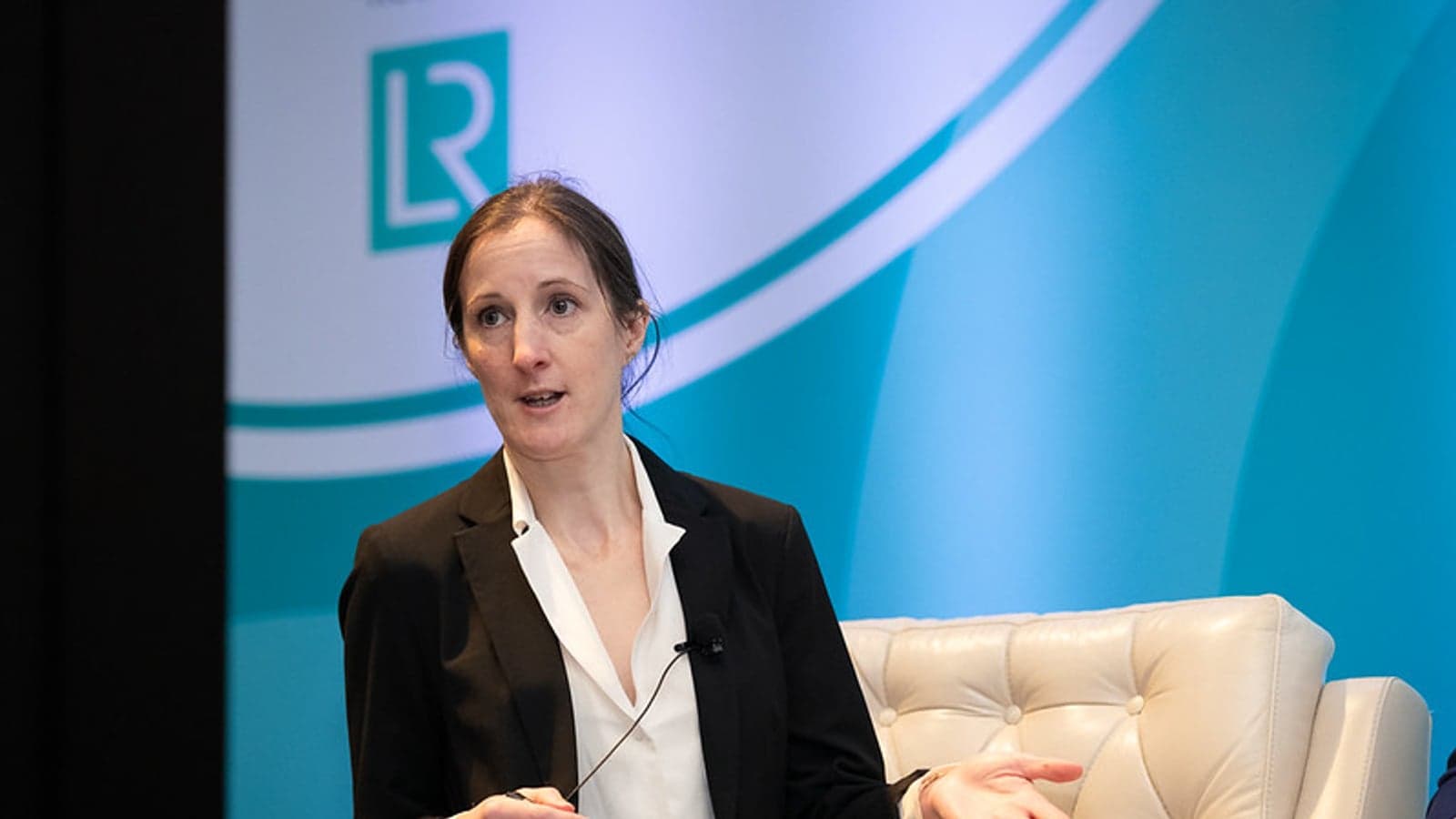
Director General for Energy at the European Commission, Ditte Juul Jørgensen, identified five lessons from the energy crisis in Europe.
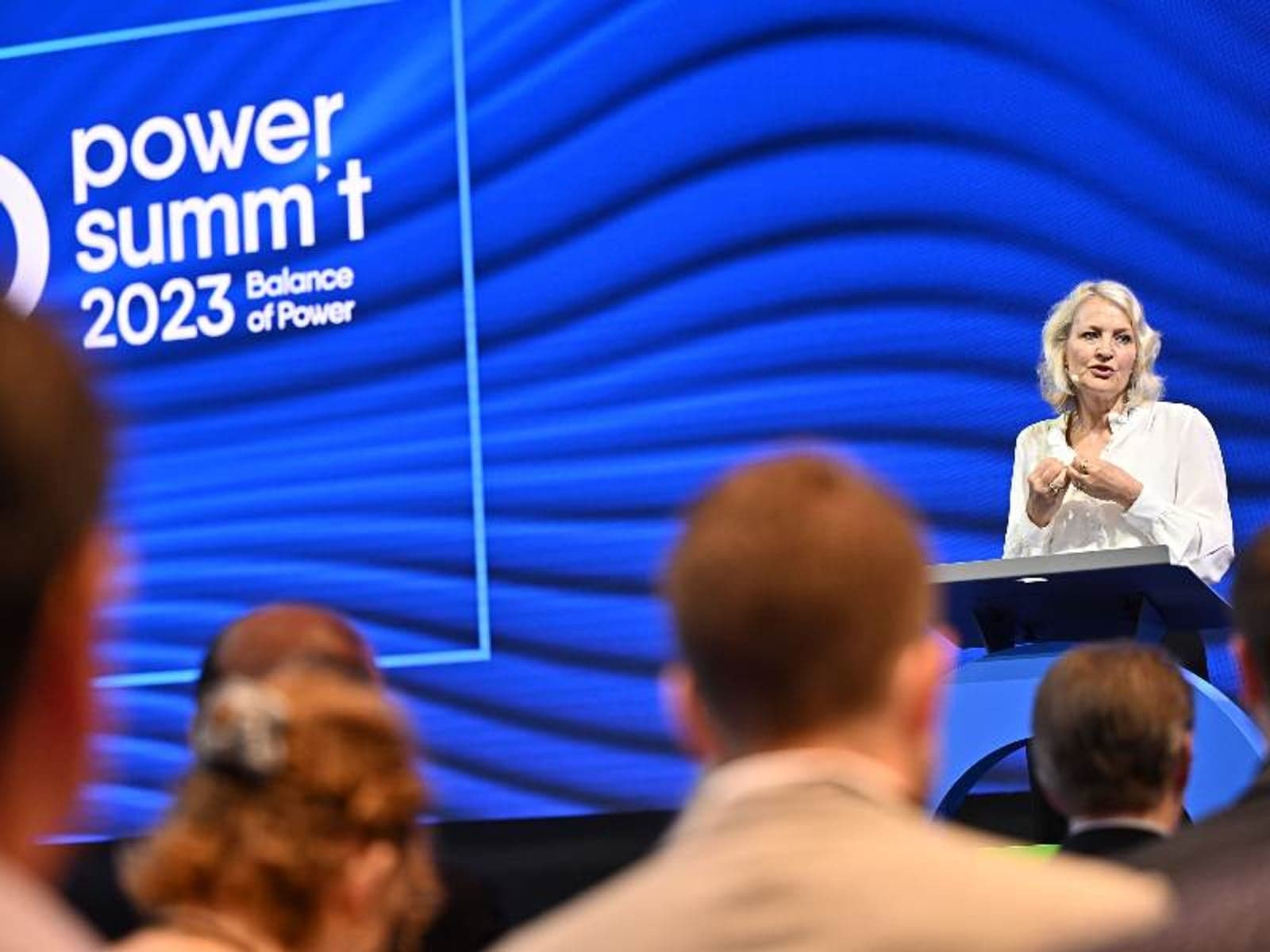
Looking back on the past one-and-a-half years of the energy crisis in Europe, Director General for Energy at the European Commission, Ditte Juul Jørgensen, identified five learnings.
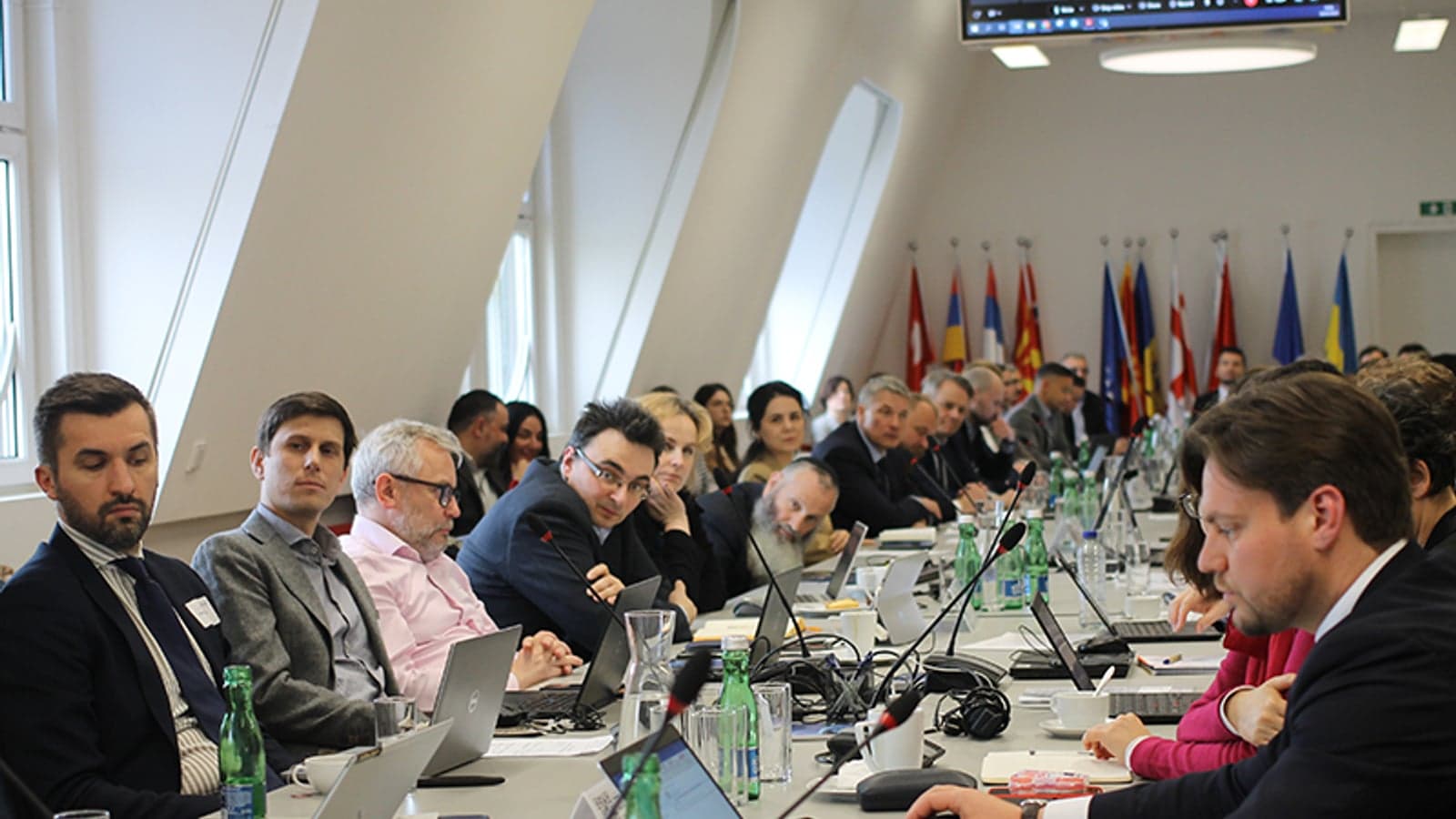
Speaking at the opening of Eurelectric's Power Summit 2023 in Brussels, Juul Jørgensen emphasized that it is good to reflect on the takeaways from the energy crisis in order to put the action steps into context.
She highlighted five lessons that the European Commission learned while managing the crisis.
1. Stronger together
"There are challenges that are of the nature that requires joint action that not one of our member states can manage on their own," said Juul Jørgensen.
According to the DG, during the energy crisis, it has become clear to all actors across Europe that "we are stronger together".
She therefore encouraged everyone to make the most of this interdependence and cooperation, in order to build the best possible approach to tackle to be ready for the change that is happening in the industry in Europe.
"We saw solidarity mechanisms, we saw joint market integration, and we saw all the regional groups, we've gone to joint purchasing natural gas to strengthen our position. All of these were common measures that no one would have thought to be possible before but that saw broad support and consensus."
Have you read?
Massive clean electrification must drive Europe’s decarbonisation – Eurelectric
Energy sector will ‘transform the world for the better’ says Engie boss Catherine MacGregor
2. International partnerships are key
According to Juul Jørgensen, the mantra of being stronger together expands beyond the borders of Europe and is also applicable to international partnerships.
She said that relationships with close allies became even closer, and the cooperation was brought to "a completely different level".
While highlighting the EU-US Energy Task Force and the cooperation between the two presidents as the first example, she also pointed to partnerships with neighbouring countries such as Norway and the UK, as well as new alliances for energy with the Mediterranean.
"And then, of course, our immediate neighbourhood, the Western Balkans, Ukraine and Moldova. We're talking about a two-way strengthening in cooperation, to help those that need help and those that need to be closer to us."
3. Build on your strengths
Juul Jørgensen acknowledged that the dependence on Russian gas was a weakness for the European Union, but at the same time, there were also a few strengths in place, namely "our internal market, our interconnectedness, existing infrastructure, our ability to work together, investment conditions."
In the crisis response, according to Juul ørgensen, the European Commission tried to build on these strengths "to make sure that the response to the crisis would strengthen and confirm our internal market as our key value."
Making solidarity operational was also key, but the EC needed to find out how to make solidarity operational and strengthen this principle, as well as clarify what it means when in an actual crisis.
Listen to the EU Projects Zone podcast
4. Allign energy crisis and climate crisis responses
Juul Jørgensen considers the energy crisis and the climate crisis to be two parallel crises. Therefore, she emphasized the importance of aligning the energy response with climate action.
"We needed to make sure that everything we did in the crisis aligned with the objective and strategic objective of climate neutrality by 2050, that we did not roll back on that objective and that we did not slow down that necessary change in our energy systems," she said.
"We saw that the European Green Deal - more renewables, more energy efficiency - would be the best way to make us more secure, not just for green energy or affordable energy, but also for our energy security and economic security. The REPowerEU pillars are in complete alignment with that drive for climate neutrality."
5. Economic, energy and climate security go hand in hand
Lastly, Juul Jørgensen emphasized that the EU's economic security is very much about energy security and climate security.
Therefore, "we need to make sure that our policy objectives work together for economic security, for strategic autonomy, for the resilience of our energy systems".
"Because of the resilience of our energy systems and with strategic autonomy, we will also be economically secure in a more classical sense."
Longer-term impact of the crisis
According to Juul Jørgensen, these lessons from the crisis inspired the rethinking of the electricity market design.
"We also learned during the crisis that there were some elements of the market that could be scraped and that could be designed in a clever way to help facilitate the [energy] transition, to help facilitate and speed up the deployment of renewable energy, but also to protect consumers and create the best possible investment additions for project developers and for those operators in the market."
The legislative process for this renewed energy market design is underway and will be discussed in the European Parliament in the upcoming months.