Creating a self-sufficient energy valley: The REFORMERS Project in Alkmaar
Guest/partner contributor
Posted on: 19 September 2024
The REFORMERS project is deploying the energy valley concept while also focusing on the integration of other renewable energy carriers.
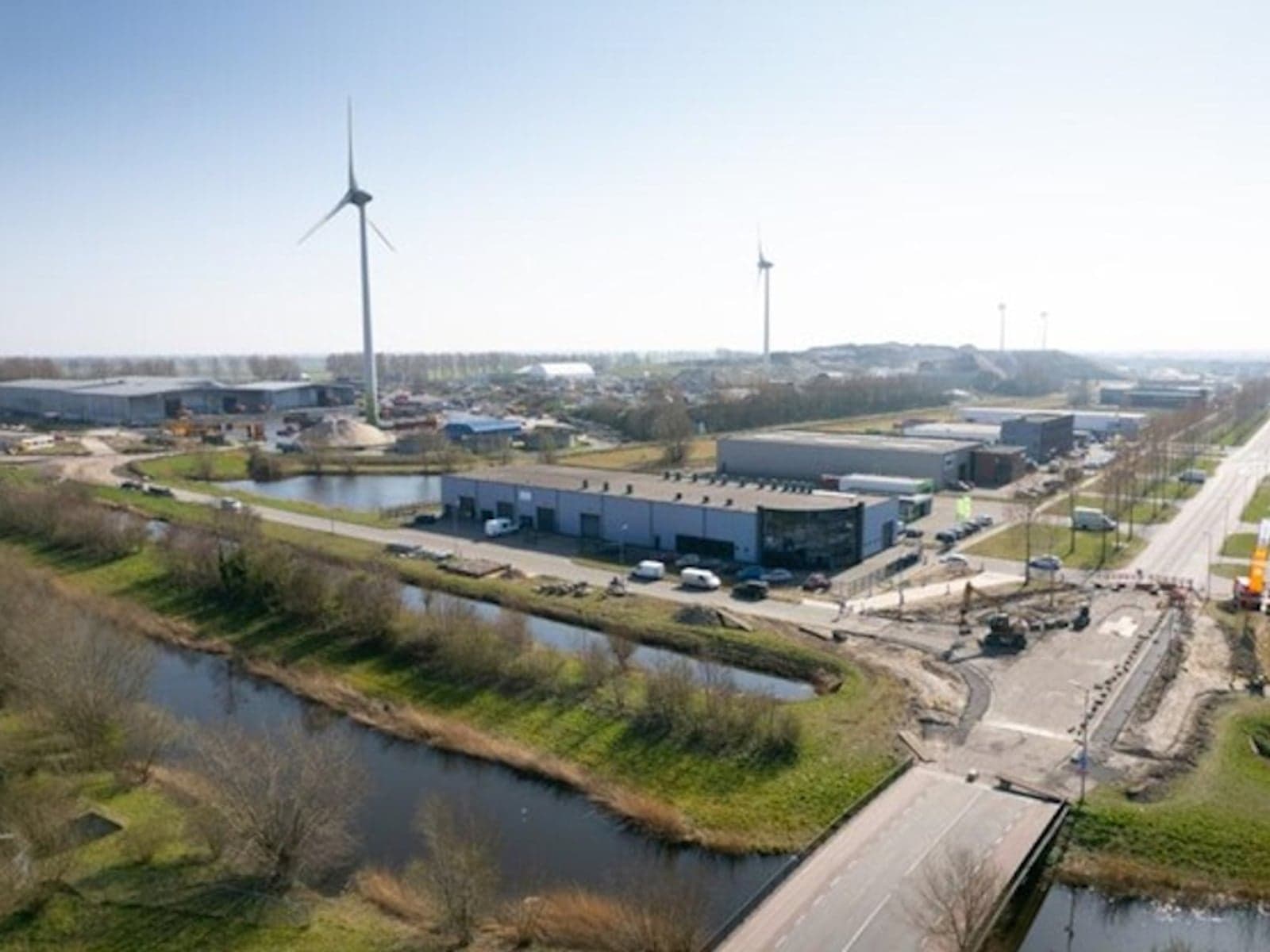
The REFORMERS project is establishing a self-sufficient, renewable energy valley in the Netherlands to serve as a blueprint for other regions across Europe in the coming decade.
The EU-funded project is deploying the 'energy valley' concept while also focusing on the integration of other renewable energy carriers, such as hydrogen, biomethane and heat. The project has adopted the approach of combining social, legal and business perspectives.
The project area, in the industrial region of Alkmaar, combines industrial peri-urban areas with urban residential developments. The goal of the REFORMERS project is to enable local businesses to generate and consume renewable energy locally, aiming to become energy-positive and carbon-neutral. The focus is heavily on producing biomethane from biowaste and increasing hydrogen production for both energy and mobility purposes.
There are around 300 businesses involved, and the project impacts approximately 3,000 people working and living within the region. Beyond the flagship valley in the Netherlands, the project also works with six replication valleys across Europe to help them develop plans for achieving energy self-sufficiency. Thanks to the additional insights gained from these six “satellites”, further opportunities can emerge and trigger mutual learning.
“The concept isn't entirely new, although it recently gained prominence due to European policies," acknowledges Professor Thierry Coosemans, the project coordinator.
"Similar concepts, like microgrids in remote areas without centralised grids or Positive Energy Districts (PEDs) in urban contexts, have existed for some time. However, scaling up these projects, as we're doing with REFORMERS, is crucial for achieving energy self-sufficiency.
"We learned from earlier projects that the larger scale is essential; small projects often lack the capacity to balance energy needs effectively. The REFORMERS project, with its focus on larger-scale implementations, is aiming to address these issues by incorporating rural areas that can provide biomass for biomethane production, helping to replace natural gas and contribute to energy self-sufficiency.”
In the Netherlands the technology is largely available. The real challenge is not the technology itself, but rather optimising the integration of different systems to work in synergy. This is a bigger technological challenge than dealing with individual components.
In Belgium, for example, there is more regulatory flexibility regarding hydrogen than in other EU countries. Belgium and the Netherlands are positioning themselves as hubs for hydrogen import into Northern Europe. While large installations are feasible, there are still considerable safety regulations to navigate, especially when setting up new installations in living labs.
This is also the case for other technologies, like battery storage or electric car chargers in garages, where safety regulations are a primary concern.
Nevertheless, according to Coosemans, energy valleys are not only feasible both technologically and socially, but crucial to achieve European decarbonization targets:
“Both mentality and legal frameworks have evolved. Communities are increasingly aware of the importance of energy autonomy, and the push for decentralised, renewable energy sources has never been stronger," explains Coosemans.
"Policies are beginning to catch up, albeit slowly, to support these changes. The societal shift towards sustainability and self-sufficiency, coupled with advancements in renewable technologies, has made the concept of energy valleys not just feasible, but essential for a resilient and sustainable future.”
For more details, contact Professor Thierry Coosemans
Find more about:
EU-funded energy projects
Energy communities
Podcast: Communities in urban energy islands
Most popular
Join the community for freeAnd get access to all content
Related projects
REFORMERS
+3
1 November 2023 - 31 October 2028
View projectLatest content
Partner content
+2
The REFORMERS Project: Balancing centralised and decentralised power systems
The REFORMERS project is deploying the energy valley concept while also focusing on the integration of other renewable energy carriers, such as hydrogen, biomethane and heat.
- Guest/partner contributor
- 29/10/2024