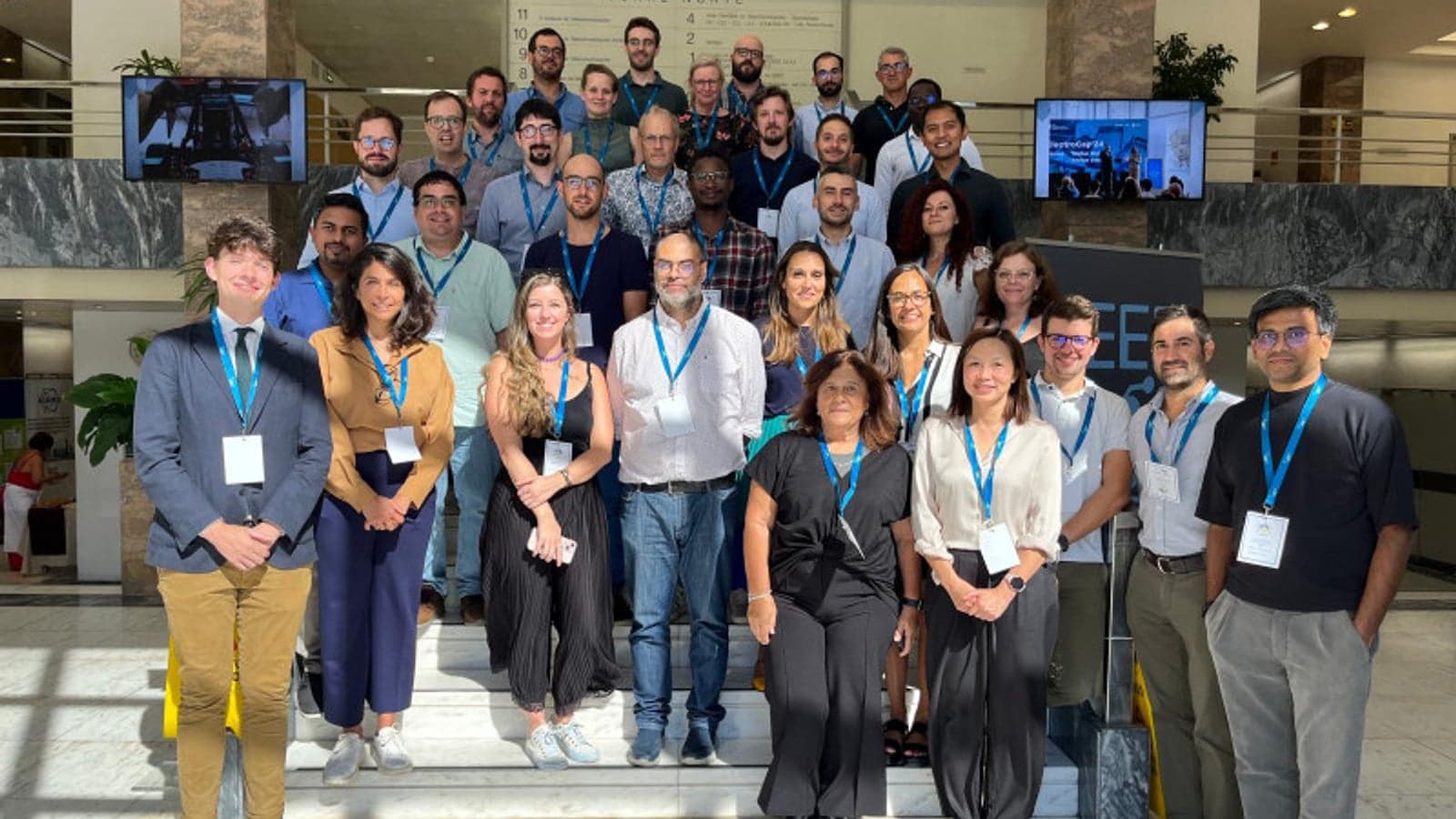
U2Demo: From harmonisation to integration in peer-to-peer energy sharing
Guest/partner contributor
Posted on: 14 November 2025
Europe’s energy landscape is rapidly evolving, and the U2Demo project is at the forefront of a movement that is redefining the way communities produce, share and consume electricity.
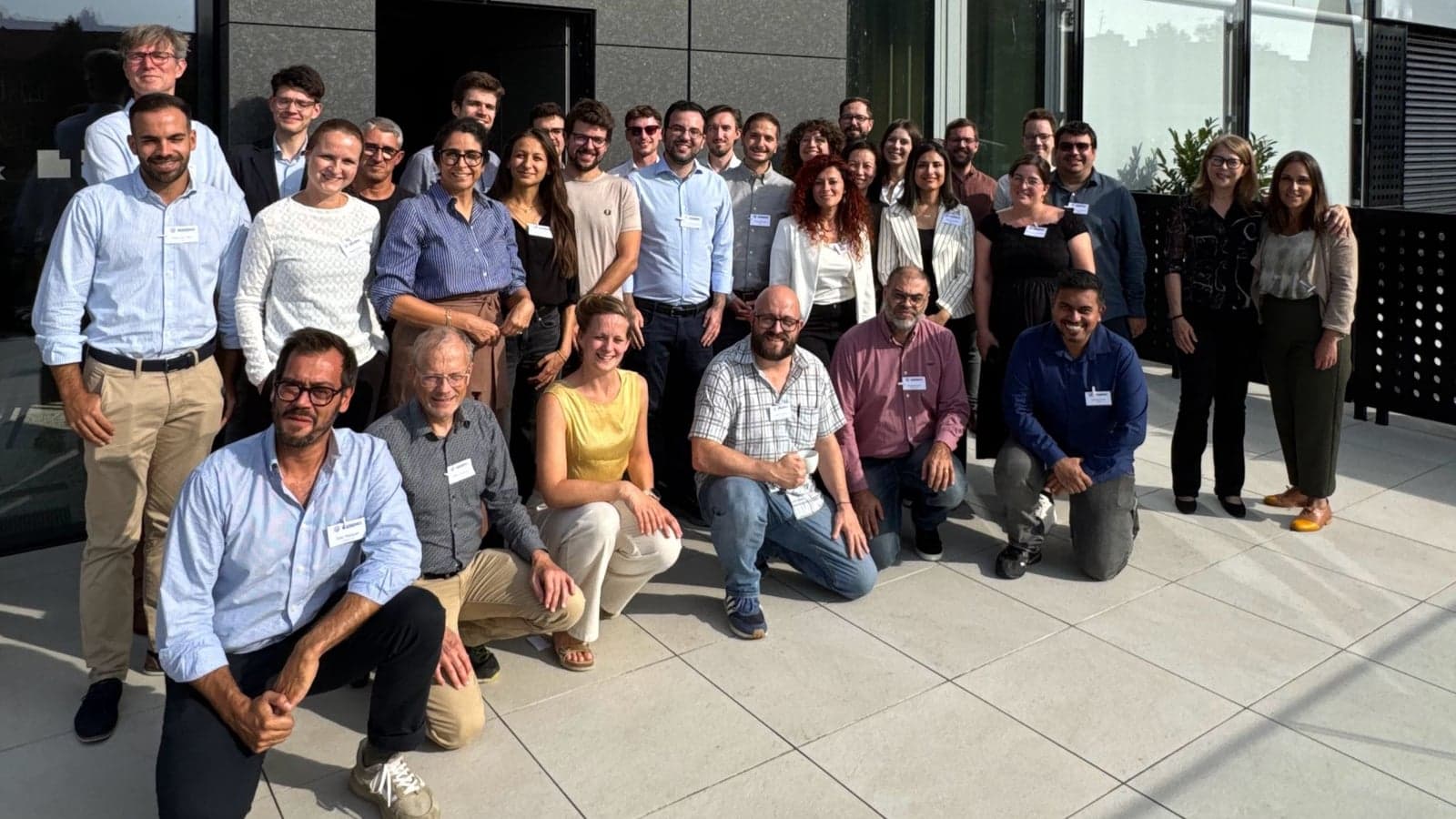
Launched under the EU Horizon Europe programme in 2024, U2Demo seeks to democratise energy access through peer-to-peer (P2P) trading and energy sharing platforms, enabling citizens to take an active role in the transition to a sustainable energy future.
From concept to community
U2Demo began with a simple idea: communities should not just consume energy – they should have the tools to produce, trade and manage it locally. In its first year, the project laid the essential groundwork by aligning legal frameworks, mapping consumer motivations, assessing open-source interoperability and defining concrete use cases for pilot sites.
These results sparked valuable discussions among partners and stakeholders, laying the foundation for the next phase of the project: building fully integrated energy-sharing solutions. The vision is clear – households, businesses and even electric vehicles will be able to participate directly in decentralised energy markets.
Innovation in practice
While the platform itself is still under development, U2Demo’s research has already produced a strong set of work that underpins future technical solutions.
The project has published multiple papers reflecting rigorous scientific and practical effort, including:
- P2P energy markets with EV integration – demonstrating how community-based P2P energy markets can leverage electric vehicles as mobile storage units, balancing local demand while ensuring privacy, decentralisation and scalability.
- Day-ahead photovoltaic power forecasting with limited data – providing methodologies to forecast solar PV output in communities with limited historical data, enabling reliable energy planning for new installations.
- Energy resources management methods – demonstrating advantages of energy management systems considering different user behaviour and profiles. In the proposed models, different objectives can be defined according to the user preferences.
Together, these publications are not theoretical exercises but represent the dedicated work of the project team to solve real-world challenges for energy communities, informing pilot design, regulatory analysis and eventual platform integration.
Navigating legal and regulatory landscapes
Technology alone cannot drive the energy transition. U2Demo has devoted significant effort to understanding the regulatory environments in which its platforms will operate.
Research comparing the legal frameworks for P2P energy sharing in Italy, Portugal, Belgium (Flanders) and the Netherlands has provided crucial guidance for communities, policymakers and energy companies.
By addressing regulatory hurdles early, U2Demo ensures that the platform can be deployed in compliance with national laws while maintaining flexibility and interoperability across diverse EU contexts.
Policy impact and recognition
U2Demo’s contributions go beyond technical development. Inclusion in the BRIDGE EU 2025 brochure highlights the project as a model of citizen-driven innovation aligned with EU sustainability objectives. Recognition from the European Sustainable Energy Awards (EUSEW) underscores the real-world impact of the project, particularly through pilot initiatives like the Klimaan project in Belgium, which empowers social housing tenants to participate actively in local energy sharing.
Demonstrating U2Demo’s dual focus: advancing scientific and technical knowledge while fostering inclusive, actionable energy solutions for communities.
Looking ahead
Building on the insights from phase one, U2Demo is now moving into the integration phase, incorporating research findings from the first year into ongoing technical development.
A central element in this stage is the continuous exchange with the pilot communities. By sharing their specific contexts, needs, and challenges, these communities ensure that the tools under development are designed to work in real-life situations and deliver tangible benefits across Europe.
The pilots play a vital role in testing and refining energy-sharing methods, P2P trading concepts, algorithmic tools and open source technologies. This iterative, collaborative approach guarantees that the final platform will be scientifically robust while remaining practical, adaptable and grounded in the everyday realities of community energy use.
Follow U2Demo’s journey toward energy democratisation on LinkedIn, BlueSky (@U2Demo.bsky.social) and on its website, and explore videos of the project’s milestones on our YouTube channel: INESCID Energy.
About the author
Hugo Morais is a senior researcher at the Portuguese R&D Institute INESC-ID and an Associate Professor at Instituto Superior Técnico, University of Lisbon. With a background in electrical engineering and a PhD in Electrical and Computer Engineering, his research primarily focuses on advancing smart grid technologies and tools. He is the coordinator of three ongoing Horizon Europe projects.