Harnessing the power of digitalisation: The Di-Hydro project
Guest/partner contributor
Posted on: 12 September 2024
Di-Hydro is a European-funded project committed to advancing the potential of hydropower plants, making them smarter, more efficient, and environmentally conscious.
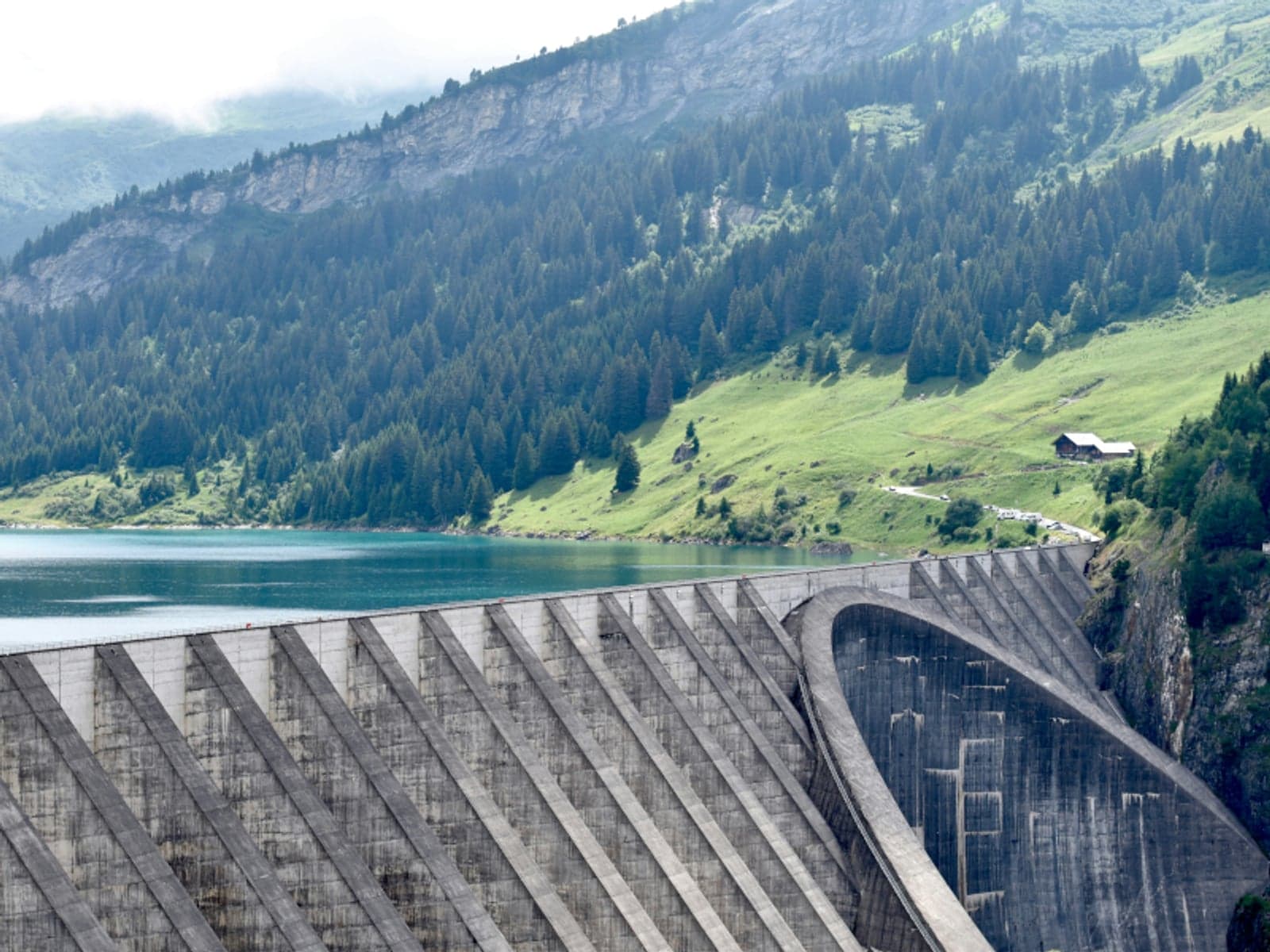
In the quest for a sustainable future, the role of renewable energy is more critical than ever. Indeed, hydropower has been providing consistent and clean energy output at a relatively low environmental footprint. However, as the demands on energy systems grow and evolve, Hydropower is faced with the challenge of keeping up at pace with such demands.
The Di-Hydro project, funded by the Horizon Europe program and coordinated by the Centre for Research and Technology Hellas (CERTH), is at the forefront of this challenge. By integrating advanced digital technologies into hydropower operations, Di-Hydro seeks to enhance the efficiency, reliability, and sustainability of hydropower plants across Europe through digitisation. With Use Case sites in Greece, Italy, and Serbia, the Di-Hydro project is not just preparing hydropower for the future— it is actively shaping such future.
The challenge: Modernising an ancient energy source
Since the early 20th century, hydropower has been a pivotal energy source that has significantly contributed to the global energy supply. However, many of Europe’s hydropower plants are now decades old and are operating with outdated technology that struggles to meet the demands of contemporary energy systems.
These plants face a set of challenges, including the need to improve operational efficiency, reduce maintenance costs, and minimise environmental impact. Furthermore, hydropower systems need to be more adaptable and responsive to the growing complexity of energy networks, which increasingly include a variety of renewable energy sources like wind and solar.
Traditional methods of monitoring, maintaining, and optimising these plants are becoming insufficient. Manual inspections and reactive maintenance can no longer keep up with the demands for reliability and efficiency. Moreover, the environmental pressures on hydropower - such as the need to protect aquatic ecosystems - are greater than ever. Without significant modernisation, these plants risk becoming inefficient, costly, and environmentally unsustainable, threatening their role in Europe’s energy future.
Find out more about:
EU-funded energy projects
Hydropower in Europe
Europe’s biggest solar-hydro hybrid plant
The Solution: Integrating digitalisation into hydropower
The Di-Hydro project aims to tackle these challenges head-on through a comprehensive digitalisation strategy. By integrating cutting-edge digital technologies into the fabric of hydropower operations, Di- Hydro seeks to bring these plants into the digital age. The project leverages a suite of advanced tools, including Artificial Intelligence (AI), machine learning (ML), Internet of Things (IoT) sensors, real- time data analytics and decision support tools to assist hydropower plant managers in operations and maintenance, as well as production decision making.

The project is structured around three key Use Cases with pilot technologies being applied in hydropower plants provided by PPC, A2A and EPS power generation companies. Each use case is located in a different European country, reflecting diverse operational contexts and challenges.
In Greece (PPC), the use case is centred around optimisation of operation and maintenance through the development and application of sensor nodes, for continuous and structural health monitoring of equipment or infrastructure across 3 hydropower plants. Machine learning algorithms will be developed and used to analyse vast amounts of operational data, identifying patterns that can predict equipment failures before they occur. This proactive approach to maintenance is expected to significantly reduce downtime, increase the lifespan of critical components, and lower the overall cost of operation. In addition, this use case will include the development of a digital twin (DT) of one of PPC’s hydropower plants, focusing on data integration from sensors and physical sources for better plant monitoring and optimisation.
In Italy (A2A), the focus lies on inflow forecasts and complex modelling of the catchment area for two hydropower plants (HPPs) in specific Italian locations, crucial for efficient plant management and safety. Digital approaches utilising various data sources and AI techniques will enhance forecast accuracy. Challenges include modelling complexity of the water cycle and uncertainty in meteorological forecasts.
In Serbia (EPS), the use case focuses on the development of a real-time water quality monitoring system, offering early warnings to the Međuvršje hydropower plant, which will address environmental impacts and socio-economic sustainability. Challenges include pollution mitigation and data sharing reluctance.
The Impact: Paving the way for a greener future
The potential impact of the Di-Hydro project is profound, with benefits that extend far beyond the immediate improvements in hydropower operations. By digitalising these plants, Di-Hydro aims to increase their operational efficiency, reduce maintenance costs, minimise their environmental impact and improve energy production decision making, taking into consideration the energy market and all the aforementioned parameters. These outcomes are essential for the long-term sustainability of hydropower as a key component of Europe’s renewable energy mix.
For instance, the use of predictive maintenance in the Greek use case is anticipated to reduce unplanned outages by up to 30%. This not only enhances the reliability of energy supply, but also results in substantial cost savings and a reduction in the environmental impact associated with emergency repairs and equipment replacements.
Similarly, the inflow forecasting in Italy is expected to enhance the efficiency by up to 10%, contributing to a better safety and optimal dispatching to energy markets
Additionally, the insights and technologies developed within the Di-Hydro project will have broad applications across Europe and beyond. The standardised methodologies and digital tools created by Di-Hydro have the potential to become a model for digitising hydropower plants globally, accelerating the global transition to cleaner, more efficient energy systems.
However, the effects of Di-Hydro are not limited to technological advancements. By improving the efficiency and sustainability of hydropower plants, the project also contributes to broader societal goals, including energy security, economic growth, and environmental protection. As Europe strives to meet its ambitious climate targets, projects such as Di-Hydro are crucial in ensuring that all forms of renewable energy, including hydropower, are optimised for the future.
A vision for the future of hydropower
The Di-Hydro project envisions a future of hydropower where digitalisation plays a central role in ensuring that this vital energy source remains efficient, reliable, and sustainable.
By integrating advanced digital technologies into the core operations of hydropower plants, Di-Hydro is not only addressing the immediate challenges of modernisation but also paving the way for a greener, more resilient energy future. As the project continues to evolve, it will undoubtedly provide valuable insights and innovations that will shape the future of hydropower in Europe and beyond.
Most popular
Join the community for freeAnd get access to all content
Related projects
Di-Hydro
+3
1 October 2023 - 30 September 2026
View projectLatest content
Partner content
+2
Innovations to accelerate the decarbonisation journey
ABB’s Marco Tellarini, Senior Vice-President – EMEA Region, Electrification Service, delves into the innovations that are enabling utility and industrial customers to accelerate their decarbonisation.
- Enlit Editorial Team
- 22/10/2024