How to win the battle for the best energy talent
Julia Kramer
Posted on: 26 March 2025
For Manuel Vila of Iberdrola, the energy transition is not only about technological innovation to take better care of the planet. It is also about caring for the people working in the energy industry.
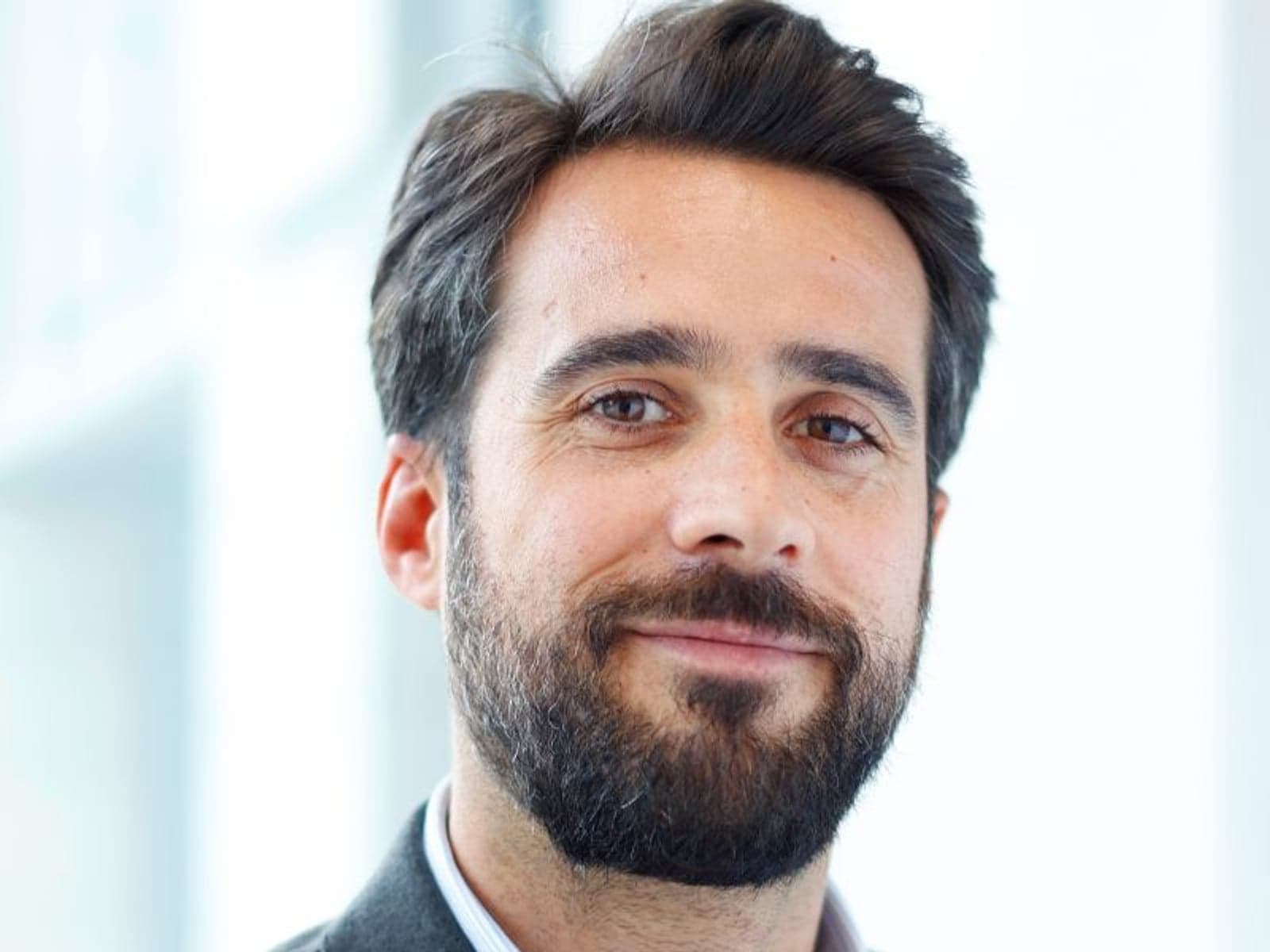
For Manuel Vila of Iberdrola, the energy transition isn't just about technological innovation to take better care of the planet: it's about caring for the people working in the energy industry.
When Vila joined Iberdrola two years ago as the global talent acquisition and employer branding manager, he started his mission to change the way the energy giant was attracting and acquiring people.
He is now leading the Global Green Employment platform, a guidance resource for green jobs currently available in Spain, Mexico and the United Kingdom and due to be rolled out globally.
According to the Global Green Employment’s tagline, it “will help you to navigate your future in energy transition”. That’s not only a noble cause, but also a business strategy, explains Vila. “We [Iberdrola] are a very demanding business, so we need the right people, in the right place, with the right skills.”
And that’s easier said than done, because energy companies around the work are facing a similar challenge: there are simply not enough engineers and other qualified people available, and all firms are fishing in the same talent pond.
Vila says innovation "is at the top of our culture. We are looking for brains, looking for how people think, and how they react to problems or situations.
"It’s challenging to find those people, because we are competing with a lot of companies for the same profiles. It’s not just other energy companies: we are competing with engineering companies and with Google and Amazon.”
The Global Green Employment platform is Iberdrola’s attempt to stand out and connect green talent with green jobs and training opportunities. “We are kind of a start-up within a huge company,” says Vila.
And yes, it is in the first place about finding the best talent for Iberdrola’s business units, however other stakeholders such as public administration, academia and other companies are encouraged to make use of the platform and to collaborate.
Collaboration with different stakeholders
In fact, Vila believes that energy companies can’t solve the workforce challenges alone.
Part of the struggle to find the right people is related to the gap between industry needs and the education system. “Right now, we are trying to fix the problem at the end of the line, not at the start of the line,” he says.
“The main problem is that we are not teaching people the skills that we will need in 10 or 15 years. There’s a huge gap. That’s why we are working very closely with all kinds of partners: public administration, private companies, training centres, and universities.”
Even though this collaboration is not always easy - different stakeholders have different interests and workflows - Vila believes that people are ultimately united in the same cause, namely to have as many people employed as possible. Or, as he phrases it: “Unemployment is not a very good thing.”
This is also why he believes that government has an important role to play, because “public administration has access to unemployment data, and we need them to assist with resources and coordination because they are very visible to citizens”.
Finding new candidates
Competition and education are not the only reasons why energy companies struggle to attract talent. There is also room for improvement when it comes to companies' own communication and recruitment strategy.
Historically, the industry didn’t really need to make a lot of effort to get the word out about their vacancies and highlight extensive employee benefits. That has changed significantly, even for a company like Iberdrola, a serious global player and known as an early adaptor of renewable energy.
“We now created an employee value proposition and we started with social recruitment. You have to translate your offer to the right audiences via different channels,” explains Vila. “You have to think that your future candidates are also your clients, so you have to sell them your proposal of why you are the best company to work for.”
It is, however, not just about the channel, says Vila: it is also about the message. “The new generation entering the workforce has a sustainability mindset. We need to push the right buttons and make them feel that taking care of the world is one of the most important jobs in the world.”
Artificial intelligence
And then there is the elephant in the room… AI. Is it a threat or an opportunity?
Vila believes that AI is a revolution that the energy sector needs to incorporate as soon as possible. “The companies that grasp this opportunity first will be able to advance much quicker than others. Few people know about these technologies now.
"We are partnering closely with some of the most important technology companies and digital consultancies. Currently, they have the deepest knowledge of these tools.”
Vila explains that Iberdrola has a good feeling about the implementation of AI across the business, but that they first focus on the adoption of the technology before going to market to recruit the right profiles. Having said that, Vila has no doubt that AI will be influencing the energy workforce. For example, he believes that “manual jobs are going to be better paid than other jobs in the office that can be replaced by AI".
AI is also being implemented in recruitment processes, because “recruitment has so many tasks that add no value to the candidate that can be automated”. Also, Vila incorporated AI in the Global Green Employment platform and uses it to match vacancies with the right people.
Reskilling and upskilling
And what about the existing workforce? Without a doubt, some of the jobs in the energy sector will disappear over time due to the energy transition’s changing needs, or automation and AI. “I feel very emotional about this because we are talking about people’s lives, but also about something so important like taking care of the planet,” says Villa.
He says that the platform helps to understand the changing needs and necessities of energy companies, and tries to offer assistance to people who need to explore a new path within the sector.
“If we are talking about people with five, 10, 15 or 20 years of experience, they have very good skills and they are a very useful workforce,” says Vila.
He believes that the first step is to measure the gap between the person’s old job and the new job, which is why they built a CV analysis tool into the Global Green Employment platform.
“You can upload your CV, and with the help of AI, we can tell you what your main soft skills are, what the gap is, and the training that you need to prepare for the right job.”
For companies internally, Vila says it is important to focus on retaining talent and offering clear opportunities for personal development or reskilling.
“At Iberdrola, our motto is that we don’t want to leave anyone behind. It is difficult because we have so many people working for us, but we believe that anyone can update or refine skills to stay needed."