Bridging the green skills gap
Guest/partner contributor
Posted on: 16 June 2025
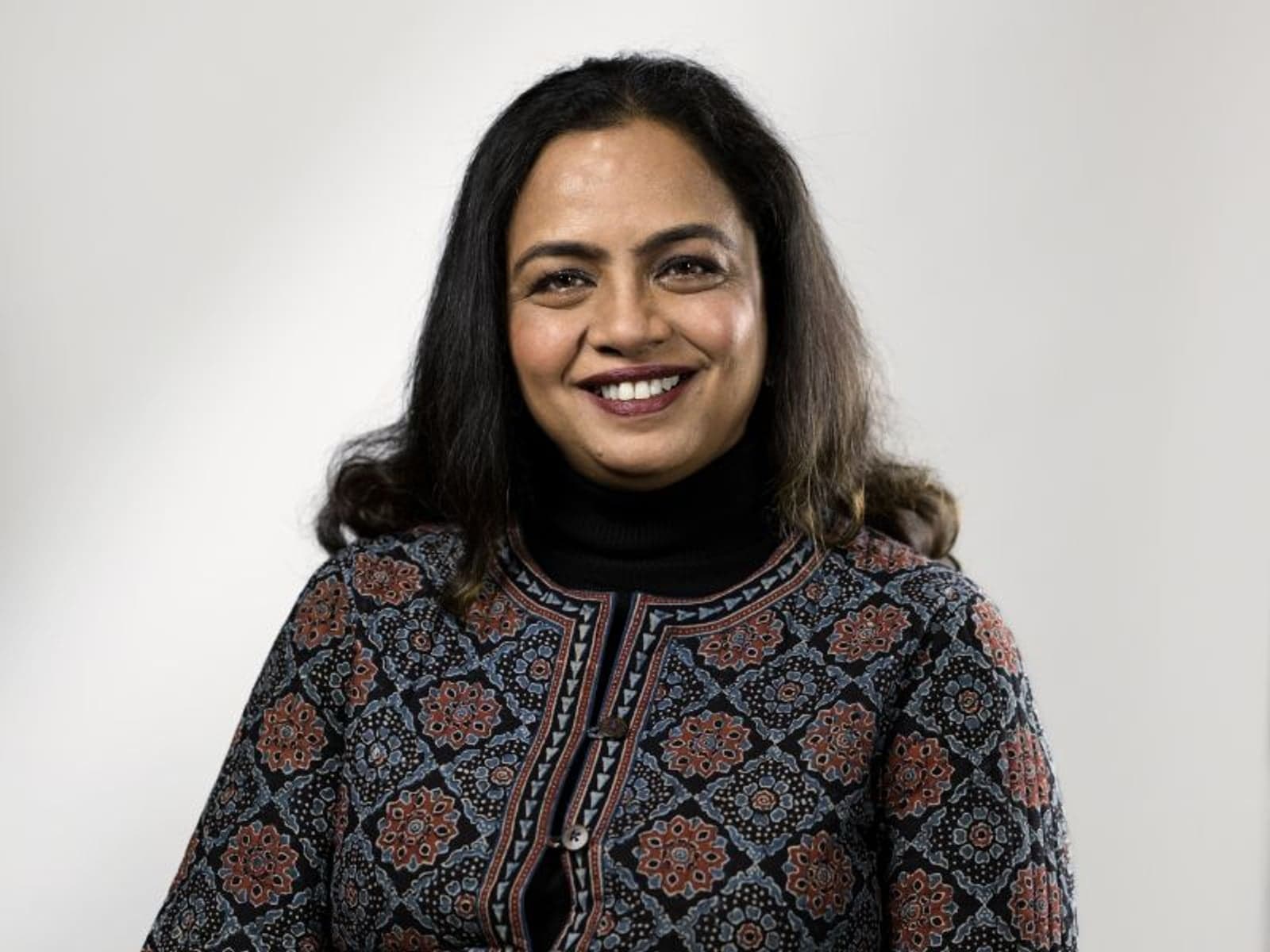
Young people are highly motivated to take climate action; what is needed now is to match that desire with real pathways to close the green skills gap, writes Sarika Naik, Chief Corporate Responsibility Officer at Capgemini.
Young people are highly motivated to take climate action; what is needed now is to match that desire with real pathways to close the green skills gap, writes Sarika Naik, Chief Corporate Responsibility Officer at Capgemini.
Climate change is not a far-off threat - it is already shaping how we live, learn, and work. Every day, young people are witnessing the realities of a warming planet. They see the impacts in their communities, in the news, and in the choices ahead of them. What stands out most is their determination to be part of the solution.
A recent report from Capgemini Research Institute and UNICEF Generation Unlimited reveals that across the globe, more than 60% of young people are highly motivated to take climate action. Despite this passion, there remains a significant gap between youth motivation and their ability to contribute in practical ways.
Matching motivation with meaningful opportunities
Young people want to build, to innovate, and to help create a more sustainable world. The energy and drive are unmistakable. Yet only 44% of youth globally feel equipped with the skills needed for green jobs. This gap is even more pronounced in low-income and rural areas, where just one in three young people feel prepared for opportunities in the green economy. Too often, students who are passionate about renewable energy or sustainable design have never had the opportunity to study these subjects or lack access to the digital tools and resources that would bring their ideas to life.
These numbers reflect a reality that is both sobering and hopeful. The desire to contribute is there; what is needed now is to match that desire with real pathways. When young people are given equitable access to training and resources, we all benefit. Closing the opportunity gap means looking at everything from curriculum design to mentorship programs to internships - especially in communities that have been historically underserved. Only by broadening access can we make sure no talent is left untapped.
More insights about workforce & skills:
The energy workforce: A human capital conundrum
How to win the battle for the best energy talent
Redefining green skills and who gets them
For many, green skills conjure up images of recycling or turning off lights - important habits, but not nearly enough to meet the demands of the green transition. 70% of young people still associate green skills primarily with these basic actions, rather than the scientific, technical, and creative abilities needed for real transformation. In fact, in some regions, knowledge about sustainable infrastructure has declined by 12% over the past year, highlighting the need for a renewed focus on advanced skills.
The reality is that today’s green economy needs more than awareness. It requires skills in coding, systems thinking, sustainable design, engineering, and data analysis. In lower-income areas, while more young people are learning about water conservation, few have had the chance to work directly with climate technology or participate in hands-on projects. Ensuring that all youth - not just those in the most privileged areas - have access to modern, relevant education is key. This means updating what is taught, how it is taught, and who has access to these opportunities.
It also means recognising that green skills are not just for those pursuing careers in science or engineering. Creative skills - like design thinking, entrepreneurship, and communication - are just as vital for driving climate innovation. By broadening the definition of green skills, we create space for every young person to find their role in the transition, whether they want to join a start-up, design new products, or engage their communities.
Let youth shape the solutions
Young people are not just looking for guidance - they are ready to lead. Nearly three-quarters want to influence climate policy, and many are already leading projects, launching start-ups, and advocating for change in their communities. However, less than half feel their voices are truly heard or acted upon in policy discussions.
There is a tremendous opportunity here. When young people feel listened to and supported, their ideas can drive real innovation. Involving them more deeply at every stage - from policy development to project implementation - helps ensure solutions are relevant and sustainable. This might mean creating more youth advisory boards, supporting youth-led research, or inviting young people to co-design training programs and climate initiatives. The key is to move from consultation to meaningful collaboration.
Systemic changes, not small fixes
Despite the high motivation among youth, 78% have never participated in any practical green skills training. This gap between enthusiasm and hands-on experience highlights the need for a systemic approach. Small tweaks are not enough. Climate and sustainability education need to be integrated across all levels of learning, from primary school through higher education and vocational training.
Systemic change also means making practical experiences, such as internships, apprenticeships, and project-based learning, widely available. These opportunities should not be limited to a select few or specific regions. By working with employers, non-profits, and governments, we can build clear pathways from learning to employment, so young people see a tangible future in the green economy.
Investing in youth ideas and giving them room to experiment is equally important. Whether it’s supporting student-led projects, providing seed funding for green start-ups, or creating platforms for youth to share their solutions, creating space for experimentation can accelerate progress. Initiatives like UNICEF’s Green Rising, aiming to engage 20 million young people in climate action by 2026, show what is possible when ambition is matched by investment.
A matter of equity and urgency
At its heart, closing the green skills gap is about fairness and inclusion. Too much still depends on where a young person grows up, what resources they have, or who they know. The transition to a green economy will only succeed if it works for everyone - businesses, communities, and individuals alike. When young people are equipped and included, progress is faster, solutions are more creative, and outcomes are more sustainable.
This is also a matter of trust. The next generation is looking to business leaders, educators, and policymakers to provide real opportunities and support. If we do not act, we risk losing not only their ideas and energy but also their trust in the process.
Looking ahead
Young people are not waiting for permission - they are already taking action, often leading the way. The challenge for the rest of us - whether we are in education, business, or government - is to catch up to their pace and potential. This means building stronger systems, opening more doors, and investing in youth leadership and skills from the ground up.
It is encouraging to see bright spots emerging from large-scale initiatives like Green Rising to local community projects driving change. But to truly close the green skills gap, these efforts must become the standard, not the exception. We all have a role to play in making this happen - by partnering across sectors, listening to youth voices, and providing the resources and support needed for every young person to succeed.
If we are serious about climate action, prioritising green skills for young people is the place to start. By working together, we can help create a more sustainable and equitable future for everyone - one where every young person has the skills, confidence, and opportunity to lead.
Related tags
Latest content
+1
Why connection and confidence are key for women in engineering
The engineering profession is evolving rapidly and requires collaboration, creativity, and the inclusion of perspectives that reflect the world we’re designing for. That’s where team culture and diversity play a central role.
- Guest/partner contributor
- 23/06/2025