Why Portugal offers the perfect playground for wave energy developers
Pamela Largue
Posted on: 14 October 2024
Portugal is establishing itself as a hotbed for wave energy developers, providing the factors needed to allow these technologies to forge ahead on the path to commercialisation.
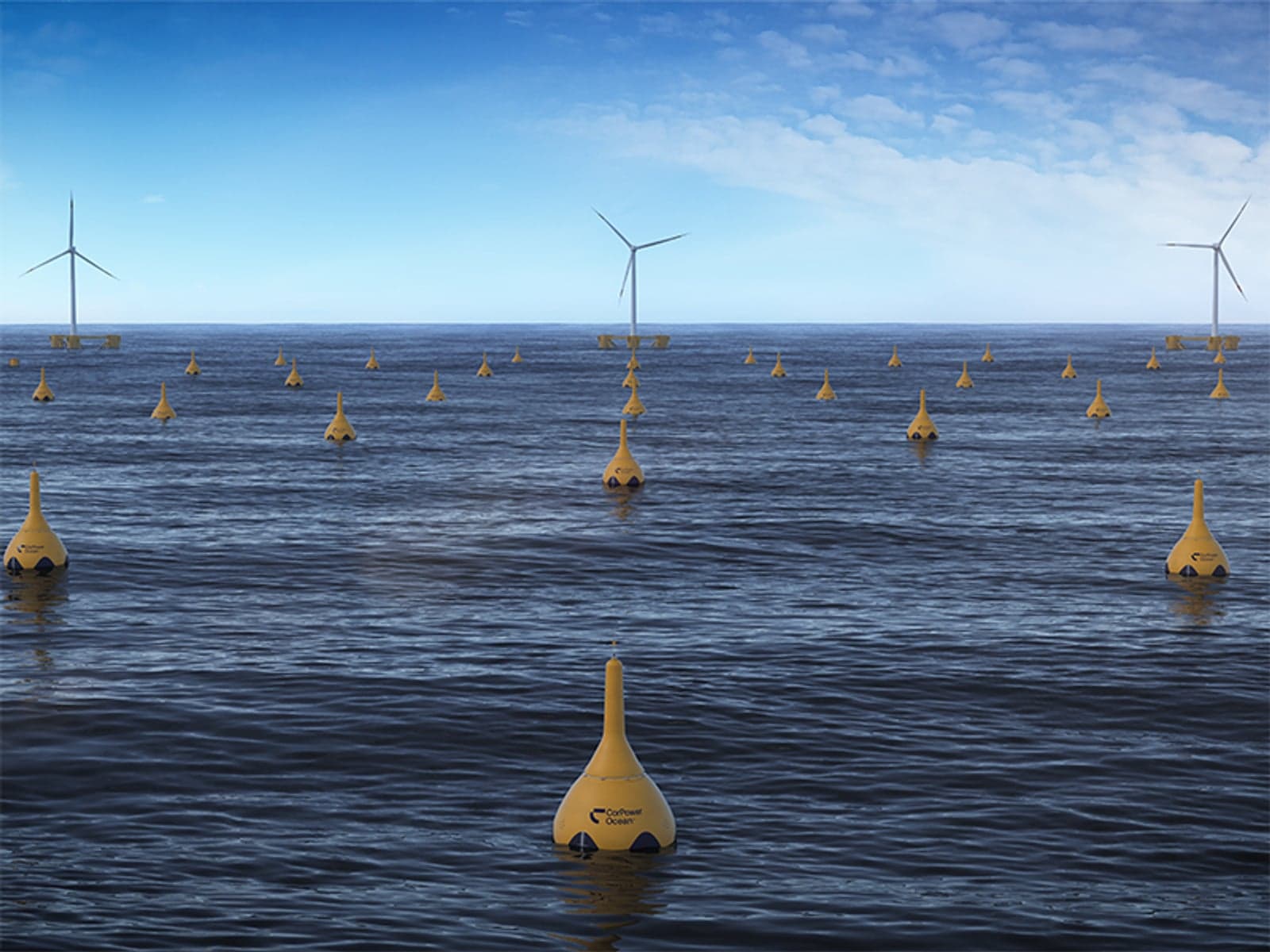
Portugal is establishing itself as a hotbed for wave energy developers, providing the factors needed to allow these technologies to forge ahead on the path to commercialisation.
Portugal has a historic connection with wave energy which began in the 1970s, and since then various private companies and nonprofit entities have been involved in the research and development of various wave energy technologies.
As a result of these efforts, more than 60 Portuguese patents in ocean energy have been registered. The fact is that the country lends itself to this kind of R&D. Physical infrastructure at seaports has been geared to the development and adoption of wave energy technologies, and supportive regulatory frameworks and enthusiastic communities have certainly made Portugal an ideal location for developers.
The work being done in Portugal is encouraging. However, challenges persist – challenges that need to be addressed to ensure a sound business case that encourages buy-in from investors.
The state of wave energy
Wave energy offers one of the most stable of generation profiles, and its ability to produce consistent utility-scale power makes it a perfect fit with other intermittent renewable sources. The Intergovernmental Panel on Climate Change (IPCC) puts the potential annual global production from wave energy at 29,500TWh - almost ten times Europe’s annual electricity consumption of 3,000TWh.
Have you read?
Is wave energy the key to a balanced electricity system?
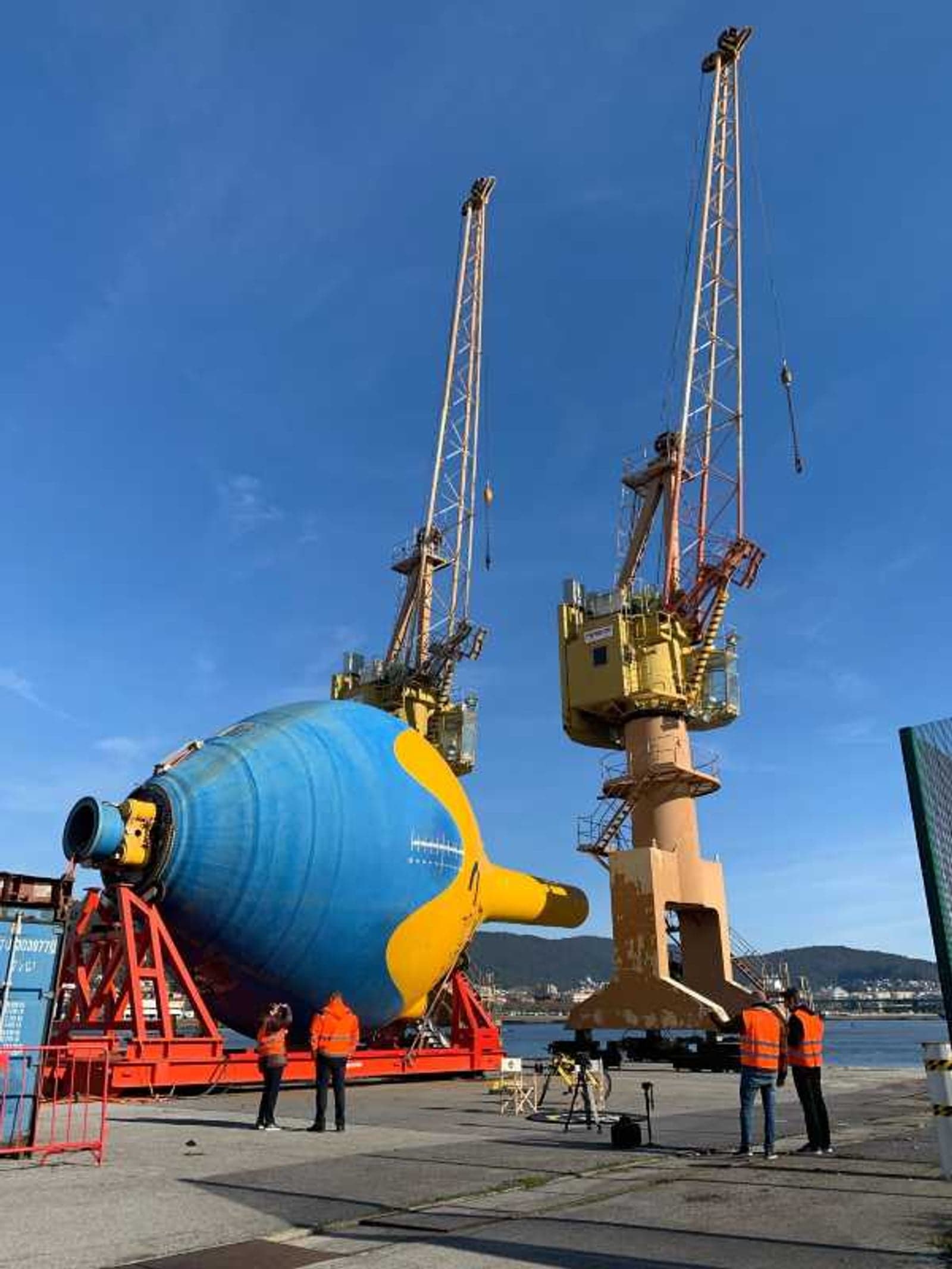
CorPower delivers composite hull for wave energy converter
However, we are not yet tapping into this potential, and there are clear reasons why. An important factor is that the sector lacks maturity. Wave energy devices and their designs are as varied as the types of waves themselves, and the equipment is costly and, in some instances, unproven. But how far away are we from fully fledged, utility-scale, commercial wave energy projects that will begin to deliver on that 29,500TWh potential?
The wave energy sector has undergone significant growth and development over recent decades. The sector has indeed come a long way since the first known wave energy converter patent was registered in 1799 by French mathematician and engineer Pierre-Simon Girard.
However, despite this progress, the sector is still in the process of optimising the configuration of wave energy converters (WECs). The technology is yet to converge, and the technology readiness level mainly allows for experimental tests in controlled environments.
This contrasts with the wind power sector, for example, where horizontal axis three-blade wind turbines are standard. This standardisation has brought a level of technological maturity and a lower levelised cost of electricity, as well as ensured a low-risk investment landscape. But could a similar one-size-fits-all approach work for wave energy?
Studies suggest not.
Rather, WECs are far from being standardised, and tend to be developed according to different working principles.
Among the main types of converters, • a point absorber is a floating buoy that absorbs energy through the movement of the waves at the water’s surface; • an oscillating wave surge converter is mounted on the seabed in shallower water, and harnesses wave energy with an oscillating flap; • an oscillating water column is a partially submerged, hollow structure which is open to the sea water below the surface and connects to an air turbine above through a chamber.
As the waves rise and fall, the air in the chamber is pushed back and forth through the air turbine, generating power. There are several variables one must take into account when considering how best to harness the power of waves. These include distance from the coastline, seabed morphology, water depth, impact on coastal alignment and protected areas, and competing uses of the ocean (such as shipping lanes).
Equally important considerations are available grid connections and harbour infrastructure. The variation in technologies and solutions clearly makes commercialisation a challenge. But has wave energy actually proved itself? The short answer is yes. Several projects have indeed demonstrated the viability of wave energy to produce utility-scale power, have shown survivability in harsh ocean conditions and, almost equally importantly, have earned the approval of seafaring locals and fishermen.
It’s these exact outcomes that wave energy technology developers are able to achieve in Portugal, as evidenced by two developers in particular, namely CorPower Ocean and Eco Wave Power.
Also of interest:
Site visit: Preparing wave energy farms of the future
Inside the O&M base for a floating offshore wind project
CorPower Ocean
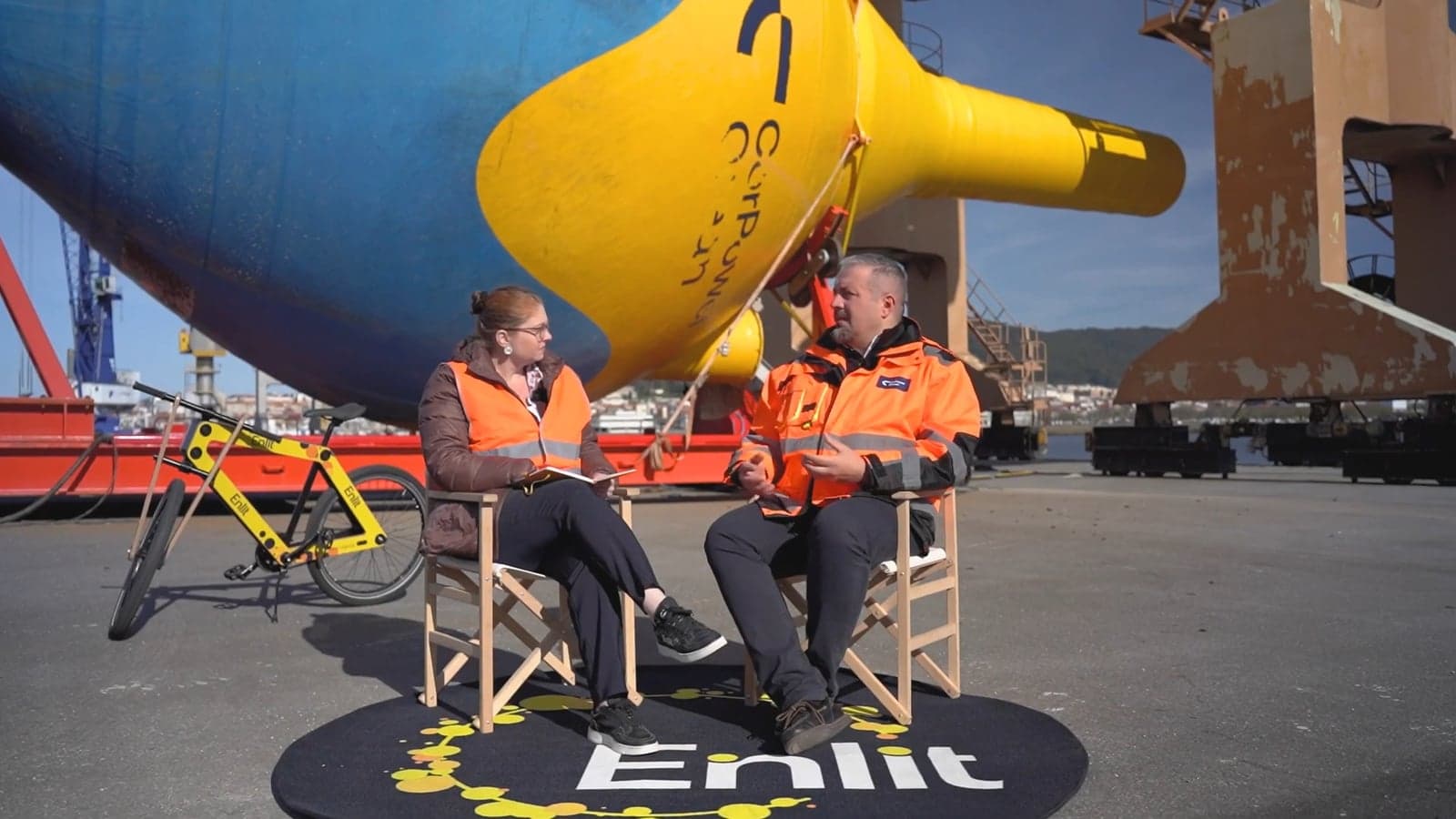
According to CorPower Ocean’s managing director, Miguel Silva, Portugal was a logical choice as a testing ground for their wave energy kit.
“There’s basically a very positive ecosystem where this kind of work can be done. We decided to seat our base here in Viana do Castelo, because we had huge support from the local municipality.”
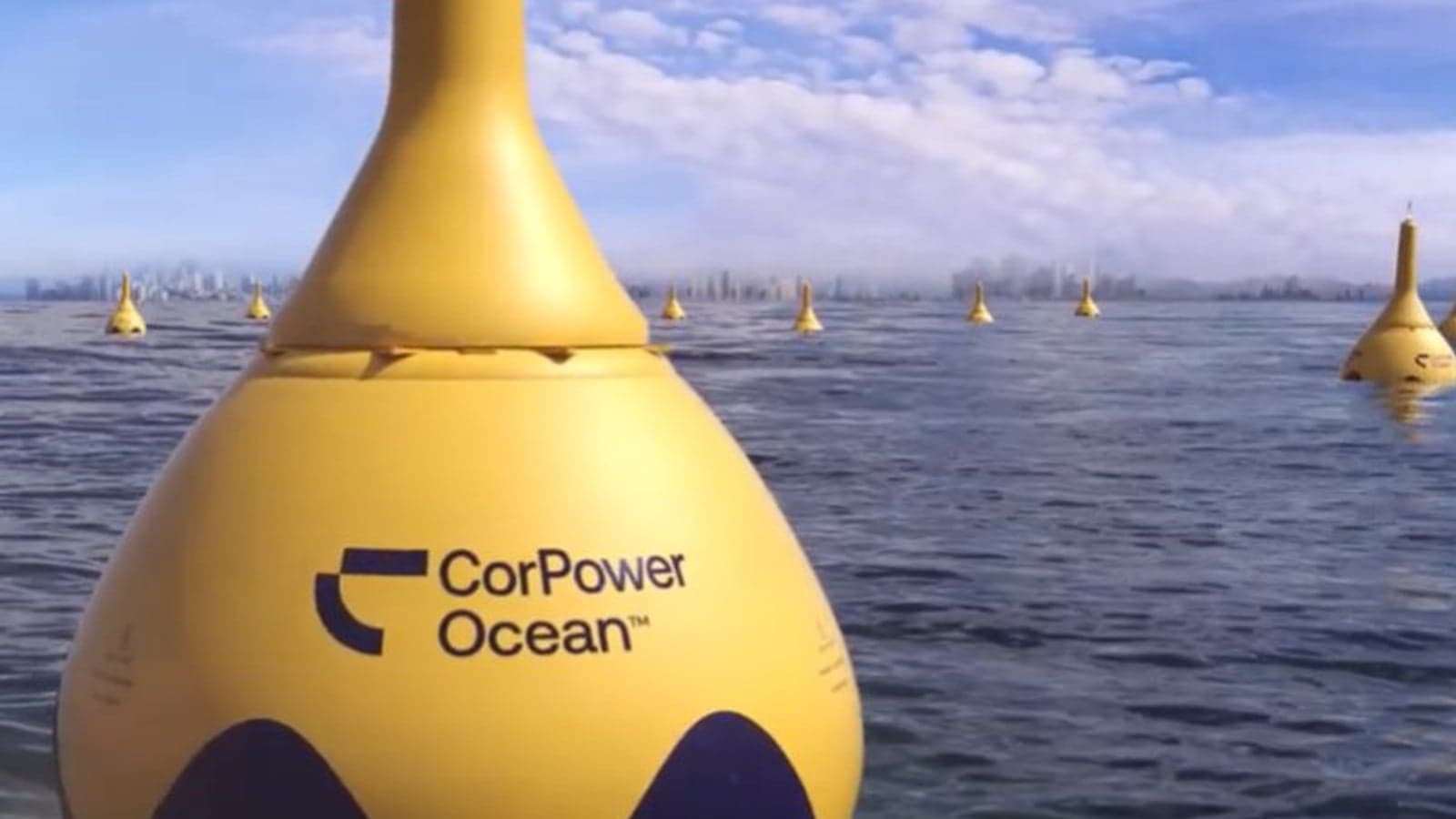
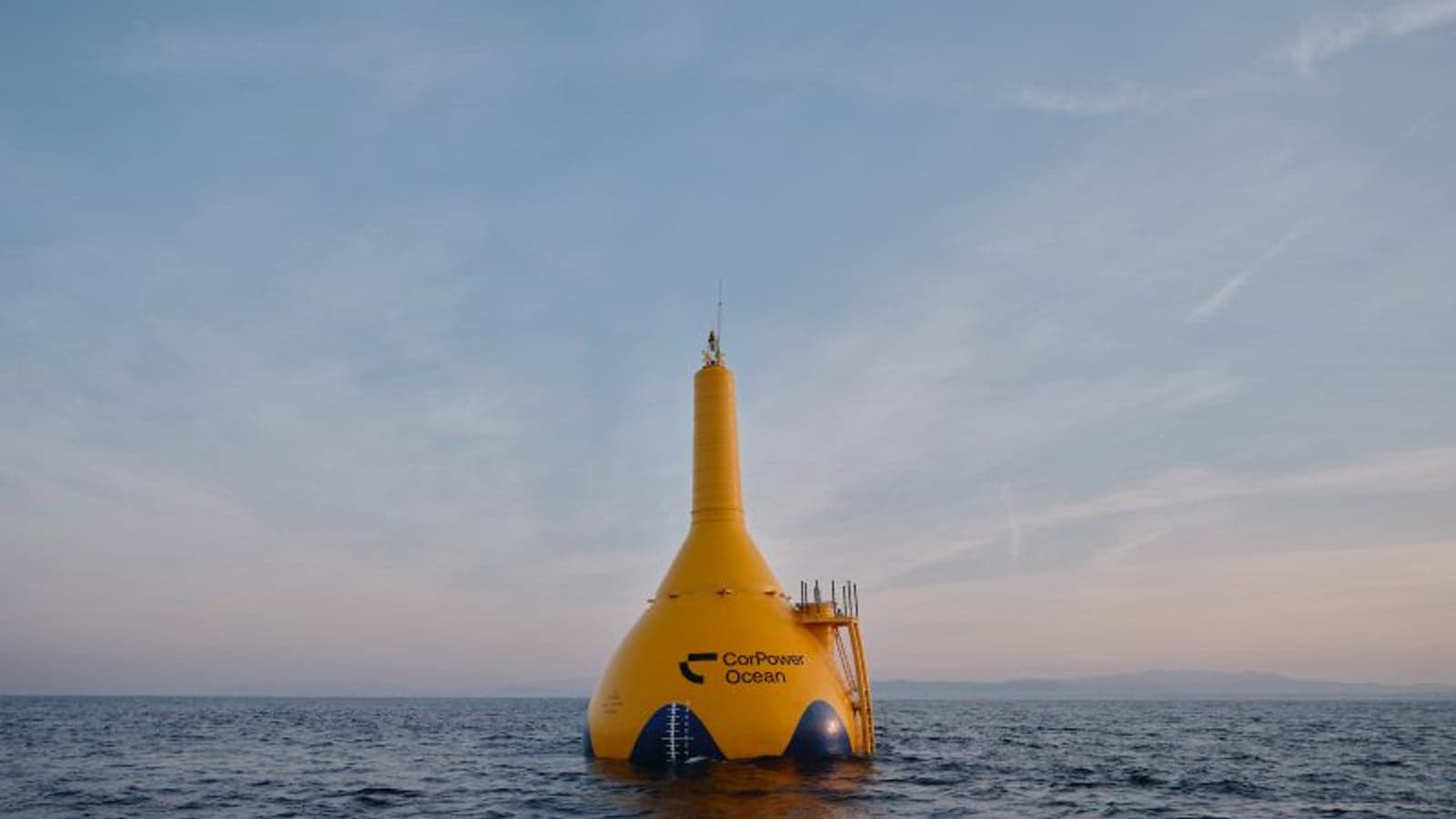
The CorPower solution is a point absorber type, with a heaving buoy on the surface absorbing energy from ocean waves. The buoy is connected to the seabed using a tensioned mooring system. Over the past few years, CorPower Ocean has achieved impressive results from its various phases of testing.
The focus of these tests has been to improve cost efficiency and device survivability. And Portuguese storms have certainly pushed their kit to the max, allowing the team to prove survivability in waves close to 19 metres high.
Besides survivability, the team has also managed to lower costs. To lower the levelized cost of electricity (LCOE), a composite hull was used in the C4 machine (CorPower’s commercial-scale converter), rather than steel which is more prone to material price fluctuations. Also, fully automated processes to manufacture resin and fiberglass made the process more efficient, reducing LCOE by 70%.
Finally, these tests proved power production, as power is now being injected into the Portuguese grid. is only the start. CorPower will now be working on stage five of their project. This will see machines, a collection hub, and a submarine grid installed in Aguçadoura in Póvoa de Varzim. The plan is to demonstrate an array of devices, or CorPack, of up to 1.2MW installed.
The team will also continue working on their first commercial wave farm, emphasising a message for the investors and promoters that “the time is now to get together with us and prepare the next wave farms for the future.”
Eco Wave Power
CorPower Ocean is not the only developer using Portugal as a testing ground to develop their solutions. Eco Wave Power is another success story making strides towards commercialising wave energy and tapping into the Portuguese coastline.
"It will be the first wave energy project in the world to show significant energy production from the power of the waves."
Capitalising on the lessons and successes of their 100kW project in Jaffa Port, Israel, the firm recently received the go-ahead from Portugal’s APDL Port Authority for the construction of its 20MW Porto project. The project will be situated at a breakwater jetty called Barra do Douro pier, located at the mouth of the Douro River.
Inna Braverman, Eco Wave Power’s founder and CEO, has hailed the potential of this project, suggesting it will be “the first wave energy project in the world to show significant energy production from the power of the waves”.
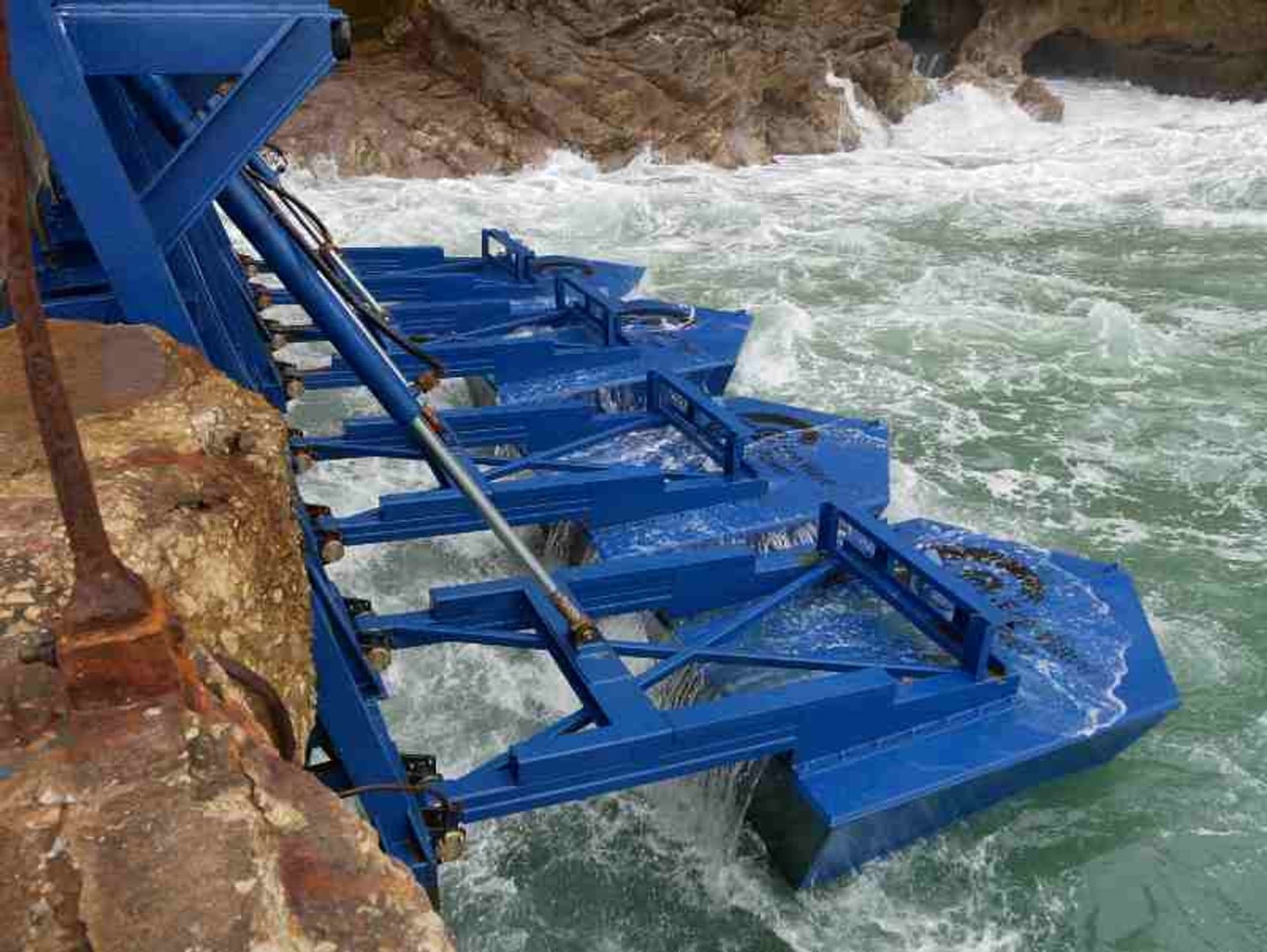
Eco Wave Power’s near shore solution can be integrated into existing marine structures owned by ports and coastal cities, like breakwaters, piers, or jetties. It uses floaters to draw energy from incoming waves by converting the rising and falling motion of the waves into a clean energy generation process.
The system commences production of electricity from wave heights of 0.5 metres, and the operation is controlled and monitored by a smart automation system. Eco Wave Power’s Portuguese project marks a significant milestone in its path towards commercialisation, and is indicative of a broadening acceptance of the technology.
Overcoming barriers and lowering costs
While Eco Wave Power and CorPower Ocean have enjoyed success with their wave energy projects in Portugal, they have experienced similar challenges on their development journeys.
A lack of standards and guidelines tailored to the design of wave energy converters has lengthened the development cycle, making it more challenging to overcome factors such as storm survivability, poor device efficiency and corrosion, etc.
Additionally, wave energy installations may have environmental impacts, such as altering local ecosystems or posing risks to marine life, if these impacts are not carefully taken into account and mitigated during development phases.
However, one of the main barriers to the sector is economies of scale, or the lack thereof. Costs associated with generating wave energy remain high due to the nascent nature of the sector, and many developers continue to rely on grants to continue R&D.
The fact is that wave energy needs to find itself on the strategic agendas of utilities and energy majors alike if it is to scale up and become competitive. National revenue support schemes and expedited permitting processes will also help. And of course, as capacity grows, LCOE will lessen, driving economic viability.
Energy Transitions Podcast: Why Portugal is a European renewables success story
A flagship wave energy study led by Finland’s LUT University School of Energy Systems and the Faculty of Civil Engineering & Geosciences’ Marine Renewable Energies Lab at Delft University of Technology, the Netherlands, found that wave power will become cost-competitive with offshore wind power within a decade, with LCOE below €70/MWh by 2035.
These are positive projections – but some suggest that the ultimate solution to solidify the wave energy business case is to actually pair it with offshore wind rather than compete with it.
A study published in May 2024 in the journal Energy, ‘A review on the technical development of combined wind and wave energy conversion systems’, shows several potential advantages of colocating wind and wave energy.
The initial CAPEX investment can be reduced through sharing the same infrastructure, such as the mooring system, substations and cables, especially in the case of farm configurations. Also, OPEX investment can be reduced if operation and maintenance activities are coordinated and synchronised.
Ultimately, colocation with wave energy allows the existing space to be maximised and production profiles for wind farms to be improved. Whether colocated with wind or operating independently, wave energy development is gaining pace.
The projects in Portugal demonstrate solutions that work, showing power generating potential and system efficiency. The lessons learned from these projects will go a long way toward speeding up deployment and ultimately increasing affordability.
Want to learn more about the next generation of renewables? Join us at Enlit Europe for this dedicated session, which is part of the Summit programme.
* * *