Baltic states synchronise transmission grid with continental Europe
Yusuf Latief
Posted on: 10 February 2025
Estonia, Latvia and Lithuania have successfully synchronised their electricity systems with the Continental European Synchronous Zone.
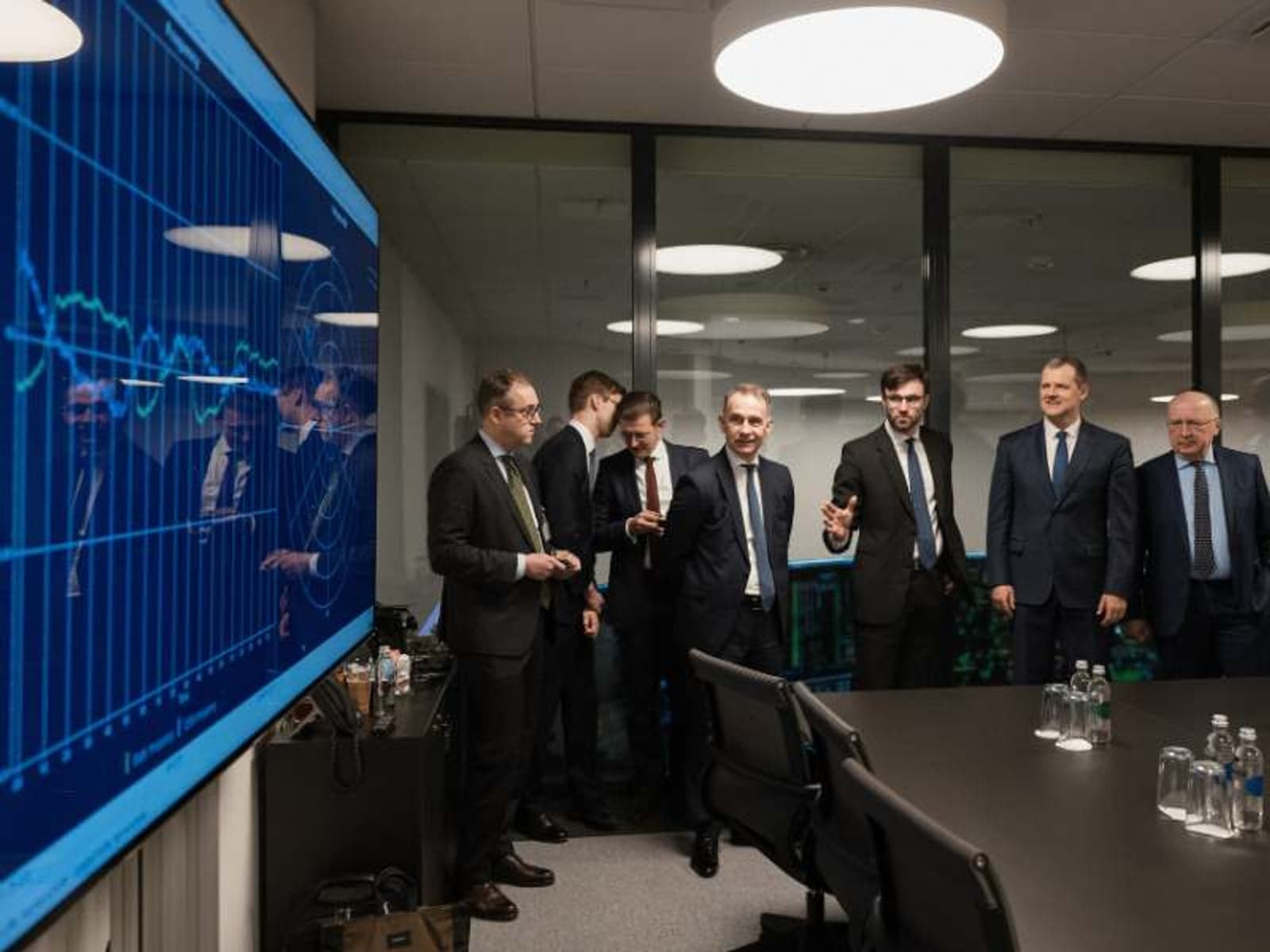
On 9 February 2025 at 14:05, the Baltic countries - Estonia, Latvia and Lithuania - successfully synchronised their electricity systems with the Continental European grid, desynching from Russian energy dependence.
More than three decades since leaving the Soviet Union, the three Baltic countries have joined the EU’s electricity grid.
The milestone comes two years after an agreement between the Baltic TSOs - Estonia’s Elering, Latvia’s AST and Lithuania’s Litgrid - to disconnect from the Russian-controlled electricity system.
In a speech during the Synchronisation Baltic Connectors opening event, European Commission President Ursula von der Leyen said:
“What a day for Lithuania, Latvia and Estonia.
“What a day for your close neighbours such as Poland. And what a day for Europe. Because today, history is being made. The Baltic States are switching on energy independence. No more reliance on Russia. No more external control. From this moment on, you are fully connected to Europe.”
Have you read:
Litgrid completes ‘most important’ project for grid synchronisation with continental Europe
Flowering flexibility: Going Dutch on grid congestion
Baltics grid: From Russia to Continental Europe
With the synchronisation, the country's energy systems join the Continental Europe Synchronous Area (CESA), the second largest synchronous electrical grid in the world.
Managed by the European Network of TSOs (ENTSO-E), CESA supplies over 400 million customers in 24 countries including most EU countries – and as of March 2022 – Ukraine and Moldova.
The process results from years of preparation and cooperation between the Baltic TSOs and their partners in the continental European synchronous area.
Polish transmission operator PSE played a particularly important role, as it is the Baltic States’ direct neighbour and the physical connection to continental Europe, coordinating the process.
The Baltic States were the last three EU Member States whose electricity networks were still operating fully within the Russian and Belarussian system where the electricity frequency was centrally controlled by Russia. All electricity interconnections with Russia and Belarus have also been permanently disconnected.
Synchronising their electricity networks with those of EU Member States and several neighbouring countries enables the Baltic States to move away from energy dependence on Russia. Instead, they gain full control of their own electricity networks and strengthen the energy security of the Eastern Baltic Sea region.
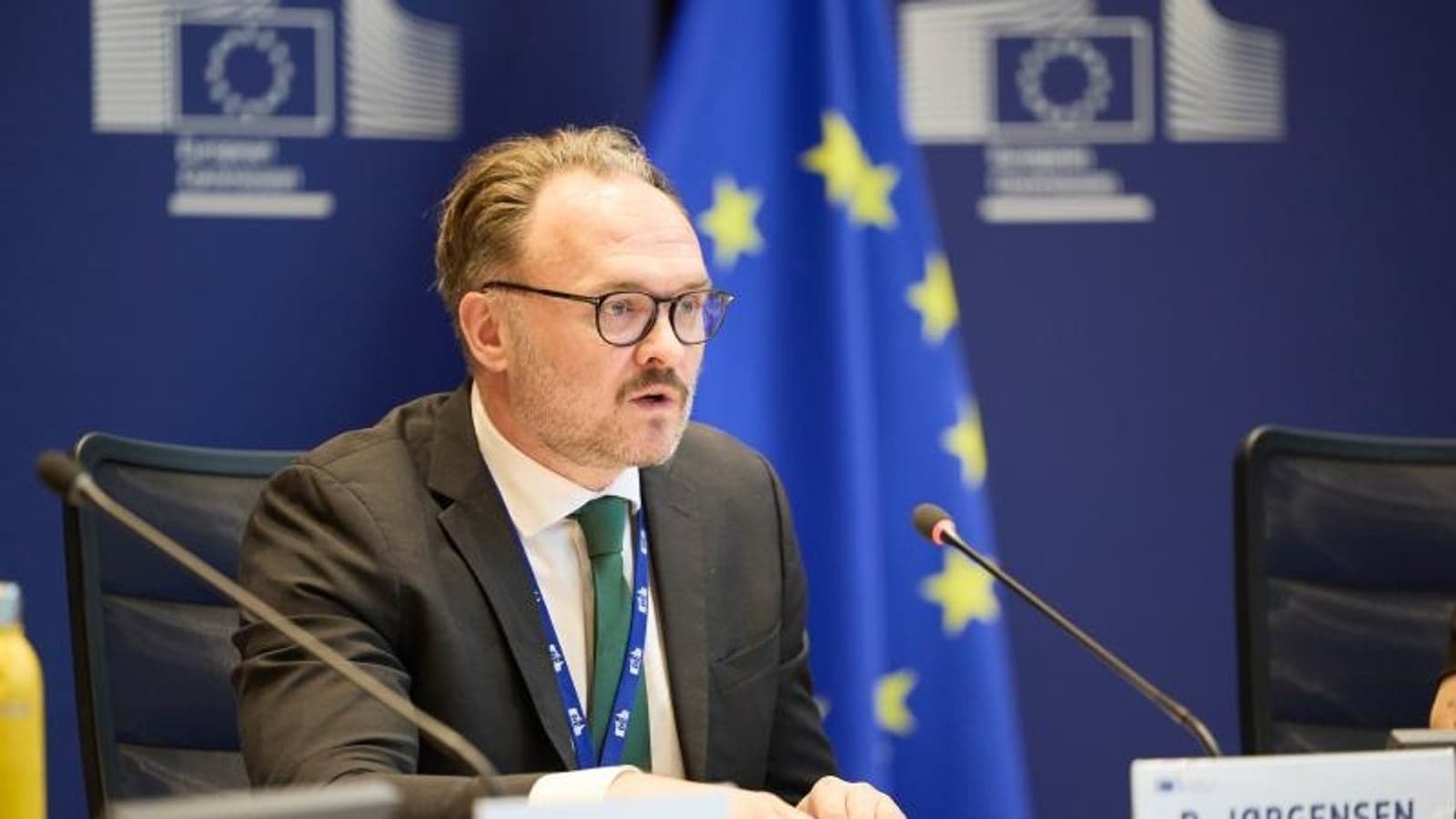
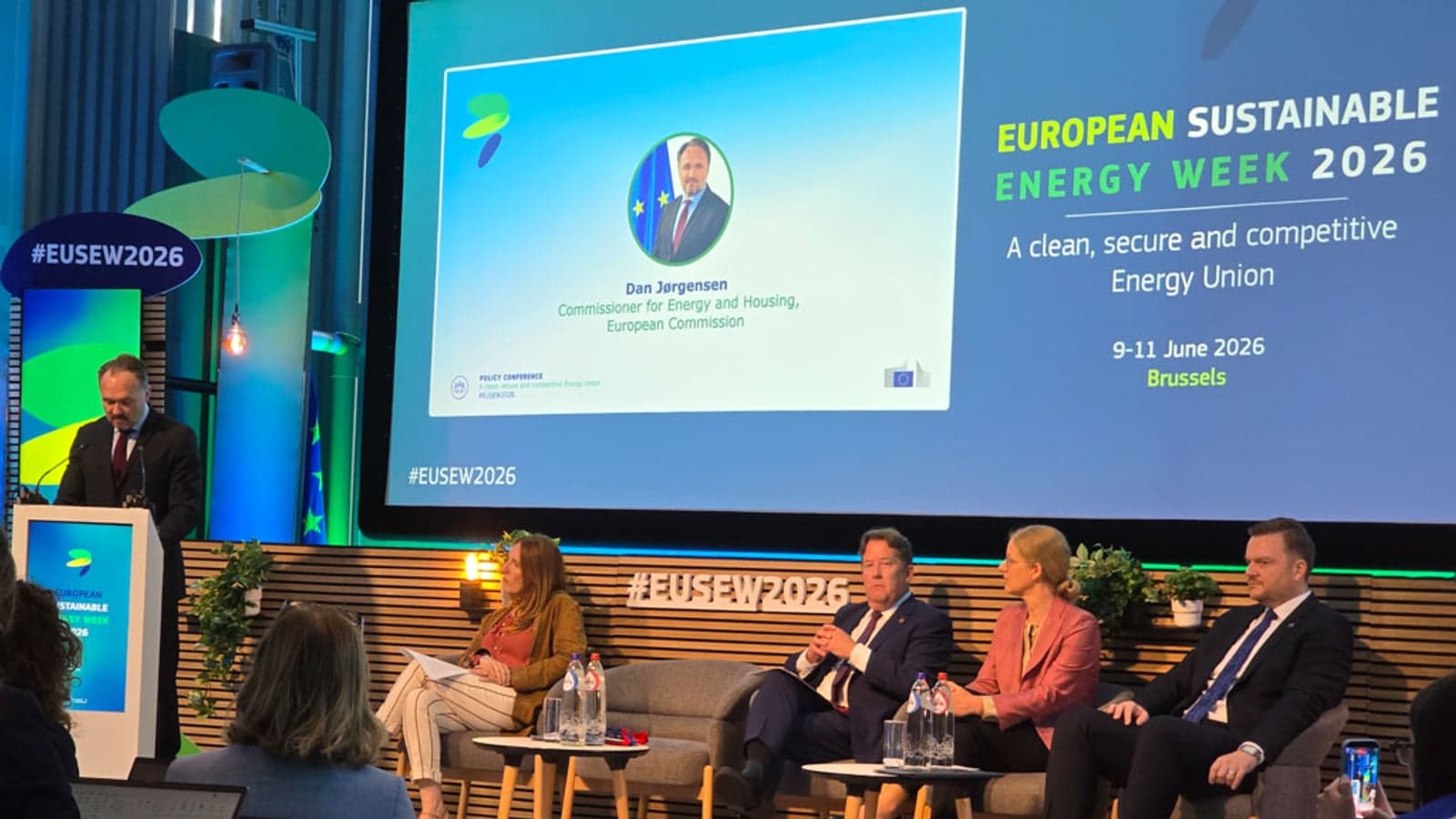
Commenting in a release was Dan Jørgensen, Europe’s Commissioner for Energy and Housing:
“It is great to see that Lithuania, Latvia and Estonia are now fully independent and disconnected from the grids of Russia and Belarus.
“The full integration of the Baltics in the EU internal energy market and the synchronisation of their electricity networks with Continental Europe – ahead of schedule – is a landmark event for the entire EU.
“With over €1.2 billion ($1.2 billion) invested under Connecting Europe Facility, the Baltic synchronisation is a clear testing point of the power of our collective investments. This flagship investment will strengthen the security of supply and energy independence of the entire EU. We will keep working towards a stronger, genuine Energy Union in the EU, where clean, secure and affordable energy drives our competitiveness.”
Said Lithuania’s Energy Minister Žygimantas Vaičiūnas: "Lithuania's electricity system was dependent on Russia for 65 years - more than half a century. Now we are turning this page once and for all: together with Latvia and Estonia, we are connecting to the continental European electricity grid and consolidating our energy independence.
“It is symbolic that several decades ago the Baltic Way united our nations in pursuit of independence, and today we are consolidating it in energy as well, disconnecting from Russia and joining Europe."
“We should be proud that we have the world’s largest interconnected electricity market that prioritises the most efficient power source. We coordinate hundreds of kilometres of interconnected networks delivering power across borders in times of need, and especially during crises. Diversity is a strength, let’s put it to use,” said Eurelectric Policy Director Cillian O’Donoghue.
Synchronisation
According to Elering in a release, with the synchronisation, the Baltics electricity grid continue to operate independently. The Baltic operators ensure the stable and secure operation of the electricity grid by maintaining a balance between consumption and production and regulating frequency.
Frequency stability tests were completed on Saturday, a day prior to synchronisation. During the tests, power plants were switched on and off in a controlled manner and the impact on system operation was monitored.
During the testing period, the power unit of the Lithuanian Elektrėnai power plant also went offline unplanned and was later reconnected to the grid.
Similar to the tests conducted, the Baltic system responded to the unplanned outage just as successfully, and the electricity supply remained stable. This confirmed the readiness of the Baltic system operators to manage the system.
Voltage-related tests were also conducted on Sunday morning, before synchronising in the afternoon.
Infrastructure upgrades
The electricity grid in the Baltics was constructed in the Soviet era.
According to an assessment from Ben Cook of the NATO Energy Security Centre of Excellence, once such a grid is established, making changes is costly and time-consuming.
Despite achieving their independence, the Baltic States renewed the BRELL agreement (Belarus, Russia, Estonia, Latvia Lithuania) in 2001, maintaining a system which requires Russian operators to control frequencies and balance supplies.
Six years later in 2007, the States confirmed their ambition to join the Continental European grid, with a formal agreement in Brussels in 2019 commencing the Baltic Energy Market Interconnection Plan (BEMIP), setting off the synchronisation plan.
The programme consisted of over 20 projects to strengthen the Baltics’ electricity network. New high-voltage transmission lines were constructed to carry power through the region.
These also facilitate interconnection with EU neighbours, with one project expanding the LitPol Link between Lithuania and Poland. Nine synchronous condensers and six large-scale battery storage systems (some yet scheduled for 2025) have been introduced.
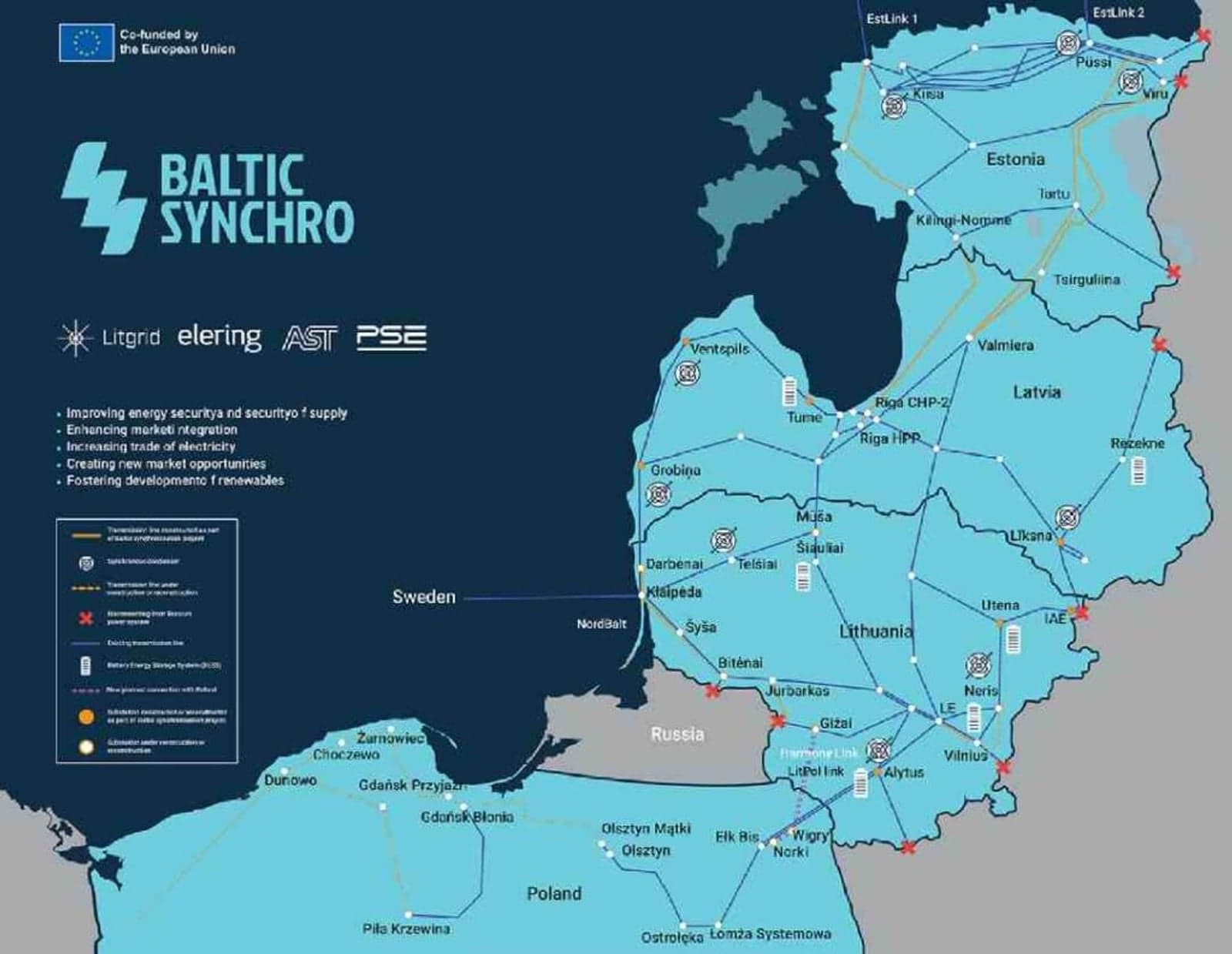
Condensers provide instantaneous energy to the system or absorb excess in times of stress. Batteries respond to short-term changes in supply and demand. Together, each of the projects helps maintain frequency and system balance.
The total budget for the synchronisation project was €1.6 billion ($1.7 billion), of which €1.2 billion came from the EU.
Commented Mihkel Härm, CEO at Elektrilevi, Estonia’s largest distribution system operator: “When the work first began, some questioned the necessity of such a massive undertaking, but today we can all see it was the right decision.
"More than €1.6 billion has been invested to ensure our transmission grids are up to the task. New 330 kilowatt (kV) powerlines have been built together with batteries and synchronous condensers to make sure the Baltic grids can maintain system balance even during challenging times. In addition to the new infrastructure, we also have frequency markets that are generating new sources of revenue and driving innovation in the energy sector – largely thanks to this synchronisation project.”
The cyber threat
Cook, citing geopolitical commentators, adds in his assessment for NATO the potential of sabotage and cyberattacks to the Baltic States during disagreements with Moscow.
Concerns are also raised, he adds, about the security of subsea electricity cables, with several recent disruptions to the interconnector with Finland.
77% of interconnection capacity between the Baltic States and EU neighbours is made up of subsea cables.