Schneider and Kraken unveil AI grid flexibility partnership
Enlit Editorial Team
Posted on: 10 June 2026
The partnership combines Schneider Electric's grid visibility and congestion forecasting capabilities with Kraken's AI-powered flexibility orchestration.
Schneider Electric and Kraken have announced a strategic partnership to scale electricity demand flexibility aimed at unlocking capacity on the grid and accelerating connections for data centres and large industrial users.
The partnership combines Schneider Electric's grid visibility and congestion forecasting capabilities with Kraken's AI-powered flexibility orchestration, enabling utilities and DSOs to identify constraints in real time and flexibly shift demand when the network needs it most.
With electricity demand from data centres expected to double by 2030 and grid connection queues growing worldwide, flexibility is emerging as a critical tool to unlock capacity, support growth and accelerate the energy transition - shifting the burden from capital-intensive, multi-year infrastructure upgrades, to a modern technology solution that makes better use of the grid we've already built.
Problem solving for DSOs
The partnership will look to deliver new solutions for Distribution System Operators (DSO) and utilities, providing new levels of capabilities to monitor the grid, forecast congestion and shift demand in real time.
“By unlocking greater demand flexibility and improving the use of existing network capacity, these capabilities deliver faster connections for data centres and large industrial loads.
“This delays the need for expensive grid upgrades, helping lower overall system costs and avoid rising bills for consumers and industry, supporting growth and accelerating the energy transition,” the companies said in a press release.
The partnership enables households and businesses to contribute to a more flexible and efficient electricity system.
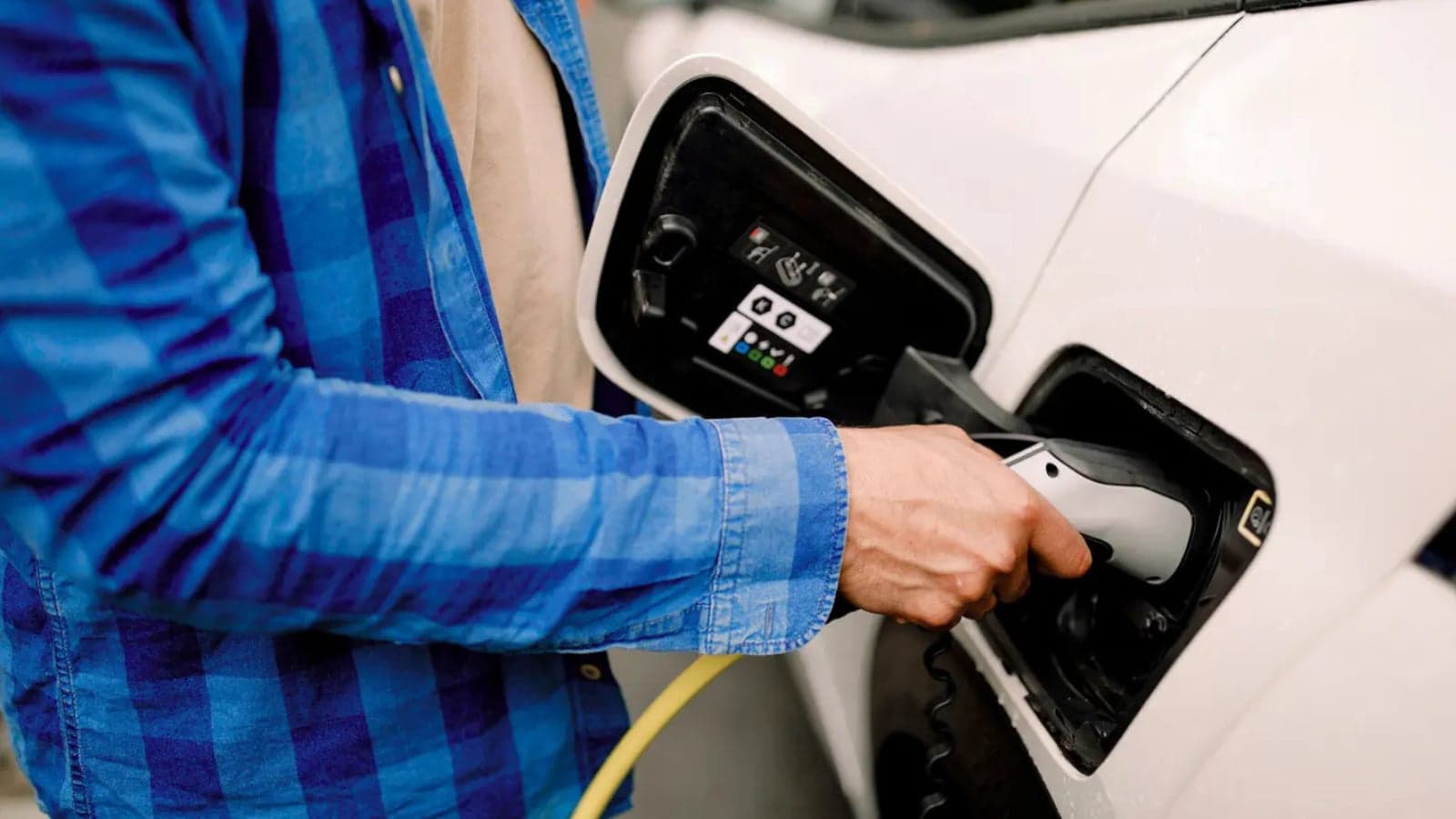
“Optimising electricity demand across EVs, home batteries, solar PV, industrial loads and utility-scale energy resources can reduce network congestion, balance the grid in real time and create value across the energy system. Analysts estimate the global value of demand-side flexibility across industrial and commercial sectors could be worth up to $1 trillion per year.”
Have you read?
Schneider Electric urges Europe to boost energy efficiency
Europe’s energy sector digitalisation and AI roadmap out
Flexibility to address energy demand
The need for flexibility is becoming increasingly urgent as electricity demand increases.
The International Energy Agency reported previously that electricity demand from data centres alone reached around 415TWh in 2024, and this figure is set to double by 2030.
In addition, grids face severe congestion because DSOs often lack real-time network visibility, the companies pointed out.
“Traditional solutions rely on capital-intensive infrastructure upgrades with long lead times. This gridlock delays network connections, stalls growth and increases costs for everyone.
“This partnership offers a faster, smarter, and more resilient path forward. Schneider Electric provides real-time visibility of network constraints through its One Digital Grid Platform and EcoStruxure DERMS, together with efficient demand-side flexibility from its broader EcoStruxure™ ecosystem, for predictive optimization, energy intelligence, distributed control, and for flexible load management.
“Kraken complements this visibility by turning distributed energy resources into a single, coordinated system. The AI-powered platform connects EVs, home batteries and heat pumps which provide visibility over the local, low-voltage network. Kraken orchestrates these devices alongside utility-scale storage, generation assets and industrial loads to shift consumption and balance the grid in real time.”
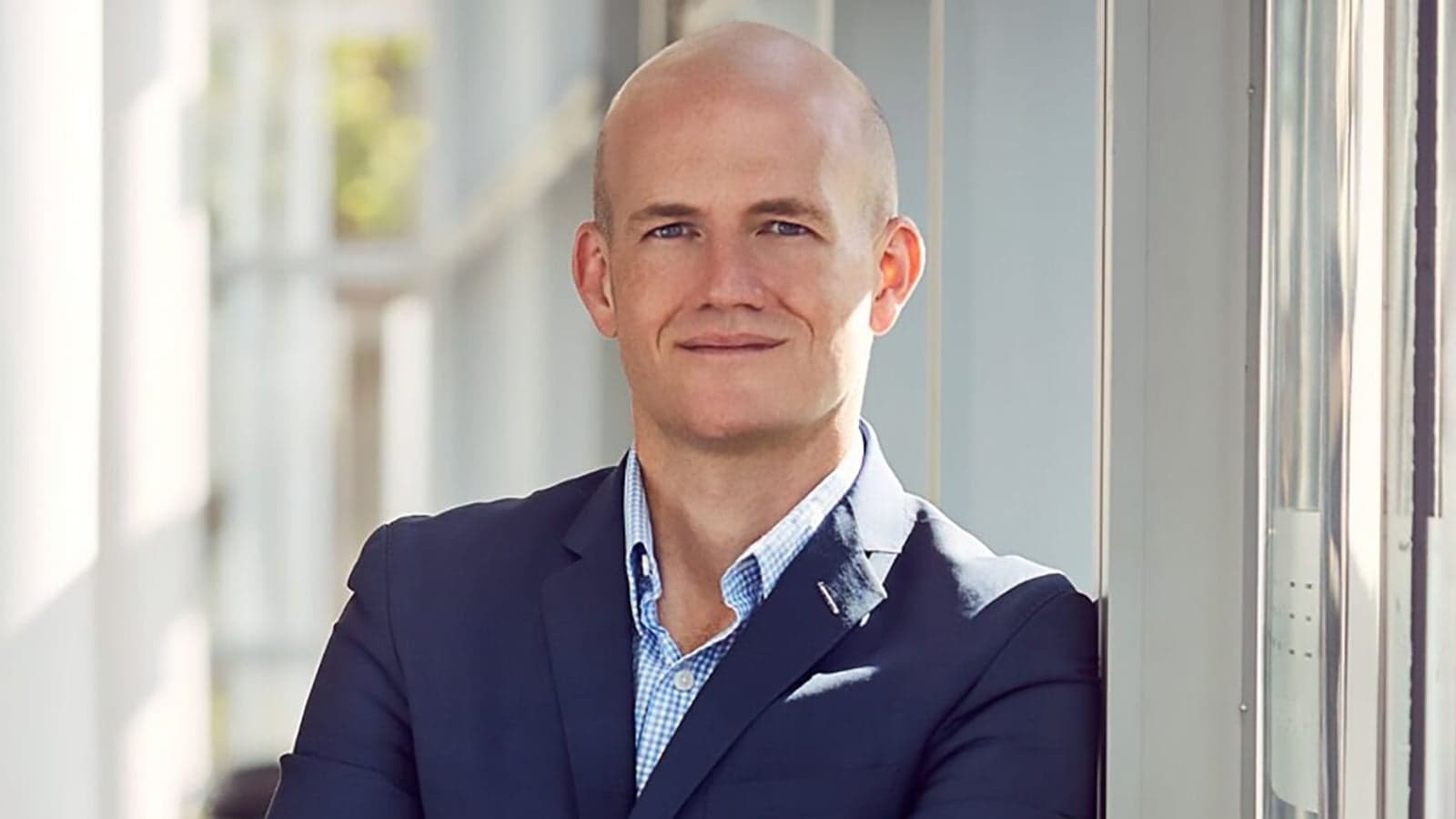
Amir Orad, Kraken CEO said it is clear to the company that speed to flexibility means speed to power.
“AI is not just a driver of demand – it revolutionises the capacity we can get out of the grid we already have. We are unlocking that capability at scale, to boost grid connections and power growth. Together with Schneider Electric, we’re building a more resilient, more affordable and cleaner energy system – for consumers and for the planet,” said Orad.
Grid operators feeling the heat
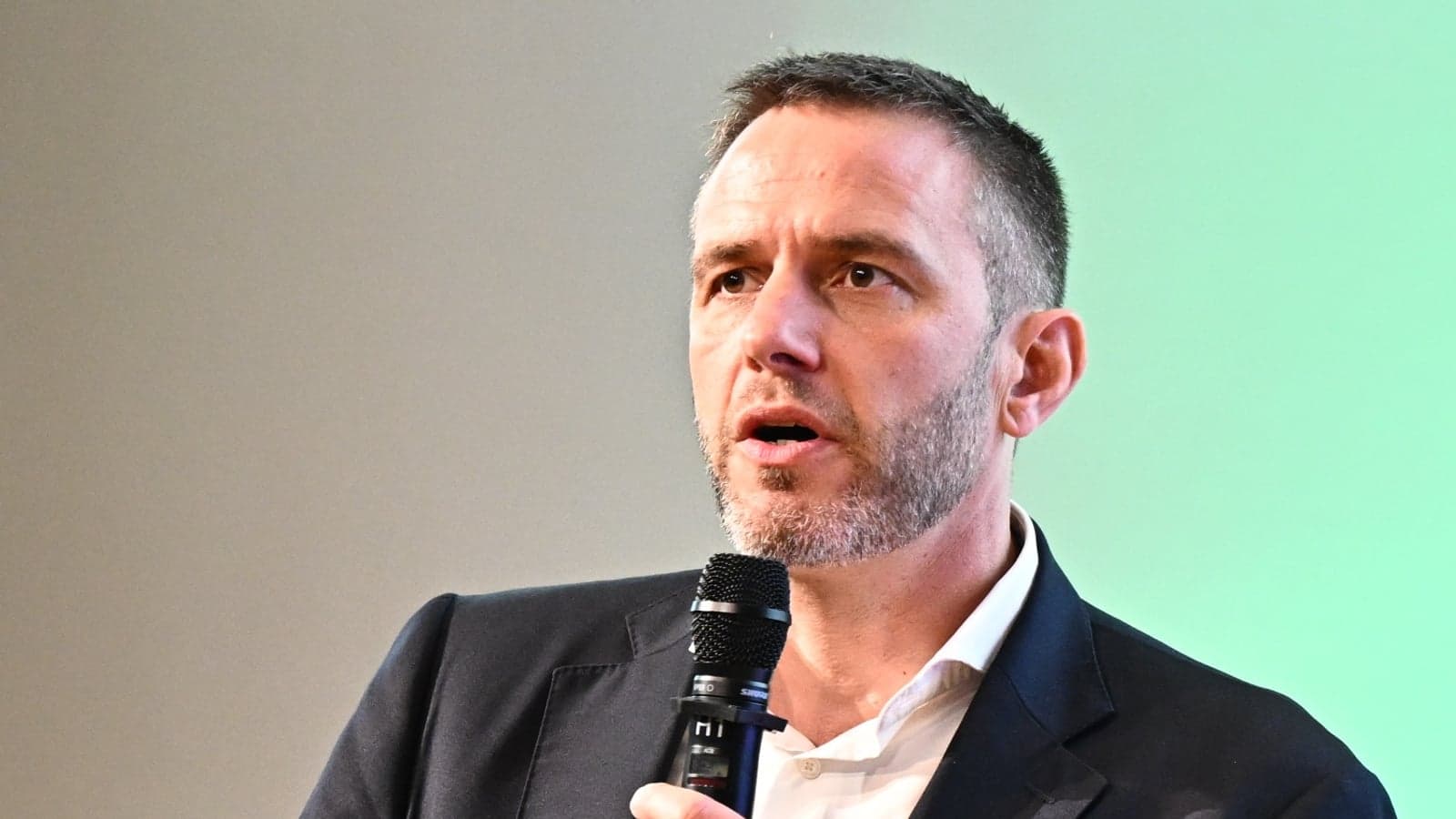
Frédéric Godemel EVP of Energy Management at Schneider Electric, said utilities and grid operators are under real pressure to maintain reliability, respond to shifting demand and make better decisions with better data, whilst working with ageing infrastructure.
“Our aim is to create an interoperable energy system that works seamlessly. By combining Schneider Electric’s platform approach with specialist partners like Kraken, we can help customers make the most of existing assets, reduce complexity, roll out new capabilities faster, unlock hidden capacity and see value sooner,” said Godemel.
In an opinion piece for Enlit World in March, Godemel pointed out that the convergence of electricity demand increase, structural stain on existing energy system and grid modernisation is the proof that we are entering an electricity supercycle.
“The electricity supercycle is exposing a simple truth: the grid is a limiting factor in global energy security. Around the world, transmission and interconnection systems that were designed for a slower, more centralised energy era are struggling to accommodate today’s rapid growth in renewables, electrification, and AI‑driven demand.”
Related tags
Latest in Digitalisation
All articlesPartner content
+2
New G3 certification: Multi-utility metering over a single communication network
A single communication network for electricity, gas and water meters: G3 certification release V8 enables integrated multi-utility metering with battery-powered devices.
- Guest/partner contributor
- 08/06/2026