How AI can support a reliable and resilient electrical grid
Enlit Editorial Team
Posted on: 5 September 2024
"AI has the potential to optimise the integration and management of renewable energy sources into the grid," says Sabine Erlinghagen, CEO Grid Software, Siemens Smart Infrastructure.
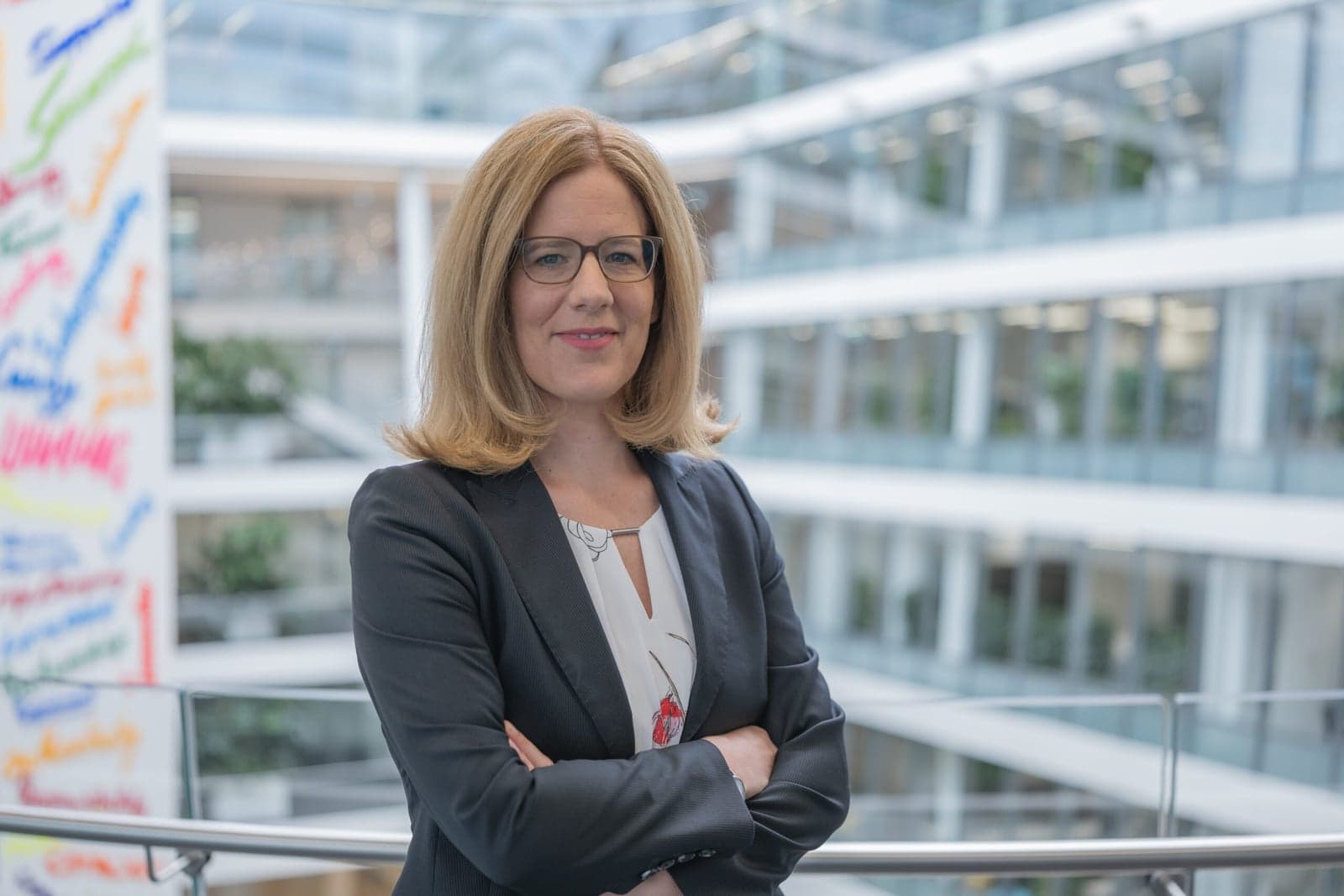
Sabine Erlinghagen, CEO Grid Software, Siemens Smart Infrastructure, highlights the need for the industry to approach the adoption of technology, artificial intelligence, and digitalisation with sustainability front of mind to accelerate the energy transition, ensuring a sustainable, reliable, and efficient energy system.
How will AI help accelerate the energy transition?
Artificial Intelligence will be crucial in supporting the energy transition and play a vital role across the energy value chain. Notably, AI has the potential to optimise the integration and management of renewable energy sources into the grid. With AI technology, it is possible to analyse vast amounts of data in real-time, allowing for the precise forecasting of renewable energy production and demand. This facilitates more efficient energy distribution and enhances grid stability in the face of variable energy sources like wind and solar power. Furthermore, AI-driven automation and smart grid technologies can enable predictive maintenance and fault detection, reducing downtime and saving costs, thereby speeding up the transition to a more sustainable, reliable, and efficient energy system.
At Siemens Grid Software, we integrate selected AI algorithms into our portfolio so that network operators can take advantage of this technology to ensure the reliability and resilience of the grid. Our Gridscale X portfolio uses AI and digital twins to provide end-to-end grid management, reduce manual workflows and optimise planning, operations and maintenance. The software can identify and analyse problems and then recommend the best solution based on AI and smart algorithms.
Europe needs a strong industrial strategy to ensure its global competitiveness. What role must the energy sector play in this strategy?
The energy sector is pivotal in Europe's industrial strategy, providing the foundation for economic growth and the transition to a low-carbon economy. To ensure global competitiveness, one of today’s top priorities in the energy industry is to increase grid capacity while maintaining stability with decentralised and intermittent resources.
The energy sector must embrace innovation, digitalisation, and sustainability by investing in clean technologies, renewable energy, and smart grid solutions, which will accelerate the energy transition. Strong collaboration between the public and private sectors will be essential for Europe to lead the global energy transition.
You might be interested in:European Industrial Energy Days
How important is community buy-in in accelerating the European energy transition?
At Siemens, we take a prosumer-centric approach – always putting the end customer at the forefront. We believe that community buy-in is crucial for the success of the European energy transition. Engaging communities early through transparent communication and involving them in planning processes ensures their concerns are addressed, building trust and support.
COP28 committed to tripling global renewables by 2030. What are the top three challenges for Europe to achieve this goal?
Committing to increasing global renewables and moving towards the electrification of everything is a promising step towards decarbonising our energy systems but this cannot happen in a silo. To help this succeed we need infrastructure development, regulatory support, and embrace innovation and technology simultaneously. While this requires a coordinated effort between government, industry, and other key stakeholders, it will support the energy sector to increase grid capacity and flexibility to manage renewables, while encouraging the right investments and supporting the digitalisation of utilities.
Have you read:Why the electrical grid is ‘the backbone of the energy transition’
How is Siemens going to address these challenges at Enlit Europe in Milan?
Earlier this year, Siemens announced the launch of Gridscale X, paving the way towards the vision of autonomous grid management, accelerating digital transformation for grid operators at speed and scale.
Gridscale X represents a new era for grid management, empowering grid operators to plan, operate, and maintain their grids in radically new ways. It turns unpredictability into foresight, complexity into simplicity, and inflexibility into adaptability. Grid operators can reliably operate grids closer to their physical limits, maximising capacity with existing assets. It allows them to turn DERs into valuable assets for grid flexibility and make well-informed CAPEX investment decisions that yield the highest returns.
With Gridscale X, grid operators can scale grid capacity, scale DERs, and scale customer satisfaction fast, accelerating and securing the energy transition while keeping grids stable.
We will have the full display onsite at Enlit Europe in Milan.
Is the European power and energy sector focusing enough on the workforce of tomorrow?
The focus on the workforce of tomorrow is critical, with reskilling emerging as the greatest challenge. As the energy sector evolves, the demand for new skills, particularly in digital and green technologies, is growing. We are proactively addressing this at Siemens by investing in training and development programmes for our employees, ensuring they are equipped to meet the demands of the future energy landscape.
Looking outwards, our Gridscale X portfolio can play a crucial role within the grid control room - easing complex tasks that can no longer be done manually. For example, Gridscale X supports grid controllers to make decisions in real-time, identifying critical issues and providing a recommended course of action to resolve them. Ultimately, this is vital to ensure our industry can drive the future of the energy transition.
"Strong collaboration between the public and private sectors will be essential for Europe to lead the global energy transition."
Siemens is participating in several exciting Summit and hub sessions at Enlit Europe in Milan, 22-24 October 2024. View the programme here. You can join Siemens’ experts at booth 5. A10, where you can learn more about Gridscale X, and meet the team to discuss your challenges and opportunities in detail and, most importantly, in person.

Related tags
Latest content
+6
The energy sector must lead Europe's industrial strategy says head of Enel Grids
"The energy sector is not just another industry within Europe’s industrial strategy; it is the enabler that underpins the entire European economy," says Gianni Vittorio Armani, Head of Enel Grids and Innovability.
- Enlit Editorial Team
- 15/10/2024