Partner content
Why the key to innovation is stable and reliable energy infrastructure
Enlit Editorial Team
Posted on: 4 October 2024
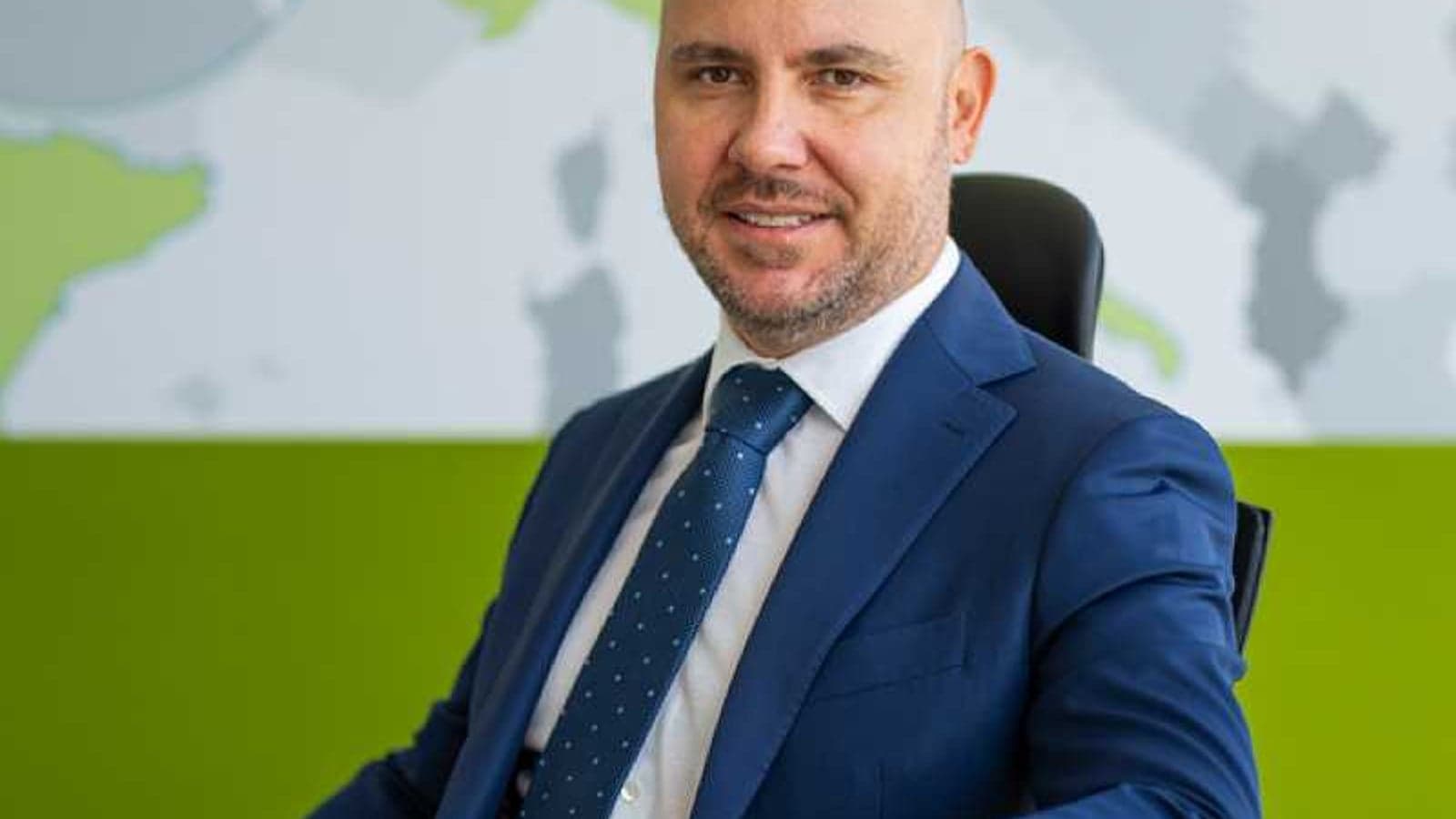
"A competitive market with good incentives for innovation helps drive progress more quickly." -Sozon Kokkinaras, Vice President of Sales for Eastern Europe at Trilliant Networks.

"A competitive market with good incentives for innovation helps drive progress more quickly," says Sozon Kokkinaras, Vice President of Sales for Eastern Europe at Trilliant Networks.
There is a major drive for Europe to remain competitive globally, where the energy sector is a significant player. With the acceleration of AI into how the sector is evolving and operating, coupled with workforce and industrial demands, there needs to be supporting infrastructure in place.
In an Enlit exclusive, we delve into these areas deeper with insights from Kokkinaras.
How will AI help accelerate the energy transition?
AI’s greatest contribution to the energy value chain is its ability to optimise energy usage and distribution. For instance, AI can detect energy theft by analysing various data points, which helps prevent hazardous situations and ensures safer energy distribution. This detection can trigger a targeted site visit by the energy supply or distribution team.
Another area where AI shines by optimising energy usage is through dynamic customer switching. AI can profile how customers use their energy and switch them to the cheapest suppliers at different times of the day. Additionally, it could manage renewable energy sources like solar panels and battery storage, optimising usage and facilitating the sale of excess energy back to the grid. These capabilities not only help customers save on energy costs but also improve customer retention for suppliers.
Europe needs a strong industrial strategy to ensure its global competitiveness. What role must the energy sector play in this strategy?
The energy sector must play a pivotal role in shaping and supporting a robust industrial strategy to ensure Europe remains globally competitive.
This is about consistent technology standards. Manufacturers and service providers can build products that can be deployed across various regions in Europe, allowing devices to be more affordable as they refine the standards and optimise their manufacturing or services. A good, stable specification dramatically lowers costs to market if it’s for one region versus, say, around 40 regions in Europe. That requires a significant push around that agreement.
The second point is consistent governance and policy. From a regulatory perspective, differing market regulations drive up costs and slow down the go-to-market process. While there may be some nuances for different regions, there should be a core set of legislation or policy. This would allow service providers to have 80% of the solution ready off the shelf and then tweak it for the specific area they are serving.
Innovation is another key area. Regulation should incentivise innovation. A risk-based approach allows service providers to pilot new technologies without excessive red tape. Whilst adhering to security and product standards, they should be able to create proof of concepts and test them with a friendly set of customers to see if they are viable for the market.
Creating the right incentives is crucial. A competitive market with good incentives for innovation helps drive progress more quickly.
Have you read:
Europe’s competitiveness report: What’s in it for energy?
How important is community buy-in in accelerating the European energy transition?
Having community buy-in is very important. You want to remove the resistance to accepting smart metering or smart technology (resistance due to scare stories about privacy and myths around smart metering) and promote the benefits to the community and individual consumers. It’s important to get the right messaging and benefits out there to the community, helping them understand what’s in it for them.
Whilst environmental concerns are important, I believe the biggest driver for people accepting new technology and energy-saving initiatives is seeing savings in their bank account.
Incentives are also crucial for community buy-in. Commercial and community benefits can be significant. If community sites save energy, they can give back more to the community. For example, churches or other houses of worship can do more, such as running food banks or community programmes, if they spend less on their bills due to renewable energy.
Promoting energy efficiency is also key. When people start championing energy efficiency, it creates a ripple effect. They might share tips like buying energy-efficient light bulbs or using appliances more efficiently. This not only helps individuals but also alleviates fuel poverty.
"When people start championing energy efficiency, it creates a ripple effect."
COP28 committed to tripling global renewables by 2030. What are the top three challenges for Europe to achieve this goal?
Europe faces several key challenges on its journey to achieve COP28’s renewable energy goals.
Infrastructure Connectivity: Tripling global renewables requires the ability to connect to the grid and quickly. Solar panels and other renewable sources must be able to plug into the existing infrastructure, and overcoming these infrastructure challenges is crucial.
Incentivising Businesses and Communities: Empowering governments to incentivise businesses to implement energy-saving measures or renewable energy is essential. Large energy consumers, like hotel chains and warehouses, could install solar panels if provided with tax incentives or other benefits. This cost-benefit approach promotes the installation and application of renewables.
Regulatory and Policy Support: Consistent and supportive regulations are vital. Beyond incentives, there should be mandates for businesses and homes, whether new builds or retrofits, to implement renewable energy solutions. This would increase the amount of renewable energy generated and fed into the grid.
By addressing these areas, Europe can make significant strides towards achieving its renewable energy targets and ensuring a sustainable future.
You might be interested in:
European Industrial Energy Days
How is Trilliant going to address these challenges at Enlit Europe in Milan?
Trilliant’s experts address regulatory and business challenges by offering energy management systems, communication networks, data and analysis services, and device-agnostic solutions. We provide professional advice to regulators and those installing renewable energies, leveraging our in-house expertise for solutions that can be flexible and scalable.
Customers’ main pain points are data connectivity, deriving insights, and ensuring solution stability and reliability.
Our Power of Choice solutions offer the freedom to integrate legacy systems and utilise the hardware that best aligns with a utilities’ specific needs and infrastructure – ultimately allowing for commoditising meters and saving money. Trilliant’s expertise and innovative solutions help address COP 28 challenges, ensuring a stable and reliable energy infrastructure.
Is the European power and energy sector focusing enough on the workforce of tomorrow?
The landscape from 20 years ago compared to now and the future is vastly different. There will always be a need for skilled individuals to maintain original infrastructure and transmission wires. However, the focus is on data science, software, hybrid connectivity, and AI, requiring people to upskill in these areas. For example, metering is becoming more sophisticated, necessitating a stable skill set to maintain existing infrastructure.
Ancillary services are building on the foundation to enhance consumer benefits. Previously, customers accepted their bills without question, but now they are more informed. Energy suppliers and distributors need to be more attuned to how customers want to use the energy supplied and generated from renewable sources.
Organisations need to adapt to utilising talent in different regions and time zones. Reskilling involves staying on trend with market developments and identifying areas where upskilling is needed, such as AI and emerging technologies. General awareness through master classes is beneficial, though specialists are also necessary.
For the future, Trilliant is investing in software capabilities, analysis, and AI tools, as is everyone globally. Recruiting challenges include being open to the fact that people no longer need to be in the office, helping to open up global markets and allowing us to hire the best talent beyond the traditional 50-mile radius.
"Energy suppliers and distributors need to be more attuned to how customers want to use the energy supplied and generated from renewable sources."
Latest content
Partner content
+4
Elevion Group CEO tackles the energy economics of sustainable decarbonisation
"If we cannot ensure that energy costs are a reasonably low component of production costs for European companies, Europe will struggle to compete at a global level", says Jaroslav Macek, Chief Executive Officer at Elevion Group B.V.
- Enlit Editorial Team
- 18/10/2024