Without energy sovereignty there's no autonomy says Schneider grid boss
Enlit Editorial Team
Posted on: 17 September 2024
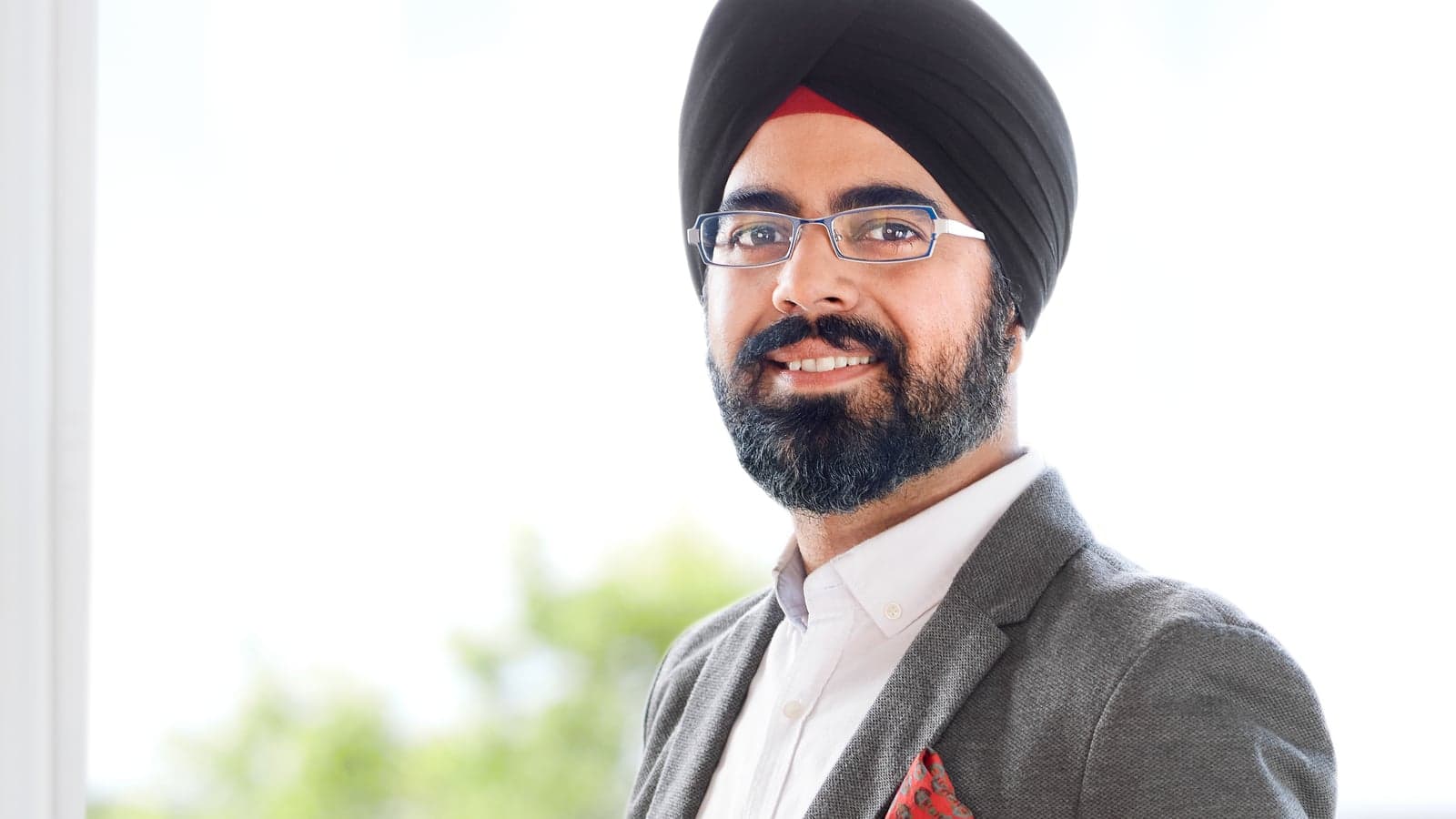
In an Enlit exclusive, we hear from Gary Lawrence, SVP, Power and Grid Segment President at Schneider Electric on how the business is navigating the energy transition.

The energy sector is integral to Europe’s industrial strategy and global competitiveness says Gary Lawrence, Power and Grid Segment President at Schneider Electric.
To deliver a strong industrial strategy for Europe, Lawrence stresses that the energy sector must increase output, accelerate the adoption of renewable energy technologies, diversify energy supplies, and electrify industries. In this exclusive interview, he also highlights that artificial intelligence and community participation are key enablers to meeting this strategy and accelerating the energy transition.
How will AI help accelerate the energy transition?
Artificial intelligence is ready to revolutionise the energy industry, from generation to grid management and demand-side. It can optimise the placement and orientation of solar panels, maximising energy capture and improving overall system efficiency. Also, AI is accelerating the discovery of new materials for energy storage and generation, leading to more efficient and cost-effective technologies.
AI will also help to orchestrate huge amounts of assets and big data: it coordinates the operation of distributed energy resources like solar panels, batteries and electric vehicles, creating virtual power plants that provide grid services and improve resilience.
AI can process vast amounts of data from sensors, weather forecasts and market signals to optimise grid operations in real-time, ensuring grid stability and minimising energy losses.
And finally, AI can analyse consumer behaviour and preferences to create personalised energy plans, encouraging energy efficiency and reducing peak demand.
However, it's important to note that the increased new demands of AI can also put a strain on the grid. To address this challenge, investments in new grid capacity, optimised planning and improved data center orchestration are necessary.
Europe needs a strong industrial strategy to ensure its global competitiveness. What role must the energy sector play in this strategy?
The energy sector is integral to Europe’s industrial strategy given the stated goals of enabling Europe to lead the way in climate neutrality and digital leadership, ensuring global competitiveness and enhancing Europe’s strategic autonomy.
Without energy sovereignty, there can be no strategic autonomy. We have experienced first-hand the consequences of relying on foreign states to meet Europe’s energy needs in recent years. This included the temporary mothballing of many industries where their competitiveness was compromised to such a degree that it was cheaper to import than to manufacture in Europe.
But Europe’s energy sector isn’t just pivotal to supporting our current energy needs. Delivering digital leadership requires more power specifically electricity than our industries currently consume. To deliver a strong industrial strategy for Europe, the energy sector must increase output, accelerate the adoption of renewable energy technologies, diversify energy supplies, and electrify industries.
The Net-Zero Industry Act (NZIA) released on 29 June 2024 sets out what should be done with the European platform across a wide range of industries such as solar photovoltaic and solar thermal technologies, onshore and offshore renewable technologies, battery/storage technologies, heat pumps and geothermal energy technologies.
In addition to that, in 2022, the European Union policy moved from the full Green Deal to REPowerEU, which is helping the EU to save energy, diversify energy supplies and produce clean energy to promote EU sovereignty and energy sovereignty.
Electrification, of course, is a critical component of a strong European industrial strategy. By transitioning to electricity-powered processes, industries can increase flexibility and reduce carbon emissions.
This journey is about more renewables, given the need to speed up the EU’s clean energy transition, the Renewable Energy Directive was revised in 2023 (RED III). Simplification of authorisation in the EU, grid investment in key technologies, including software, and the integration of prosumers as a key cornerstone of energy flexibility, through the current demand-response grid codes creation.
Then a clear plan from The Directorate-General for Energy on the Energy Digitalisation program and now the EU Grid Action Plan was released on 28 November 2023 and confirmed by the EU Energy Council on 30 May 2024.
You might be interested in:
European Industrial Energy Days
How important is community buy-in in accelerating the European energy transition?
Community buy-in is critical for the success of the European energy transition. Renewable energy projects often require significant local acceptance and support. By involving local communities, stakeholders can ensure that these projects not only benefit the energy system but also create positive outcomes for residents and economies.
There are key benefits of this approach - job creation and economic growth, engaging communities in the energy transition empowers individuals to contribute to broader sustainability goals. When communities feel invested in and benefit from renewable energy projects, they are more likely to support their development and operation.
To make the benefits happen, several hurdles need to be overcome such as lack of information and knowledge, providing clear and accessible information about renewable energy projects can help dispel misconceptions and foster support.
Another one is ensuring a fair distribution of economic and other benefits between project developers and local communities which is crucial for building trust and support. Simplifying regulatory procedures and promoting transparency can reduce barriers to project development and increase community involvement.
The current DR Grid Codes, developed per ACER and ENTSO-E under the mandate of the European Commission, represent a significant step forward in facilitating community participation. By liberalising the market for prosumers, these codes can empower individuals and communities to play a more active role in the energy transition.
COP28 committed to tripling global renewables by 2030. What are the top three challenges for Europe to achieve this goal?
One of the first challenges is the speed of permitting, to build renewable supply. It takes longer to permit a wind farm in Europe than it takes to build it. Reducing the time to greenlight new projects, design and build using, for example, digital twin technology, and reducing the delays and costs associated with connecting renewables to grids is essential to meet 2030 targets.
The second challenge lies in the end-to-end digitalisation of the electrical system, from generation to grid management and demand-side. This is particularly crucial for accelerating deep electrification at the demand side, including electric vehicles with smart charging, heat pumps in buildings, and the electrification of industrial heat processes.
Concurrently, accelerating energy efficiency improvements through energy and building management systems is vital. Much of the technology and solutions exist today to dramatically reduce our emissions.
So, the third challenge we need to address is incentivising adoption. The energy transition presents opportunities to deliver additional benefits to more stakeholders than simply tackling climate change. For example, utilities can build renewable energy supply faster and in less capital-intensive ways through the creation of virtual power plants.
Prosumer energy markets offer opportunities for new revenue streams or reduced energy costs for businesses, industry and individuals that can sell excess renewable energy back to the grid. And we are already seeing the success of demand-response where consumers can reduce their bills by choosing not to use energy when supply is short.
While investments in these areas are expected to increase, achieving our targets will require a concerted effort from policymakers, industry stakeholders and consumers. As manufacturers, we are actively engaged in discussions with policymakers and stakeholders to identify and implement effective solutions.
Have you read:
Post-COP28 period pivotal to curbing climate change – IRENA
How is Schneider Electric going to address these challenges at Enlit Europe?
We will be addressing the challenge of digitalising the electricity system end-to-end. The European Union has an ambitious target of reaching 32% of electricity in the final energy mix by 2030. It is still possible to achieve this, but we all need to do much more. Our key strategy to make an impact on the energy transition is to connect the green dots by creating more renewables, more DER, battery storage and decentralised generation with microgrids.
Europe is a global role model in terms of regulations, policies and the right incentives to deliver the Energy Transition. However, more effort needs to be made to accelerate the distribution system operation transformation. The energy transition must serve European Competitiveness. The technologies we need already exist today.
We will be holding guided tours at our booth #5.D10 during Enlit addressing:
- How Schneider Electric helps utilities embrace and accelerate energy transition
- How Schneider Electric’s technology innovation changes the way utilities design, operate and manage
- How Schneider Electric helps utilities keep the lights on reliability and resiliency
Our team looks forward to meeting with our partners, customers and innovative leaders there. I will be leading a panel discussion alongside other leaders at Enlit Europe 2024 to discuss these challenges and explore innovative solutions, including the potential of AI to enhance security, data privacy and the integration of connected resources.
Is the European power and energy sector focusing enough on the workforce of tomorrow?
The European Commission and member states have recognised the critical need for a skilled workforce to support the energy transition. To address this challenge, they have established programs with universities and industries to ensure the availability of qualified professionals.
These initiatives focus on both equipment-related skills and the development of necessary standards through organisations like the European Committee for Standardization (CEN), the European Committee for Electrotechnical Standardization, (CENELEC) and the European Telecommunications Standards Institute.
Digitalisation plays a pivotal role in optimising workforce utilisation. By leveraging digital technologies, grid operators can proactively anticipate and address potential issues, reducing the need for reactive interventions and ensuring a more efficient and reliable grid.
Schneider Electric implemented a comprehensive strategy to address the growing talent shortage in the energy sector. This strategy includes:
- Establishing partnerships with technical schools, implementing referral schemes, and fostering mentorship and knowledge transfer;
- Managing regional shortfalls through a global talent network;
- Deploying senior talent initiatives focused on mentoring and knowledge transfer;
- Creating a global talent pool to manage temporary shortfalls in any specific geography;
- Exploring freelancing to complement in-house expertise;
- In Our AI Upskilling Awareness @ Scale programme, all employees are encouraged to get upskilled in artificial intelligence. We have developed AI that strongly contributes to enriching the jobs of role-holders and enriching their productivity.
Our simulator based on Digital Twin planning and simulation tools can encompass DER and electric vehicle data, analyse connection requests and incorporate data from many sources in associated network models and dynamic models across multiple time horizons. Leveraging digital twins for training and simulation can improve workforce skills.
With Schneider Electric Services, we provide an extensive range of asset management capabilities and deep domain of expertise, encompassing consulting, remote monitoring, digital services, electrical digital twin, advanced analytics and AI, on-site intervention and maintenance, circularity, repairability, and modernisation. These services not only support our customers in navigating the energy transition successfully but also address the talent shortage issue.
Most popular
Join the community for freeAnd get access to all content