Delivering durable carbon removals with BECCS
Guest/partner contributor
Posted on: 15 September 2025
Carbon dioxide removal remains a long-term pillar of net zero but the engineering work to deliver it must start now, writes Mark Roberts, Head of Engineering at Evero.

Carbon dioxide removal remains a long-term pillar of net zero but the engineering work to deliver it must start now, writes Mark Roberts, Head of Engineering at Evero.
As decarbonisation efforts ramp up across hard-to-abate sectors, the scientific consensus is clear: net zero is not achievable without the permanent removal and storage of CO₂.
The emerging carbon removals market is maturing fast and engineered solutions must now prove not only that they are climate-effective, but also technically deliverable, scalable, and commercially investable.
Among these, Bioenergy with Carbon Capture and Storage (BECCS) stands apart as one of the most viable, integrated and high-integrity options available today.
At Evero, we’re building InBECCS: carbon capture technology installed onto our existing Ince Biopower plant in Cheshire. We’ve actually just been given priority status by the UK government for the Hynet cluster.
As an engineer, I can see the operational potential of BECCS to deliver reliable carbon removals alongside renewable power and a circular economy.
Unlocking this requires more than project development. It demands policy alignment, infrastructure coordination, and a market framework that properly values durable removals.
Have you read:
How a Swedish waste-to-energy plant is making carbon capture work
How carbon capture tech can boost Europe’s industrial competitiveness
A model for negative emissions
The fundamentals of BECCS are technically straightforward, but their real-world application requires systems-level thinking.
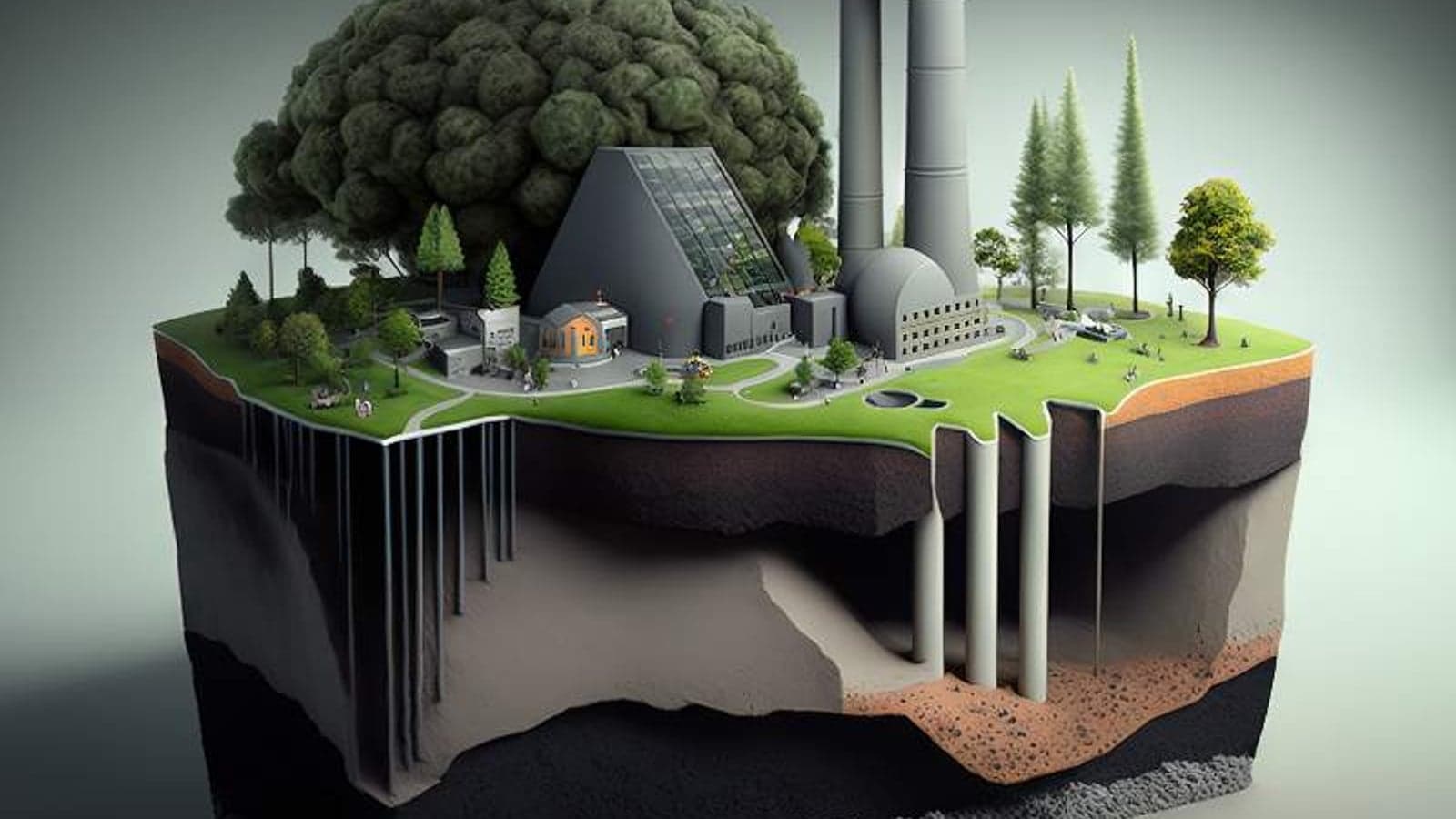
At its core, BECCS couples biogenic carbon sources (such as sustainably sourced biomass or waste wood) with carbon capture technologies and long-term geological storage.
Because the carbon absorbed by biomass during growth is biogenic – i.e. coming from the atmosphere, rather than fossil fuel in source – capturing and storing it after combustion or processing results in a net negative emissions profile.
The key advantage of BECCS lies in its integration. Unlike standalone Direct Air Capture systems, which require vast energy inputs, BECCS facilities generate power or heat, which can be used on-site or exported to the grid.
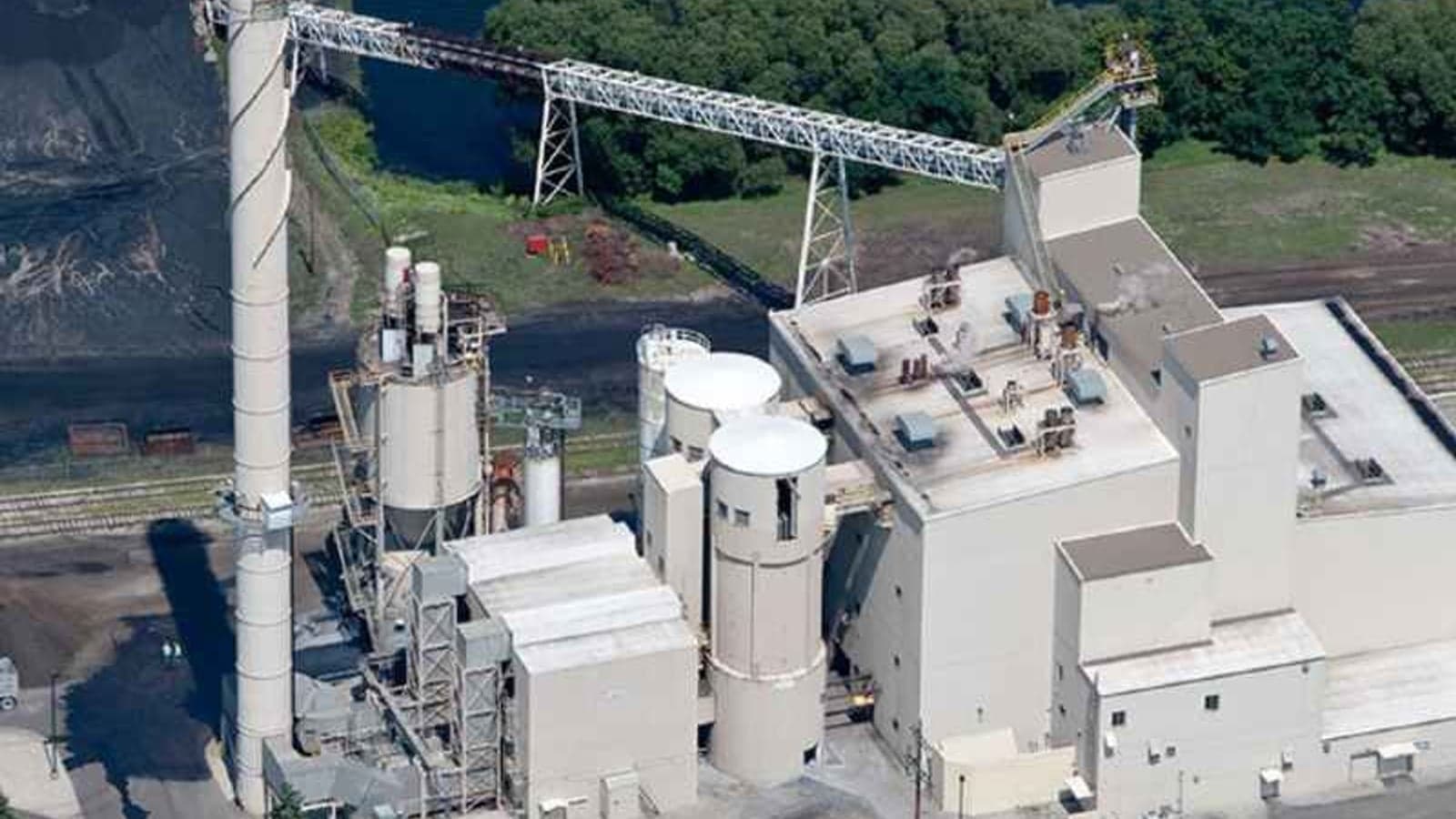
In Evero’s case, our Ince plant processes up to 170,000 tonnes of post-consumer waste wood per year, diverting it from landfill and using it to generate baseload renewable electricity for UK homes.
By retrofitting post-combustion capture systems to this process, we can remove over 200,000 tonnes of CO₂ annually once operational, storing it permanently in offshore reservoirs via the UK’s developing CO₂ transport and storage networks.
That is equivalent to neutralising the annual emissions of over 40,000 petrol cars. Unlike avoided emissions or land-based sinks, this CO₂ is permanently removed from the active carbon cycle.
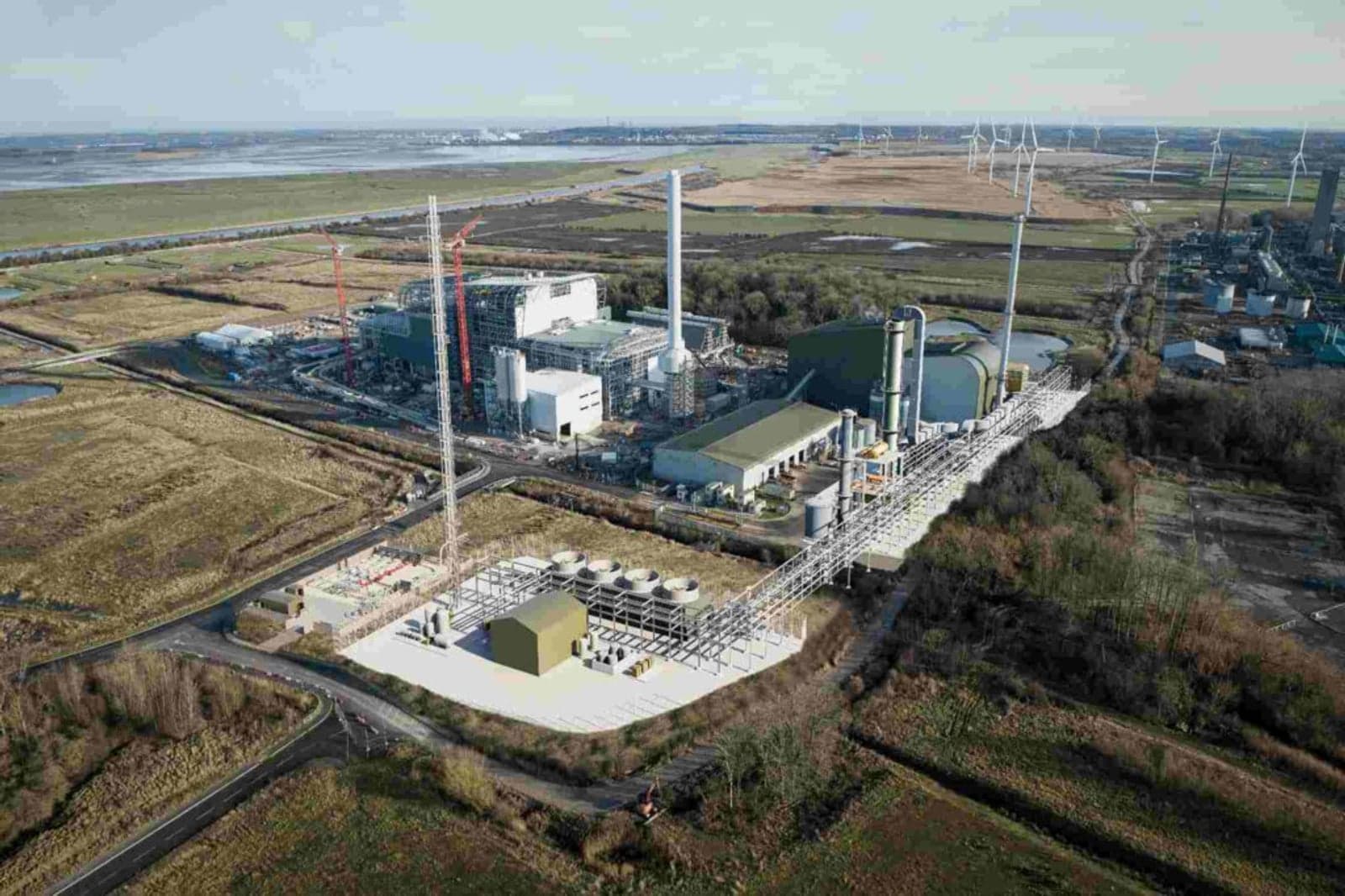
Retrofit considerations
Retrofitting CCS to a biomass plant introduces both technical opportunities and constraints – this makes it a really interesting project. The flue gas stream from waste wood combustion contains variable CO₂ concentrations depending on feedstock composition, combustion conditions, and flue gas clean-up efficiency.
Ensuring that the CO₂ is captured efficiently, while complying with all the Environment Agency Permit requirements for emissions to air and water including NOₓ, SOₓ, particulates, and heavy metals.
In designing InBECCS, our engineering approach prioritises:
- High capture efficiency: targeting >90% of flue gas CO₂ using proven post-combustion technologies.
- Heat integration: optimising energy recovery to minimise parasitic load from solvent regeneration and compression.
- Feedstock flexibility: maintaining operability with heterogeneous waste wood streams, without compromising capture rates.
- Pathfinder deployment: enabling scalable roll-out across other waste-to-energy assets.
Our facility will interface with the HyNet North West CO₂ transportation and storage network, allowing captured CO₂ to be dehydrated, compressed, and shipped for permanent storage under the Irish Sea.
This infrastructure is essential and so BECCS projects cannot be viewed in isolation. Their success depends on the availability of shared pipelines, compression hubs, and injection wells, with appropriate regulatory oversight and asset management.
Measurement, reporting and verification: the backbone of credibility
To avoid the integrity issues that have blighted the emissions reduction sector, carbon removals require a high standard of MRV integrity. Every tonne claimed must represent a verifiable and permanent removal, with negligible risk of reversal.
For BECCS, this means:
- Continuous emissions monitoring of flue gas composition pre- and post-capture;
- Mass balance accounting from feedstock carbon input to CO₂ output;
- Chain of custody tracking across capture, transport, and injection stages;
- Long-term storage assurance, including monitoring of storage site pressure, integrity, and permanence.
At Evero, we will be building these MRV protocols into our plant control systems, integrating real-time data from sensors, flow meters, and capture system instrumentation.
Our approach will need to comply with emerging standards from the British Standards Institution and align with international frameworks such as the Oxford Offsetting Principles, which call for full traceability and durable storage for all carbon removals.
The need for durable credit differentiation
Despite BECCS’ technical maturity, the market has yet to properly reward its climate value. Today’s voluntary carbon markets treat many different forms of credit as interchangeable from avoided deforestation to engineered removals despite their radically different durability profiles.
For the market to scale, we need:
- A tiered taxonomy of credits, where durable engineered removals like BECCS and DAC are placed at the top of the hierarchy.
- Standardised claims guidance that distinguishes between reductions, avoided emissions, and net-negative removals.
- Procurement rules and transition plans that prioritise high-durability credits for residual emissions.
Encouragingly, the UK government has signaled support for durable removals through recent consultations on voluntary carbon and nature markets. But more needs to be done. We need carbon credit buyers, especially corporates with hard-to-abate Scope 3 emissions, to include removal targets in their net zero strategies, and to allocate a growing share of their climate finance to high-integrity removals.
Supporting wider BECCS deployment
BECCS projects have had high upfront costs with policy uncertainty, and long development lead times. Yet once de-risked, they offer predictable carbon yields and revenue streams from both electricity and carbon credits.
To accelerate deployment for the wider BECCS sector, developers need blended finance models derisked by long-term offtake agreements; MRV-aligned credit ratings that allow institutional investors to assess quality and permanence; and grandfathering provisions in evolving standards (e.g. BSI PAS) to protect compliant projects from post hoc reclassification.
At Evero, we are progressing commercial negotiations for our pathfinder InBECCS project. It is designed to be cost-effective and repeatable, and to deliver lasting climate value without permanent reliance on public subsidy.
BECCS and the CDR ecosystem
Nature-based removals have an important role in the broader carbon removals portfolio. However, land-based sinks face real limitations around measurement, permanence, and land-use competition. They are also more vulnerable to climate shocks and biodiversity trade-offs.
BECCS offers a complementary pathway, especially for managing residual emissions from sectors such as aviation, shipping, and cement. By anchoring the CDR ecosystem with high-durability removals, we can ensure that every tonne of claimed ‘net zero’ impact reflects physical carbon withdrawal, not accounting sleight-of-hand.
Build with integrity
We are no longer asking whether engineered carbon removals like BECCS are technically feasible: they are! The question is whether we can scale them fast enough, credibly enough, and in time to meet the net zero challenge.
With the right market design, infrastructure alignment, and regulatory clarity, BECCS can become a cornerstone of the UK’s carbon removal strategy, delivering not only climate impact but energy security, industrial competitiveness, and regional investment.
Related tags
Latest content
+3
UK: £5 million for research into hydrogen production from biomass
The UK government has launched the new Hydrogen BECCS (biomass with carbon capture and storage) Innovation Programme to support the development of new technologies that will generate hydrogen from biomass and waste.
- Jonathan Spencer Jones
- 17/01/2022