Home
/
Energy transition needs ‘molecules and electrons, plus action not targets’: Uniper’s David Bryson
Energy transition needs ‘molecules and electrons, plus action not targets’: Uniper’s David Bryson
Kelvin Ross
Posted on: 23 February 2022
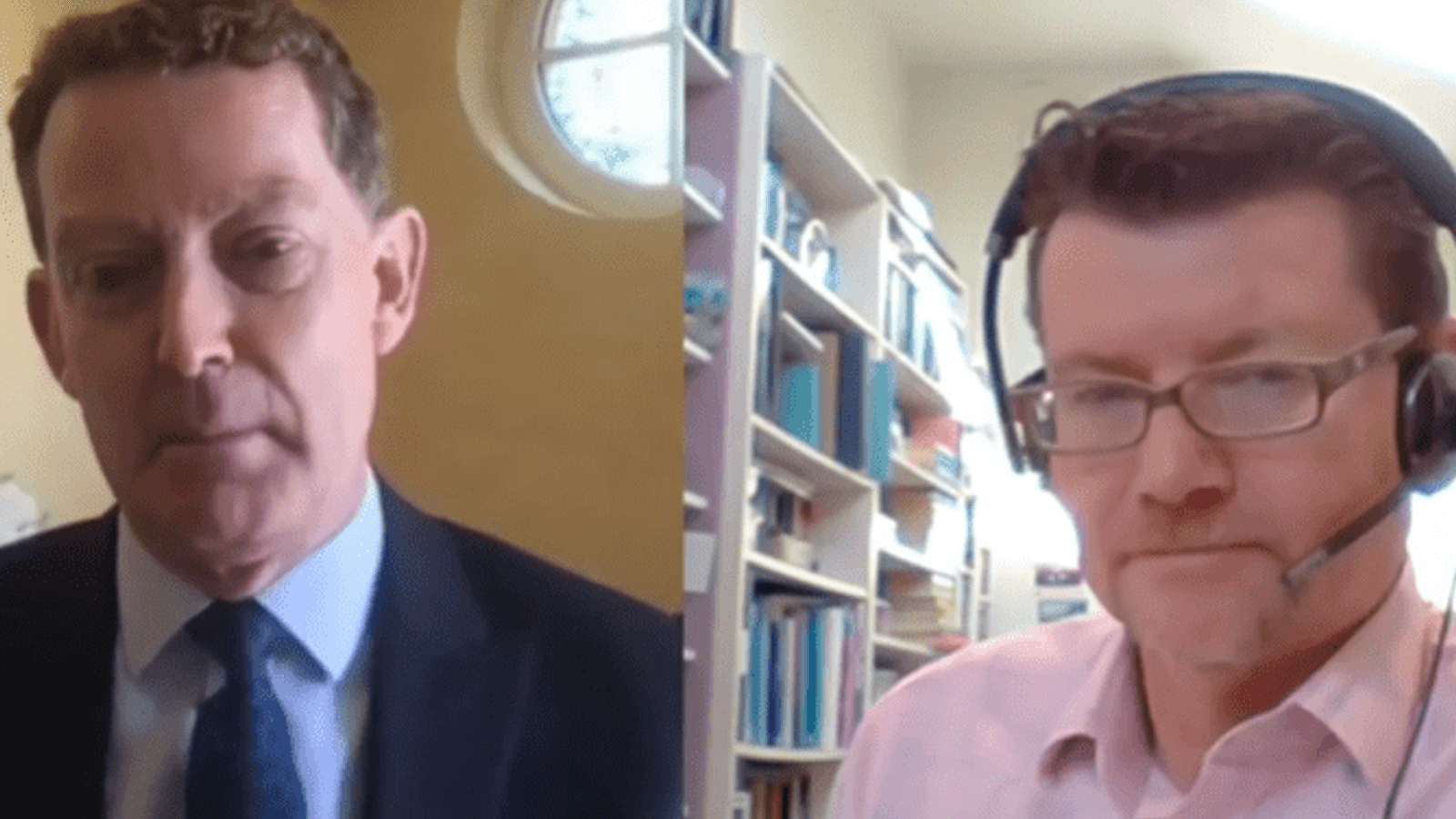
David Bryson from Uniper believes that energy transition needs ‘molecules and electrons, plus action, not targets’.
In the immediate aftermath of COP26 in Glasgow, there was a tide of disappointment at the way some developing nations, India in particular, baulked at backing a phase out of coal and instead endorsed a coal phase down.
David Bryson of Uniper shares that disappointment, however, he feels the need to cut some slack to those nations.
“I understand the challenge they face, because the energy transition is an evolution, not a revolution, and it takes time.
“So I can fully understand the nervousness they have. It must be very difficult for nation states in the position they are in: they’ve got populations that are desperately seeking advancement and electricity in a way that we in Europe would not understand because we have all of those benefits available to us now.
“So I think we have to understand that the world is not a level playing field.”
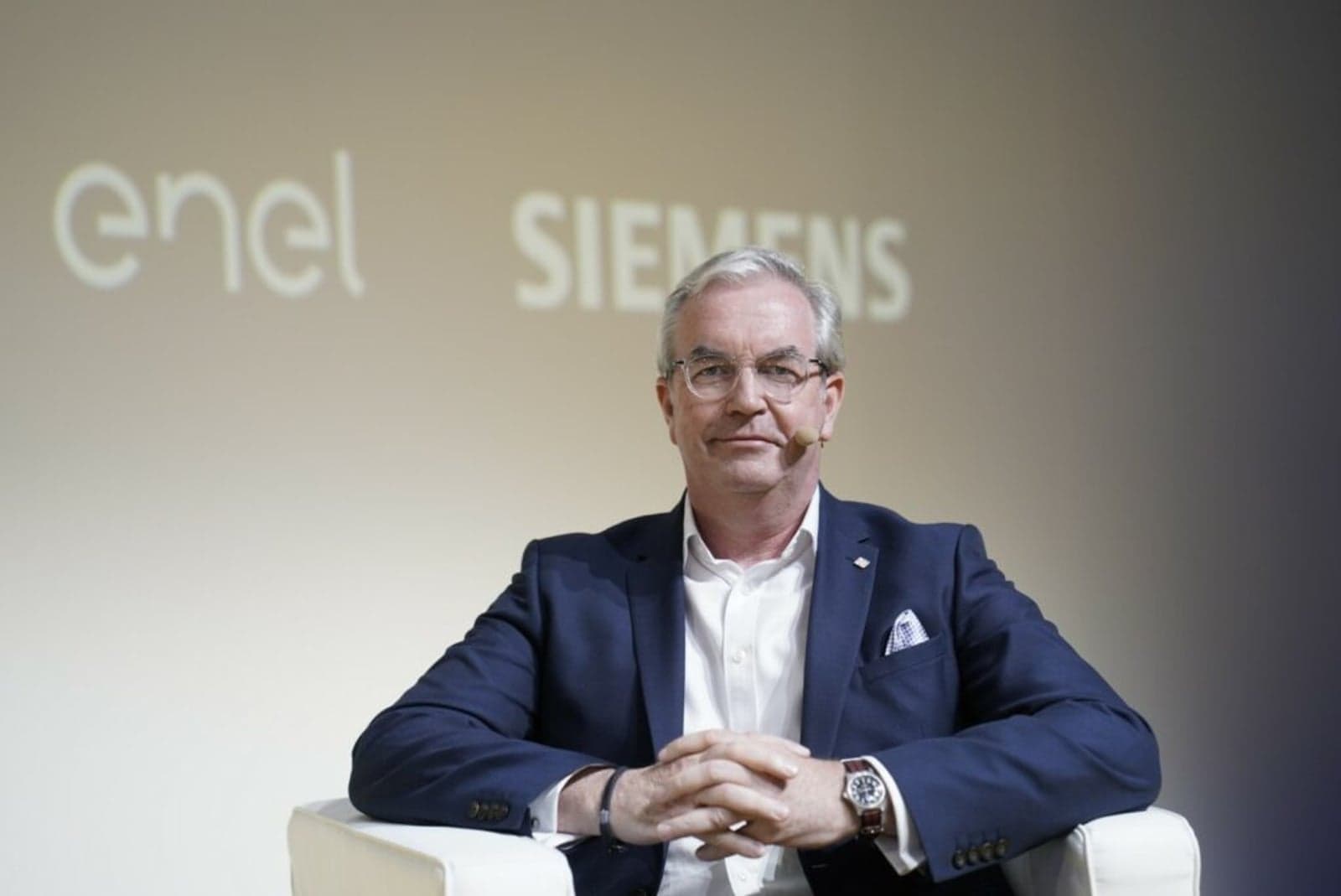
Bryson, who is Uniper’s Chief Operating Officer and Chief Sustainability Officer, was in Glasgow during the climate summit and says “the atmosphere was really positive – super-positive in fact. I was optimistic going into it, and like most people, I felt disappointed afterwards, but when I stop and look back, I think it was a positive step forwards.
“The Paris rules have been adopted, and the US and China coming together to agree something in that pressure cooker of COP was also a significant step. I would have liked more, but I think overall we should be positive and optimistic about what happened.”
Bryson adds that there has been “a polarized view of how this energy transition will occur – it’s either electrification or it’s gas, and I think that’s wrong: it is both.
“Both of those journeys of decarbonisation are needed if we're going to reach the targets of, for example, the EU of 2050.
And he adds that “it’s not a discussion around targets – it’s a discussion about how we get there and the mechanisms we have; the steering we have to achieve it.
“I think that’s what COP was talking about really: trying to move away from just targets to move towards actionable plans.
... the energy transition is an evolution, not a revolution, and it takes time.
“A few years ago the talk was of pure electrification. Now I sense that people are stepping away from that. They realize that there needs to be a mix; a balance between molecules and electrons. From my perspective, that’s the right answer.
“It’s not about backing a single horse at the moment. We won’t deal with the hard-to-abate sectors by electrification alone, therefore there needs to be a balance and I think we’re getting to the point where people truly appreciate that if you’re going to have a successful transition, you need that balance.”
Watch the full interview to also hear about Uniper’s own decarbonisation strategy, what Bryson would like to see from policymakers, and why “any colour of hydrogen is better than grey”.
Previous Connect Interviews:
Pushing the ideas envelope: Siemens software boss on enabling a net-zero future
IRENA’s Francesco La Camera spotlights next steps for climate action after COP26
Most popular
Join the community for freeAnd get access to all content
Related members
Kelvin Ross
Enlit, Enlit Media
Editor-in-Chief