Pushing the ideas envelope: Siemens software boss on enabling a net-zero future
Kelvin Ross
Posted on: 16 February 2022
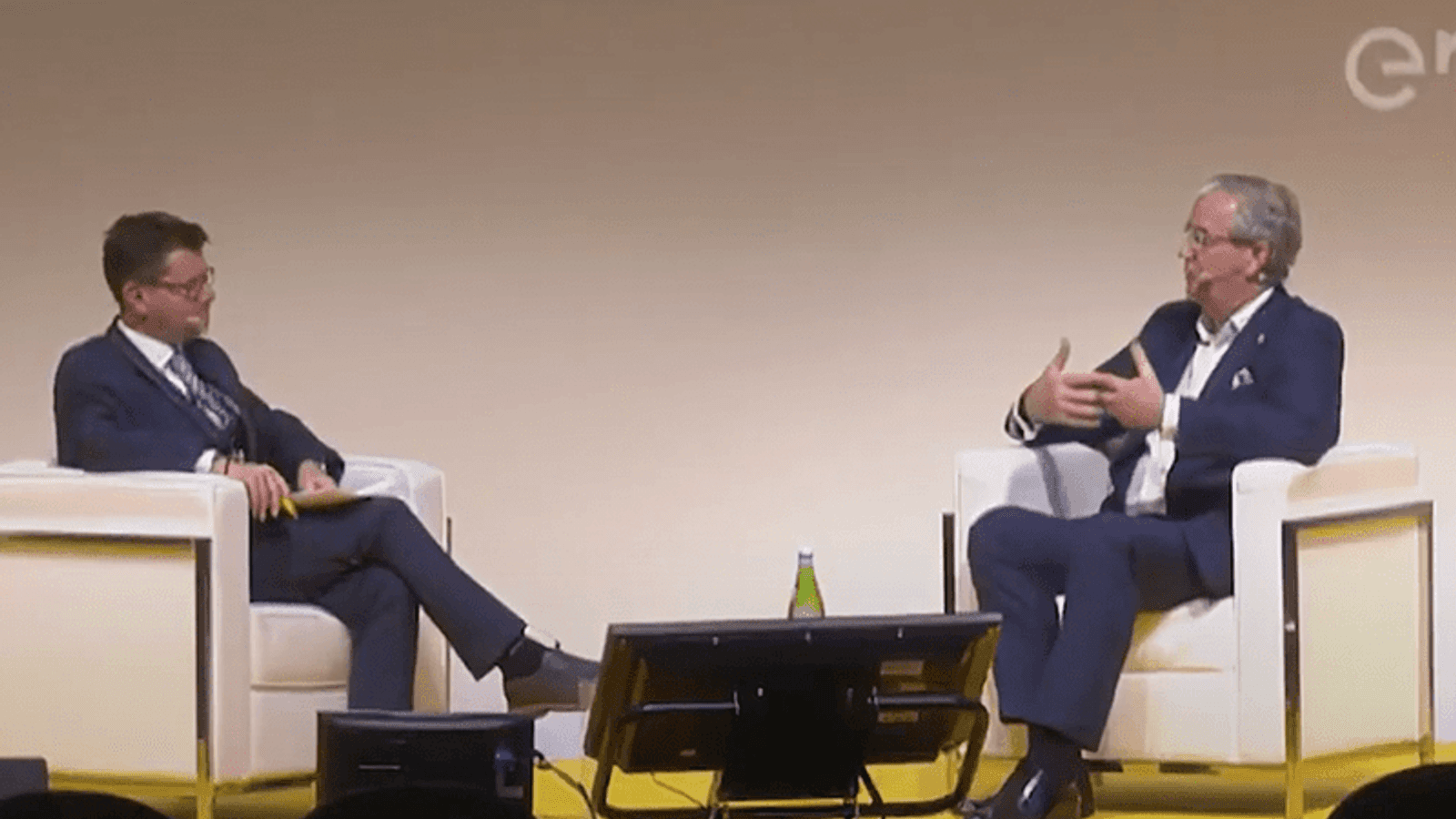
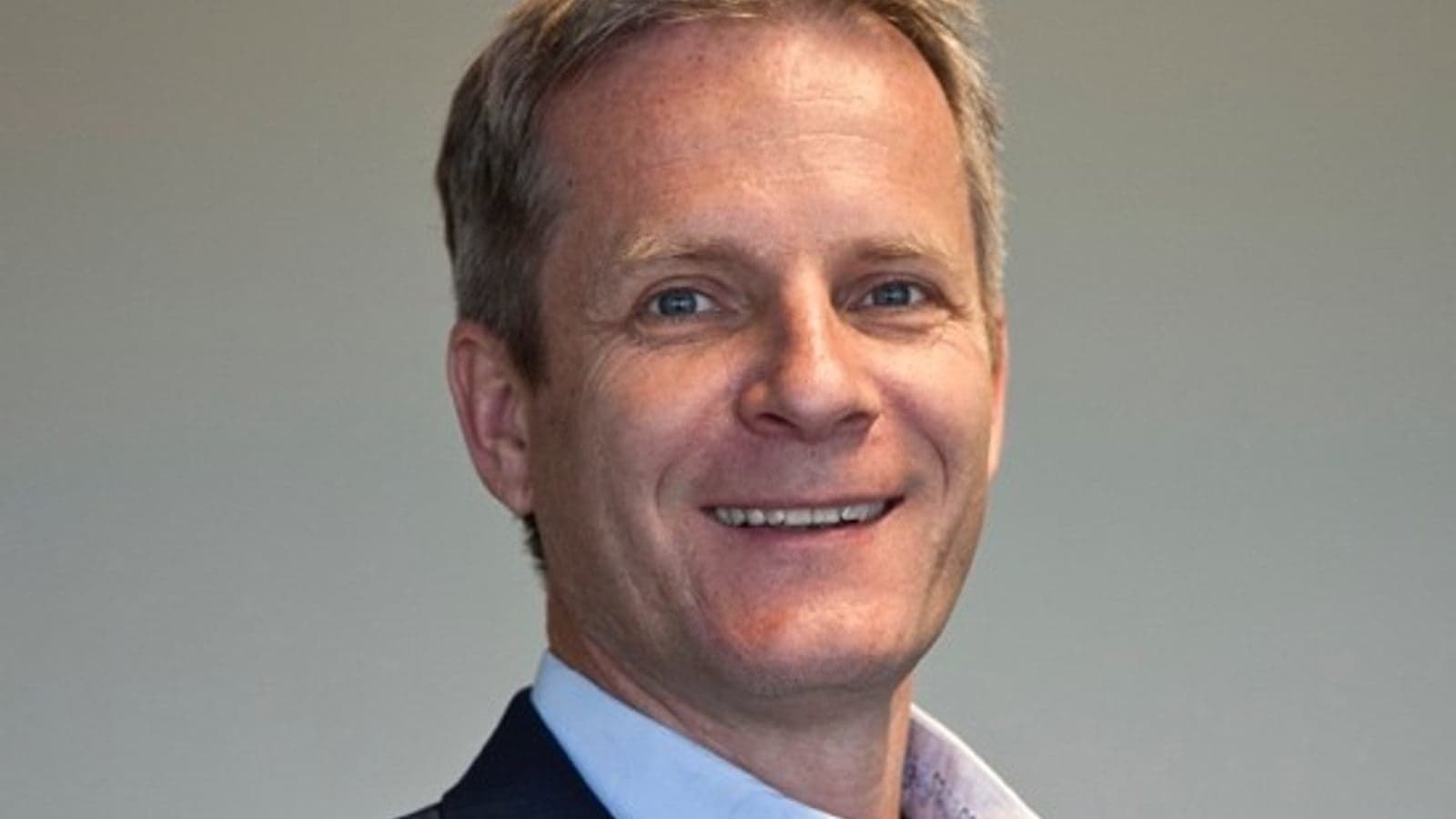
Kelvin Ross, editor Enlit & Power Engineering International, speaks to Sabine Erlinghagen from Siemens Smart Infrastructure about COP26.
You can’t predict the future – but you plan for its unpredictability, says Sabine Erlinghagen, by ‘preparing our systems and infrastructure in a smart way’.
“It's very hard to predict what's coming and when it's coming… you just know it's coming somehow.”
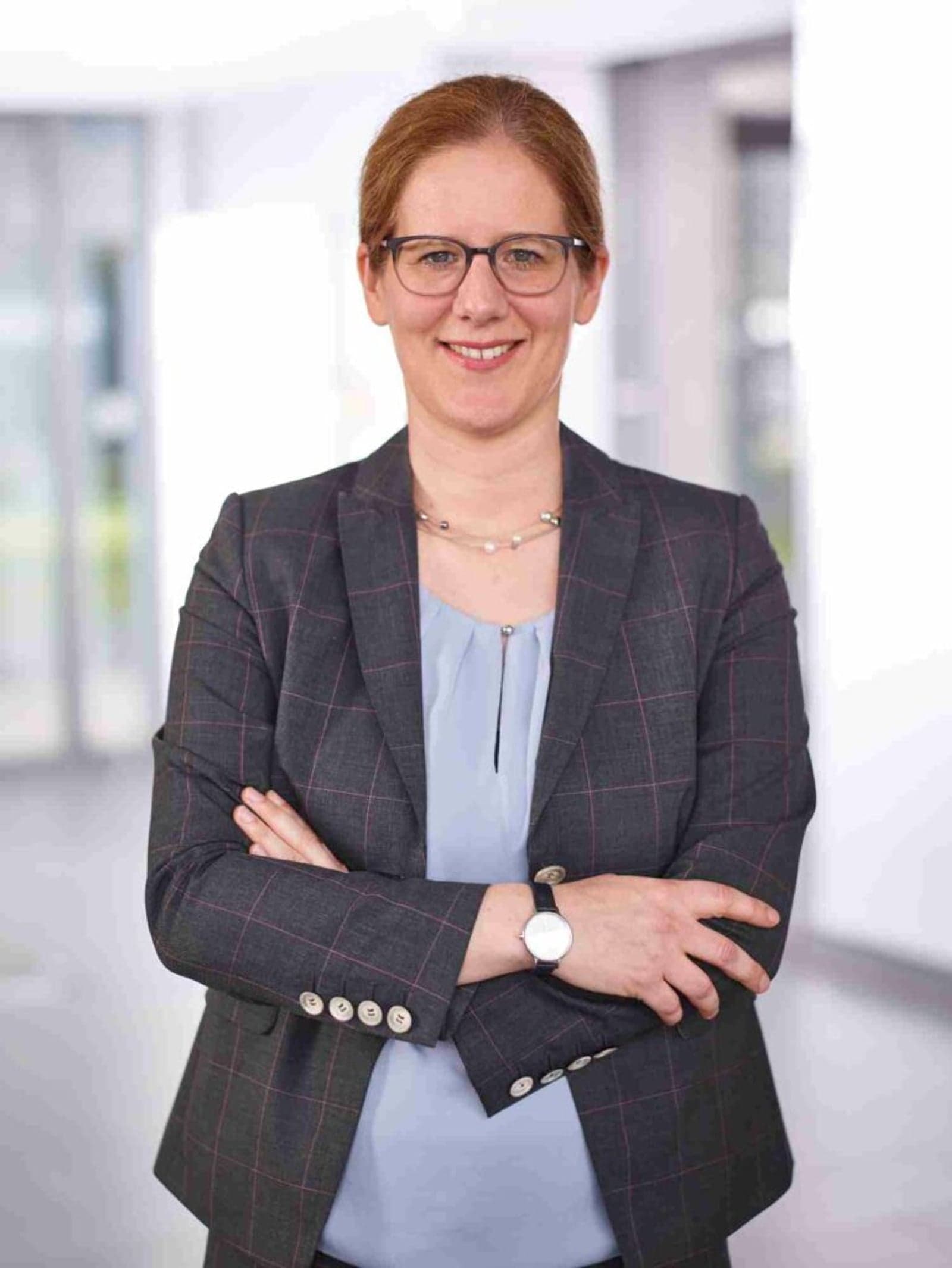
Sabine Erlinghagen, chief executive of Grid Software at Siemens, is talking about how to anticipate and facilitate fast-moving changes in the energy sector.
We are speaking in the wake of the COP26 climate talks in Glasgow, where the world was hoping for a dramatic policy acceleration to facilitate a net-zero future.
It didn’t quite pan out that way. Erlinghagen’s snapshot verdict of the Glasgow outcomes is “so-so”, yet she has to concede that “the pace of the overall energy transition might be faster than the policymakers”.
She cites recent figures from Bloomberg on car sales: “Electric is beating every prognosis that was out there, so the pace is accelerating much faster than has been predicted.”
And that, she says, is “the real challenge: to keep that momentum, to build on that momentum, and prepare our systems and our infrastructure in a smart way for the changes that are coming massively, despite maybe policymakers still not being super decisive”.
She explains that the challenge is made all the more acute by two factors. Firstly, the “complexity we're seeing with distributed energy resources on the rise”.
“We are talking about a sevenfold growth in distributed energy resources until 2030. With that in mind, the complexity of what we have to deal with – especially grid operators as they keep the grid stable – is increasing exponentially.”
At the same time, she says, the other factor is the uncertainty she spoke of earlier: what is coming and when? “You don't know where in the grid and you don't know how fast. You don't know what behaviours will look like. So we have increasing complexity at the same time as the uncertainty of how it's unfolding and how it's going to play out.”
So how do you prepare for these challenges? “Be nimble and adaptable. Be proactive in your planning to be able to adapt to whatever scenario is coming out.”
She also identifies where she sees the “low-hanging fruit and where the acceleration is really coming: distributed energy resources”.
And she compares a shift to DER to the move from landlines to mobile phones: “It was an independent decision of many people to choose a smartphone over a conventional phone and within a very short time everybody had a smartphone.
We are talking about a sevenfold growth in distributed energy resources until 2030. With that in mind, the complexity of what we have to deal with – especially grid operators as they keep the grid stable – is increasing exponentially.
“The same can happen when we talk about distributed energy resources. Every supermarket, every university, every hospital, every harbour, every home can independently make that choice.
“And if we enable that choice to be very easy and very fast, then that's actually a low hanging fruit, because we can make it happen by a lot of people doing things simultaneously and driving up the share of renewables in the world.”
Remote working solutions have always been part of the solutions developed by Erlinghagen and her team, however, adoption of these solutions has sky-rocketed in the past two years due to the pandemic.
And Erlinghagen says this, in turn, has “accelerated the acceptance to work with customers in that remote way”.
“Before there was a hesitance. People would say: ‘Oh, can't you come on site? Can you do it physically?’ The service was perceived to be better when on site.
“Now we don't have those discussions anymore, because we all learned as a society that collaborating virtually works well and hence providing a service virtually is as good – maybe even
better – because you don't need to wait until somebody travels on site.”
And does she think these remote-working changes are here to stay? “I am absolutely convinced that this is the case. I think it's about taking advantage of time in a much smarter way.
“It's about imagining what's possible and then striving down that road.”
Related Content:
IRENA's Francesco La Camera spotlights next steps for climate action after COP26
Siemens Smart Infrastructure CEO Grid Software highlights grid operator challenges
Most popular
Join the community for freeAnd get access to all content
Related members
Kelvin Ross
Enlit, Enlit Media
Editor-in-Chief