IPCC: ‘Limiting global warming will require major transitions in the energy sector’
Yusuf Latief
Posted on: 5 April 2022
The UN IPCC has released its latest climate change mitigation report, which provides an updated global assessment.
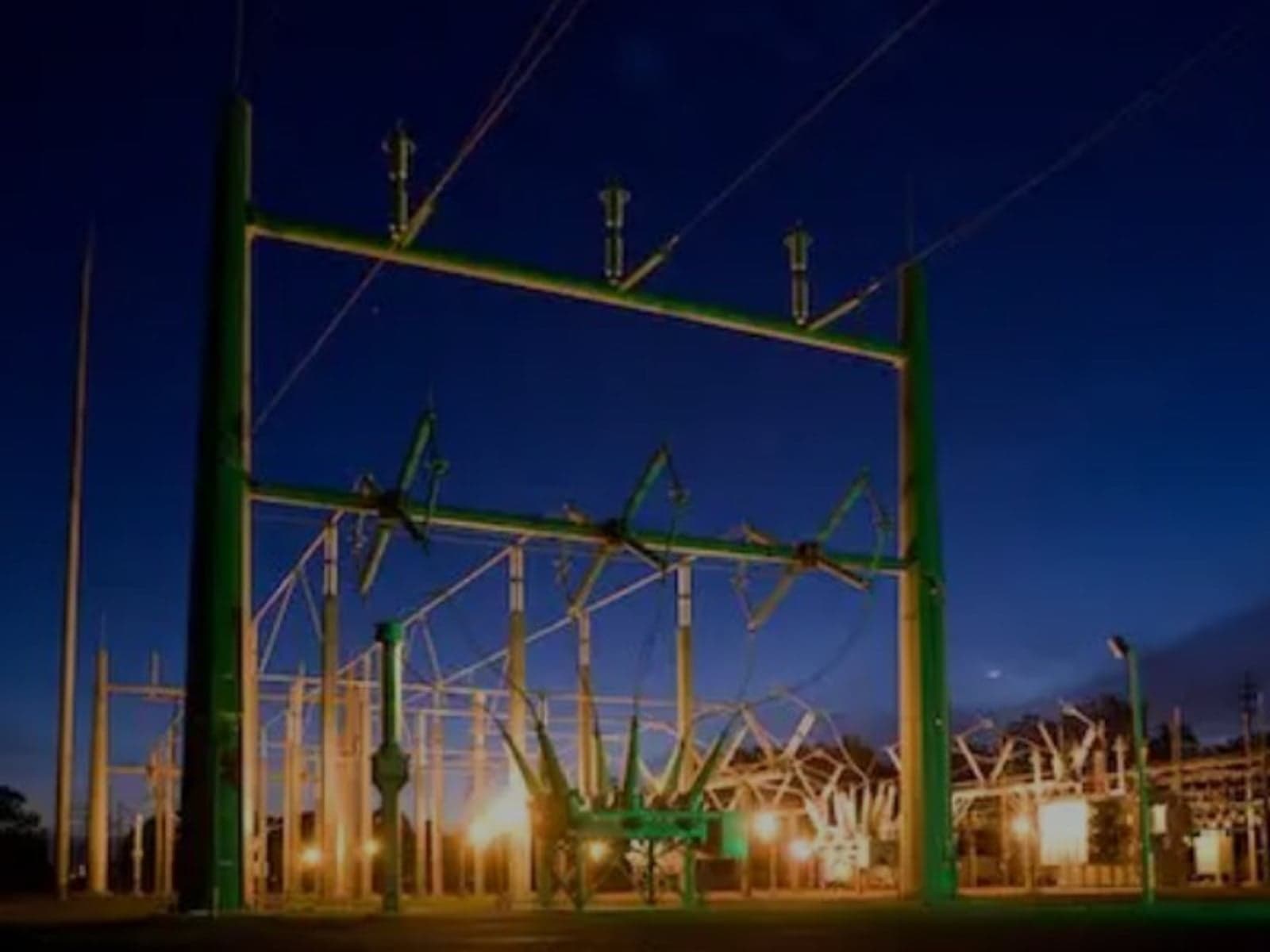
The UN IPCC has released its latest climate change mitigation report, which provides an updated global assessment of mitigation progress and pledges. One of its core findings is that major transitions in the energy industry will be key to mitigating the climate crisis.
The report is the sixth assessment report from the United Nations’ (UN’s) Intergovernmental Panel on Climate Change (IPCC), which is charged with advancing knowledge on human-induced climate change.
The report examines the sources of global emissions, explains developments in emissions reduction and mitigation efforts and assesses the impact of national climate pledges.
One of the report's key findings is that limiting global warming will require major transitions in the energy sector.
This will involve a substantial reduction in fossil fuel use, widespread electrification, improved energy efficiency and use of alternative fuels, such as hydrogen.
Have you read:
IEA receives $22 million annual funding stream to expedite net zero roadmaps
IRENA’s Francesco La Camera spotlights next steps for climate action after COP26
Opportunities for emission reduction
Cities and other urban areas were found to offer significant opportunities for emissions reductions.
Such opportunities include:
• Lower energy consumption, such as by creating compact, walkable cities
• Electrification of transport in combination with low-emission energy sources
• Enhanced carbon uptake and storage using nature
There are also options for established, rapidly growing and new cities.
“We see examples of zero energy or zero-carbon buildings in almost all climates,” said IPCC Working Group III Co-Chair Jim Skea. “Action in this decade is critical to capture the mitigation potential of buildings."
The report finds that reducing industry emissions will involve using materials more efficiently, reusing and recycling products and minimising waste.
For basic materials, including steel, building materials and chemicals, low- to zero-greenhouse gas production processes are at their pilot to near-commercial stage.
The sector itself is stated to account for a quarter of global emissions.
Achieving net zero
According to the report, achieving net zero will be challenging and will require new production processes, low and zero emissions electricity, hydrogen and carbon capture and storage.
Agriculture, forestry and other land use can provide large-scale emissions reductions and remove and store carbon dioxide at scale.
However, land cannot compensate for delayed emissions reductions in other sectors. Response options can benefit biodiversity, help us adapt to climate change and secure livelihoods, food and water and wood supplies.
IPCC Working Group III Co-Chair Priyadarshi Shukla commented on the report in a statement: “Having the right policies, infrastructure and technology in place to enable changes to our lifestyles and behaviour can result in a 40-70% reduction in greenhouse gas emissions by 2050. This offers significant untapped potential."
Emissions growth rates
From 2010-2019, average annual global greenhouse gas emissions were at their highest levels in human history, although the rate of growth has slowed.
Without immediate and deep emissions reductions across all sectors, limiting global warming to 1.5°C is beyond reach. However, according to the scientists contributing to the IPCC report, there is increasing evidence of climate action.
Since 2010, the report states, there have been sustained decreases of up to 85% in the costs of solar and wind energy, and batteries.
Climate change policy
An increasing range of policies and laws have enhanced energy efficiency, reduced rates of deforestation and accelerated renewable energy deployment.
“We are at a crossroads. The decisions we make now can secure a liveable future. We have the tools and know-how required to limit warming,” said IPCC Chair Hoesung Lee. “I am encouraged by climate action being taken in many countries.
“There are policies, regulations and market instruments that are proving effective. If these are scaled up and applied more widely and equitably, they can support deep emissions reductions and stimulate innovation.”
The full report, a technical summary, a summary for policy makers and its various chapters can be accessed online.