Seven innovative industrial decarbonisation projects in Europe
Jonathan Spencer Jones
Posted on: 5 April 2022
The EU is pumping in €1.1 billion ($1.2 billion) to advance seven large scale industrial low carbon initiatives.
The EU is pumping in €1.1 billion ($1.2 billion) to advance seven large scale industrial low carbon initiatives.
The funding from the EU Innovation Fund, which is funded from the EU’s Emissions Trading System (ETS), is intended to incentivise the implementation of cutting edge technologies at scale.
The key sectors selected include hydrogen, steel, chemicals, cement, solar energy, biofuels and carbon capture and storage. They are estimated to reduce emissions by over 76Mt CO2e during the first ten years of operation.
“This is a smart investment into the decarbonisation and resilience of our economy; it boosts European industry's position as global leaders in clean tech, creates local jobs and helps to accelerate our green transition,” said Executive Vice-President for the European Green Deal, Frans Timmermans in a statement.
Have you seen?
Innovation contests offer springboard for start-ups with cleantech X Factor
30 innovations for a renewable-powered future
The projects are as follows:
Kairos@C – cross-border CCS
Kairos@C located in the Port of Antwerp in Belgium is aimed to create the first cross-border carbon capture and storage value chain to capture, liquefy, ship and permanently store CO2.
The proposal is to capture CO2 from various industrial sources on the Zandvliet industrial platform, transport it by a local pipeline within the port of Antwerp to a liquefaction and export terminal and then ship it to subsea storages in the North Sea for permanent sequestration.
Kairos@C, led by Air Liquide, is expected to enable the deployment of several pioneering technologies, including a cryogenic CO2 capture process at industrial scale, an energy efficient CO2 liquefaction plant with ten times the capacity of the largest CO2 liquefaction unit in operation today and the development of a major functioning cross-border shipping and storage CCS chain.
BECCS Stockholm – bio-energy CCS
The Bio-Energy Carbon Capture and Storage (BECCS) project led by Stockholm energy company Stockholm Exergi is aimed to create a full-scale BECCS facility at its existing heat and power biomass plant in the city.
The proposal is to combine CO2 capture with heat recovery to make the process more energy efficient than in a conventional CCS plant and to capture and permanently store out in the North Sea large quantities of biogenic CO2 from the atmosphere.
Net carbon removals are seen as an increasingly important technology-based solution to climate mitigation and the project also is anticipated to be a catalyst for a new carbon removal market.
Hybrit – low carbon steel
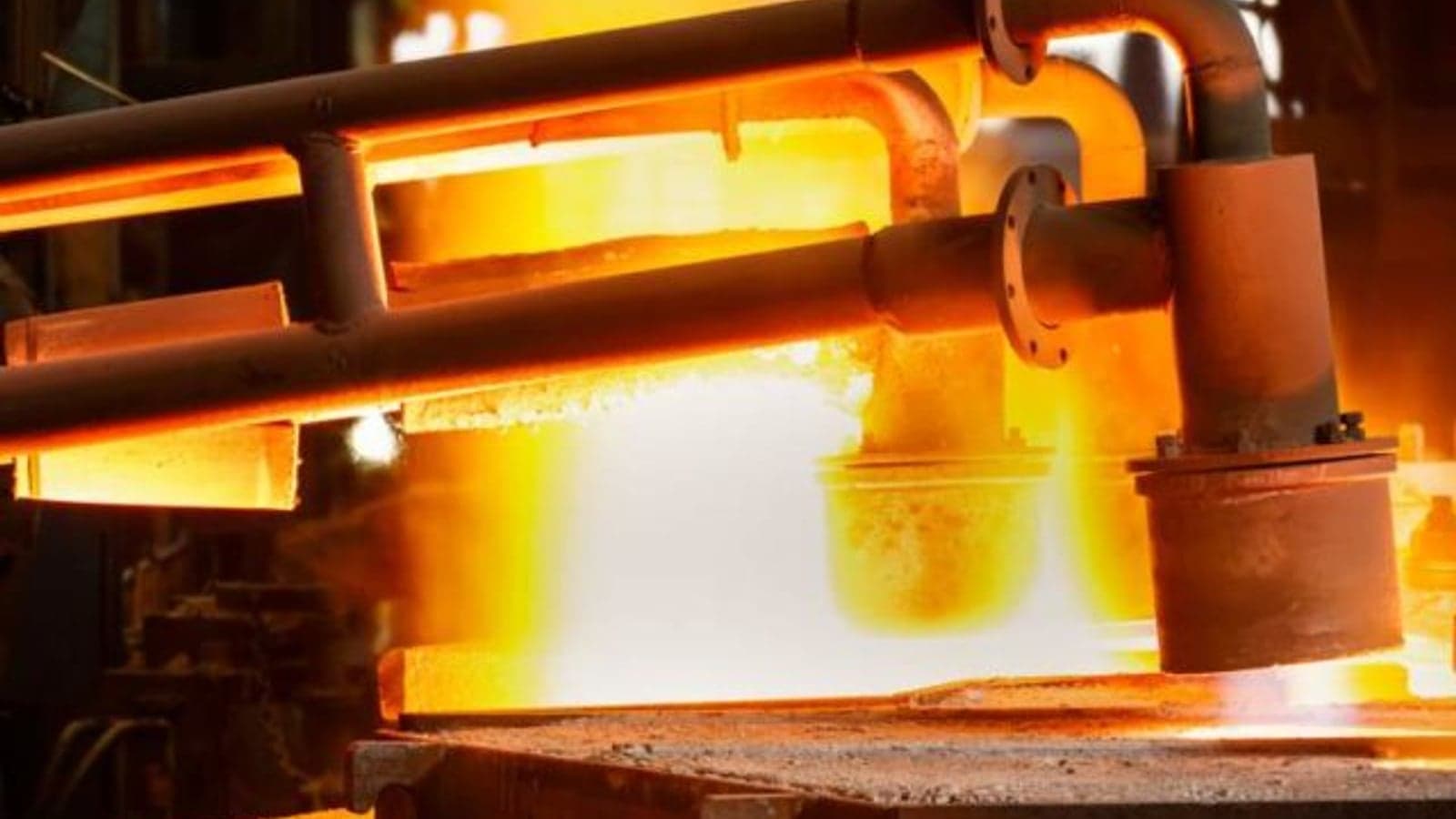
The Hydrogen Breakthrough Ironmaking Technology (Hybrit) project led by Vattenfall in Sweden is aimed to deliver a commercial-scale demonstration of a complete value chain for hydrogen-based iron and steelmaking.
The project plans to replace coal-based blast furnace technology with direct reduction based on fossil-free hydrogen. A new hydrogen production facility will be established at mining company LKAB’s plant in Gällivare using a 500MW electrolyser powered by fossil-free electricity, which will enable the conversion of iron ore into sponge iron. Two blast furnaces at steel company SSAB’s facility in Oxelösund will be replaced with an electric arc furnace, using the sponge iron as the feedstock to produce the fossil free steel without using coking coal in the reduction step.
As access to renewable energy continues to increase, the project is expected to lead the way to the decarbonisation of the hard-to-abate, iron ore-based steel production across Europe.
Ecoplanta – methanol from waste
Ecoplanta from Ecoplanta Molecular Recycling Solutions located in El Morell, near the port of Tarragona in northeast Spain, is aimed to deliver a first-of-a-kind commercial methanol plant for the European market, using non-recyclable waste that would otherwise end up in landfills.
The plant is proposed to produce 237kt/y of methanol, and thereby recover 70% of the carbon present in the waste, with the methanol then fed into an onsite refining process for use as a feedstock for chemicals and advanced biofuels.
K6 Program – low carbon cement
The K6 Program from cement company Eqiom in Lumbres in the north of France is aimed to transform one of the oldest cement plants in Europe to produce the first carbon neutral cement in the region.
The plant has a capacity of more than 800,000t of cement and uses 145,000t of local waste per year. The project will deploy a first-of-a-kind industrial-scale combination of an airtight kiln and cryogenic carbon capture technology. The captured CO2, otherwise emitted to the atmosphere, will then be delivered to a permanent storage site in the North Sea.
The project is expected become a representative project for the cement industry worldwide as another hard-to-abate sector.
TANGO – solar PV manufacture scale-up
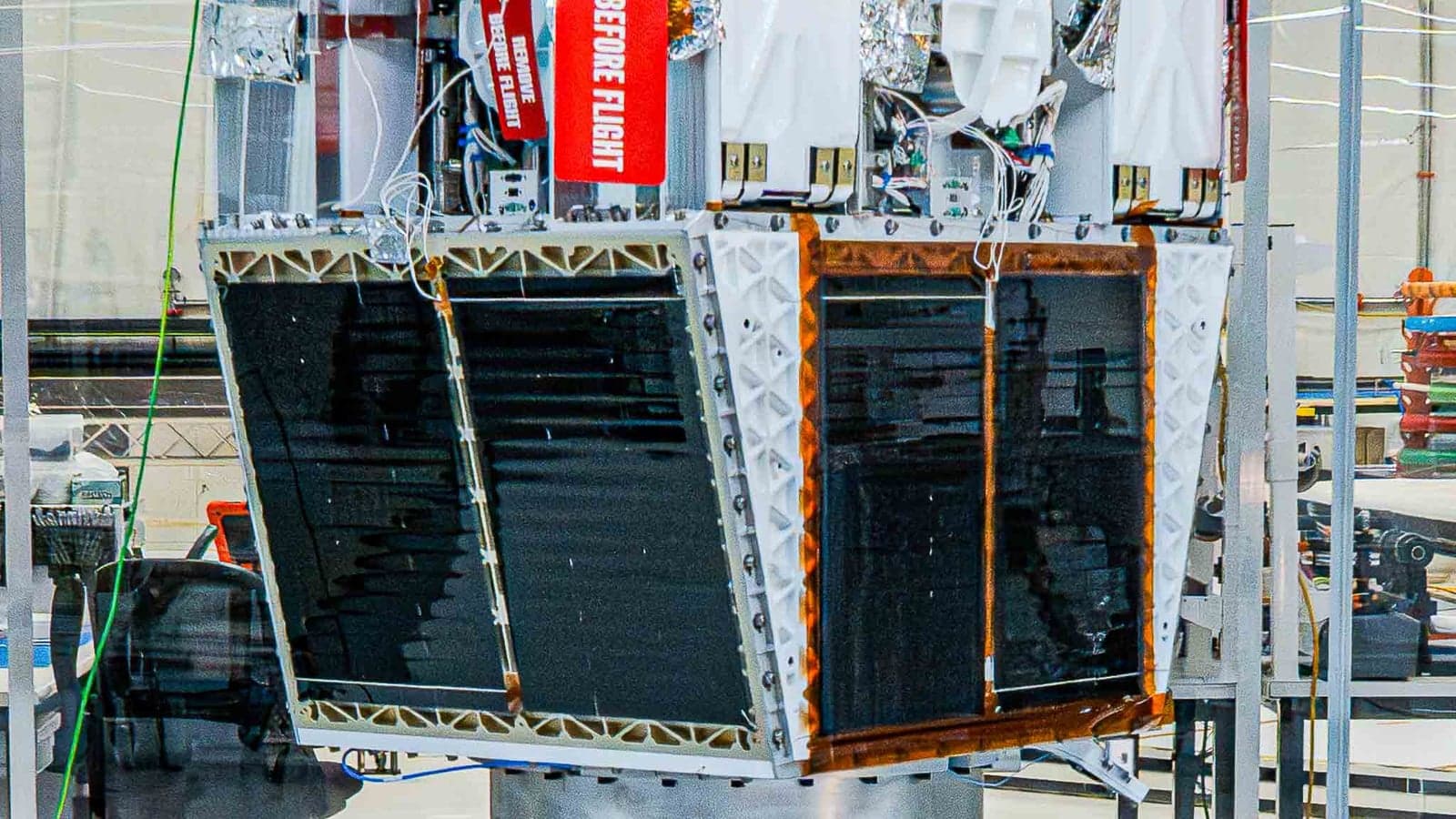
The Enel Green Power led TANGO project will develop an industrial-scale pilot line in Catania in the south of Italy for the manufacture of high performance solar PV modules, increasing the production capacity by 15 times, from 200MW up to 3GW per year.
Production will include bifacial heterojunction (B-HJT) PV cells, which offer an effective efficiency improvement of up to 20% relative to current state-of-the-art cells, and an innovative ‘Tandem’ module design, which combines cells with different spectral band gaps in one module.
The main innovation lies in scaling up production of these cells to a gigawatt scale – a key goal for the European PV industry.
SHARC – fuel refinery decarbonisation
Finnish refiner and fuel producer Neste Oyj’s Sustainable Hydrogen and Recovery of Carbon project (SHARC) is planned to reduce greenhouse gas emissions at its Porvoo fuel refinery by moving away from the production of fossil-fuel based hydrogen towards both green hydrogen production with the introduction of electrolysis and blue hydrogen production by applying carbon capture technology.
Current grey hydrogen production at the refinery contributes to approximately 35% of its emissions
With the introduction of advanced technologies at scale as a first in a refinery, it is anticipated to form the basis for a European hub for renewable hydrogen and CCS.
With these projects under way a second call for proposals for large scale projects with a €1.5 billion budget is in hand with awards expected to be made in Q4 of 2022.
A second call for small scale projects with a €100 million budget also has been launched with awards scheduled for May 2023.