Joanna Osawe on building a global platform to elevate women in renewable energy
Riaan Mostert
Posted on: 23 July 2025
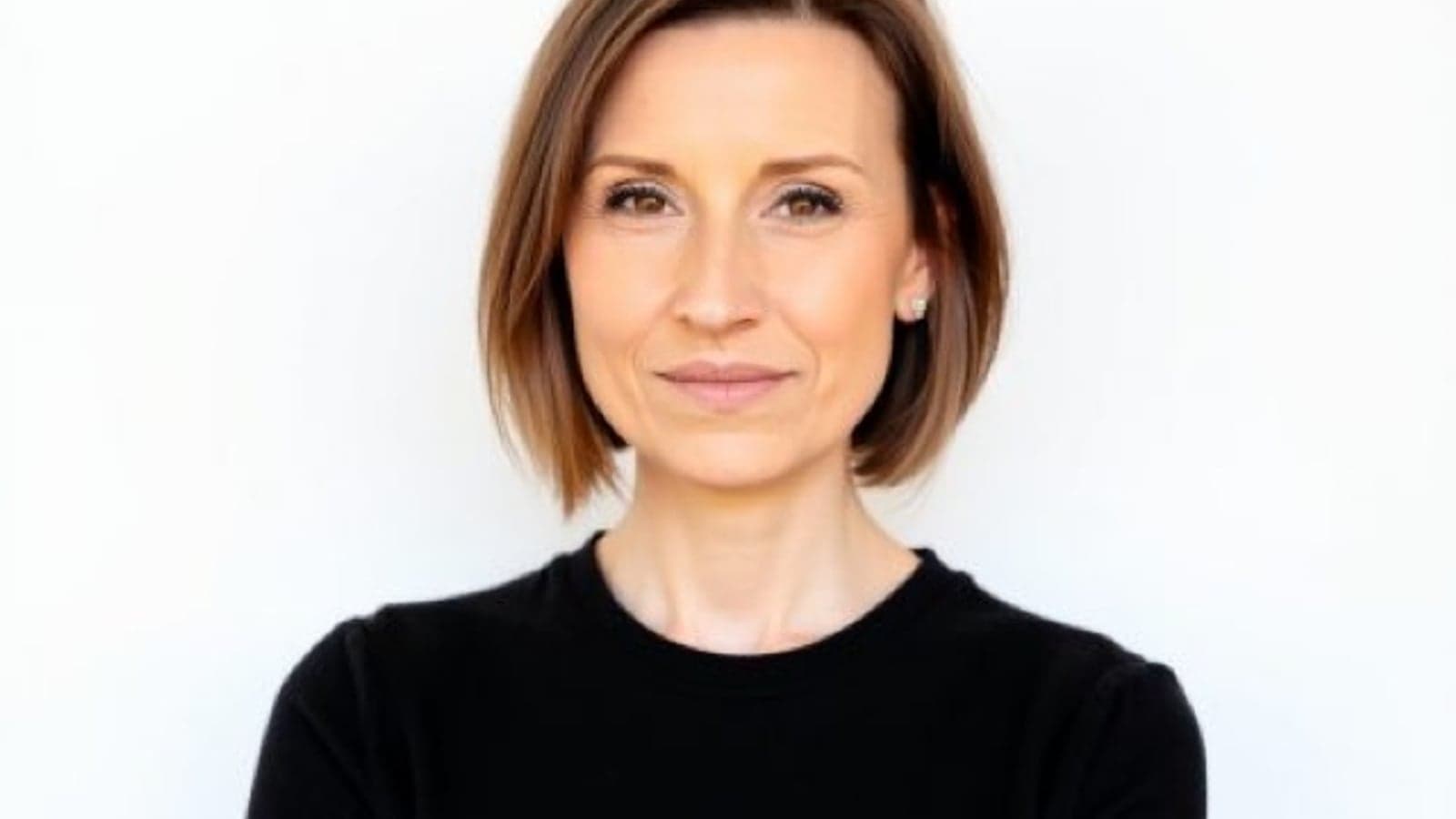
Joanna Osawe, of WiRE speaks to Kamogelo Motse about her career journey, starting the organisation and the importance of diversity in the energy sector.
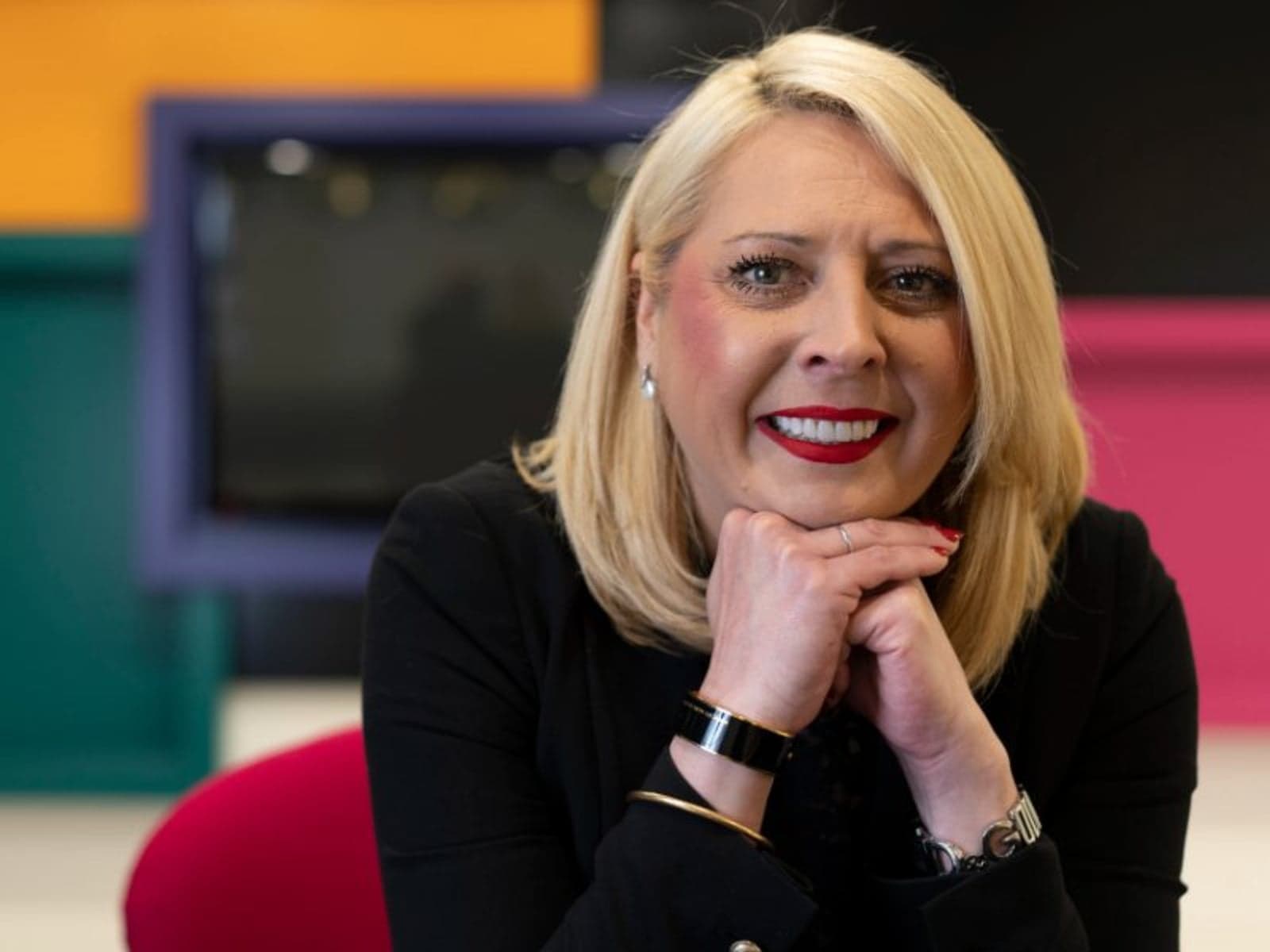
Joanna Osawe, President and CEO of the Canada-headquartered Women in Renewable Energy (WiRE) organisation, speaks with Kamogelo Motse about her career journey, founding the organisation and how she has witnessed the renewable energy sector evolve.
Osawe's career in the energy sector spans over 20 years, managing renewable energy projects across Canada and the US. Her journey in the sector started early, when she looked for jobs in the energy sector, discussing the options with her mother, a microbiologist, and father, a mechanical engineer.
She discusses how, because she was not an engineer, she never checked the boxes to qualify for a job in the sector. "Every single job that I've had in the 20 years that I've been in this sector, I've always had to be a qualified engineer," said Osawe.
However, she was able to maintain a career in the sector despite not having an engineering qualification.
She said: "What inspired me most when I started building wind energy projects, it didn't matter if you're an engineer, a geologist, an environmental planner, a financier, an architect, a permitting person, because we all were starting so fresh in the renewable energy sector."
Since then, Osawe has witnessed how the industry has evolved, and she has played a significant role in its development.
What inspired you to launch WiRE in 2013, and how has its mission evolved since the early days?
My supportive and champion husband, whom I've been with since university, encouraged me to start WiRE in 2013.
Our mission is to advance the role and recognition of women and underrepresented groups in the energy sector.
We received a lot of hate mail and derogatory comments in the beginning but we continued. I decided more than ever that WiRE needed to have a platform. We're in every single province, including the territories, in Canada, and we are international. We have over 27 chapters worldwide, and we are growing all over the world. We're about to launch WiRE Caribbean this year. We do a lot of work with a lot of remarkable women around the globe.
You’ve noted that early in your career, women were often “the only female” in the boardroom or on-site. How has that changed in recent years and what still needs to happen?
So I'm going to answer this in two parts. Feminism is very different in North America. Feminism is very different in Africa, in Europe and so forth. The reason I was talking about feminism is that in North America, where I've worked the most, there are more women entering the sector, but they're not at the executive level, and they're not at the Board of Directors level. And I can easily say that for the entire globe, women do not have those executive positions, we're still seeing positions that we need to be at, which is at the decision making level.
For women just starting out in renewables, what do you wish you had known when you began your career?
I wish I had known how many obstacles and challenges I would have had. However, I wouldn't be where I am today if it weren't for those obstacles and challenges.
WiRE, which I refer to as my 'baby daughter', has given me the confidence to be able to speak my mind. The organisation has also given a platform to many women and underrepresented groups to feel safe, to have their space and to continue that growth.
Have you read?
UK energy sector still behind on female representation in leadership
Jeanette Gitobu on leading women in wind and shaping energy policy
What lessons from Canada’s gender equity progress do you think can or can’t be exported to international partners?
I think that our government does a really good job on Diversity, Equity and Inclusion, even though we still have a very long way to go. However, we are definitely seeing a lot of programmes from the Electricity Human Resources Canada (EHRC), for example, that champion gender equity.
I think that there are a lot of lessons that can be exchanged, not only from Canada, but from around the world.
WiRE has grown into a global platform. How are you adapting programming across diverse regulatory and cultural environments from Canada to MENA?
I call it Glocal. Be global, but act local.
What's right for WiRE Canada may not be right for WiRE UAE or WiRE Africa. I need to work closely with our chapter leaders to make sure the right programmes come to light in their respective countries.
How can DEI be best communicated in the sector?
I think it's important for organisations to be comfortable with the uncomfortable. I think we need to address the elephant in the room.
If you could influence one national or international energy policy in the next year, what would it be—and why?
I think that we need to take diversity, equity and inclusion and justice more seriously. DEI and justice come hand in hand. Right now, I feel we're taking steps backwards instead of steps forward.
If you could give one message to energy-sector CEOs about gender equity, what would it be?
Leadership starts at the top and is the domino effect. Make sure that if you're a leader, you're leading and not just managing. And make sure that you know that having an inclusive workforce is top of mind, as well as having diverse teams representing your organisation.
What legacy do you hope to leave within the energy sector, and how do you wish to be remembered?
Women in Renewable Energy (WiRE) is my legacy. I feel like I'm making a difference, not only for me, but for the entire WiRE family all over the world. I'm very proud of WiRE, and I'm very proud of every single person who is involved at WiRE. It takes an entire community to continue that movement.