Monica Collings on why diversity matters for energy sector resilience
Pamela Largue
Posted on: 24 July 2025
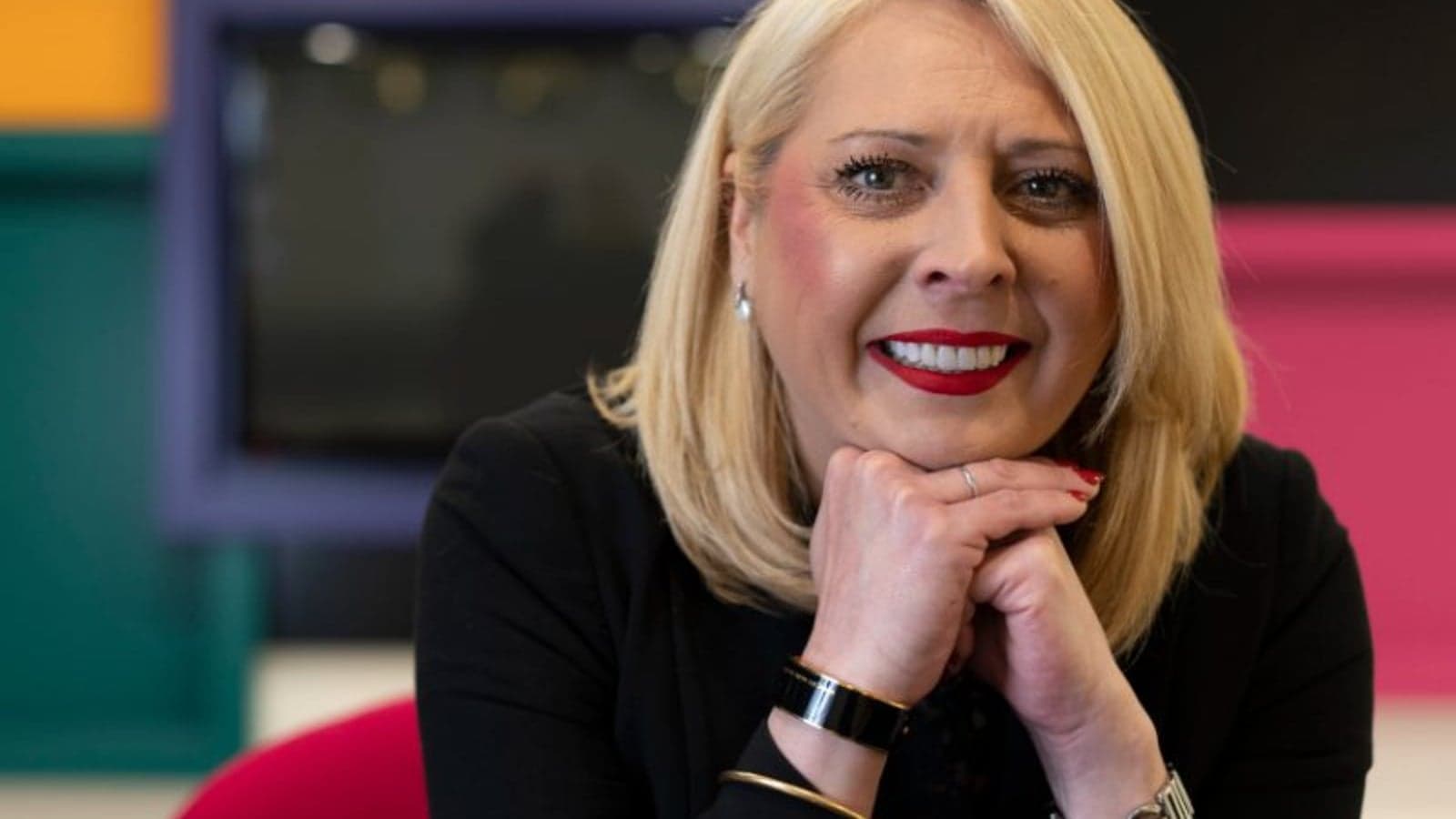
Monica Collings OBE, Chair of POWERful Women, is on a mission to give women in the energy sector a voice and ensure that their contributions remain valued.
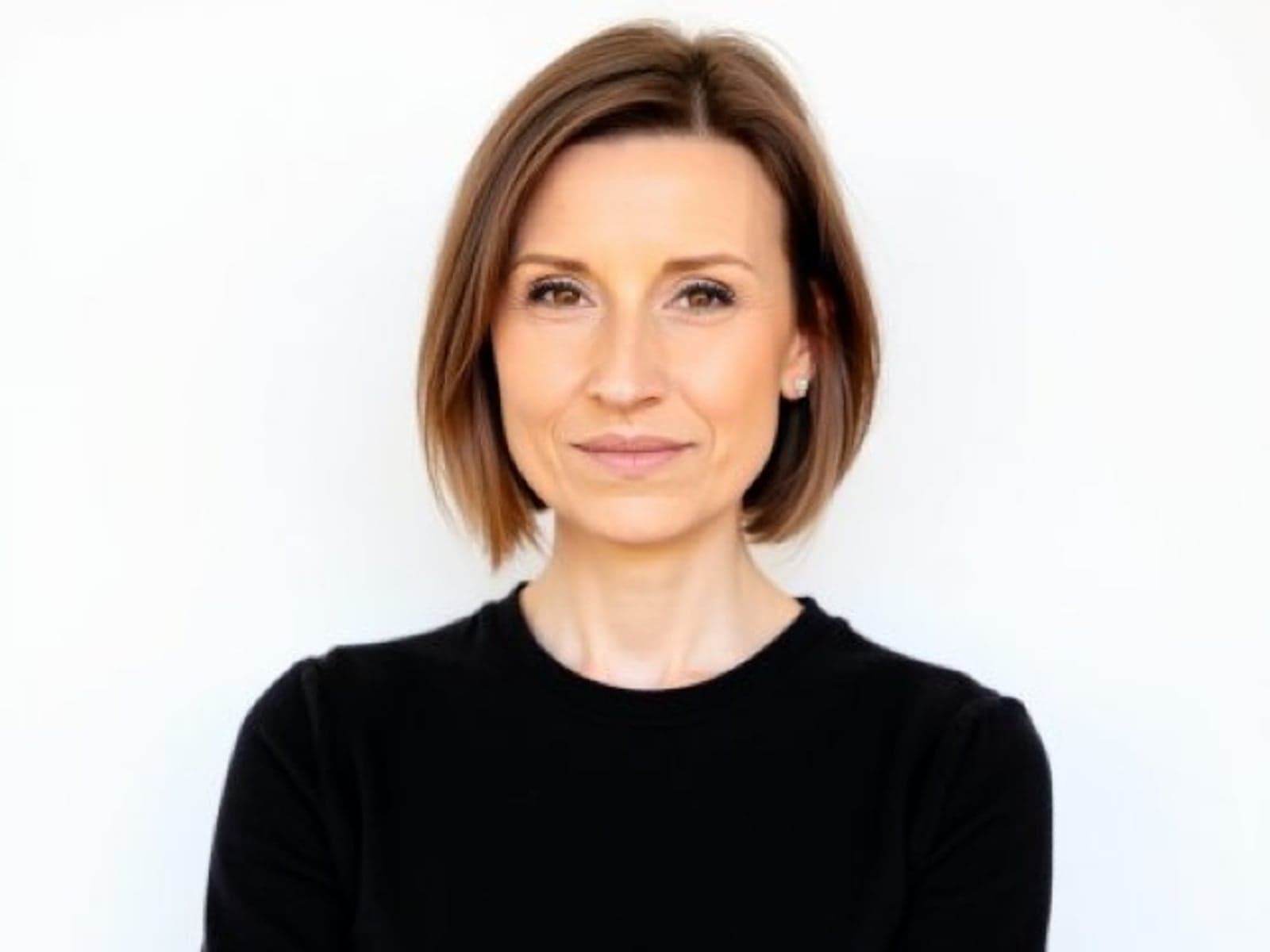
Monica Collings OBE, Chair of POWERful Women, is on a mission to give women in the energy sector a voice and ensure that their contributions remain valued and valuable.
The reason for her drive is highlighted in a recent conversation with Pamela Largue about POWERFUL Women's latest State of the Nation report.
The report shows that in many cases, progress to boost inclusivity has stalled and is moving at what Collings refers to as "a snail's pace".
"What we need is decisive structural change, especially in the way in which we look at inclusive hiring, mentoring, culture building...putting women into environments where they can be successful, be retained and have meaningful contributions through career-defining moments."
Have you read?
Joanna Osawe on building a global platform to elevate women in renewable energy
Why connection and confidence are key for women in engineering
The bleak state of the nation
Collings highlights some key figures from the report that reflect a lack of structural change that is so sorely needed.
According to the report:
- Women make up 30% of board members - up only 1% from last year,
- 16% of executive director, up only 1% from last year,
- Middle management rose to 34% female representation, proving a stronger pipeline of female leaders,
- 15% of companies have no women on their boards,
- 73% of the top 100 employs have no female executive directors.
"I think the most depressing figure...is at leadership level only 34% of leadership roles [are] filled by women," a figure which has remained unchanged over the past 12 months.
It's about the level of intent and pace at which we achieve these targets, emphasised Collings, who highlighted that many working environments in the sector have simply never been adapted to accommodate the needs of women.
Why does diversity matter?
Collings made it clear that diversity can not simply be a tick-box affair, nor is it about towing party lines.
There is much more at stake now, which is why she is using the report's findings to drive home her potent message.
According to Collings, the UK's energy sector is a fundamental growth sector and significant to delivering net zero. "We are in a transformative time...and we are leaning into that in a way that will be unrecognisable, we are reimagining the way the sector appears."
For decades, says Collings, the sector has been focused on delivering practical engineering solutions. Now, however, times and needs have changed, and we must address affordability challenges and fuel poverty while we decarbonise and modernise our energy system.
The best way to do that, she says, is through collaboration and a strong, diverse workforce.
"We need people who think customer first. We need the engineers, don't get me wrong, but we also need a new skill set that has never really been fully embedded within this energy system in a way that will help us deliver this transition..."
"These are people who will strengthen the workforce, provide innovation, foster more resilience in what we are trying to deliver - I absolutely believe we need women in that mix to do that successfully...
Diverse perspectives will allow better decision making, innovation and creativity. "...It's good for business, it's good for everyone to have these more diverse workplaces, because we will leave no stone unturned and what we build will be better and stronger if we do it together."
The need for government intervention
To deliver the energy transition in a just way, states Collings, policies need to be in place to ensure that women's contributions can remain valued and valuable and that their needs are met in the workplace.
In many cases, addressing gender pay gaps has become a tick box exercise and the government needs to lean in more to support structural change.
And, she suggests, that government can and should play a more prominent role in facilitating flexible working and addressing biases and discrimination.
It's ultimately about providing women with the tools they need to thrive and to use their voices in a meaningful way.
"Some of the experiences that I had in my former chief executive role were what I would call utterly unacceptable behaviours, and if those things happened to me, then you can guarantee that they happen to other women across the sector who are not in as senior position to use their voice to champion change," Collings says.