Superwomen challenge legacy mindsets in the energy industry
Riaan Mostert
Posted on: 16 January 2025
At Enlit Europe, panellists in the Women in Energy: Inspiring Female-led Entrepreneurship and Innovation in the Energy Transition panel discussed diversity in the industry.
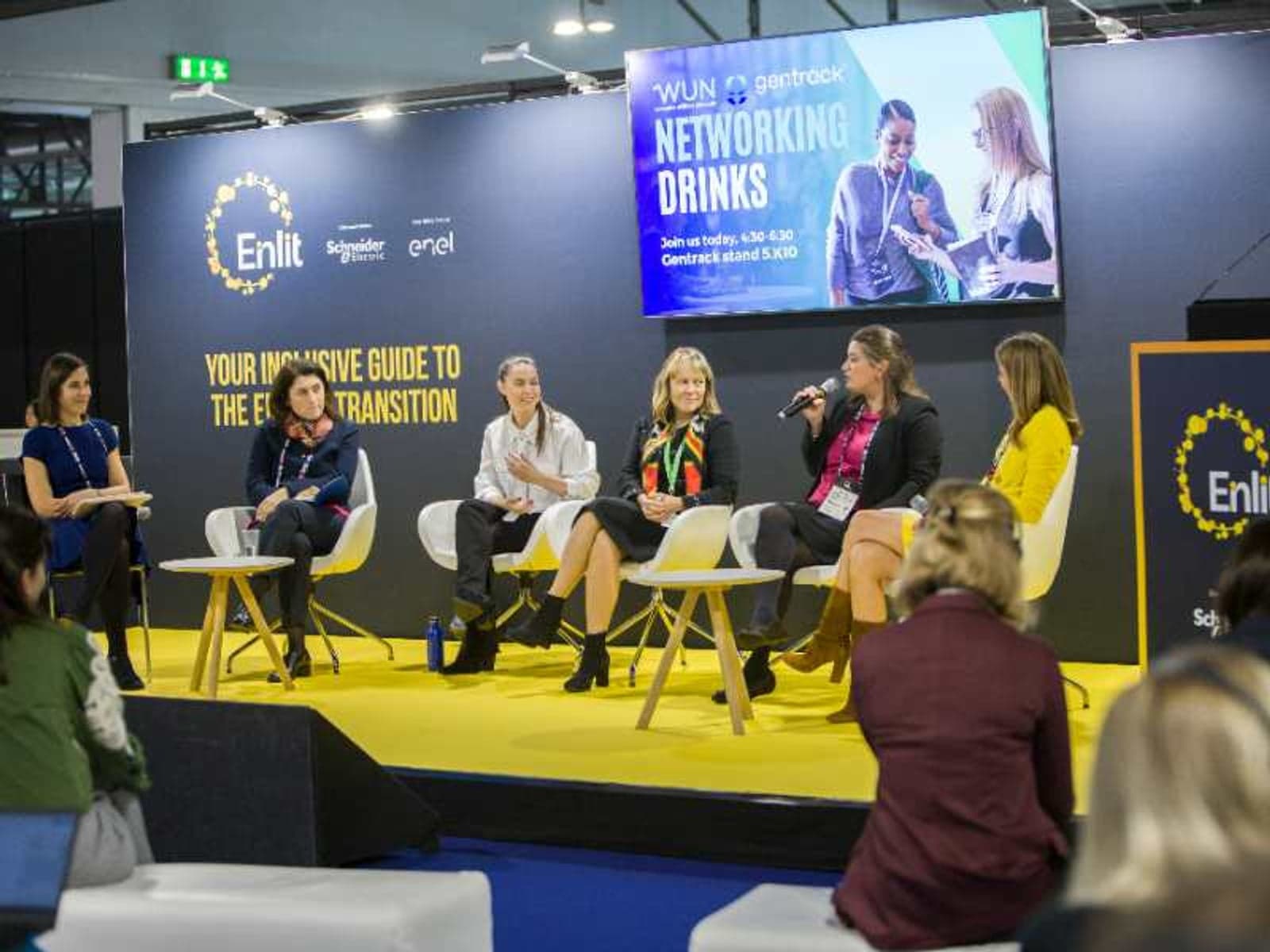
Women are actively making an impact in the energy sector but there are still legacy issues that they have to deal with in order to make their mark. However, the ball is equally in their court to challenge this and let go of 'superwoman expectations'.
Women make up just up to 22% of the oil and gas workforce and 32% in renewables, and in leadership and technical roles, the numbers are even lower. Women in energy also earn nearly 20% less than men. These were some alarming stats moderator Marine Cornelis gave at the beginning of a panel about women in the energy sector at Enlit Europe.
However, says Cornelis: "We are not here to be the first in something, we are here to make sure that we are never the last, that we paved the way.”
To challenge the legacy mindset, the panellists discussed women's impact on the energy sector, removing barriers such as work-life balance and investing in and paying women their worth.
Impact
Valerie Layan, Segment President Power & Grid Europe at Schneider Electric, said that when she first joined the sector, it was a male-driven industry with a legacy mindset focused on products and not very digitised. She came into the sector with experience from the telco industry and she was able to change the way things are done and have the company become less legacy orientated but rather focus more on "innovation and new ways of thinking."
Luca Mezossy-Dona, Co-founder & Head of Strategic Engagement at IONATE also had a different background entering the energy sector. She was a neuroscientist but saw "the pressure of having to come up with real solutions very quickly". This inspired her to join the sector. She mentions how uncomfortable it can be to be the only woman in the room but she says this is how you are going to stay memorable, stand out and make an impact. Then you can use that impact to do something great and make a difference.
Have you read?
Jordan Brompton: The gritty, green Grimbarian
What I love most about my job is the impact it allows me to make says Damilola Adeyanju
However, even with the great impact that women are bringing into the energy sector, Flore Patrat-Delon, Co-chair of the Task Force on Digitalisation of the energy sector at EU DSO entity, remembers a time when she was in a meeting with energy ministries and she was mistaken for being the translator.
Mariangela Di Napoli, Head of Market Evolution, Regulatory Studies, and Advanced Services at Enel Grids echoes this type of sentiment saying that someone called asking for the engineer and they could not believe that she, the woman was the engineer.
"Conformism simply kills innovation, so we need better gender equality"
Lara Beers, Global Director of Sales at Kraken, urged women to lean into this moment and take advantage of this time in energy that the world is going through so that they can make an impact. She says that with the energy transition, "we are seeing more women being part of the solution".
Removing barriers
Now comes the age-old question that women with careers and families are asked but never men: How do women achieve work-life balance?
According to Layan, the answer to this question is to "help women by removing their barriers". She shares an example of women in her team coming to her saying that because they want to start families they will need to give up their careers but she always tells them it's possible to have both.
How can this be achieved? Layan says that firstly managers need to give their teams flexibility and encourage team members to work from home if they need to take care of their children or support their families. Patrat-Delon echoes this sentiment saying that it is not reduced working hours that are needed but rather flexibility.
Beers discusses leaning in and showing up when it comes to breaking barriers. She says that one should not rely on employers for work-life balance but rather know that you can’t do it all. She says that on some days you take time off to be present with your kids and on other days you will miss your kid's concert to be at a work event. “It's very related to the need to kind of prove yourself, prove that you feel that you are a good mom, prove that you're the best employee. It is like ‘superwoman syndrome", she says.
Mezossy-Dona, who is the only start-up founder on the panel, says that you can also just build something for yourself. “You can build a company or a community that is going to fit around your life.”
Di Napoli mentions that it is important for women to put themselves out of their comfort zones if they are to remove these barriers. "We need more visibility. Sometimes we put ourselves in a comfort zone...," she says, echoing the statement about leaning in and showing up even when you feel uncomfortable.
Money
Women are said to be earning nearly 20% less than men and it was reported that women-founded businesses receive less than 2% of funding.
Mezossy-Dona echoes the statement that female founders do receive less funding. However, she also states that female founders bring higher revenues according to research from BCG. "So women are the best investment," she says.
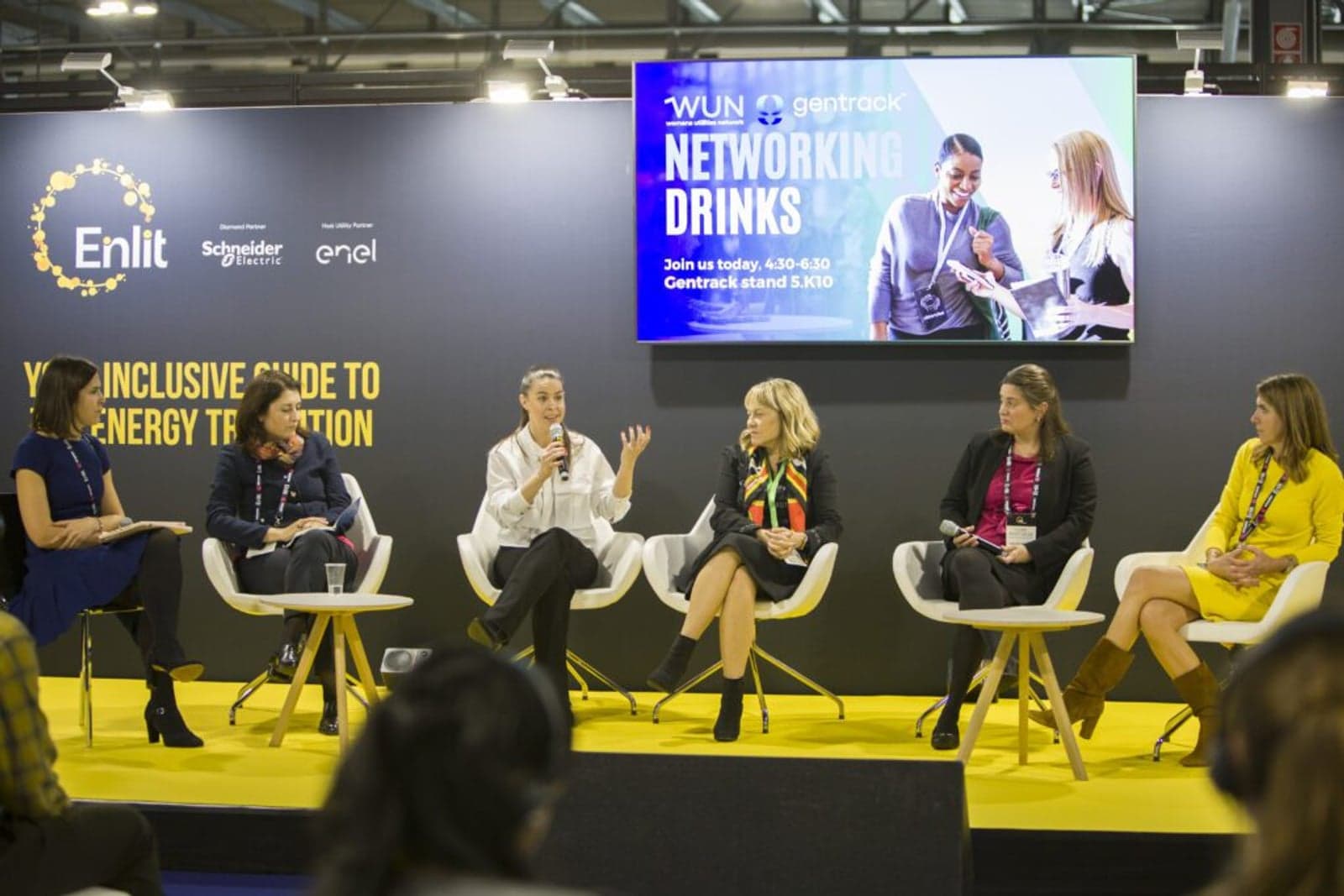
Beers talks about a statistic she reads that says “globally, half of women have never asked for a promotion or a raise.” She speaks about the fact that if you don’t ask, you don’t get in and that “in negotiating, you ask until you get told no." However, she also says that part of the issue is that women don’t talk about it and that she encourages her team to ask her for a raise so that they can have conversations about money.
The panel ended with the panellists giving some advice that they would give to their younger self which lends itself to changing the legacy mindset that is in the industry. They mentioned being courageous, realising that you too are impressive and that you belong in the rooms that you think you don't, asking for help in the form of mentorship and sponsorship and learning to say no because that is not a sign of weakness.
Instead, it creates superwomen.
Latest content
+1
Why connection and confidence are key for women in engineering
The engineering profession is evolving rapidly and requires collaboration, creativity, and the inclusion of perspectives that reflect the world we’re designing for. That’s where team culture and diversity play a central role.
- Guest/partner contributor
- 23/06/2025