Balancing decarbonisation with affordability remains a critical challenge'
Enlit Editorial Team
Posted on: 23 November 2022
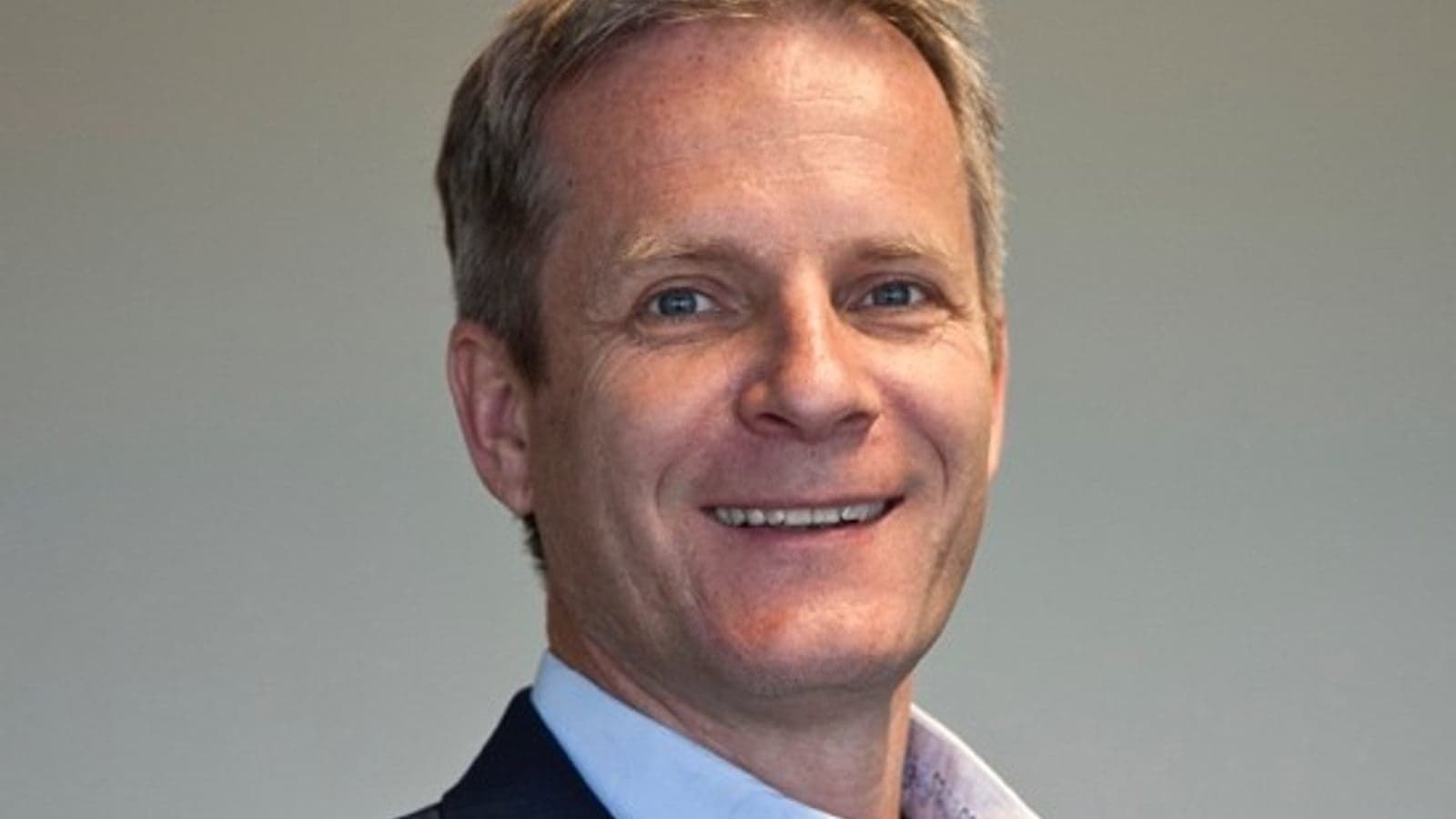
Dr. Ben Hall, Utilities Lead, Palantir Technologies, highlights industry barriers to accelerating the energy transition, namely investment and timelines in new transmission infrastructure and the impact it will have on the distribution and end consumer costs.

In an Enlit exclusive, Dr Ben Hall, Utilities Lead at Palantir Technologies, highlights industry barriers to accelerating the energy transition, namely investment and timelines in new transmission infrastructure and the impact it will have on distribution and end consumer costs. In addition, Hall notes that "mechanical and electrical engineering are going to see a huge resurgence as areas of innovation".
What are the top three challenges in delivering the energy transition?
Deciding how and when to invest in new infrastructure, and how to ensure timely and cost-effective delivery, is a formidable challenge, particularly for transmission operators. Capex and asset planning have been recurring themes this year in the electricity transmission space. A back-of-the-envelope calculation tells us all roughly how many tens of billions need to be spent on transmission networks to support renewables but planning this investment, providing certainty, and delivering value to the consumer won’t be trivial.
Closely coupled with this is creating a complete digital picture of the current state of the energy system. Not just assets, but also the environment and communities around them. Planning new infrastructure including new transmission connections requires data sharing between many stakeholders. A piecemeal, one-off approach to this is proving to be a severe bottleneck.
On the distribution end, many of the same challenges exist, plus the need to manage distributed assets. Managing tens of thousands of connection requests as well as the devices once installed represents a massive process and digitalisation challenge. The complete picture — a digital twin of the entire energy system from the generator to the customer meter — will be a digitalisation effort with very few peers; perhaps only the aviation industry can serve as a comparison.
Finally, the cost of this is ultimately borne by the consumer and taxpayer. Balancing decarbonisation with affordability remains a critical challenge, which must be woven into every decision-making process moving forward. We’re thinking about some interesting affordability challenges that are arising this winter. Being able to handle data sensitively across many stakeholders is a core technical requirement.
Balancing decarbonisation with affordability remains a critical challenge, which must be woven into every decision-making process moving forward.
In your own words, what single action will accelerate the deployment of renewable generation?
Tough question. Creating certainty around transmission infrastructure plans in order to provide certainty to renewable developers would go a long way. Many markets lack effective price signals, and most are caught in a chicken-and-egg situation with regard to investing in new transmission infrastructure.
Specifically, renewables developers need certainty around connection application processing timelines, connection costs, and the risk of curtailment once up and running. Transmission bottlenecks are currently leading to the curtailment of renewables which impacts further investment, and the challenge around affordability affects the cost to the consumer significantly.
To move at the speed required, this is going to require closer collaboration between regulators, system operators, network operators, and community stakeholders. Technology that facilitates secure data sharing and collaboration across the wider energy system has a big role to play here.
. Transmission bottlenecks are currently leading to the curtailment of renewables which impacts further investment, and the challenge around affordability affects the cost to the consumer significantly.
There are also bottlenecks on the distribution end: DNOs are struggling to process DER connection requests and upgrade the network to support these assets. There’s the direct impact where distributed renewables can’t connect, as well as the knock-on effects: flexible DER assets like batteries will help shift demand during the day and therefore reduce capacity constraints affecting utility-scale renewables. We know that many distribution networks are working overtime to get to grips with the digitalisation challenges that underpin this. It will require working with data at a whole new scale.
What excites you most about the European energy transition?
The scale of the mission is huge. This translates to a huge amount of investment and in turn a huge amount of innovation still to come. The power sector, as well as mechanical and electrical engineering, are going to see a huge resurgence as areas of innovation. It’s going to become a really exciting area for graduates to go into, and the shift has already started.
I started my career in the power generation sector in Australia around 2007, which was a time when demand was waning and investment in the sector was slowing down. Very few new projects were getting off the ground. Neither in generation nor transmission. The global context is very different now — it’s a stark and exciting difference.
This is an exciting time to be an engineer of any kind, whether electrical, mechanical, environmental… And of course, technology and digitalisation, and my software engineering colleagues have a big role to play in the energy system of the future.
The power sector, as well as mechanical and electrical engineering, are going to see a huge resurgence as areas of innovation. It’s going to become a really exciting area for graduates to go into, and the shift has already started.
How are industry experts from Palantir going to address these challenges at Enlit Europe in Frankfurt?
At Palantir, we are focused on providing world-class software to help utility companies get to grips with their data and digitalisation challenges. We are helping organisations do this at the speed the energy transition requires.
My colleagues will therefore be talking about how digital transformation can help accelerate the energy transition — from deploying renewables faster to enabling large-scale work planning, to helping players along the value chain share and calculate their carbon emissions.
You can visit the Palantir Technologies team onsite at Enlit Europe, Frankfurt from 29 November - 1 December at booth 12.1.B84.