Creating an artificial intelligence ecosystem for the energy transition
Jonathan Spencer Jones
Posted on: 18 May 2022
The Basque AI Centre (BAIC) focusses on prediction and optimisation for energy sector companies, says TECNALIA Research & Innovation digital director Joseba Laka.
The Basque AI Centre (BAIC) focuses on prediction and optimisation for energy sector companies, says TECNALIA Research & Innovation digital director Joseba Laka.
“The idea is that we work together, sometimes competing, sometimes collaborating, but finding ways so that the value of artificial intelligence and what we do in our labs is applicable to the energy sector and other companies working here.”
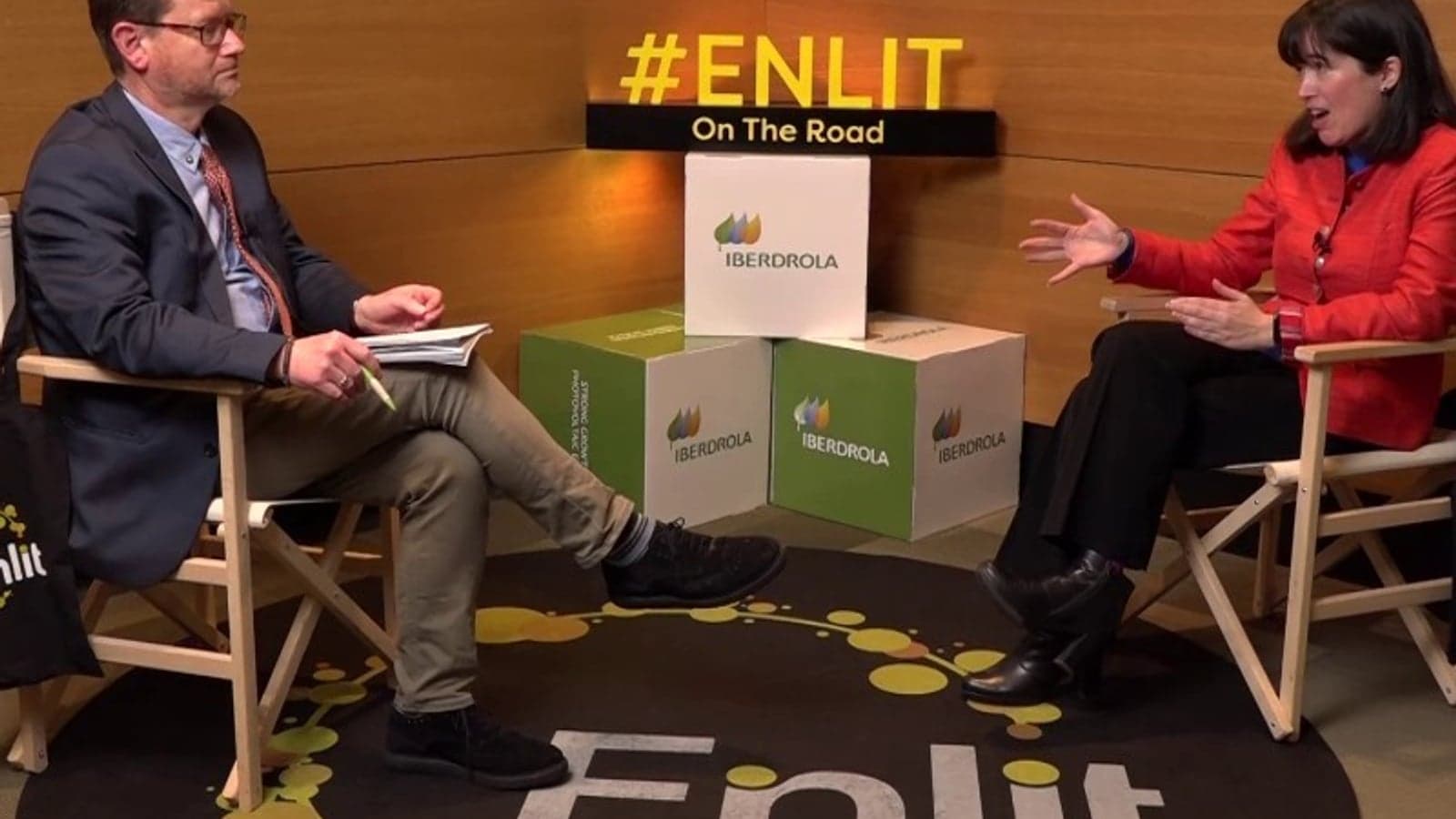
In an interview during Enlit’s On the Road event in Bilbao, Laka said the idea for the centre extends back to around 2015, when artificial intelligence was emerging as a promising technology in industry verticals such as energy.
However, it was only in 2020 that the Basque government took the lead and established the centre as an alliance, or an “ecosystem” as Laka describes it.
“Anyone that joins the ecosystem has some rights but also has obligations, mainly the obligation to cooperate,” he explains.
“When companies look for value in what we do in terms of R&D, we jump from the state of the art, which means the R&D, to the state of the practice, which is what they need to have an advantage in the market.”
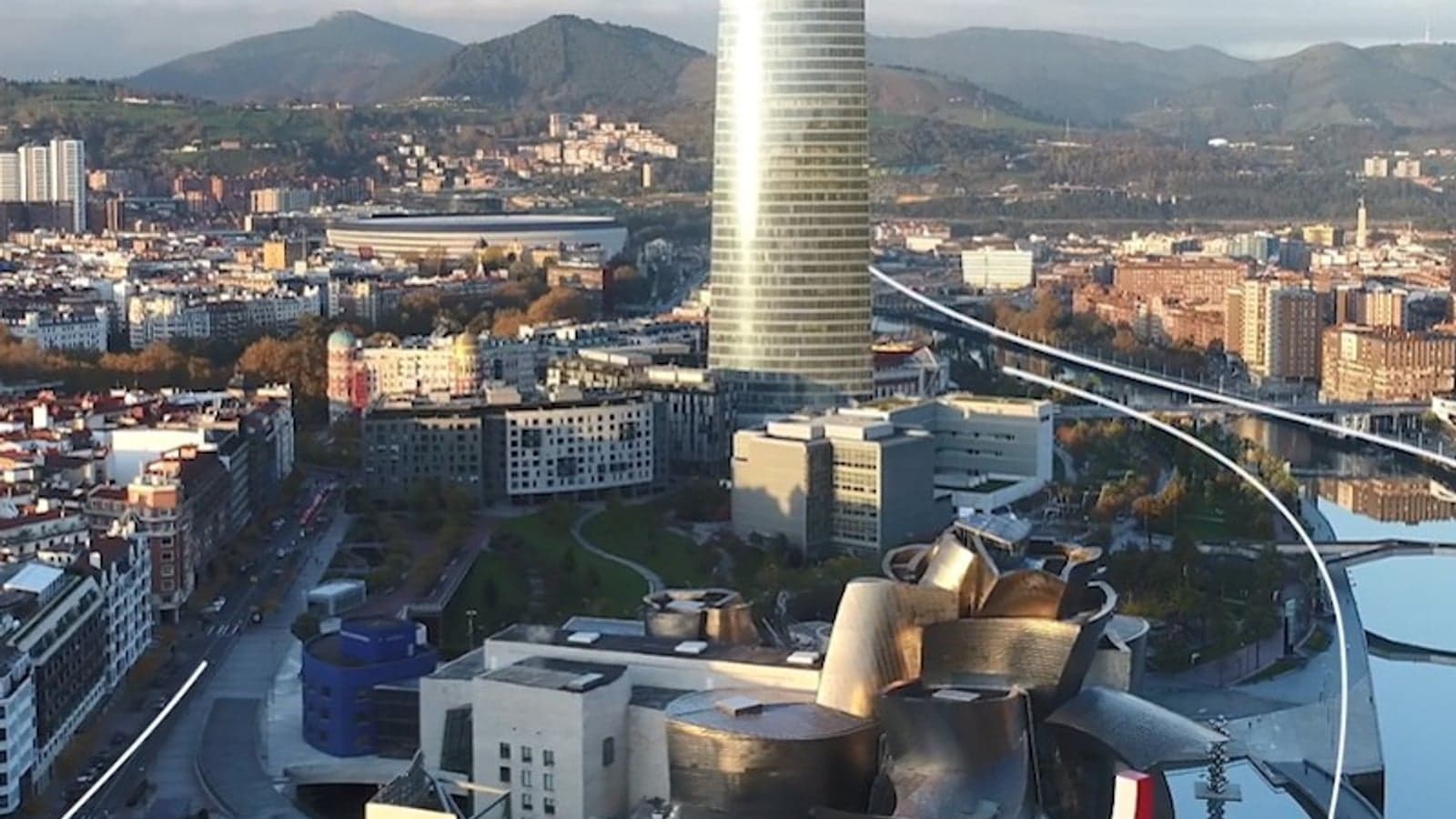
Have you seen these videos about Bilbao's energy transition already?
Basque gigafactory can unlock the holy grail of energy storage says research boss
Basque Energy Cluster: Future-proofing the energy value chain
Iberdrola chief reveals multi-billion plan to seize market share of oil & gas firms
Laka says the main focus of the current work of the BAIC is on the short and medium-term needs of mainly the energy sector companies in the Basque country.
“The hot topics for AI are prediction and optimisation. There are many challenges that need some kind of prediction and we want to apply it to the large scale, to how the different networks and utility systems work together, while in the complex world of today’s energy sector, with for example the flexibility needs, new optimisation approaches are required.
“And these don’t always come from the energy sector but sometimes from the finance, Industry 4.0 or logistics sectors.”
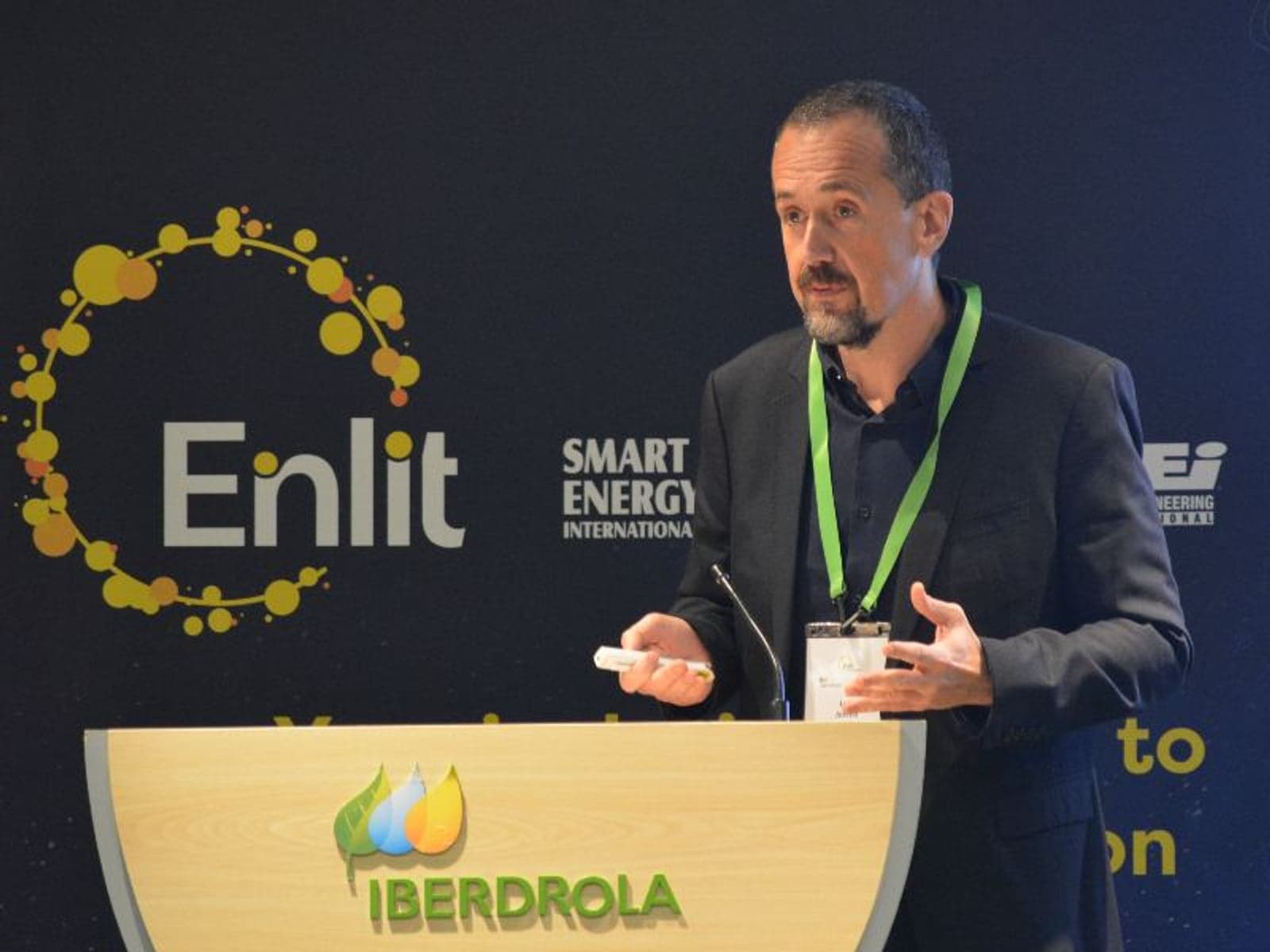
Then also there is the explicability to meet the regulatory requirements.
“You need techniques that are specific and address the challenge of explicability, so whatever the model has given has to be explainable as if not it will be stopped by regulation.”

Turning to the attraction of AI talent in the energy sector Laka says there are two attractive angles, sustainability for a generation that has grown up with the concept and the technical challenges that it offers.
“The technologies are attractive and are differential to others that have a wider audience and students should be aware that there are huge opportunities to have a good job and career in the OT side and even create a startup and be a player in the next ten years.”
Looking ahead Laka says his ambition with the BAIC is to look back in ten years and be able to recognise that companies working in the energy transition in the Basque region have made an impact by applying the artificial intelligence that has come out of it.
“If we are able to succeed in a way that somebody can say that we are one of the hidden champions in the case of a medium or small-scale enterprise, or if we have a company like Iberdrola (...) that is able to make sustainability less difficult from an engineering perspective based on artificial intelligence techniques developed here, I would be very happy.”