Digitalising gas – foundation for the future gas network
Jonathan Spencer Jones
Posted on: 18 January 2023
Vincenzo Gargiulo, Head of Business Solutions & New Service at Italgas’s digital subsidiary Bludigit, describes its approach and innovations to digitalising the gas grid.
Vincenzo Gargiulo, Head of Business Solutions & New Service at Italgas’s digital subsidiary Bludigit, describes its approach and innovations to digitalising the gas grid.
It’s about readying the gas network for the introduction of renewable gases such as hydrogen and biomethane, Gargiulo said in an exclusive interview at Enlit Europe, commenting that the “digital transformation journey” started in back in 2017 and that it is demanding almost one-fifth of the company’s overall €8.6 billion (US$ ) strategic investments through 2028.
“It’s about leveraging the best technologies and changing the way we work.”
And to do this Italgas has created a “digital factory”, combining the best technologies available in the world to create business innovations, Gargiulo explains.
He cites as an example leveraging data collected in the field and with AI to proactively identify problems without waiting for the alarms.
Also of interest
How energy suppliers ‘can change the narrative and build trust’
Looking into India’s rapid electrification and digitalisation
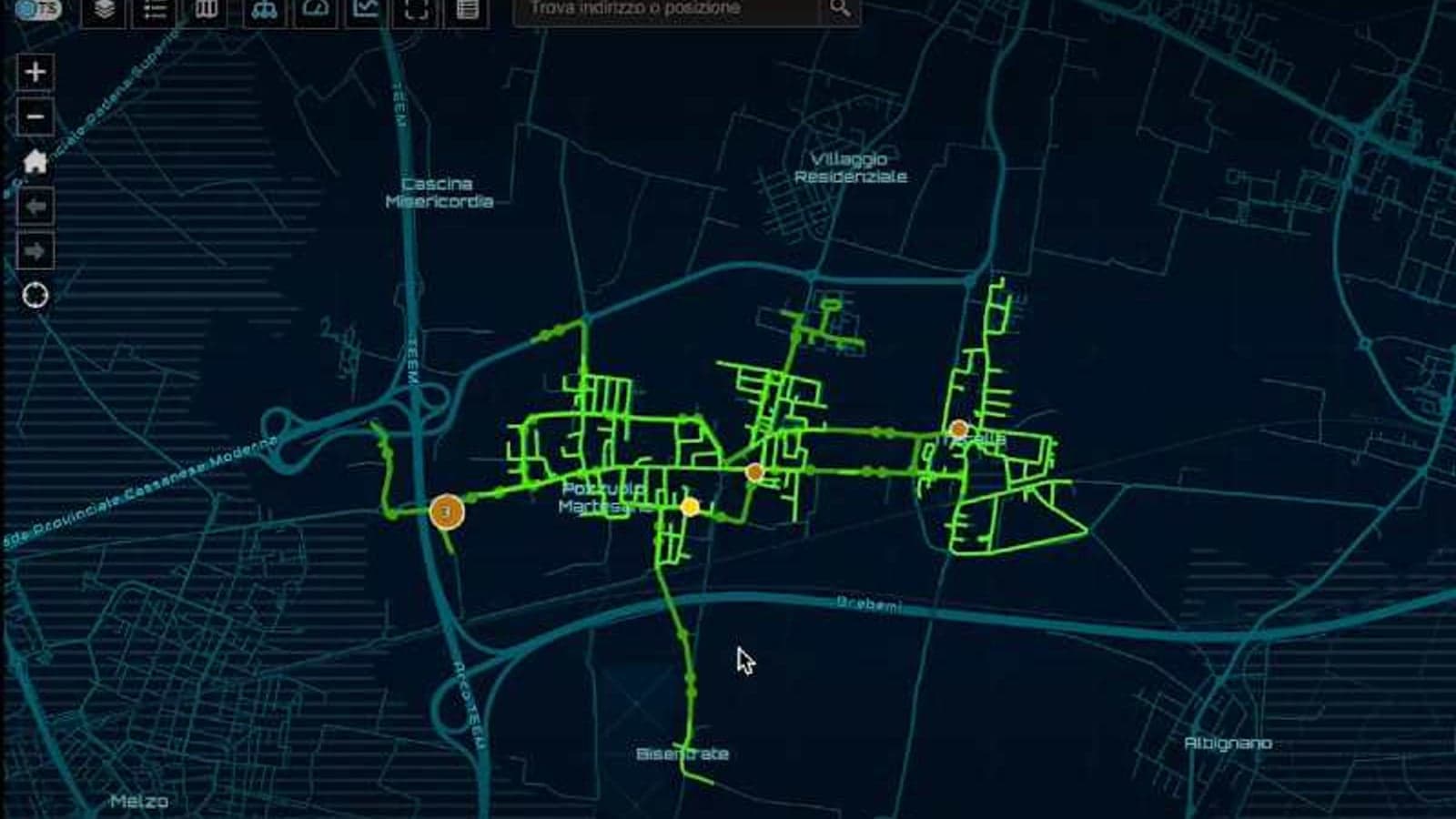
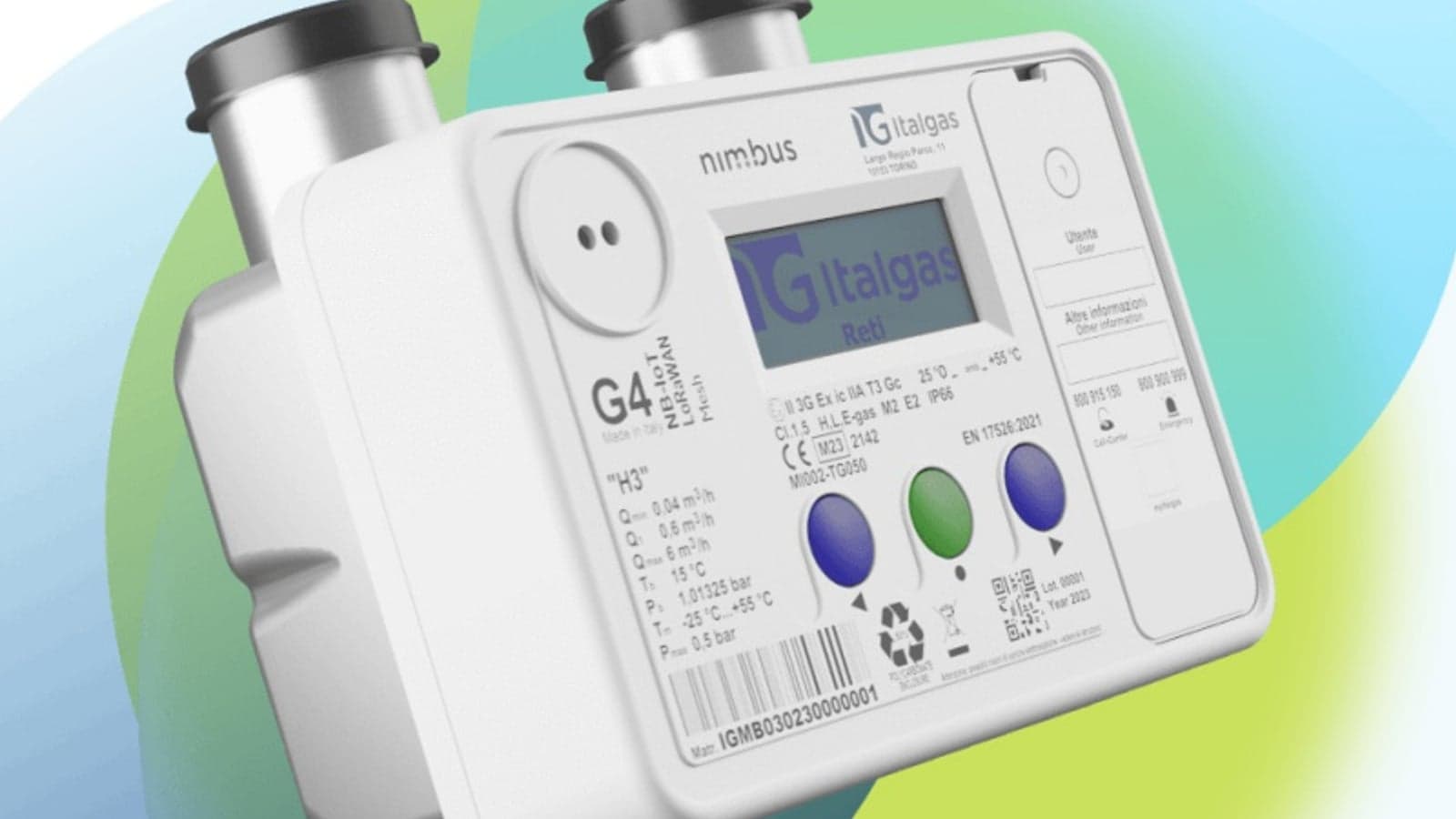
Another is the development of algorithms to predict smart meter failures, while the latest is ‘DANA’ – ‘digitally advanced network automation’ – a cloud-native control system for the future gas network.
“Innovation and business digital transformation go hand in hand and so far we have two big benefits,” he says.
“On one hand is increased operational efficiency and on the other is the availability of the best technologies that are helping to reduce emissions – and [to have achieved] both, sustainability must be one of the goals.”