Meet the woman who sees the energy transition in 3D
Guest/partner contributor
Posted on: 3 September 2024
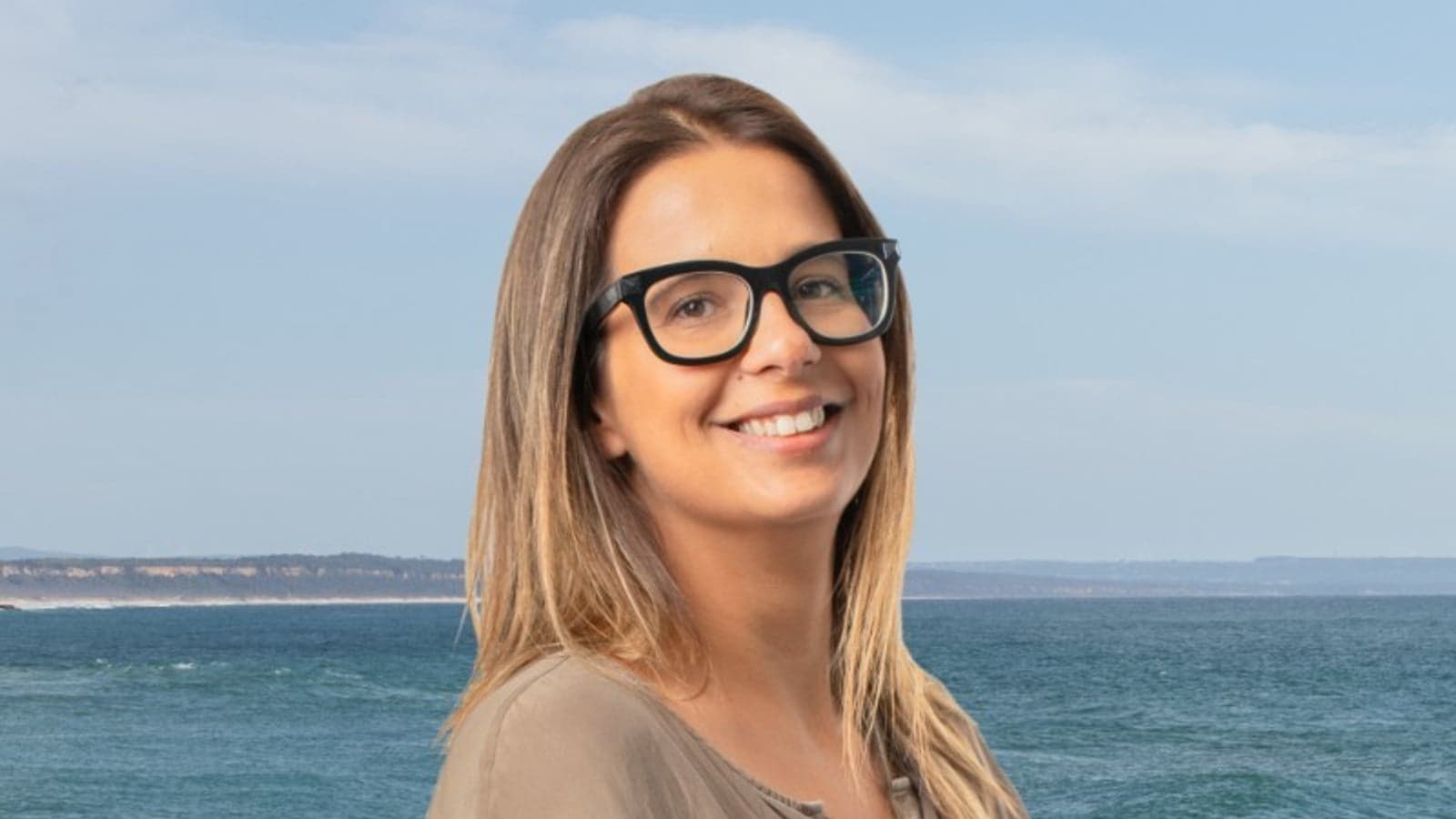
3D printing expert Cynthia Wirth of Siemens Energy explains how she plans to shape the future with additive manufacturing.
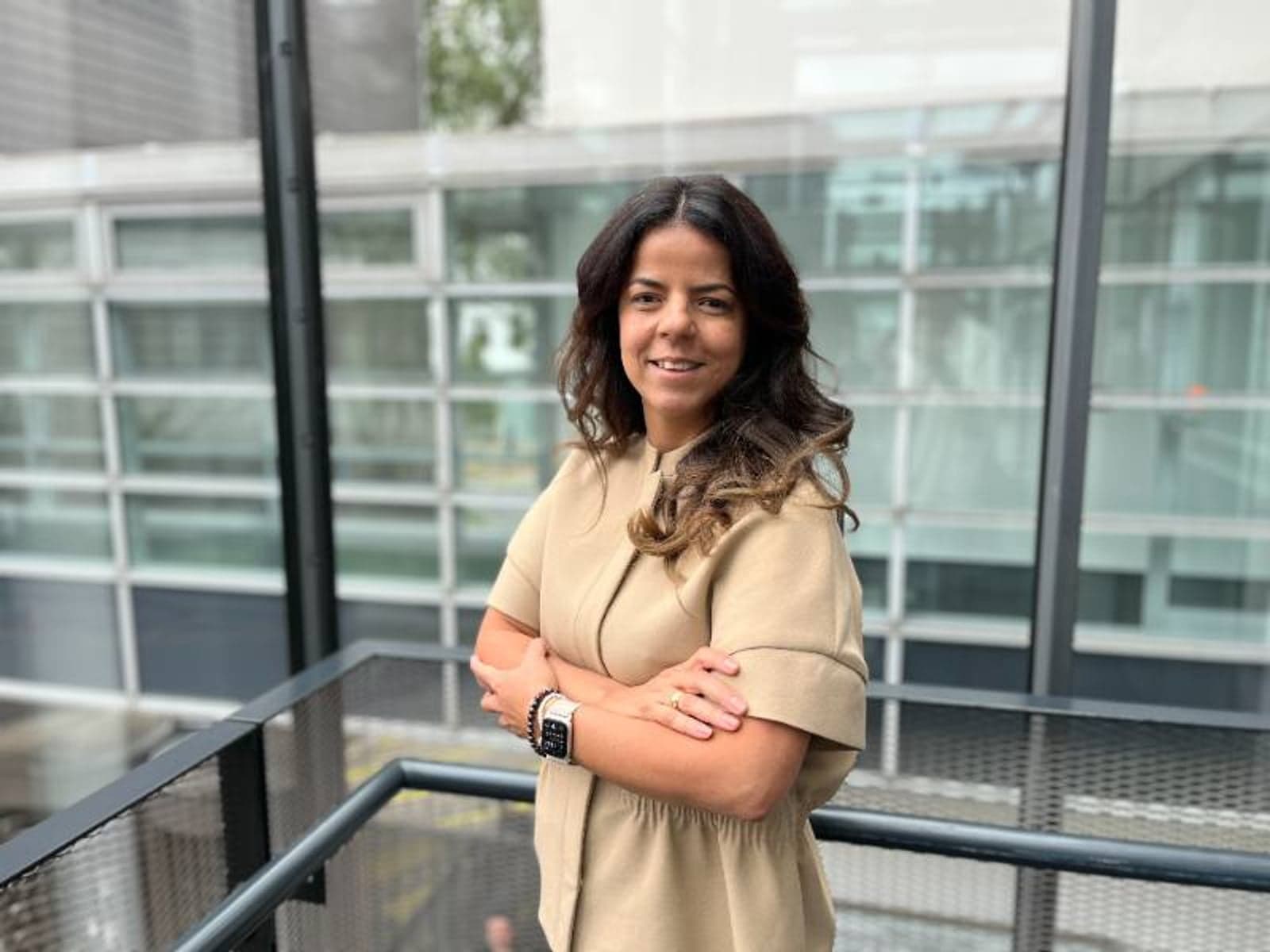
3D printing expert Cynthia Wirth of Siemens Energy explains how she plans to shape the future with additive manufacturing.
Jobs are evolving. No matter where in the world, digital technologies are blending with traditional craftsmanship, creating new, data-driven solutions that aim to surpass what we’ve seen before.
Cynthia Wirth, PhD, one of our Future Energy Shapers, is researching innovative applications for additive manufacturing.
She moved from Brazil to Berlin, mastered the shift from 3D-printed bone replacement implants to additively manufactured gas turbine components, and now strives to leave a better world for her children.
Cynthia grew up in Campina Grande, a major city in Brazil’s easternmost state of Paraíba. As a girl, she loved accompanying her father to his work at the local university, marvelling at the packed lecture halls where he taught physics.
“I preferred taking things apart and putting them back together over studying physics,“ she recalls with a smile.
“But that was the start of my fascination with technology and science. I enjoyed the university atmosphere: the grand halls, the tangible and yet incomprehensible knowledge, the many smart people. I wanted to be like them some day.”
And she did. Today, this doctor of material sciences shares her knowledge with others. She leads the Innovation and Digitalization team for Additive Manufacturing at Siemens Energy.
“It’s wonderful to witness how people develop and grow with the right support, and I learn something new from my exceptional team every single day.”
Big Data for 3D printing? Digitally supported additive manufacturing
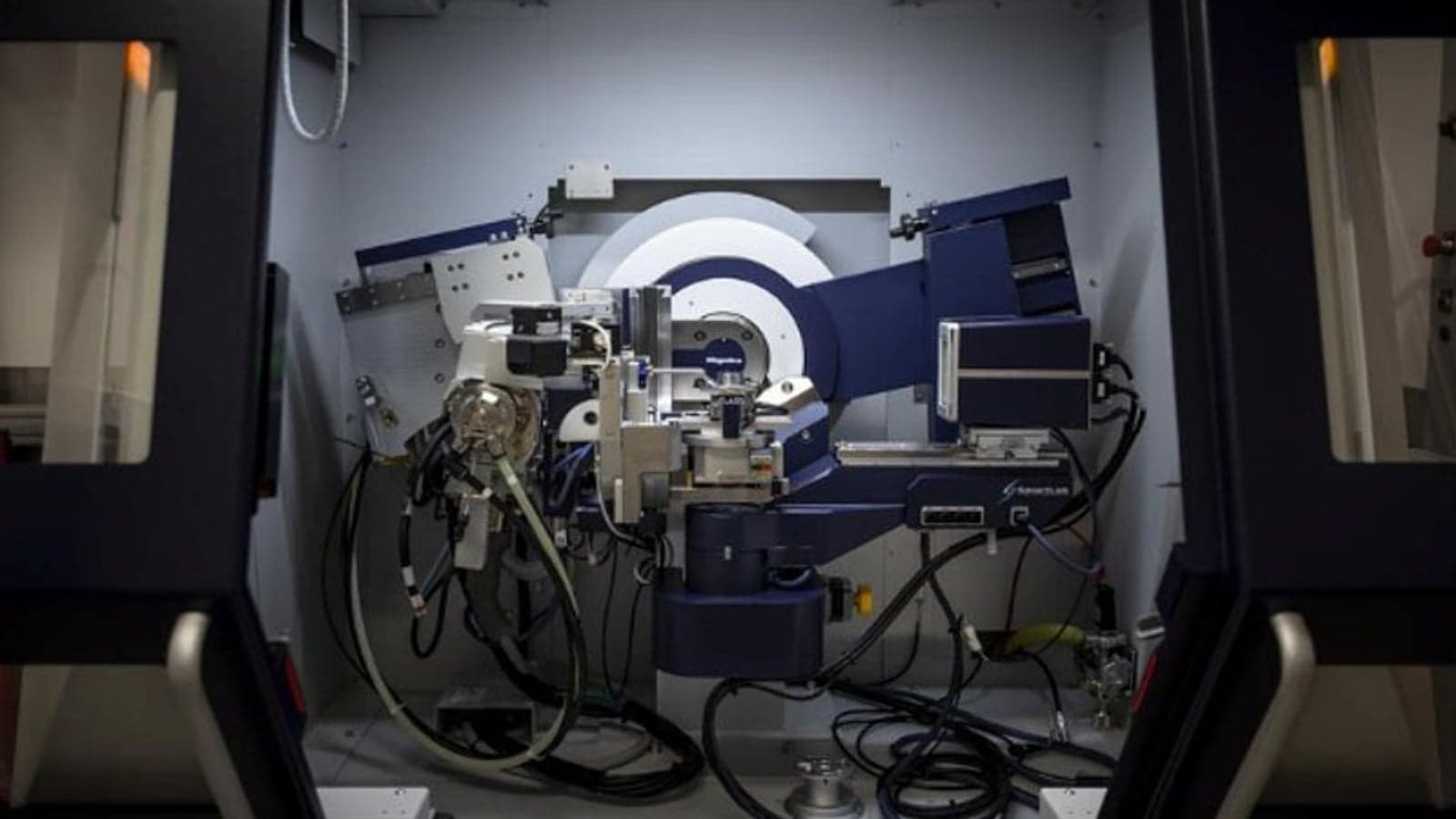
Siemens Energy has been heavily investing in additive manufacturing research for more than ten years, focusing on the Laser Powder Bed Fusion process for metals.
This process ‘prints’, or better yet, laser-sinters geometrically complex parts like turbine components, burners and components for compressors or jet engines.
A machine spreads a thin layer (about 0.04 mm) of powder material on a plate. A laser melts the areas that need to be solidified. Layer by layer, the part is built from the bottom up.
“Depending on the design, powder and melting process, the microstructure and specifications of the part can vary,” Cynthia explains.
“These relationships are complex, yet they contribute to the versatility and adaptability of the process. This flexibility enables us to utilize superior materials, introduce new functionalities, and enhance the efficiency of entire products.
“Looking ahead, I envision additive manufacturing playing a pivotal role in all our future products.”
Other future energy shapers:Tobias Greitemeier: How hydrogen took a trainee to the future of energy
A bit of additive manufacturing in every turbine
In fact, almost every new turbine from Siemens Energy contains a bit of additive manufacturing.Today, the company operates five 3D printing competence centres: two in the US and the other three in the UK, Sweden and Berlin, where Cynthia and her team are based.
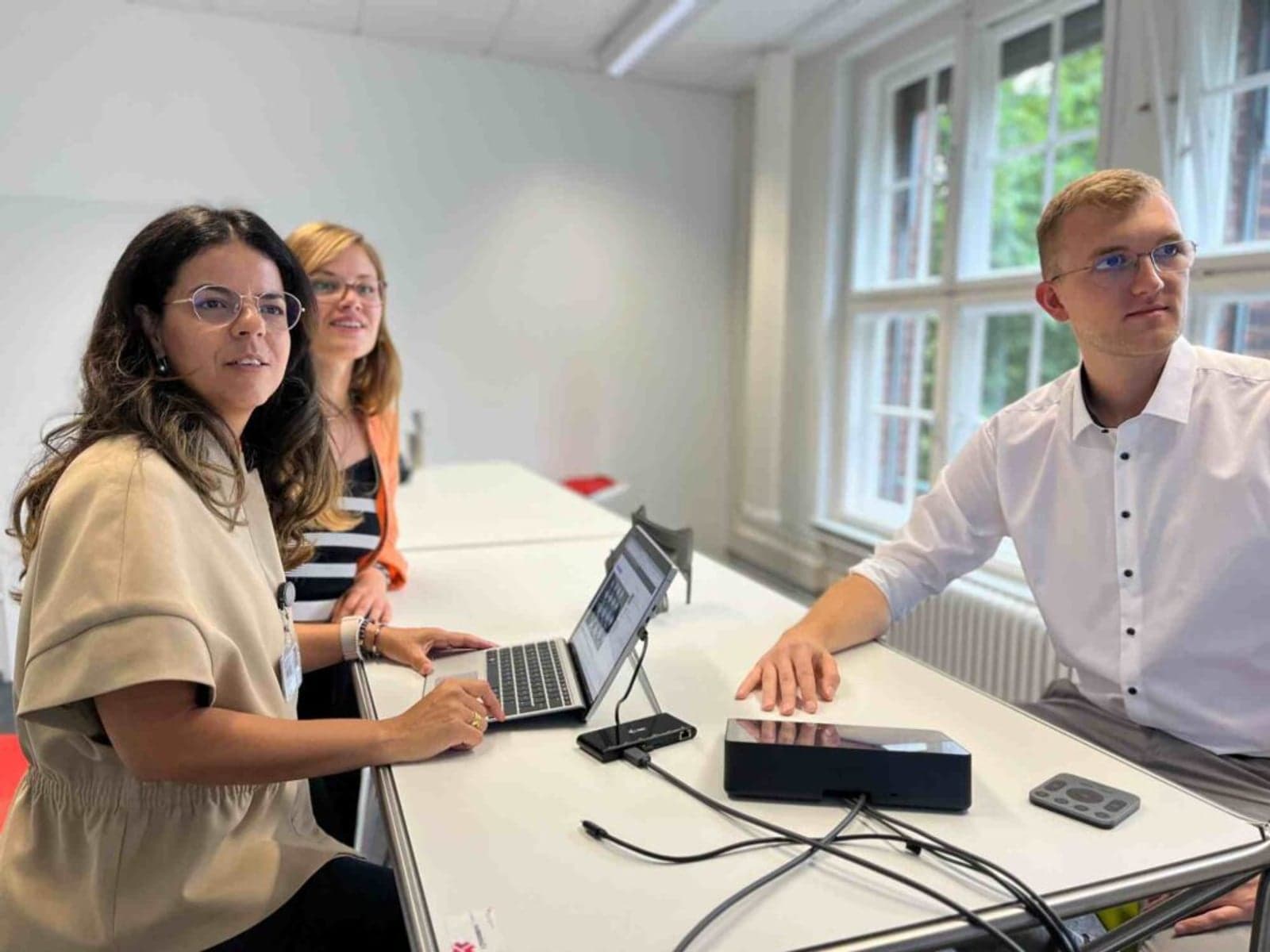
The sites produce over 15,000 additive manufacturing product components each year, many in series production. These parts are manufactured for the company’s own turbines or for external customers.
Experts like Cynthia ensure that additive manufacturing processes at the company continually improve, enhancing the quality and functionality of 3D-printed parts through digital innovations and modern software.
“I never felt a particular affinity for the world of computers,” the team leader admits. “But digitalization is the future. It’s a bit like me and physics… that eventually worked out too.
“Anyone with the interest and the will can learn anything.”
Siemens Energy offers employees like Cynthia a wide range of training and development opportunities and supports all businesses with courses on personal, professional and technical skills. In particular, the Digitalization Academy offers in-depth training on all aspects of digitalization.
New monitoring software for 3D printing
As such, the company’s Future Energy Shapers have developed their own AI-based monitoring software for additive manufacturing.
A camera integrated into the machine captures a photo of each powder layer, which the software analyses and compares with the digital twin of the product to detect possible errors.
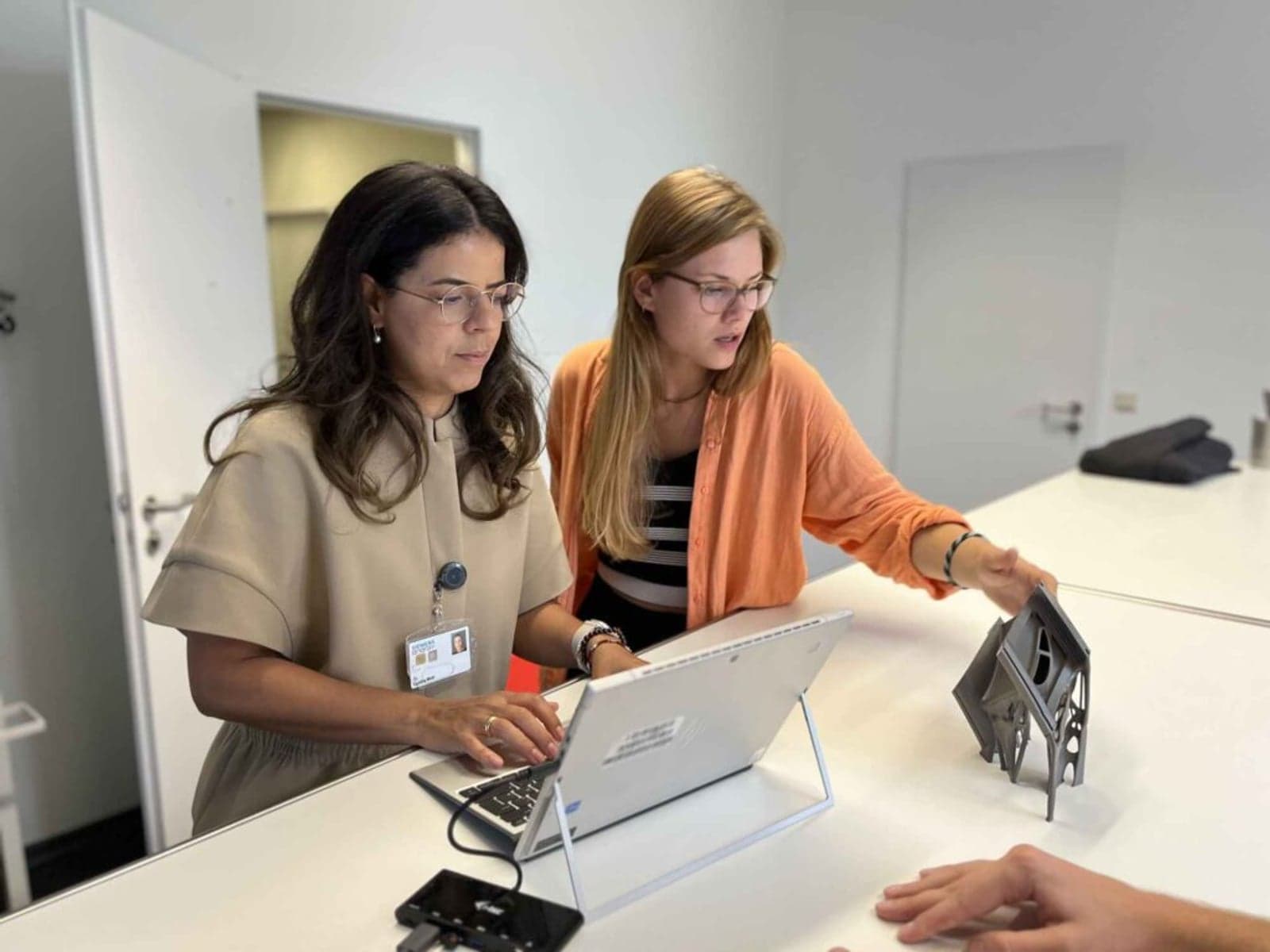
“It’s like having someone stand by to check the sintering process,” Cynthia explains.
Immediately, or even during the process, they know whether the part needs to be discarded or can be further processed and tested.
“We aim to make the entire process transparent through data,” says Cynthia. “This can save a lot of time, material, and costs. Our role involved supporting the software’s implementation, evaluating its performance, and refining processes across our sites.”
‘Every five years I get restless’
Berlin is Cynthia’s new home. She lives there with her husband and their two young sons. During her doctorate in materials engineering at the University of Santa Catarina, Brazil, she first came to Germany in 2006 to research ceramic 3D printing processes.
She has never shied away from a leap into the unknown: “I arrived here without speaking a word of German,” she recalls. By the end of her research, she not only spoke fluent German but also secured a position at the University of Erlangen.
“I’ve always been eager for new experiences. Every five years or so, I get restless if too much routine sets in. That’s why I need variety in my job… my family and I still wonder where this curiosity originates,” she laughs.
Clearly, without her thirst for knowledge, Cynthia wouldn’t be where she is today. Her jobs changed with her life… or vice versa.
“It’s a bit like constantly seeking new puzzle pieces,” says the mother who enjoys puzzling with her sons. “Completing one is satisfying, but then you’re eager to start the next.”
From implant to turbine blade
Before joining Siemens Energy almost ten years ago (when it was still Siemens), she worked on ceramic bone replacement implants, which were just a few centimetres in size.
“That was a drastic change. Suddenly it was all about metal turbine blades and 50-centimeter parts. In the first few months, I had hardly any idea what my colleagues were talking about.”
Her honesty is one of her strengths. She took on the challenge – already at that familiar point of restlessness – and received plenty of support from the company, her manager, and her team.
Now she has acquired the necessary knowledge of the entire portfolio. “Today, I feel very confident and incredibly comfortable… and not restless at all.”
She says at Siemens Energy “you can develop in many directions, not just upwards. There are innovation competitions that let you look beyond the horizon, and you realize: ‘Wow, what we do is brilliant and crucial for the energy transition’. You can decide for yourself where and how you want to contribute.”
‘We shape the future’
Cynthia finds her work meaningful. “Additive manufacturing is particularly fast, precise and brings economic benefits. But it not only saves time to market but also many resources and tonnes of material compared to conventional methods.”
For instance, it’s possible to reduce waste material up to 65%. Additive manufacturing is playing a key role in the development of hydrogen-capable gas turbines that will be able to generate CO2-neutral energy in the future.
“I’m truly in love with our technologies at Siemens Energy, and deeply passionate about our sustainable solutions,” says Cynthia. “They empower us to shape a future that benefits the next generation."
“I aspire to leave behind a better world for my children. Together, as human beings, we’re able to do so. Because it’s us who breathe life into each technology.”
Facts and figures on additive manufacturing at Siemens Energy
- Ten years from research & development to serial production
- Five global sites: Orlando and Charlotte, US; Worcester, UK; Berlin, Germany; Finspång, Sweden.
- More than 15,000 production components produced annually
- More than 2 million operating hours in Siemens Energy turbines
- More than 200 dedicated employees globally
- 45 dedicated ‘Design for AM’ engineers
- More than 400,000 available print hours annually
Siemens Energy takes care of the entire AM process: We design, optimize (part consolidation, performance, cost reduction, manufacturability), manufacture, and qualify. If you want to become part of our workforce in transition, take a look at our vacancies.