UKAEA secures fusion supply chain in Britain
Jonathan Spencer Jones
Posted on: 5 August 2025
The UK Atomic Energy Authority (UKAEA) has renewed a four-year engineering framework for fusion energy with seven companies.
The UK Atomic Energy Authority (UKAEA) has renewed a four-year engineering framework for the fusion energy supply chain with seven companies.
The renewed ‘Embedded Engineering Resource Framework’ with a value up to £9 million ($12 million), which follows a similar four-year supply of breadth of engineering resources to the UKAEA, is aimed to support the development of a national industrial supply chain capability.
It affords companies the opportunity to embed and upskill their own engineers within the multiple projects and programme areas at the UKAEA as it undertakes fusion energy research.
Additionally it creates the opportunity for companies to collaborate with each other on fusion projects and to bring in their supply chain to support fusion projects growing the fusion ecosystem.
Have you read?
Fusion energy expected in early 2030s indicates survey
Energy Transitions Podcast: Why fusion energy is the ‘vaccine of climate change’
Gary Stables, Engineering Frameworks Contract Project manager at the UKAEA, says that embedding engineers within the organisation is a win-win.
“The embedded engineers help to progress key fusion projects, while gaining valuable skills and experience in fusion. Boosting fusion expertise across the engineering sector is vital for the development of fusion energy and maximising the benefits to industry.
“Now with increased capacity to access technical expertise from selected industrial partners, the framework will help accelerate the commercialisation of fusion energy.”
The seven companies are Amentum Clean Energy; AtkinsRėalis; BakerHicks; Demcon Multiphysics; Frazer Nash Consultancy; Optima Systems Consultancy; and Oxford Sigma.
Expertise within these companies includes mechanical, process, electrical, materials and systems engineering and engineering analysis and code development.
The UKAEA cites among the achievements of the framework over the past four years as embedding more than 80 engineers in several work areas including the JET decommissioning and repurposing, the Mega Amp spherical tokamak upgrade, the spherical tokamak for energy production project and in the materials research facility.
3D printing for fusion components
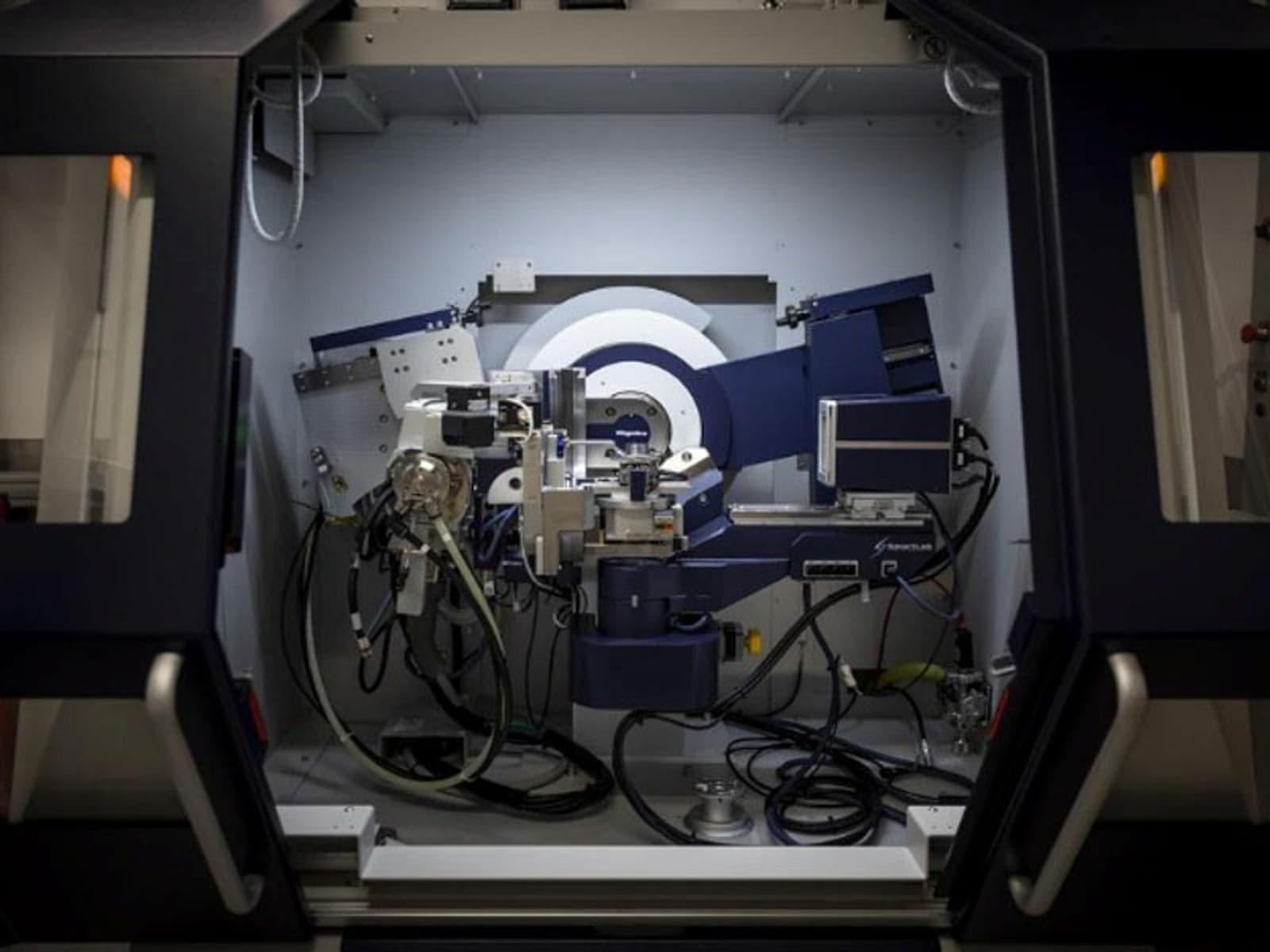
In other news the UKAEA has reported starting to use two 3D printing machines that use complementary methods to manufacture components for future fusion machines.
At its recently opened central support facility, the UKAEA has commissioned an electron beam additive manufacturing machine alongside a selective laser manufacturing machine to demonstrate their complementary capabilities.
The eMELT electron beam powder bed fusion additive machine, made by Freemelt, will use electron beam technology to layer tungsten onto other materials such as copper chrome zirconium, stainless steel and Eurofer 97, a special type of steel developed for use in fusion machines.
The SLM280 selective laser manufacturing machine manufactured by Nikon SLM is intended to experiment with how to produce components with the complex geometries and material combinations that will be essential for fusion plants.
Due to the extreme conditions under which fusion power plants must operate, they require complex combinations of materials and precision engineering, for which additive manufacturing is well suited.
Additionally with its low volume capability, with each future fusion machine likely to be highly individual and require bespoke components, the UKAEA believes it has an important role to play in the future of the technology.