Home
/
ODEON at the edge: Distributed intelligence and local control for the digital energy transition
ODEON at the edge: Distributed intelligence and local control for the digital energy transition
Guest/partner contributor
Posted on: 4 August 2025
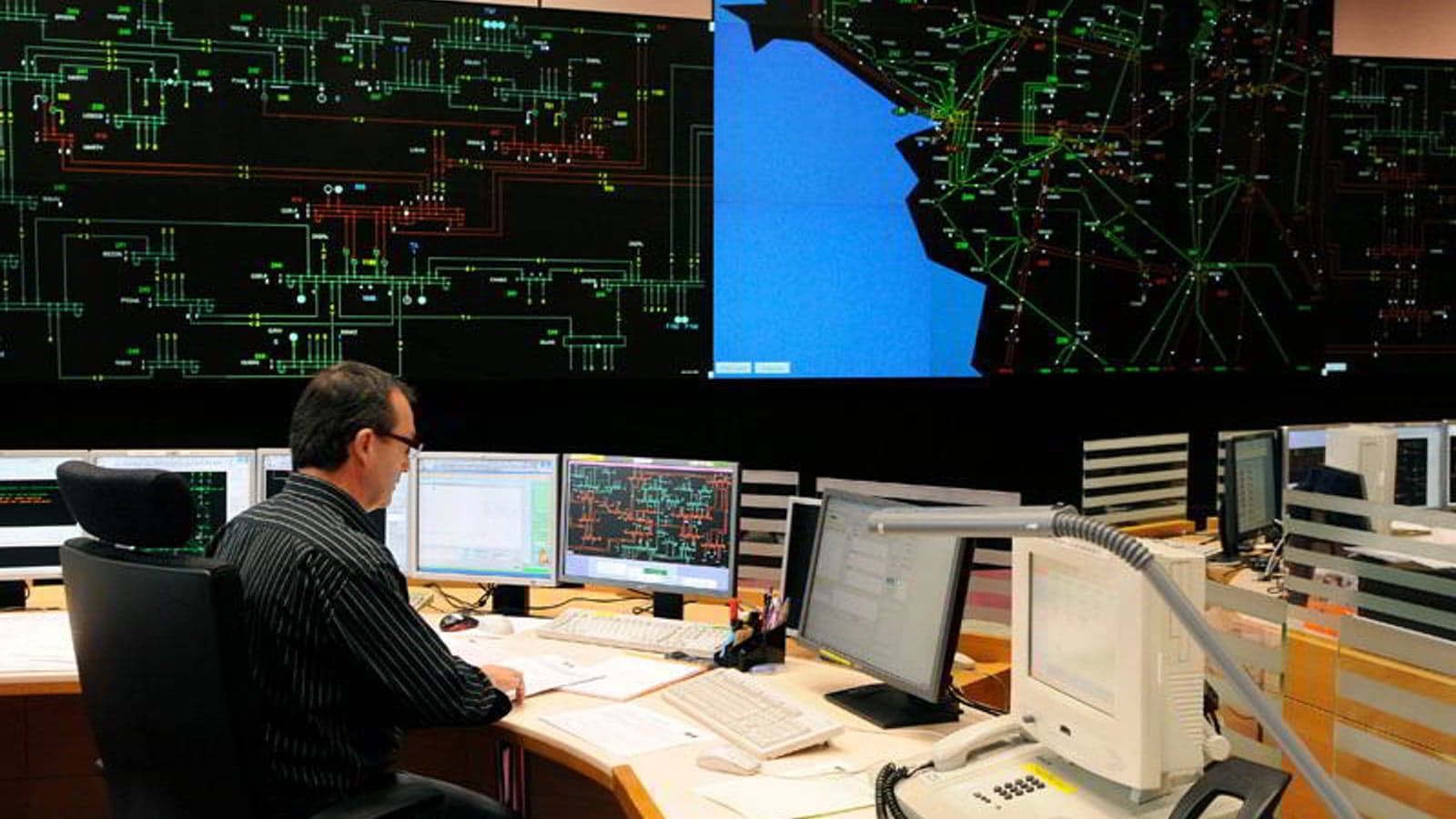
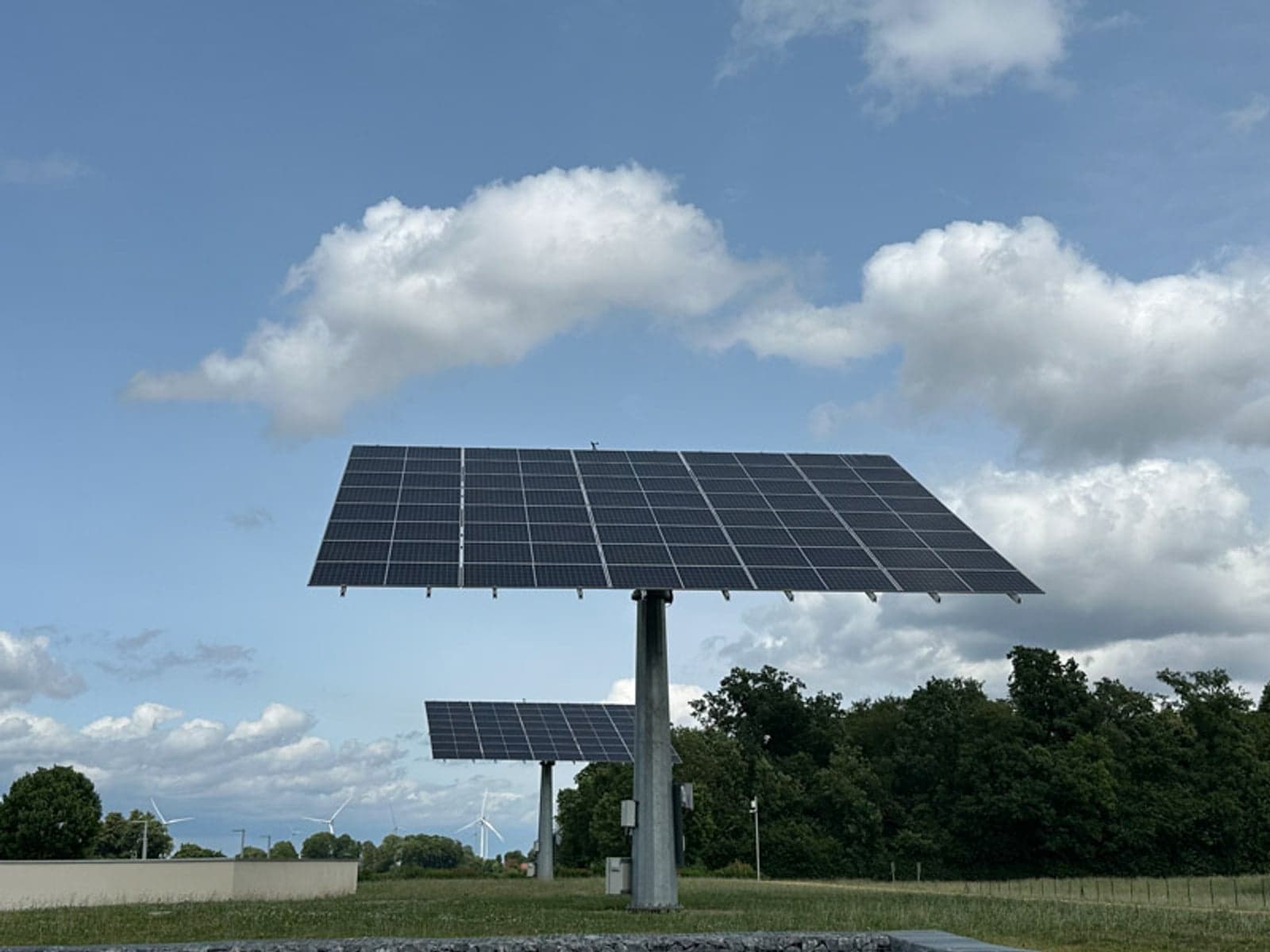
The ODEON project is deploying an innovative cloud-edge data and intelligence service platform that extends computational and decision-making capabilities to the edge of the network, closer to where energy is produced, consumed and stored.
The ODEON project is deploying an innovative cloud-edge data and intelligence service platform that extends computational and decision-making capabilities to the edge of the network, closer to where energy is produced, consumed and stored.
The digital energy transition demands more than just connectivity, it requires local, secure and flexible intelligence to manage distributed energy assets in real time while protecting user privacy.
By enabling real-time data capture, local processing and autonomous control of field devices, ODEON brings fast, resilient and privacy preserving intelligence to the heart of decentralised energy systems.
The role of edge computing in ODEON
ODEON’s cloud-edge platform follows a federated architecture that enables intelligence and automation to be distributed across centralised clouds, private servers and edge nodes.
The 'edge' refers to local devices – such as home energy gateways, IoT sensors, EV chargers and smart meters – that can process data and make decisions in real time, without relying on distant cloud servers. Thus, raw data is not sent directly to the cloud; instead, it is processed locally and transformed into anonymised, aggregated or statistical outputs, such as metadata or summary values.
These insights are shared with the ODEON central platform only with user consent and according to established contracts and permissions.
This local control is essential in modern energy systems where real-time response is needed (e.g. for load balancing or battery dispatch), network connectivity can be limited or unreliable, data privacy and sovereignty are critical concerns and personalised energy optimisation (e.g. self-consumption, dynamic pricing) requires rapid feedback loops.
By embedding lightweight AI algorithms and orchestration agents directly into edge nodes, ODEON ensures that even low power devices can contribute to the system’s overall intelligence – efficiently, securely and independently.
The ODEON cloud-edge data and intelligence service platform serves as a unified framework that orchestrates the lifecycle of data and intelligence across the cloud-edge continuum.
It enables:
• Flexible deployment of AI pipelines and control logic on-premise (edge), near-premise (private cloud) or centrally (ODEON cloud).
• Federated data governance, so stakeholders maintain control over their data assets while benefitting from shared intelligence.
• Resilience and low latency, by allowing localised decisions to occur even during network outages.
• Scalability, as edge nodes can operate semi-autonomously while being coordinated through the central ODEON orchestrator.
This architecture allows for seamless integration of diverse actors and devices in the energy ecosystem, from DSOs to residential prosumers.

Smart edge orchestration and AI
The deployment of this ODEON edge node has been integrated as the core orchestration and remote application management platform for the edge infrastructure.
It enables:
• Secure and remote deployment of AI models and control logic across distributed nodes.
• Real-time monitoring of edge node status, including CPU, memory, network usage and logs.
• Lifecycle management of deployed applications, including updates, rollbacks and status reporting.
The ODEON edge infrastructure becomes scalable, secure and maintainable, enabling agile iteration and rapid rollout of new edge intelligence capabilities in the field.
One of the standout features of ODEON’s architecture is its ability to run AI and machine learning models directly on edge nodes. This empowers devices in the field to make real-time decisions and operate autonomously, without relying on constant cloud connectivity.
This local intelligence unlocks a wide range of smart energy use cases, such as:
• Battery charge/discharge optimisation based on electricity prices, grid demand or solar self-consumption.
• Electric vehicle (EV) charger scheduling, adapting to grid conditions or time-of-use tariffs.
• HVAC system control informed by weather forecasts and real-time energy pricing.
By processing data locally, ODEON not only minimises latency and boosts system resilience, but also enforces privacy-by-design principles, ensuring that sensitive user data doesn’t need to leave the premises unless absolutely necessary.
ODEON in action: Edge deployment in pilot sites
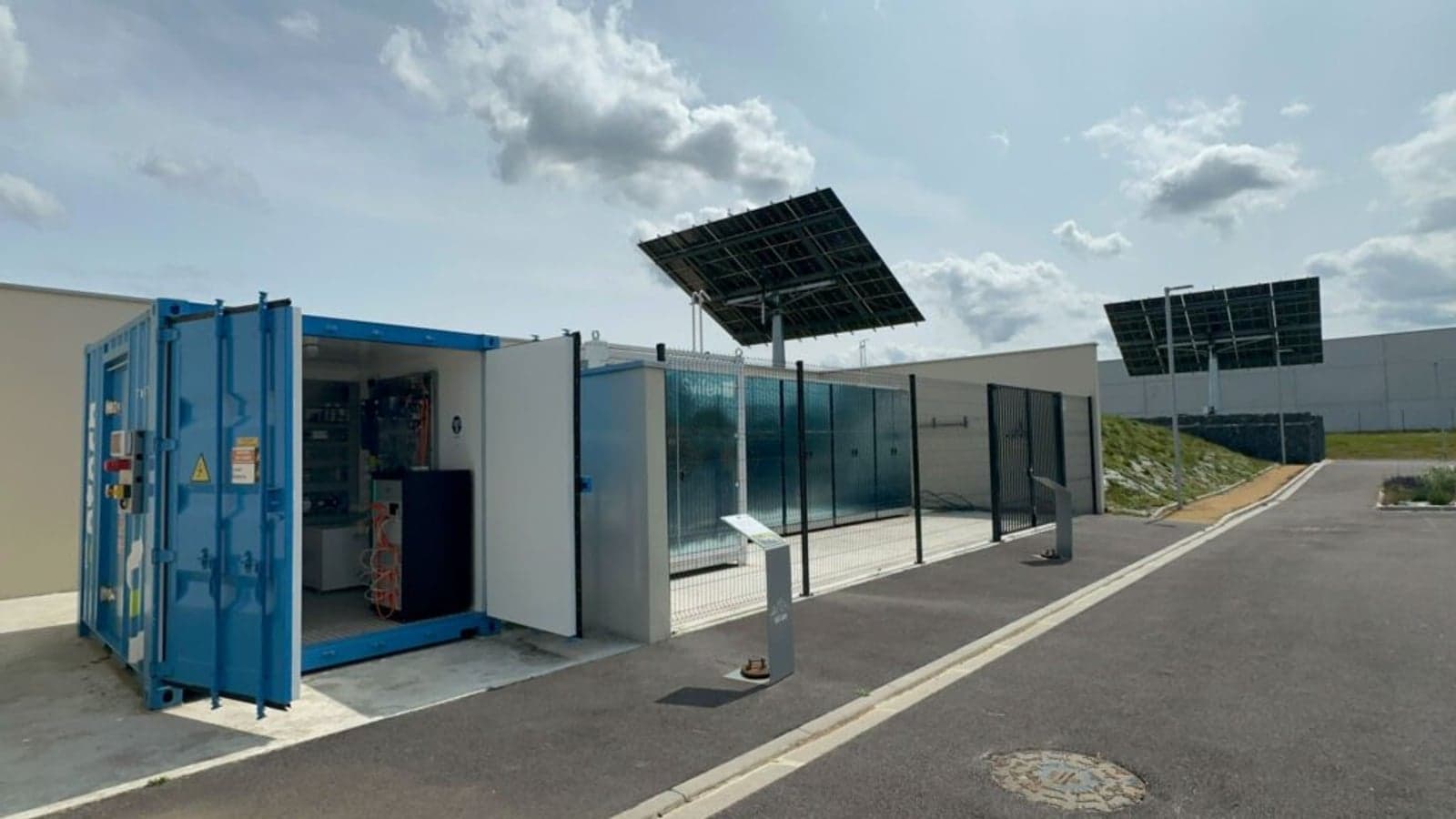
The edge infrastructure is currently being deployed and tested across multiple ODEON pilot sites.
In the south of Spain, the Granada pilot is deploying a dual-node setup that combines raw data capture with a master node with higher processing capacity. One node, known as the slave node, was collecting real-time data directly from solar inverters.
Up north in Amiens, France, the ODEON pilot is taking a different approach. Here, utility provider SICAE is hosting the edge infrastructure directly on-site, in what’s known as a near edge configuration. Rather than placing intelligence in individual homes, a centralised server within the utility’s premises acts as a hub, aggregating data, coordinating devices and connecting securely to the wider ODEON platform.
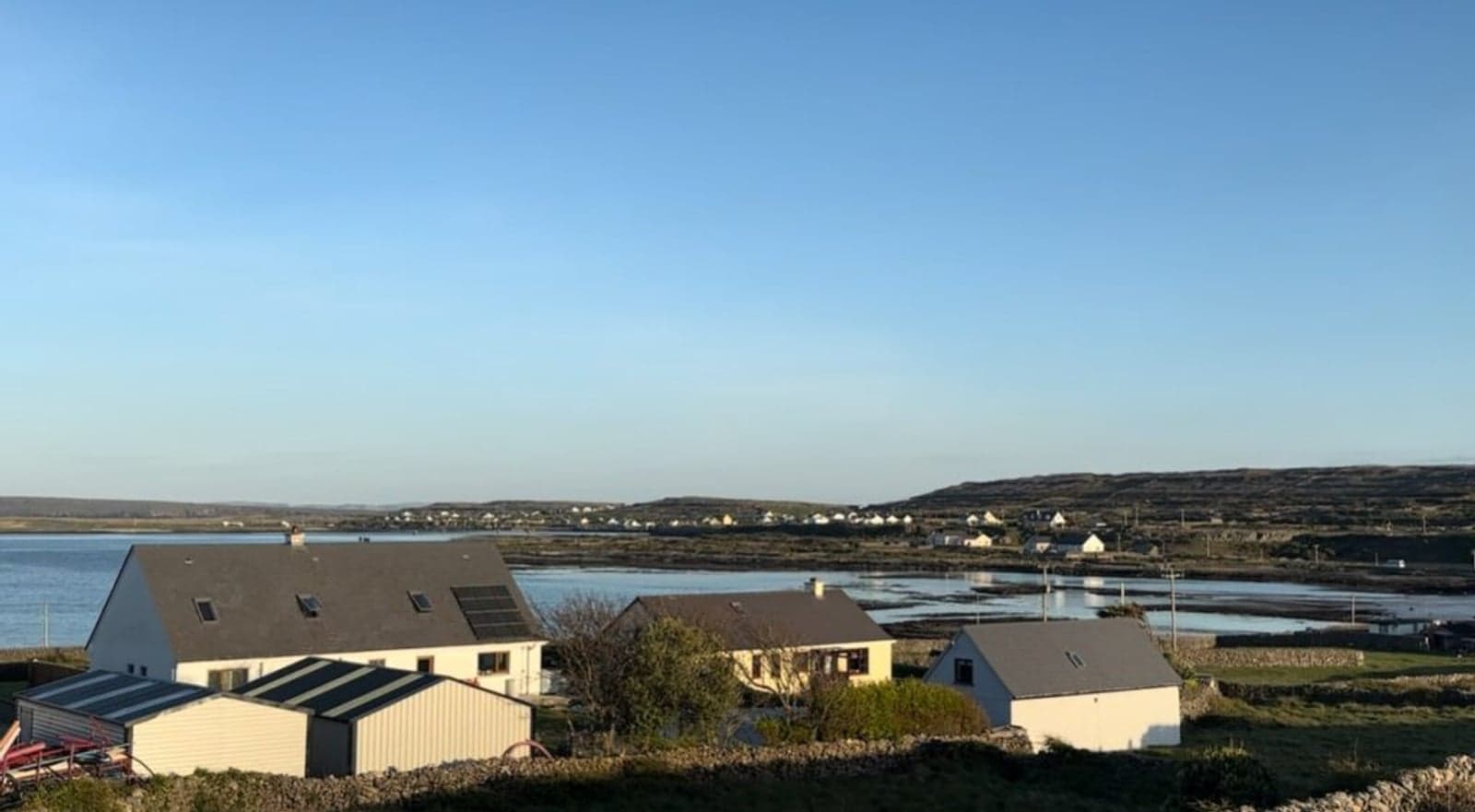
On the Aran Islands in Ireland, the focus is squarely on residential flexibility. Households are being equipped with edge slave nodes that gather live data on energy consumption and production. Behind the scenes, a virtual server instance will host a remote management agent, enabling centralised deployment of edge logic and components across distributed homes.
Trust is at the heart of the Greek pilot, where ODEON’s partners have made user experience a top priority. Devices and architecture are being carefully selected not just for their technical performance, but for the user acceptance, appeal and ease of use. The goal is simple: to help users feel confident in what the system is doing and how their data is being handled. By placing intelligence at the edge, inside user-friendly devices, ODEON empowers residents to understand, influence and participate in their own energy management.
ODEON is not just building a digital energy platform, it is extending intelligence to the network edge. Through a combination of distributed control, secure data governance, AI-powered local decision-making and orchestration, ODEON enables true consumer empowerment and decentralised energy management in a secure, privacy-preserving and future-proof way.
Discover ODEON in action at Enlit Europe in Bilbao!
Discover more about these innovative solutions on the ODEON website and explore related videos on the ODEON YouTube channel for deeper insights.
ODEON will be present in the EU Project Zone at Enlit Europe 2025 in Bilbao. We look forward to seeing you there!
About the authors

Raquel Castán Vidal is Communication Manager for EU Projects at ETRA. She holds a Bachelor’s degree in Environmental Sciences and Master’s in Environmental Risk Management and in Journalism. She is currently leading the communication strategy and actions for several EU-funded projects coordinated by ETRA, including ODEON, ECOLOOP, EBENTO and R2D2.

Moisés Antón García is Project Manager at ETRA. He holds an Engineer’s degree in Energy Engineering and a Master’s in Industrial Engineering from the Polytechnic University of Valencia. He is currently working as the Project Manager of the ODEON project. He has collaborated in other energy-related H2020 projects such as TwinERGY, IANOS, FLEXCoop, and HOLISDER.
Related tags
Most popular
Join the community for freeAnd get access to all content
Related projects
ODEON
+2
1 January 2024 - 31 December 2027
View project