Navigating the energy transition in Southeast Asia
Jonathan Spencer Jones
Posted on: 22 August 2025
In an exclusive interview, Maximilian Heil, GIZ – Project Coordinator at CASE, talks about the initiative and how it is supporting southeast Asian countries in navigating their energy transitions.
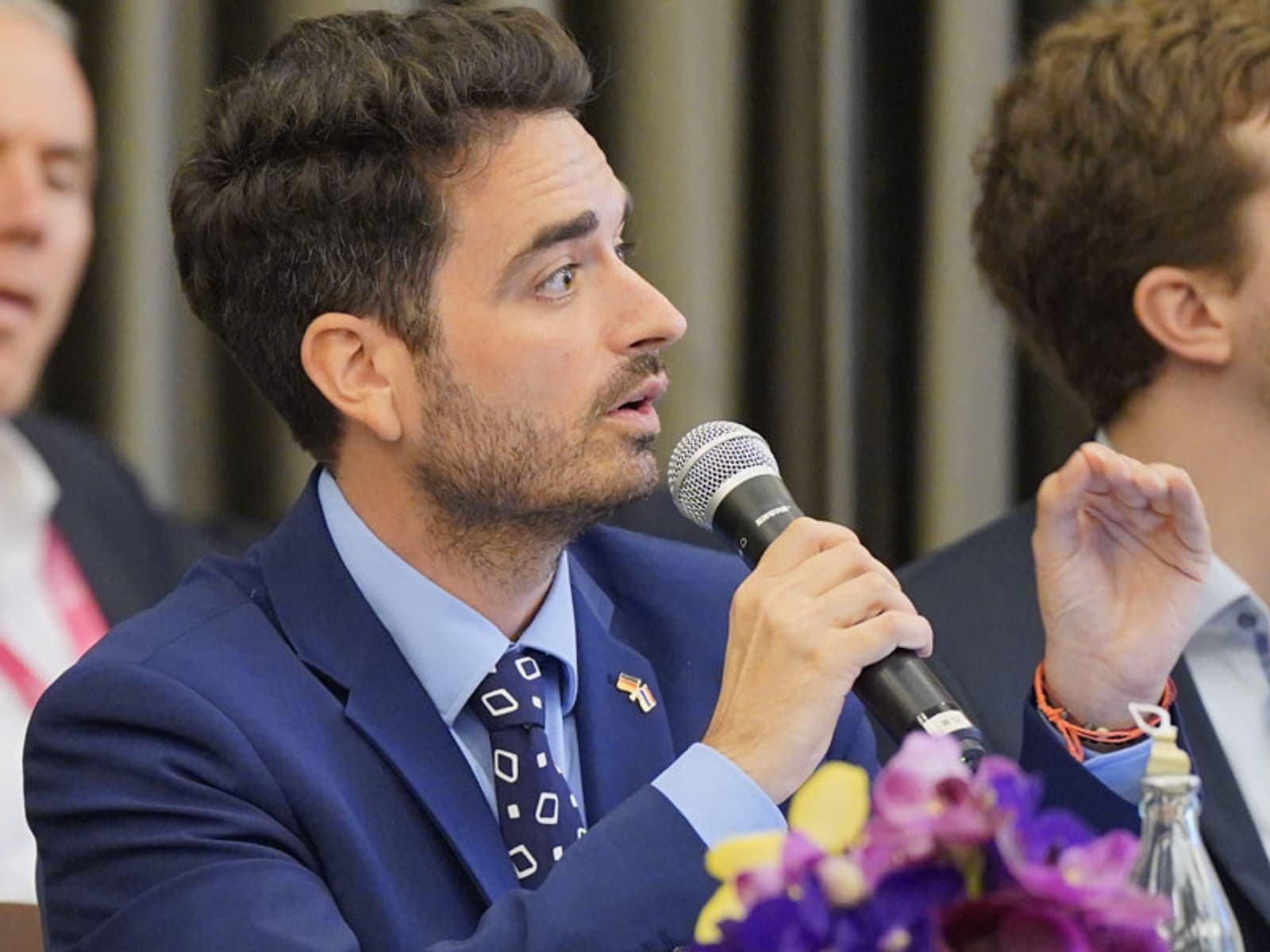
In an exclusive interview, Maximilian Heil, representative of GIZ and Project Coordinator at CASE, discusses the German initiative and the role of local partnerships in helping Southeast Asian countries navigate their energy transitions.
Southeast Asia is one of the fastest-growing developing regions in the world, with an energy demand forecast to rise by 70% by 2040.
With the countries responsible for the majority of the region’s energy consumption dependent on the substantial use of coal, they face challenges in the implementation of the Paris Agreement.
In 2020 the Clean, Affordable and Secure Energy for Southeast Asia (CASE) project was launched with the Deutsche Gesellschaft für Internationale Zusammenarbeit (GIZ) as implementer on behalf of the German Federal Ministry for Economic Affairs and Climate Action (BMWK) with €29.5 million ($34 million) in funding from the International Climate Initiative (IKI) over seven years.
The four CASE countries are Indonesia, the Philippines, Thailand and Viet Nam.
Why is GIZ running CASE in Southeast Asia?
The energy transition is one of the most urgent global challenges of our time, and Southeast Asia is at a pivotal juncture. The region is experiencing rapidly growing energy demand and remains heavily reliant on fossil fuels, making it both highly vulnerable to climate change and rich with potential to lead on sustainable energy solutions.
Our aim with CASE is to support the partner countries in making evidence-based, socially just and economically viable decisions as they navigate the energy transition. Each country presents distinct challenges and opportunities for the energy transition and our activities are tailored to reflect national priorities
What makes CASE unique is its consortium approach: GIZ works alongside international think tanks such as Agora Energiewende and NewClimate Institute, as well as respected local partners in each CASE country, including the Institute for Essential Services Reform in Indonesia, Institute for Climate and Sustainable Cities in the Philippines, Thailand Development Research Institute and Energy Research Institute in Viet Nam.
This structure ensures our work is locally grounded, regionally connected and globally informed. At the same time, we also actively engage at the regional level across ASEAN to strengthen policy dialogue, promote knowledge exchange, and foster cross-border collaboration.
What are the elements of the programme?
The programme rests on three pillars:
- Evidence-based energy planning: Supporting partners with data, research and scenario modelling to inform strategic decisions.
- Discourse and public awareness: Encouraging inclusive dialogues and strengthening communication to broaden support for the energy transition.
- Enabling environment and policy advice: Providing technical assistance and advice to improve regulatory and institutional frameworks.
All three pillars are interconnected and grounded in close cooperation with the local partners, research institutions and decision-makers.
What are the specific projects and what have been the achievements?
Two key regional initiatives under CASE stand out.
First, the Southeast Asia Information Platform for the Energy Transition (SIPET), which is a flagship digital platform that enhances transparency and access to energy transition data across ASEAN. SIPET aggregates and visualises key statistics, policies and power sector trends, making it easier for policymakers, researchers and civil society to engage with the transition. Since its launch, it has supported more coordinated energy planning and regional learning.
Second, the ASEAN Power Grid – Advancement Programme (APG-AP), which focuses on enabling multilateral power trade in the region. The initiative supports technical studies, regulatory dialogue and stakeholder coordination to operationalise the ASEAN power grid – a long-standing regional vision for greater energy integration and enhanced energy security.
Both initiatives reflect CASE’s commitment to combining data, policy and dialogue to drive real impact.
How is digitalisation enhancing these activities?
Digitalisation is a core enabler of CASE’s objectives. SIPET, for example, is a digital tool that democratises access to power sector data and facilitates regional comparison and analysis.
Beyond SIPET, we support the use of digital platforms for power system modelling, stakeholder collaboration, and virtual capacity building.
These tools increase the reach, transparency and efficiency of our work – and most importantly, they help build long-term local capacity.
What are the next steps?
Looking ahead, our focus is twofold. First, we aim to further support countries in integrating higher shares of variable renewable energy into their power systems while enhancing flexibility – key to reducing dependence on imported fossil fuels and strengthening energy security.
Second, we are working to secure a new institutional host for SIPET, so the platform can continue to grow and serve as a public good beyond the current project phase. Ensuring long-term ownership and sustainability of our digital tools is central to the CASE approach.
As the region's energy landscape continues to evolve, CASE remains committed to supporting a transition that is ambitious, inclusive and anchored in local needs.
About Maximilian Heil
Maximilian Heil leads the coordination of the SIPET and APG-AP programmes within CASE, with his work focused on strengthening multilateral energy cooperation, promoting clean energy narratives and enabling policy dialogue across Southeast Asia. He holds a master’s degree in business economics and development studies with international academic experience in Denmark, Mexico and Germany. He joined GIZ in 2018 as a liaison officer for the Africa–EU Energy Partnership and prior to that worked as a public affairs consultant on EU policy in the fields of energy, climate and transport.
Maximilian Heil is a presenter at Enlit Asia (9-11 September, Bangkok) in the session on ‘Empowering regional collaboration through data and digital tools’.