The six countries that win the most EU funding for energy projects
Areti Ntaradimou
Posted on: 15 March 2023
Find out which countries are at the top of the list when it comes to absorbing EU funds for projects focusing on the energy sector
And why Greece and the Netherlands "excel at attracting R&D funding... for different reasons"
The European Commission invests its EU funding heavily in energy projects that will accelerate the energy transition and help the Union become carbon neutral by 2050. And there are plenty of programmes to choose from.
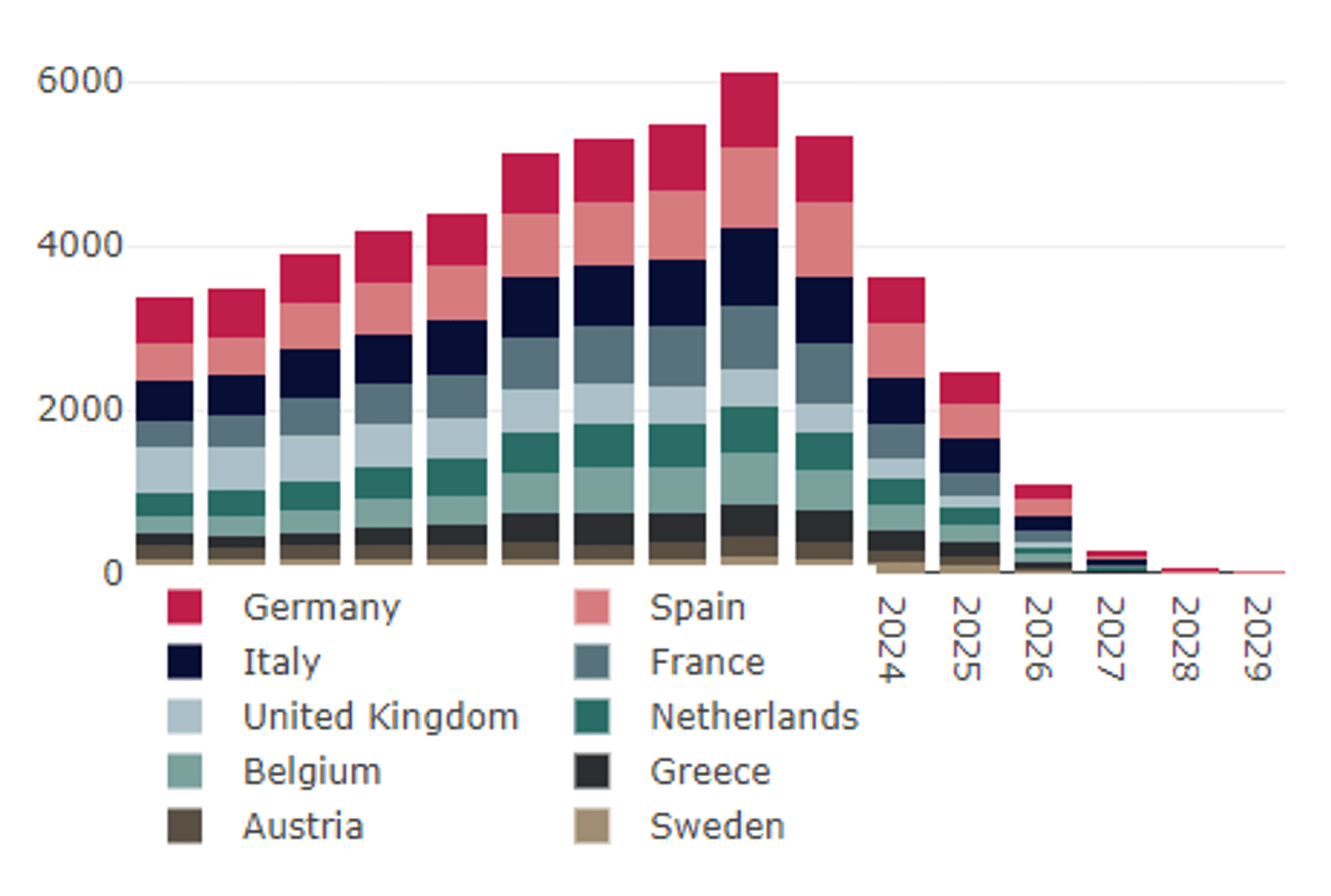
According to data from Kaila.eu, all EU countries participate currently in at least one ongoing energy-focused project.
There are, however, a handful of EU countries that participate in a large number of projects, thus getting elevated funding from the EU Commission.
Those countries are:
- Spain: 103 ongoing EU-funded energy projects and 228 closed ones.
- France: 79 ongoing EU-funded energy projects and 225 closed ones.
- Germany: 74 ongoing EU-funded energy projects and 288 closed ones.
- Italy: 67 ongoing EU-funded energy projects and 248 closed ones.
The countries in fifth and sixth place might come as a surprise to the non-expert eye because they are relatively small in both size and population. Those countries are:
- 5. Netherlands: 55 ongoing EU-funded energy projects and 161 closed ones.
- 6. Greece: 54 ongoing EU-funded energy projects and 132 closed ones.
Follow the latest news about EU-Projects in the Projects Zone
What is the root of this "paradox"?
Antonis Papanikolaou, Business Partner at QUE Technologies and Manager/Coordinator for several successful EU-funded energy projects, believes that "both Greece and the Netherlands excel at attracting R&D funding for different reasons".
"The Dutch have a cultural inclination toward environmentally-friendly activities and respect for nature, probably stemming from their long struggles to keep the sea out of their land.
"This has shaped both the population's attitude as well as the responsiveness of the relevant authorities."
"The Dutch have, on average, the necessary disposable income to invest in citizen-led experimenting with the energy transition.

"This combination of supporting regulatory context and wealth of grassroots initiatives is a natural fit for R&D activities, especially those supported by the European Commission's Framework Programmes."
When it comes to Greece, Papanikolaou says that "the cultural bias in Greece is geared toward education. The average family expects their young to at least graduate from university. This has led to an abundance of young, well-trained engineering graduates."
On the other hand, he adds that "the local industry is both shallow and narrow and provides limited demand and opportunities for their career development".
"As a result, universities and companies focused on R&D activities - especially service-based ones with low-investment needs - are a good alternative to immigration for this talent pool.
"Over the years, this workforce has gained the soft skills to attract R&D funding that looks disproportionate to the size and population of the country.”
Did your country make the top six? Subscribe to The List on LinkedIn and let us know in a comment.