How to create jobs after coal in the heart of Poland
Pamela Largue
Posted on: 6 August 2024
Daniel Baliński, Just Transition Coordinator at Polish energy company ZE PAK SE, to find out about the impact of the energy transition on the company's workforce and how their Jobs After Coal initiative has helped to make a positive difference.
As the energy transition progresses in Konin, Poland, fewer coal plants continue to operate and workers are forced out of jobs and into an uncertain future, where job opportunities are greener but difficult to access.
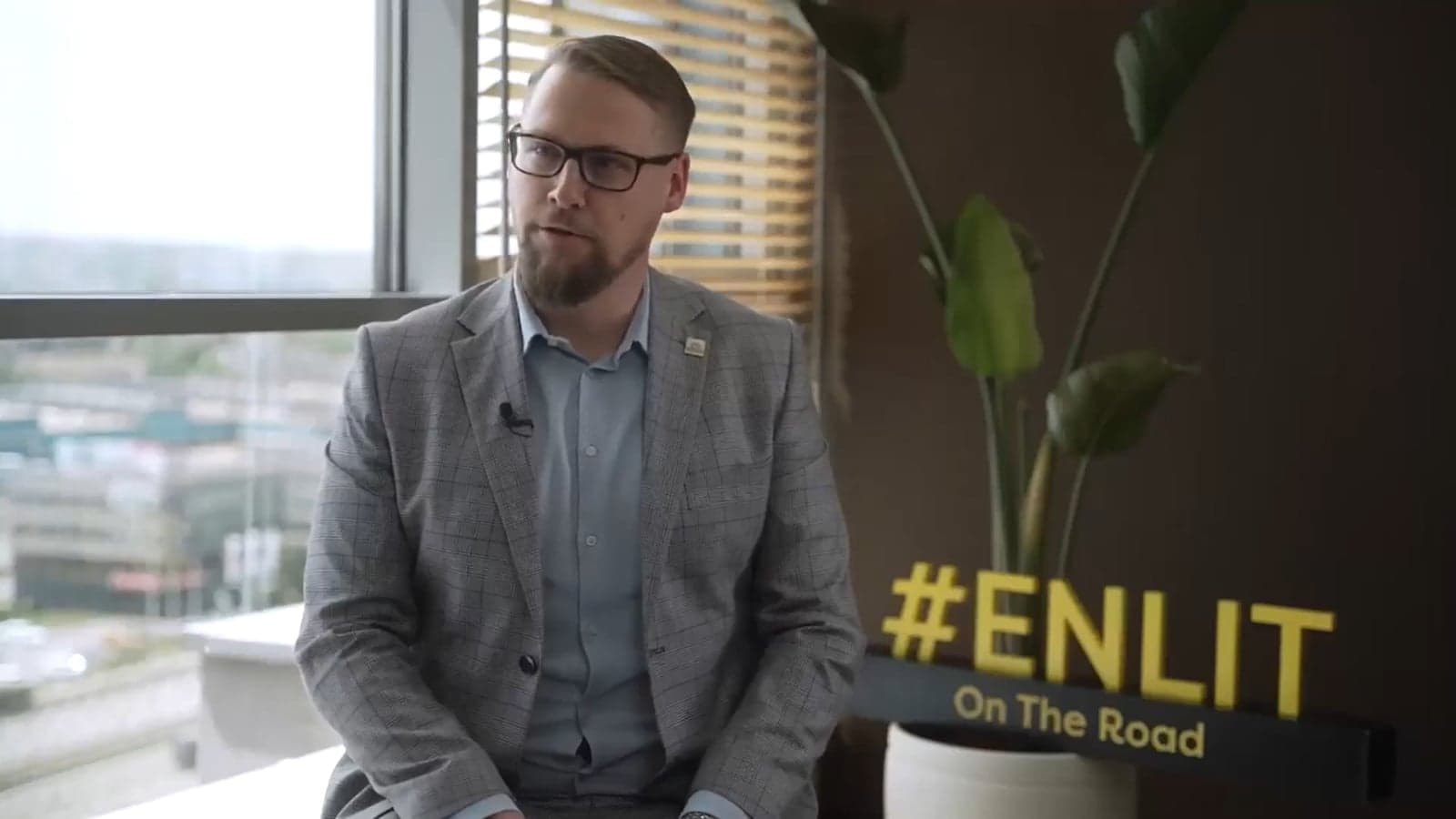
Enlit on the road visited Konin and spoke to Daniel Baliński, Just Transition Coordinator at Polish energy company ZE PAK SE (formerly Zespół Elektrowni Pątnów - Adamów - Konin), to find out about the impact of the energy transition on the company's workforce and how their Jobs After Coal initiative has helped to make a positive difference.
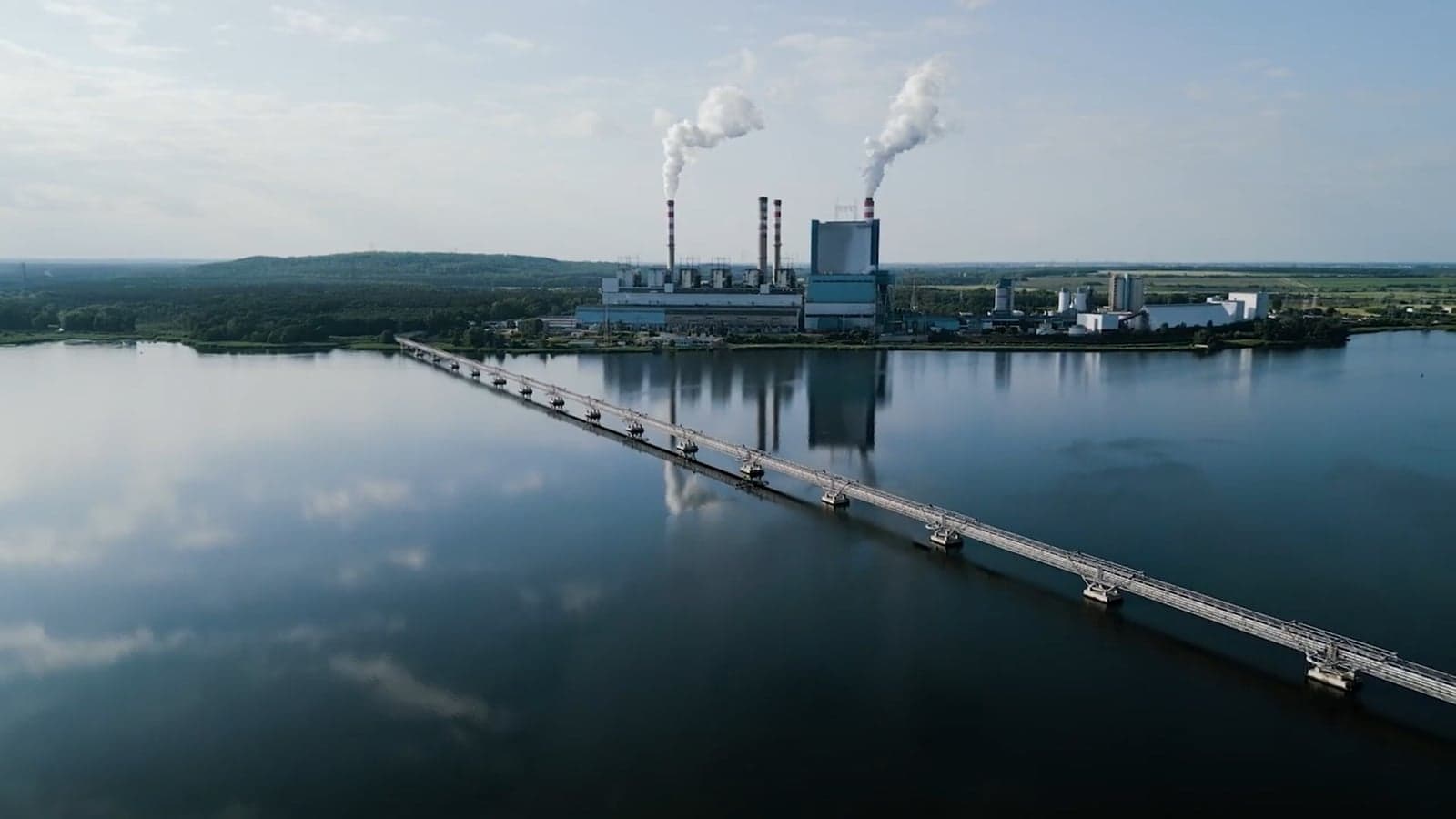
The conversation took place 110 meters above ground on top of Pątnów power plant, overlooking the plant and its puffing chimneys.
Baliński explained that of the ZE PAK fleet of four generating assets, only the Pątnów and Konin Power Plant are operating.
According to Baliński, in 2020 the ZE PAK Board announced a new decarbonisation strategy, which set in motion a transformation of the company’s assets. The company began significant downsizing and had to mitigate the effects of this process on its workers.
The energy transition has had a significant impact on the firm's workers.
“Here in ZE PAK, over six years, we have lost around 2500 jobs,” said Baliński.
“The transition is easy when you think about the technology…However, once you change the source of electricity from lignite you will get rid of a lot of jobs and people get really frustrated.
“We started to think about people and how to prepare them for the future. These present plans are not going to work forever…we cannot just hire them into new power plants, like within wind farms or solar power plants…”
More about energy transition in Poland
Energy Transitions podcast: Joanna Pandera highlights Poland’s progress towards decarbonisation
Energy Transitions podcast: Why green hydrogen is part of the decarbonisation toolkit
It was this need to prepare for the future that led to the Jobs After Coal initiative, a collaboration between ZE PAK and the 14 active labour unions operating in the space.
Baliński described the arduous task of building trust with the unions. “It was really tough…and took a lot of time.”
The regulatory guidelines had to be put into simple words so all could understand them. Next, a project concept had to be written out. This process took about two years. After that, Baliński and the team had to convince the public authorities that the project was sufficiently tailored to meet the needs of the workers.
“Thanks to the common effort that worked out”.
“The employer and trade unions prepared the initiative - the concept that after three years got co-financing from the Just Transition Fund and is about to start to help people look for new jobs.”
Currently, said Baliński, the programme is focused on providing new jobs for 2200 people, as well as reskilling them and providing advice in approaching new companies for employment.
“The programme is worth 52 million euros, there's a lot of incentives for new employers if they hire a former worker in the power plant or former miner, they will get a lot of financial incentives.”
“I think that energy transition can harm people. And my mission is to help them at least here in Konin where I'm employed."
One of the biggest successes, said Baliński, is the new regulation adopted in the Autumn of last year, which allows for early retirements for people hired in the lignite sector and in coal-fired power plants.
The first to benefit from the law will soon be ZE PAK employees. So far in Poland for 20 years, only coal miners have had similar rights.
“Thanks to the great cooperation with, for instance, the European Commission, it was quickly adopted…and thanks to that, people will really feel more safe.”
“Most of [the] people that work in the group are 50 years old. Most of them you can say sacrificed their whole life working to the power plant. You cannot just get rid of them. It's not their fault that they are losing their jobs because of the European new strategy of making the climate more green.
“Some of trade unions and the people working for trade unions, I treat as a family.
“It's not about the job. It's about the mission,” concluded Baliński.
A new report released by ZE PAK, Moving Away From Coal - Just Transition in Eastern Greater Poland, documents the details behind the Jobs After Coal initiative, as well as the timelines, processes, successes and lessons learned. The team hopes this report can be used as a tool to guide other companies and countries experiencing the same challenges.